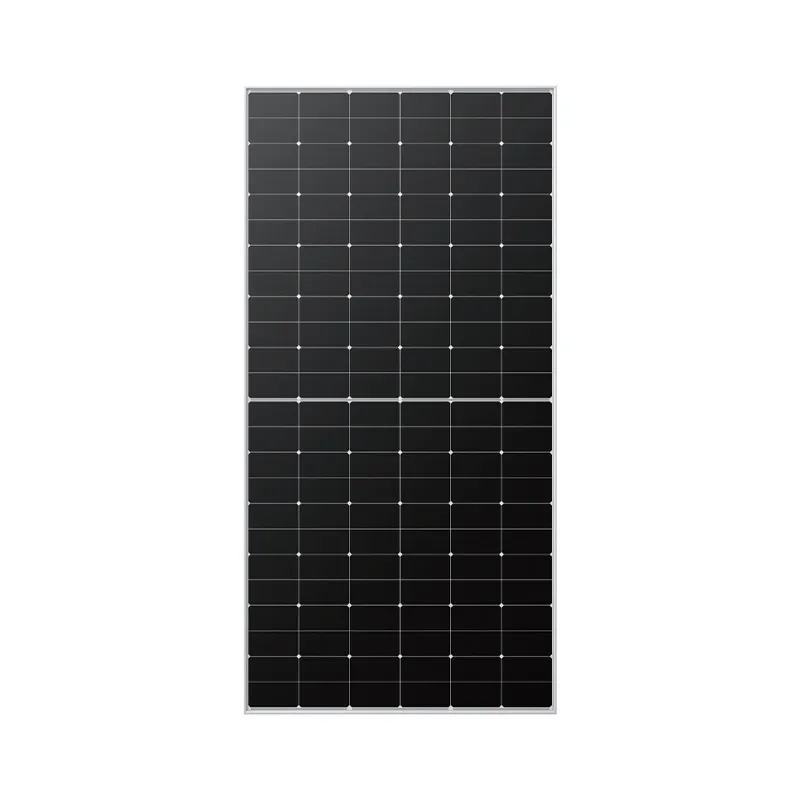
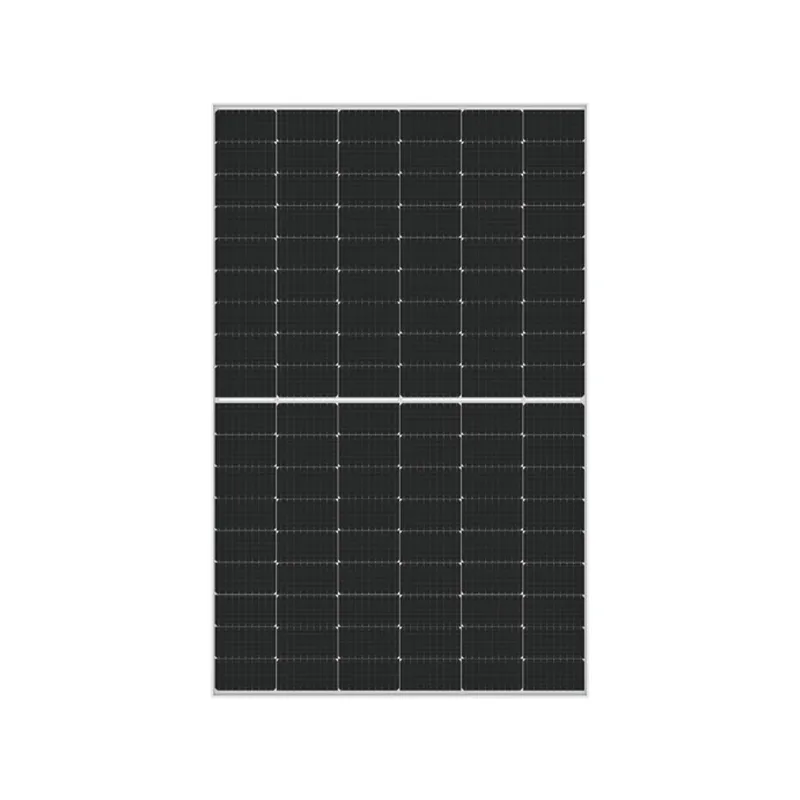
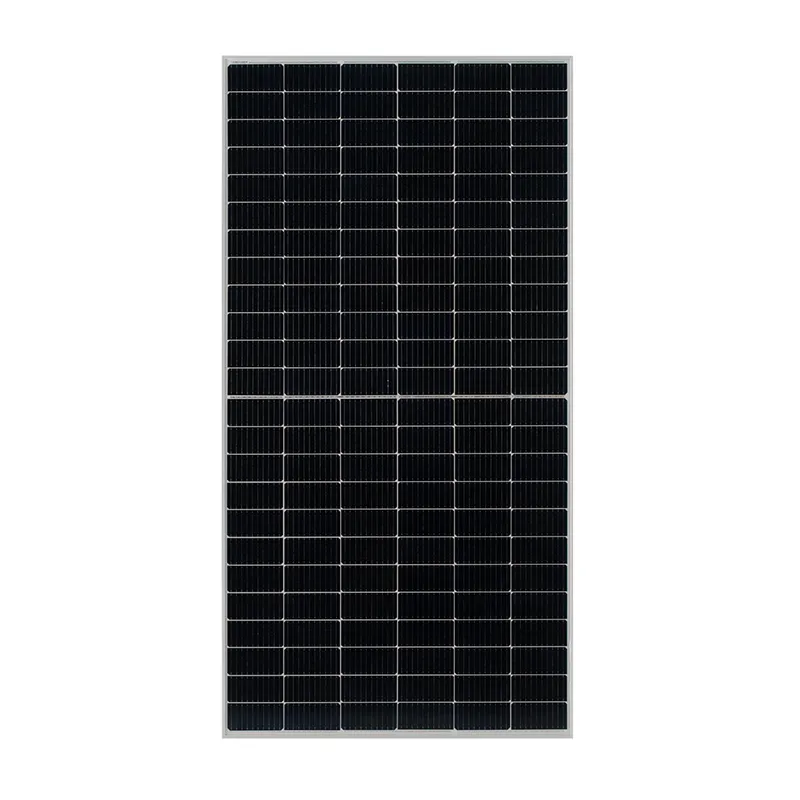
Comprehensive Guide to 160 Watt Solar Panel Price and Global Applications
Understanding 160 Watt Solar Panel Price: Why It Matters Globally
The 160 watt solar panel price is more than just a number—it represents a crucial gateway to affordable, clean energy worldwide. As global efforts to reduce carbon emissions intensify and energy demands evolve, knowing what drives the cost of these compact yet powerful solar panels helps businesses, governments, and individuals make informed decisions. Solar energy, after all, isn’t just a buzzword; it’s an essential piece in the puzzle of sustainable development, economic resilience, and humanitarian aid.
Introduction: The Global Context of 160 Watt Solar Panels
According to the International Renewable Energy Agency (IRENA), solar capacity grew by nearly 20% in 2022 alone, highlighting an unprecedented demand for photovoltaic products. The price of 160 watt solar panels, favored for off-grid systems and small-scale applications, plays an outsized role here. Why? Because such panels strike a balance between affordability and functionality—ideal for rural electrification efforts, remote industrial sites, and disaster relief.
Yet challenges persist. Supply chain disruptions, fluctuations in raw material prices, and technological limitations keep many end-users asking: what exactly impacts the 160 watt solar panel price, and is it worth the investment? This article dives into these concerns, shedding light on how this price point translates into real-world outcomes.
What Does "160 Watt Solar Panel Price" Mean?
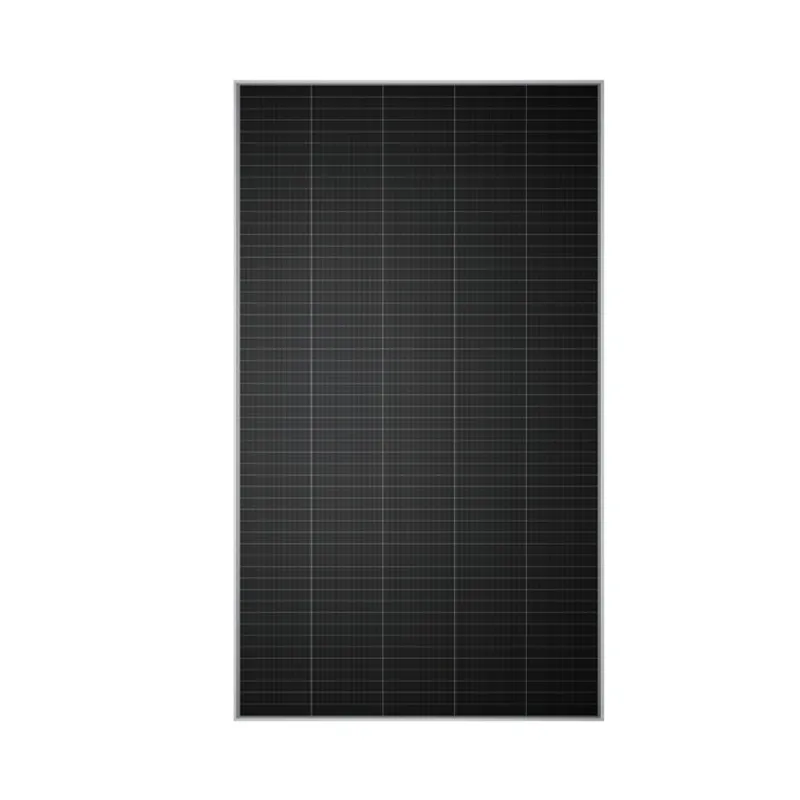
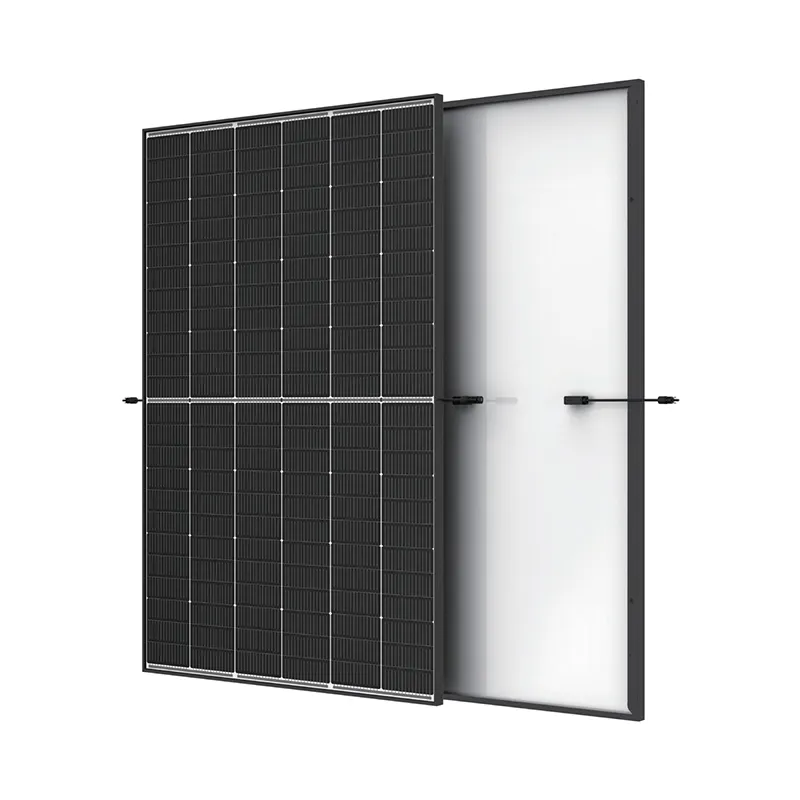
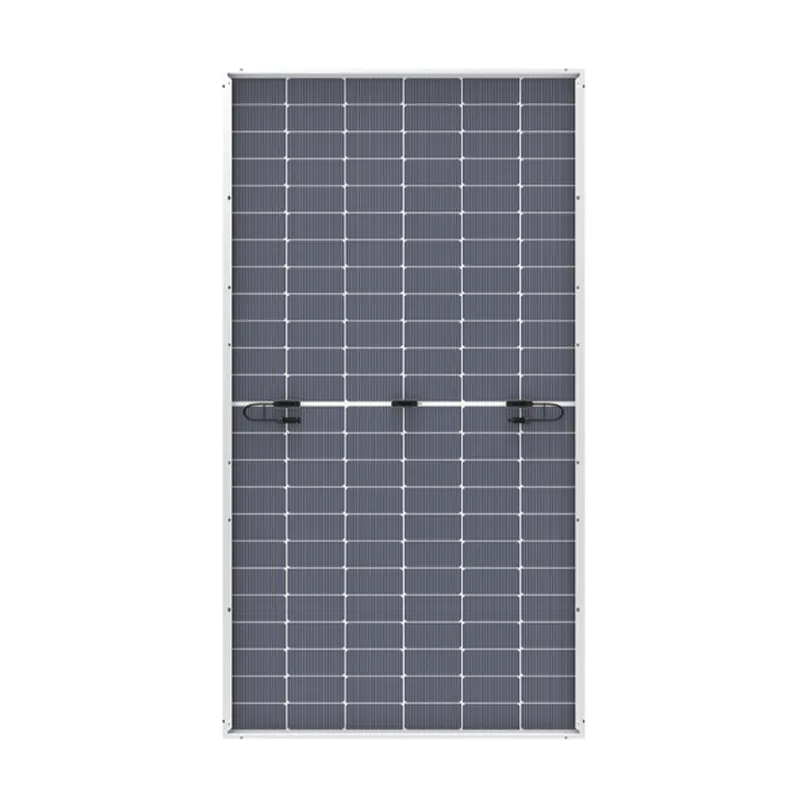
In straightforward terms, the 160 watt solar panel price is the cost associated with purchasing a solar photovoltaic (PV) panel rated to produce 160 watts under optimal conditions. These panels are often more compact than larger residential ones, making them ideal where space or budget is limited. Their price is a reflection of factors like materials, manufacturing processes, quality testing, and the vendor’s market positioning.
Increasingly, these panels power humanitarian efforts, small farms, or guide remote industries away from fossil fuel dependency, making their price a critical factor in scaling sustainable energy solutions.
Key Factors Influencing 160 Watt Solar Panel Price
1. Material Quality and Technology
The type of silicon used (monocrystalline vs polycrystalline), anti-reflective coatings, and frame durability all impact cost. Higher-grade materials increase efficiency but add to the price tag. For example, monocrystalline panels generally cost more but offer better longevity and output.
2. Manufacturing and Certification
Certified panels meet rigorous international standards such as IEC 61215, assuring buyers of durability and safety. Certification and quality control ramp up production costs but reduce long-term risks—something savvy buyers often value.
3. Supply Chain and Raw Materials
Global shortages or tariffs on silicon, glass, and metal materials can spike prices unexpectedly. Logistics, import duties, and shipping expenses further influence the delivered price that you pay.
4. Vendor and Warranty
The price often correlates with the vendor’s reputation, warranty period (typically 10–25 years), and after-sales service quality. Trusted manufacturers might command premiums but offer peace of mind.
Mini Takeaway:
The 160 watt solar panel price is a sum of many moving parts—each critically shaping its value and suitability for different projects.
Product Specifications of Typical 160 Watt Solar Panels
| Specification | Detail |
|---|---|
| Power Output | 160 Watts |
| Panel Type | Monocrystalline / Polycrystalline |
| Dimensions | 1000 x 670 x 35 mm (varies) |
| Weight | ~12 kg |
| Efficiency | 15-18% |
| Warranty | 10-25 years |
| Price Range | $90 - $140 per panel (varies) |
Global Applications and Use Cases
The modest size and cost of 160 watt panels make them versatile. In sub-Saharan Africa and parts of Asia, they’re instrumental in powering off-grid homes and community centers where centralized electricity is unreliable or absent. NGOs often distribute them for remote clinics or schools, letting lives transform in simple, dignified ways.
Oddly enough, corporations in mining or telecom industries also deploy these panels for equipment at remote sites, reducing carbon footprints while improving operational reliability.
Disaster relief operations, such as those following floods or hurricanes, frequently rely on this solar segment to swiftly restore lighting and communication.
Vendor Comparison: Pricing & Services
| Vendor | Price per Panel | Warranty | Certifications | After-sales Support |
|---|---|---|---|---|
| Benjiu Solar | $95 - $120 | 25 years performance | IEC 61215, ISO 9001 | Comprehensive global support |
| SunCore Technologies | $100 - $135 | 20 years warranty | UL, CE certificated | Limited regional support |
| GreenVolt | $90 - $125 | 15 years limited | TUV, CE | Standard support |
Advantages and Long-Term Value of 160 Watt Solar Panels
- Cost Efficiency: They offer a low upfront cost enabling quick ROI for small to medium projects.
- Sustainability: Using solar reduces carbon footprints, ensuring cleaner air and energy independence.
- Reliability: Panels come with warranties and tested durability, providing peace of mind for years.
- Social Impact: They empower communities, especially in off-grid areas—enhancing education, health, and economic opportunity.
You know, there’s something genuinely encouraging about how a 160 watt panel can boost a family’s quality of life or keep emergency radios charged during crises.
Future Trends & Innovations in 160 Watt Solar Panel Pricing
Looking ahead, the blend of new materials such as perovskite cells and manufacturing automation promises to drive down costs further. Digital monitoring and IoT integration will optimize energy capture and maintenance. Furthermore, government policies incentivizing solar adoption, especially in developing countries, will impact price and accessibility.
Challenges & Expert Solutions
Price volatility due to raw material shortages can frustrate buyers. However, diversifying supply chains and recycling precious materials are good ways forward. Also, while these panels are robust, their limited wattage sometimes requires pairing with battery/storage solutions—an added upfront cost many underestimate.
Suppliers like Benjiu Solar are stepping up with bundled offers and financing schemes, making these accessible to more users across the globe.
FAQ: Common Questions About 160 Watt Solar Panel Price
- Q: What factors cause fluctuations in 160 watt solar panel prices?
- A: Prices typically vary due to raw material costs, manufacturing scale, supply chain logistics, and certifications. Seasonal demand can also influence prices, so buying during off-peak times sometimes helps.
- Q: How long do 160 watt solar panels generally last?
- A: Most panels come with warranties between 10 to 25 years, but proper maintenance can extend their service life beyond 30 years. Longevity depends on environmental conditions and installation quality.
- Q: Are 160 watt solar panels suitable for residential use?
- A: Absolutely. They are ideal for small-scale off-grid applications such as garden lighting, tiny homes, or RV setups. For larger power needs, multiple panels can be combined.
- Q: Can NGOs import these solar panels easily for humanitarian projects?
- A: Yes, many vendors provide export services complete with certifications compliant for international shipping. It’s important to confirm with customs for specific country regulations.
Conclusion: Why Paying Attention to 160 Watt Solar Panel Price Pays Off
Understanding the intricacies behind the 160 watt solar panel price is, frankly, foundational for anyone looking to deploy clean energy affordably and effectively. Whether you’re powering a remote school or enhancing a mining operation’s sustainability, the right price signals quality, reliability, and long-term value.
Curious to see how these panels fit your needs? Visit our website: 160 watt solar panel price and explore all options available. It’s a small step towards a greener, brighter future.
Reflecting on this, I noticed the steady drop in costs over the past decade has really democratized energy access — a quiet revolution you might not always hear about, but one worth watching closely.
References
-
Designing a Modern Home Roof Made Out of Solar Panels GuideNewsApr.16,2026
-
Guide to the Size of 150 Watt Solar Panel for Your ProjectNewsApr.09,2026
-
Understanding the Dimensions and Applications of a 200W Solar PanelNewsApr.07,2026
-
Understanding the Dimensions and Factors of a 330W Solar Panel SizeNewsApr.04,2026
-
Understanding the Size and Dimensions of a 4kW Solar Panel System for Your HomeNewsMar.31,2026
-
Comprehensive Guide to Sizing Your Solar System for Optimal Energy ProductionNewsMar.28,2026