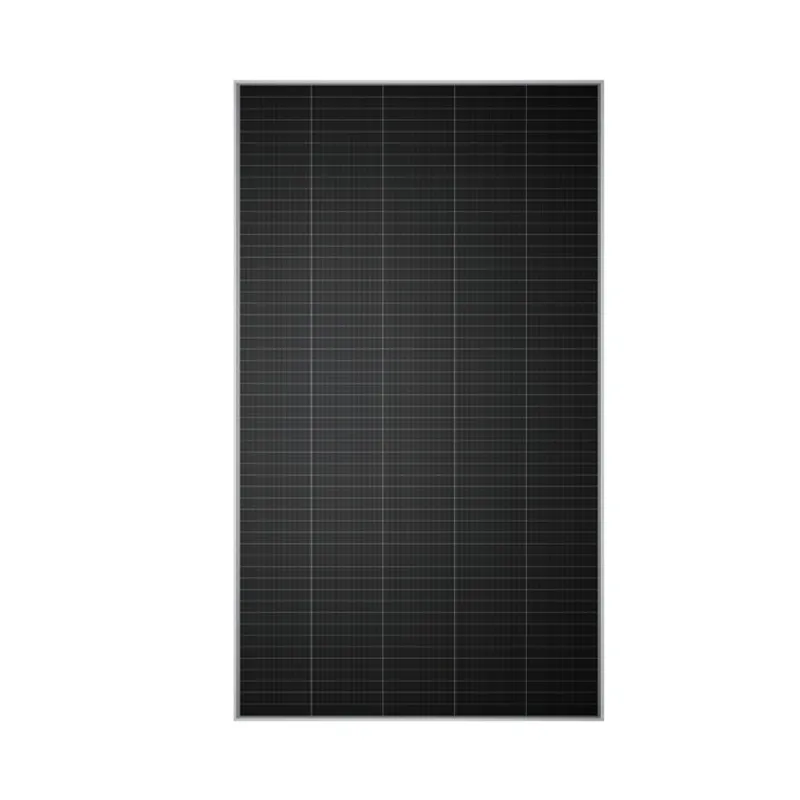
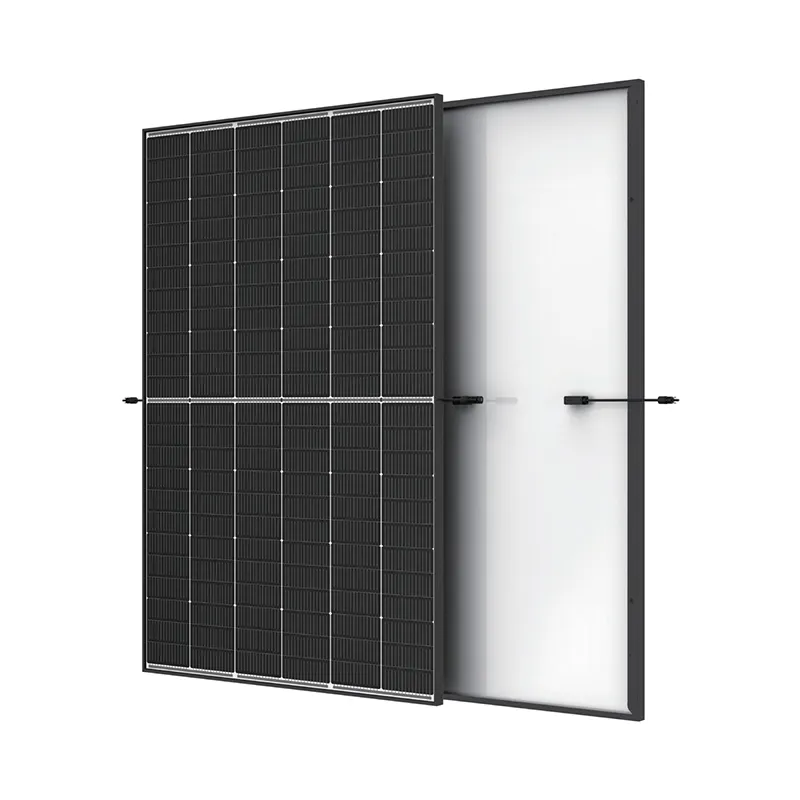
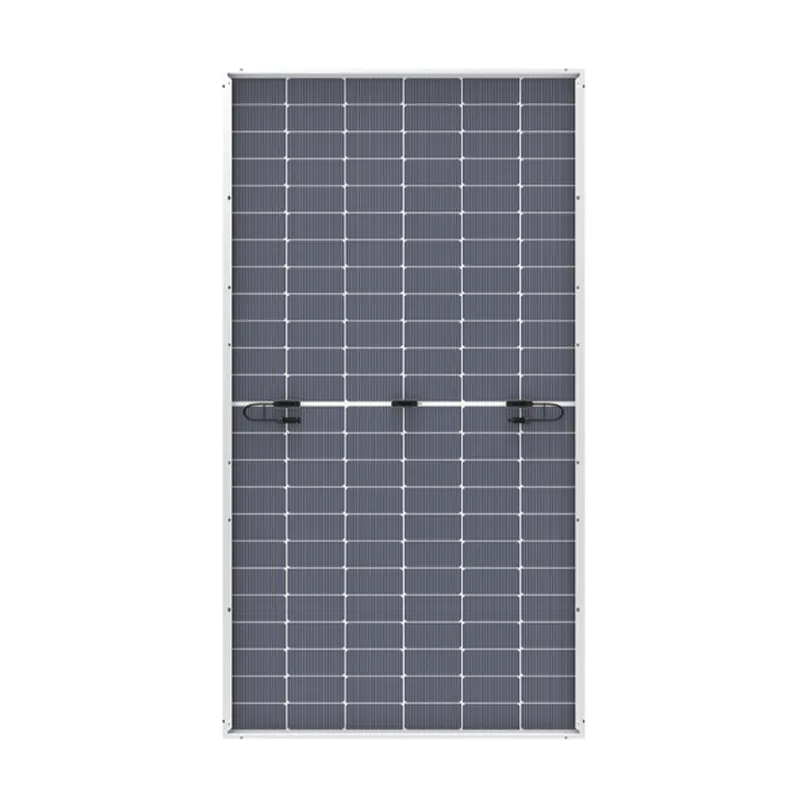
150 Watt Solar Panel Dimensions Explained: Specs, Applications & Trends
Understanding 150 Watt Solar Panel Dimensions: Why Size Really Matters
When you hear "150 watt solar panel dimensions," it might sound like a dry specification, just numbers and measurements. But frankly, understanding these dimensions is a key piece in the puzzle of making solar energy accessible and efficient worldwide. As renewable energy gains momentum—currently supplying nearly 30% of global electricity growth (IEA, 2023)—knowing the size and capabilities of solar panels like the 150 watt model helps consumers, businesses, and humanitarian projects optimize space, cost, and power output.
Today, I want to walk you through what 150 watt solar panel dimensions actually mean, why they matter in various contexts, and how they impact everything from remote off-grid villages to urban rooftop setups.
Global Context: Why Dimensions of Solar Panels Impact Energy Adoption
Across the globe, solar power’s footprint is expanding rapidly. The UN’s Sustainable Development Goal 7 encourages universal access to affordable, reliable energy, making compact but efficient solar panels a practical solution—especially in developing countries or disaster zones. But there's a practical snag: Not all panels fit all places. The exact physical size, weight, and shape—the dimensions—of a 150 watt solar panel dictate where and how it can be deployed. For instance, in densely populated urban areas, panels need to be slim and lightweight; meanwhile, in rural electrification projects, durability and ease of transport are paramount.
Oddly enough, a small difference in panel size can shift installation feasibility drastically, affecting project costs and timelines. So, knowing “150 watt solar panel dimensions” isn’t just technical trivia—it’s central to real-world solar deployment strategies.
What Exactly Are 150 Watt Solar Panel Dimensions?
Put simply, the “dimensions” of a 150 watt solar panel refer to its physical measurements—length, width, and thickness—usually expressed in millimeters or inches. This kind of panel typically produces around 150 watts of power under standard test conditions (STC). But the dimensions inform decisions beyond power rating: the size determines installation space requirements, mounting kit compatibility, and even shipping costs.
Picture this: a 150 watt panel is often a middle-ground choice—not as bulky as the larger 300-400 watt options favored for big solar farms, but with enough juice for small households, RVs, or cabin systems. Their manageable size and power make them a favorite for modern, flexible solar setups.
Core Factors Defining 150 Watt Solar Panels
1. Physical Size and Weight
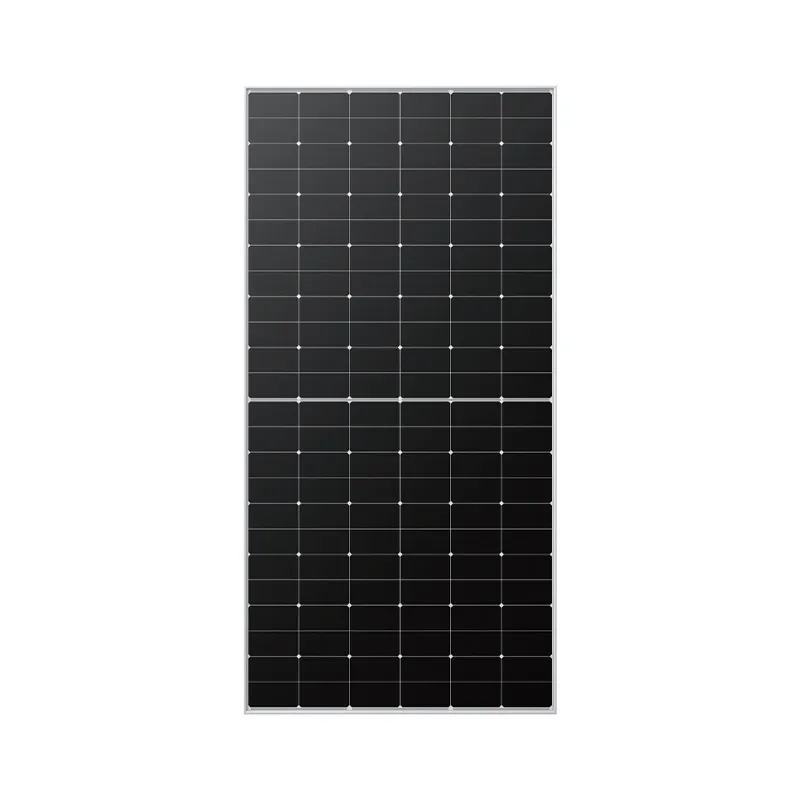
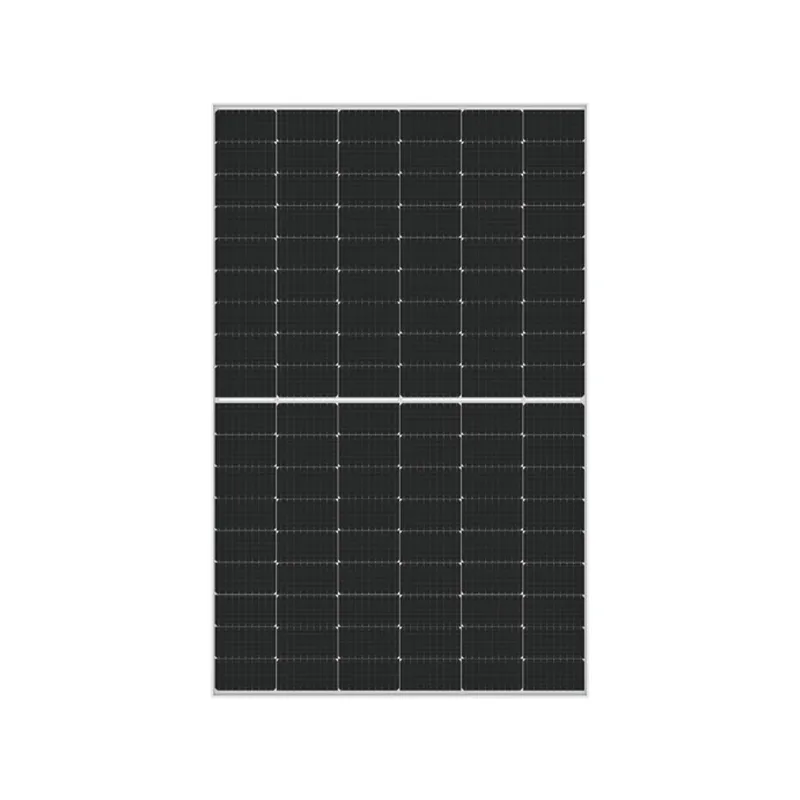
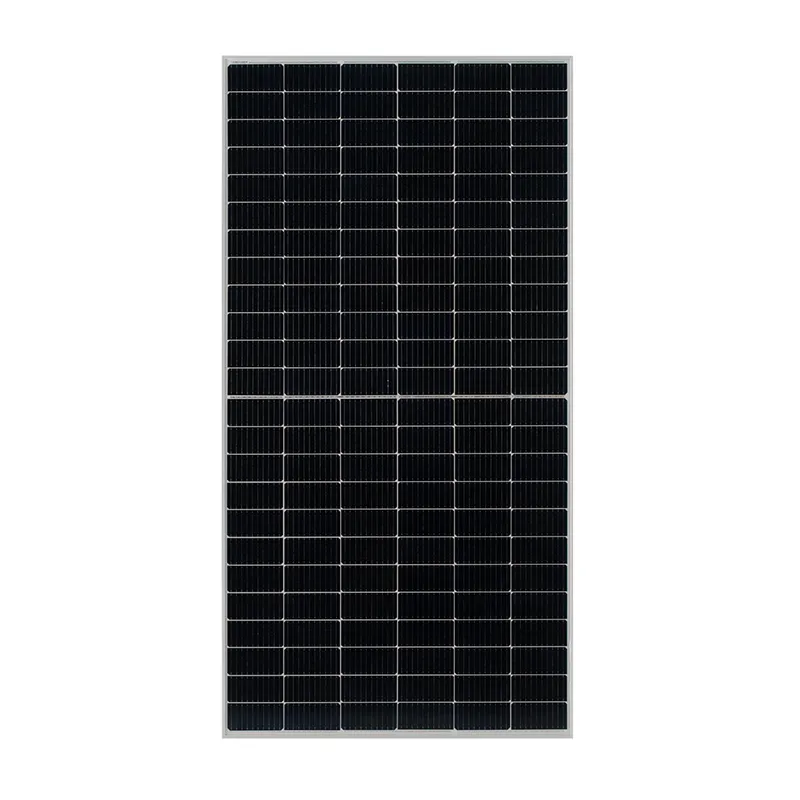
Typical dimensions hover around 1200 mm × 540 mm × 35 mm (about 47.2 × 21.3 × 1.4 inches), weighing roughly 8–10 kg (17–22 lbs). This makes them portable enough for fieldwork but sturdy for fixed installations.
2. Efficiency and Material Quality
Of course, dimensions alone don’t tell the whole story. Monocrystalline panels, for example, can deliver higher efficiency within similar dimensions compared to polycrystalline, meaning you get more watts in less space.
3. Durability
These panels often feature tempered glass and anodized aluminum frames to resist weathering, crucial for long-term outdoor use.
4. Compatibility & Scalability
The moderate size means you can connect multiple 150 watt panels to scale your system easily without overwhelming your available space.
Mini Takeaway:
For all its apparent simplicity, the 150 watt solar panel dimension set is a nuanced balance of size, efficiency, and durability that fits many practical needs.
150 Watt Solar Panel Specifications
| Specification | Typical Value |
|---|---|
| Panel Dimensions (L×W×H) | ~1200 mm × 540 mm × 35 mm |
| Weight | 8–10 kg (17.6–22 lbs) |
| Power Output (Max) | 150 Watts |
| Efficiency | 14–18% |
| Frame Material | Anodized Aluminum |
| Glass Type | Tempered, Low Iron |
Who Benefits? Real-World Applications
Whether it’s powering remote rural clinics in Africa or supplementing urban electric grids in Europe, these panels have a broad footprint.
- Off-grid households: Compact 150 watt panels are great for cabin cabins or boats, where space is limited but power reliable.
- Disaster relief organizations: Portable and relatively lightweight, these panels provide immediate electricity for communication gear or medical equipment.
- Developing regions: NGOs often use 150 watt panels to build scalable mini-grids to electrify villages.
- RV and Mobile Solutions: Travelers rely on such panels for consistent power on the move.
Vendor Comparison: Leading 150 Watt Panels
| Brand | Dimensions (mm) | Weight (kg) | Efficiency | Warranty |
|---|---|---|---|---|
| SunPower | 1200 × 540 × 40 | 9.0 | 18.0% | 25 years |
| Canadian Solar | 1170 × 540 × 35 | 8.5 | 15.5% | 20 years |
| Benjiu Solar | 1220 × 540 × 35 | 8.8 | 16.8% | 25 years |
Advantages & Long-Term Value of Understanding Panel Dimensions
Knowing the 150 watt solar panel dimensions upfront simplifies site planning, reduces shipping surprises, and ensures you maximize energy output without wasting precious space. For nonprofits working in disaster zones, every kilogram saved is an advantage. For homeowners, making sure panels fit your roof profile means aesthetics and function blend.
Plus, the sustainability payoff is huge. By choosing the right panel size, you optimize resource use — less material waste, fewer transportation emissions, and better return on investment. So there’s the rational benefit and, frankly, a feel-good one too.
Future Trends in Solar Panel Sizing & Technology
Looking ahead, 150 watt solar panels might get thinner, lighter, and more efficient. Research into perovskite layers, bifacial cells (which capture light on both sides), and flexible materials promises to upscale power potential while shrinking physical size.
Digital monitoring integration is also rising, making deployment smarter. Imagine panels that self-diagnose performance issues or adjust output based on weather data — all housed within a compact, standardized size.
Challenges & Solutions in Using 150 Watt Panels
Challenges? Sure. Size uniformity isn’t always guaranteed across brands, sometimes complicating modular setups. Weather resistance varies, so choosing panels with tested durability against hail or salt corrosion is key. Installation can be tricky if mounting hardware isn't compatible with panel thickness.
Solutions? Look for panels tested to IEC standards such as 61730 for safety and 61215 for performance. Also, working with experienced vendors who clearly state dimensions and weights—as Benjiu Solar does—helps you dodge surprises.
FAQ on 150 Watt Solar Panel Dimensions
- Q: What are typical 150 watt solar panel dimensions I should expect?
- A: Most 150 watt panels measure around 1200 x 540 x 35 mm and weigh between 8–10 kg, but check specific specs as manufacturers vary.
- Q: Can I use multiple 150 watt panels for a larger system?
- A: Absolutely. Their size makes them modular and scalable for systems up to several kilowatts.
- Q: How do panel dimensions affect shipping costs?
- A: Bigger and heavier panels cost more to ship. Compact 150 watt panels generally reduce freight expenses, beneficial for remote projects.
- Q: Are all 150 watt panels equally durable?
- A: Not always. Look for panels with sturdy frames and tempered glass. Certifications such as IEC 61215 ensure performance under stress.
- Q: Where can I find detailed product specifications for these panels?
- Check suppliers like Benjiu Solar for fully transparent specs and warranty info.
Wrapping Up
Understanding 150 watt solar panel dimensions is more than a technical necessity—it’s a smart move to ensure efficient, cost-effective, and sustainable solar power deployment. With the world focusing on renewable solutions, small panels with well-defined dimensions are set to play a pivotal role in the energy landscape.
Curious to explore more? Visit Benjiu Solar for detailed specs and tailored solar solutions that fit your energy needs perfectly.
It feels like, on an almost invisible scale, those millimeters in dimension drive big changes in how the sun powers our future.
References
- International Energy Agency, Renewables Report 2023
- United Nations Sustainable Development Goal 7
- Photovoltaic module - Wikipedia
-
Designing a Modern Home Roof Made Out of Solar Panels GuideNewsApr.16,2026
-
Guide to the Size of 150 Watt Solar Panel for Your ProjectNewsApr.09,2026
-
Understanding the Dimensions and Applications of a 200W Solar PanelNewsApr.07,2026
-
Understanding the Dimensions and Factors of a 330W Solar Panel SizeNewsApr.04,2026
-
Understanding the Size and Dimensions of a 4kW Solar Panel System for Your HomeNewsMar.31,2026
-
Comprehensive Guide to Sizing Your Solar System for Optimal Energy ProductionNewsMar.28,2026