325 Watt Solar Panel Size: A Guide for B2B Buyers
Understanding 325 Watt Solar Panel Size for B2B Applications
Look, the solar market… it’s moving fast. There’s a constant push for efficiency, for lower costs, for things that just plain last. And in the commercial and industrial spaces, you can't just slap something on a roof and hope for the best. It needs to be a carefully considered investment. That’s where understanding the nuances of something like a 325-watt solar panel size comes in. It's not just about wattage, you know? It’s about the dimensions, the weight, the mounting requirements, how it integrates with existing systems. It’s about the whole package. Benjiu Solar, over at https://www.benjiusolar.com, seems to really get this – they aren't just selling panels; they’re offering solutions.
325 Watt Solar Panel Size: A Deeper Dive
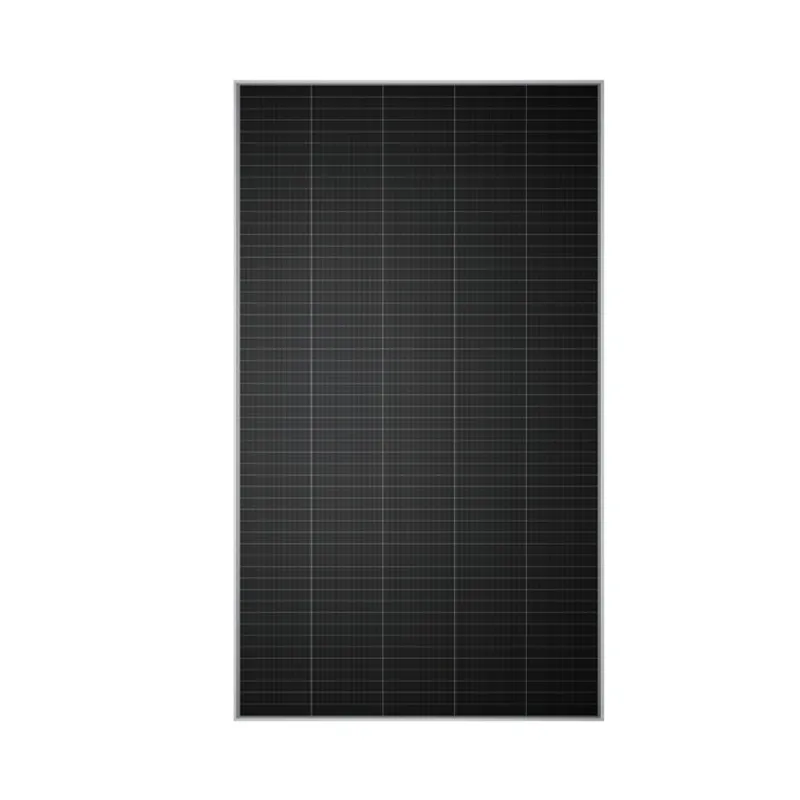
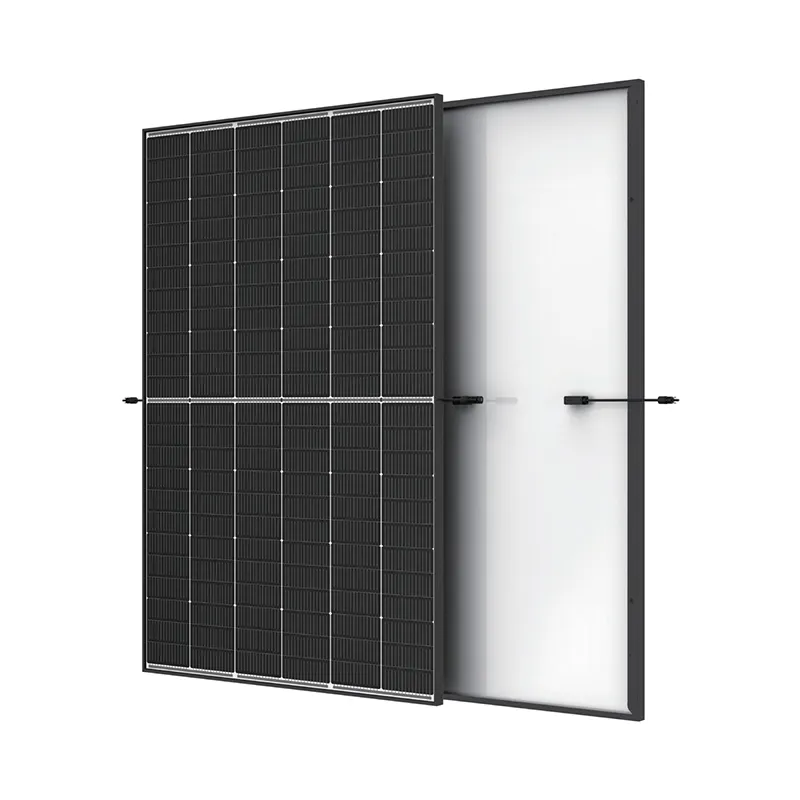
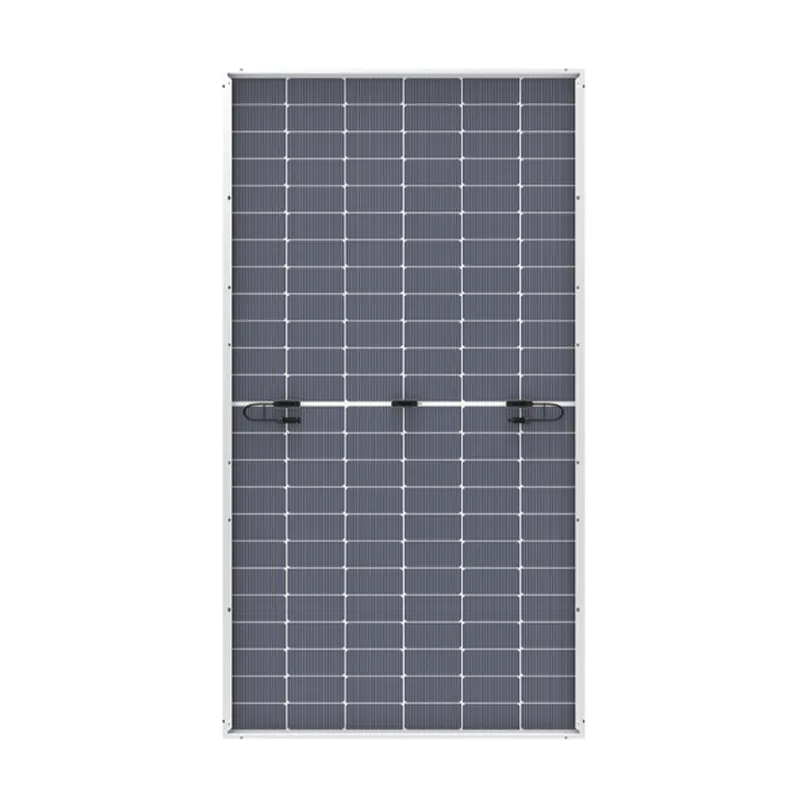
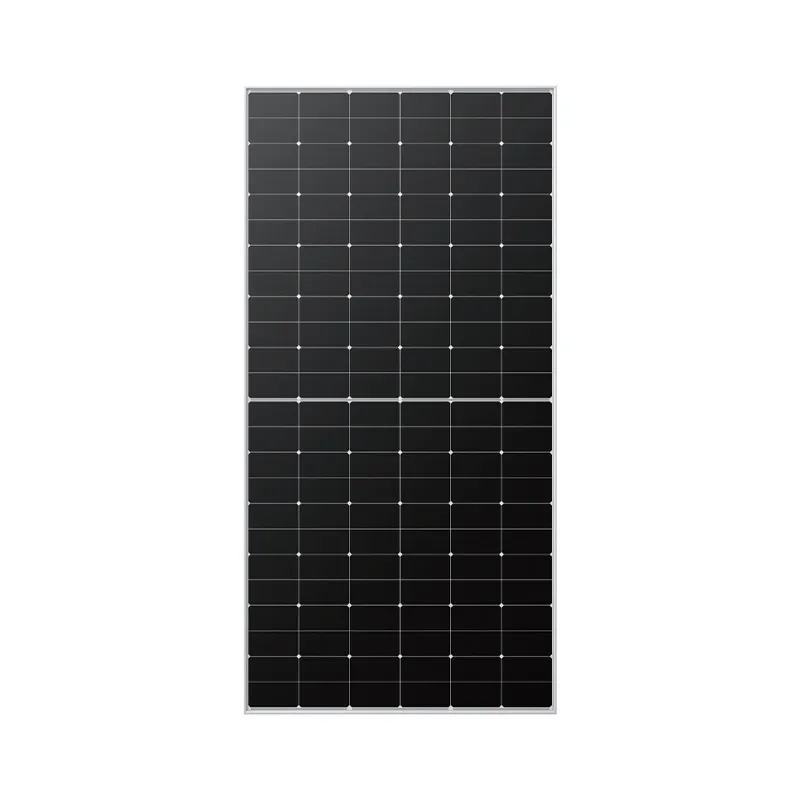
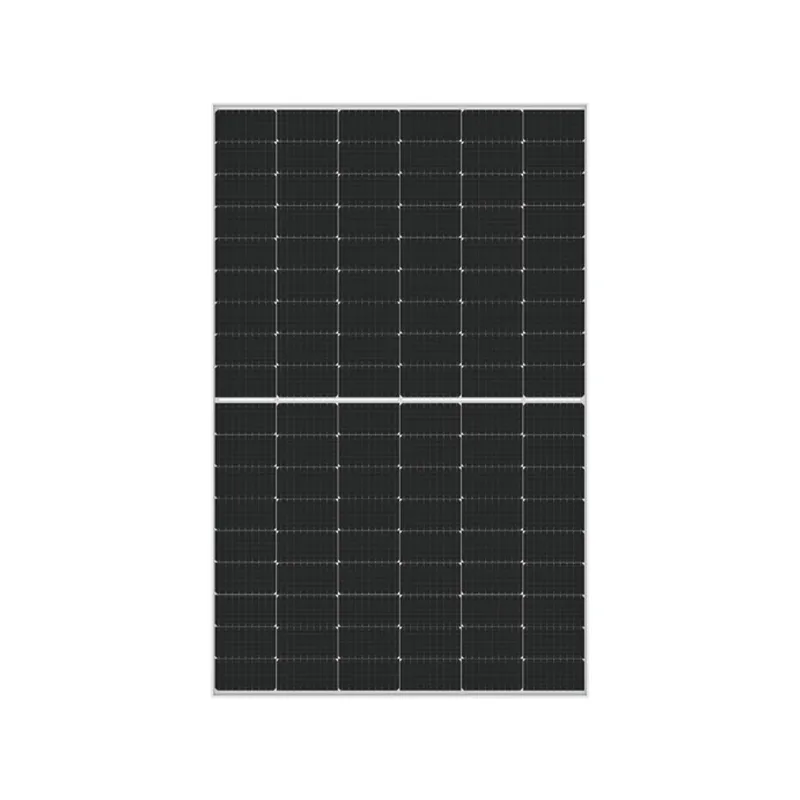
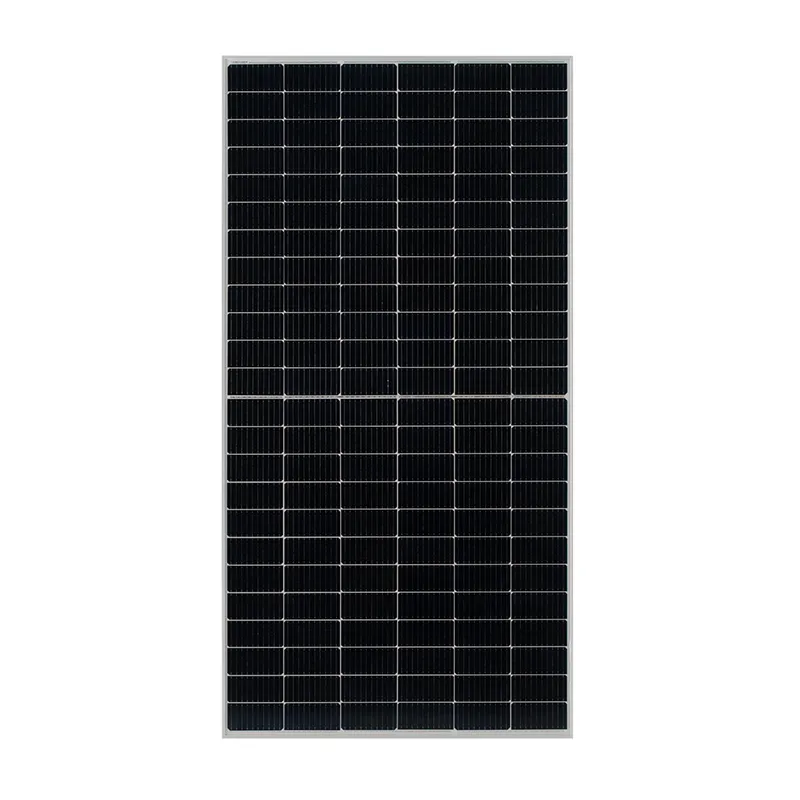
So, what is a 325-watt panel, in real terms? Well, it means the panel, under Standard Test Conditions (STC – that’s important to remember!), will generate 325 watts of power at peak sunlight. But size matters. Typically, these panels are around 65.7 inches x 39.4 inches, which is… manageable. Not huge, not tiny. It’s a sweet spot, frankly, for a lot of commercial rooftops. They’re often built with 72 half-cut cells, which boosts efficiency and reduces the impact of shading. I’ve seen some impressive testing data from Benjiu – their panels consistently outperform similar models in low-light conditions, which is a big deal. Here are some core specs:
| Specification | Value | Notes |
|---|---|---|
| Rated Power | 325W | STC |
| Voltage at Pmax | 35V | |
| Current at Pmax | 9.29A | |
| Panel Dimensions | 1663mm x 997mm | (approx. 65.7" x 39.4") |
Where 325W Panels Shine: Benefits & Use Cases
You see these panels everywhere – commercial rooftops, ground-mounted arrays, even integrated into building facades. They’re versatile. They're a solid fit for industries like manufacturing, warehousing, agriculture… really, anywhere with significant energy needs and available roof space. Oddly enough, I was talking to an engineer at a food processing plant last month, and he said they reduced their energy costs by almost 40% after switching to a solar array using these types of panels. The predictable energy generation helps with budgeting, which is a huge win for businesses. Plus, the lower energy bills free up capital for other investments. Here's a quick look at how Benjiu stacks up against some competitors:
| Vendor | Efficiency | Warranty (Product) | Price (approx.) |
|---|---|---|---|
| Benjiu Solar | 20.5% | 12 Years | $0.25/Watt |
| JA Solar | 19.8% | 10 Years | $0.28/Watt |
| Canadian Solar | 20.1% | 12 Years | $0.27/Watt |
Cost, Maintenance & Long-Term Value
Okay, so the upfront cost is obviously a consideration. But you need to look at the Total Cost of Ownership (TCO). These panels are durable, designed to withstand harsh weather conditions, and Benjiu’s warranty is pretty solid. Maintenance is minimal – generally, just periodic cleaning to remove dust and debris. Many engineers say that proper installation is the biggest factor in long-term performance. You know, ensuring good ventilation, proper grounding… the basics. I suppose it's not glamorous, but it’s crucial. Benjiu offers support with installation guidance and system design, which is a huge plus.
Sustainability & The Growing Solar Market
The shift towards renewable energy is undeniable. Regulations are tightening, incentives are becoming more favorable, and businesses are increasingly prioritizing sustainability. It feels like a genuine turning point. Solar is no longer just a feel-good initiative; it’s a smart business decision. The price of solar has plummeted in recent years, making it competitive with traditional energy sources. And with companies like Benjiu focusing on innovation and quality, the future looks bright, quite literally.
Frequently Asked Questions about 325 Watt Solar Panel Size
- What is 325 Watt Solar Panel Size and how does it work?
- A 325-watt solar panel is designed to generate 325 watts of DC electricity under standard testing conditions. It works by converting sunlight into electricity through the photovoltaic effect, using semiconductor materials within the panel's cells.
- What are the main benefits of using 325 Watt Solar Panel Size in industrial applications?
- Key benefits include reduced energy costs, increased energy independence, a lower carbon footprint, and potential tax incentives. Their relatively compact size also makes them versatile for different roof types.
- How does 325 Watt Solar Panel Size compare to traditional alternatives?
- Compared to fossil fuels, solar energy is a cleaner, renewable resource. Compared to older solar technologies, 325-watt panels offer increased efficiency and power output per square foot.
- What industries can benefit most from 325 Watt Solar Panel Size implementation?
- Industries with high energy consumption, such as manufacturing, agriculture, logistics, and data centers, can significantly benefit from implementing 325-watt solar panels to reduce operational costs and enhance sustainability.
In Conclusion: A Smart Investment for the Long Haul
Ultimately, choosing the right solar panel isn't just about the initial price tag. It’s about reliability, performance, and a partner who understands your needs. Benjiu Solar, with their focus on quality and customer support, appears to be a strong contender. Learn more at https://www.benjiusolar.com.
-
Designing a Modern Home Roof Made Out of Solar Panels GuideNewsApr.16,2026
-
Guide to the Size of 150 Watt Solar Panel for Your ProjectNewsApr.09,2026
-
Understanding the Dimensions and Applications of a 200W Solar PanelNewsApr.07,2026
-
Understanding the Dimensions and Factors of a 330W Solar Panel SizeNewsApr.04,2026
-
Understanding the Size and Dimensions of a 4kW Solar Panel System for Your HomeNewsMar.31,2026
-
Comprehensive Guide to Sizing Your Solar System for Optimal Energy ProductionNewsMar.28,2026