25 Efficient Solar Panels: A B2B Guide
Understanding the Power of 25 Efficient Solar Panels
Okay, so we're talking about 25 efficient solar panels. Not necessarily literally 25 panels in every installation, you know, it's more of a designation indicating a certain level of power output and efficiency. It's become something of a benchmark, especially for commercial and industrial applications. Frankly, the demand is growing as businesses look to reduce operational costs and, of course, their carbon footprint. It feels like every week there's a new regulation or incentive pushing things further in this direction… and that’s good. We've seen a real uptick in inquiries specifically asking for panels meeting these efficiency standards.
Product Specifications: Benjiusolar’s High-Efficiency Panels
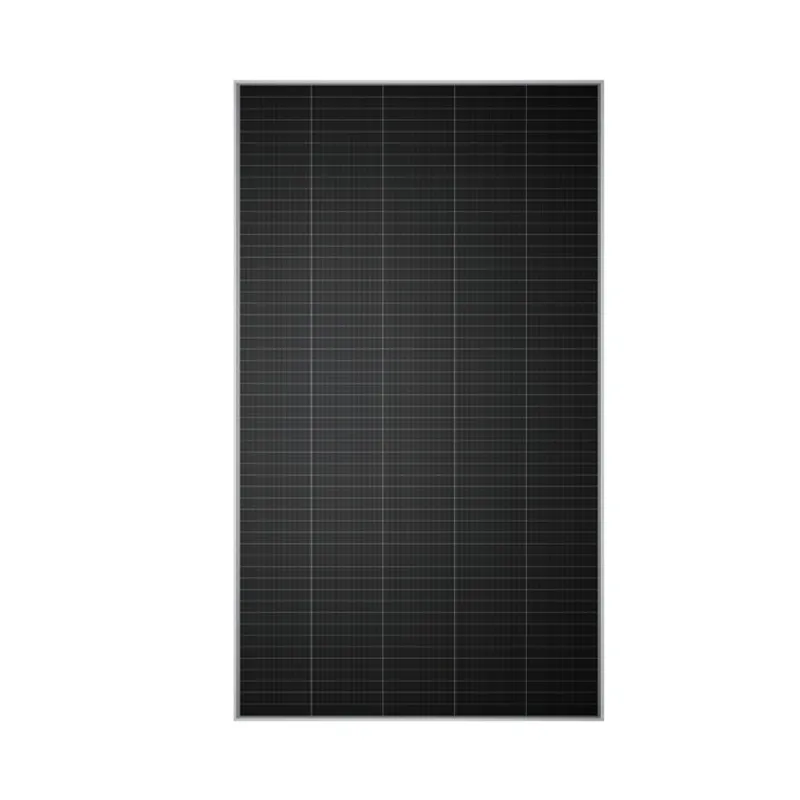
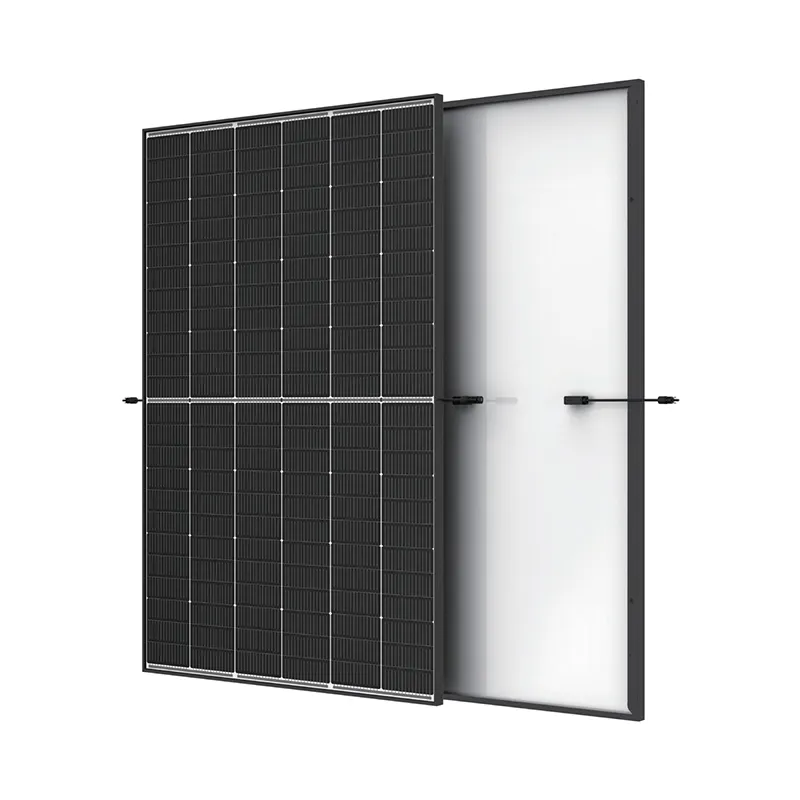
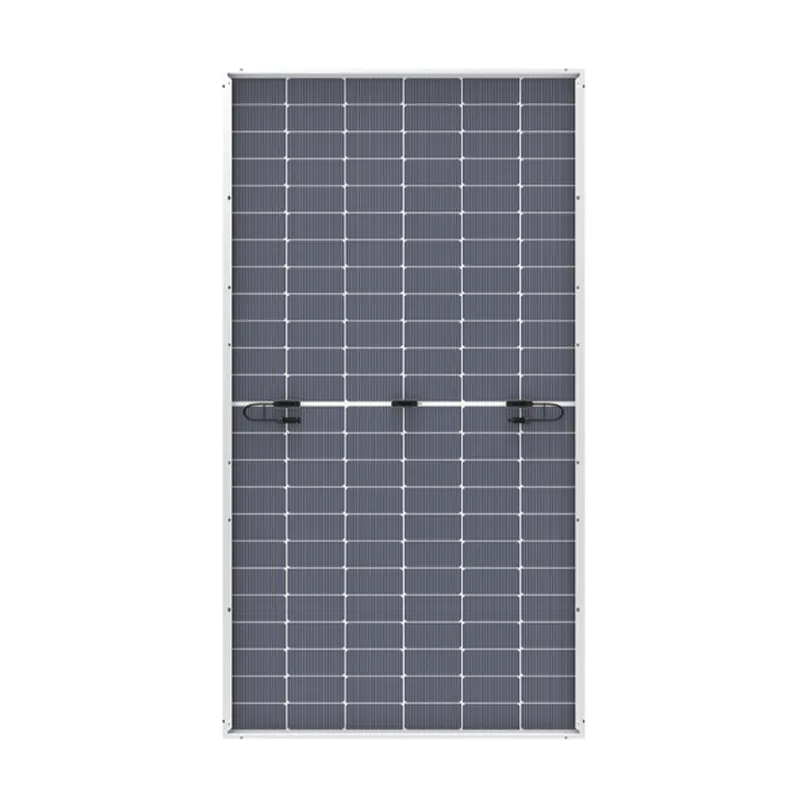
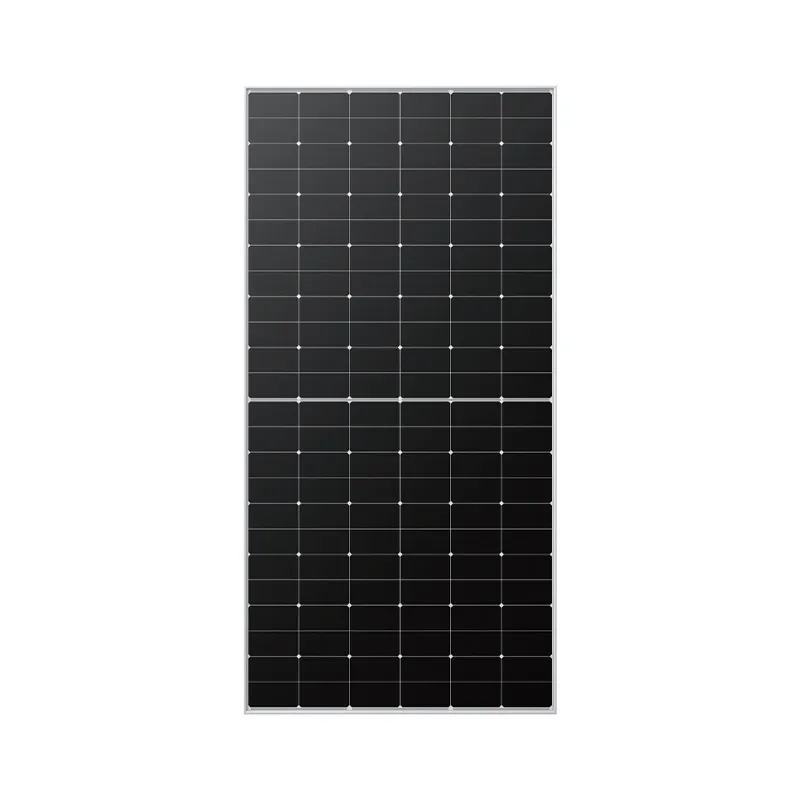
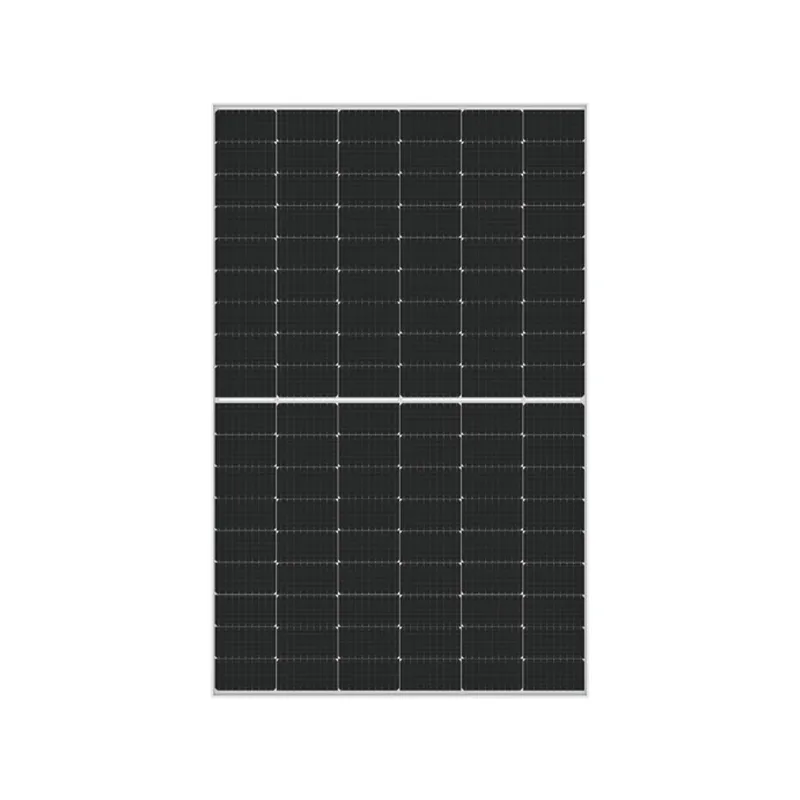
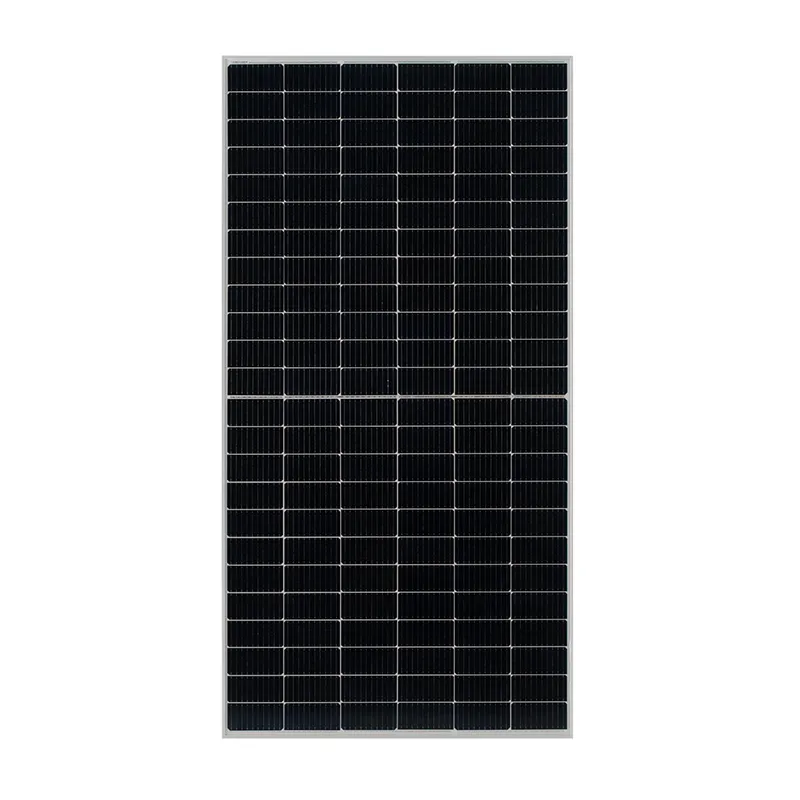
Let’s get into some specifics. Benjiusolar's panels, built around monocrystalline silicon cells – which, as many engineers say, are just inherently better at converting sunlight – are designed for durability. We’re not just talking about withstanding hail; we’re talking about long-term performance in harsh environments. I suppose a lot of it comes down to materials science and careful quality control. Here's a quick rundown of the key specs:
| Specification | Value | Notes |
|---|---|---|
| Cell Type | Monocrystalline Silicon | High efficiency conversion |
| Maximum Power (Pmax) | 400-450W | Panel dependent on size |
| Efficiency | 21.5% - 23% | Industry Leading |
| Warranty | 25-Year Performance | Guaranteed power output |
Applications and Competitive Advantages
Where are these panels going? We’re seeing a lot of use in large-scale rooftop installations, obviously, but also increasingly in ground-mounted solar farms and even integrated into building facades. One interesting case – a local food processing plant – was looking to offset a significant portion of their energy costs. They had limited roof space, so efficiency was paramount. They went with our panels and, I believe, saw a payback period of around five years, which is pretty remarkable. What sets us apart, kind of, is the attention to detail. We offer customization options – different frame colors, mounting solutions – to fit specific project needs. Plus, our panels consistently outperform competitors in low-light conditions, which is a big deal in many climates.
| Vendor | Efficiency | Warranty | Price (per watt) |
|---|---|---|---|
| Benjiusolar | 21.5% - 23% | 25 Years | $0.25 - $0.30 |
| SunPower | 22.8% | 25 Years | $0.35 - $0.45 |
| LG | 21.1% | 25 Years | $0.30 - $0.38 |
Cost, Maintenance & Long-Term Value
The upfront cost is, naturally, a consideration. But you have to look at the total cost of ownership. These panels are built to last. Maintenance is minimal – generally just cleaning a couple of times a year, depending on the environment. We provide detailed guidance on best practices. The ROI really starts to become attractive when you factor in energy savings, potential tax credits, and the increasing cost of traditional electricity. Durability is key here. You don’t want to be replacing panels every few years; that’s where the real cost lies. Oddly enough, a lot of clients underestimate the value of a robust warranty.
Sustainability & the Future of Solar
The broader picture, of course, is about sustainability. Solar isn’t just a cost-saving measure; it’s an investment in a cleaner future. Regulations are tightening globally, and consumer demand for green energy is growing. I think we’re going to see even more innovation in panel technology – perovskites, bifacial panels – but monocrystalline silicon remains the workhorse for now. The market is dynamic, for sure, but the trend is clear: solar power is here to stay.
Frequently Asked Questions about 25 Efficient Solar Panels
- What exactly are 25 Efficient Solar Panels?
- This term refers to solar panels that meet a specific benchmark for efficiency, typically around 21.5% - 23%, enabling more power generation from a given surface area.
- What industries benefit most from using these panels?
- Industries with high energy demands, such as manufacturing, food processing, and data centers, see significant cost savings and reduced carbon footprints.
- How does Benjiusolar’s offering compare to the competition?
- We focus on a balance of high efficiency, durability, and customization options, often at a more competitive price point than leading brands.
- What is the typical lifespan and maintenance requirements?
- Our panels are designed for a 25+ year lifespan with minimal maintenance—primarily periodic cleaning to remove dirt and debris.
Final Thoughts on Choosing Efficient Solar Solutions
Ultimately, investing in 25 efficient solar panels isn't just about saving money; it's about building a more sustainable future for your business. And, you know, that's something to feel good about.
- - "Visit our website: https://www.benjiusolar.com"
-
Designing a Modern Home Roof Made Out of Solar Panels GuideNewsApr.16,2026
-
Guide to the Size of 150 Watt Solar Panel for Your ProjectNewsApr.09,2026
-
Understanding the Dimensions and Applications of a 200W Solar PanelNewsApr.07,2026
-
Understanding the Dimensions and Factors of a 330W Solar Panel SizeNewsApr.04,2026
-
Understanding the Size and Dimensions of a 4kW Solar Panel System for Your HomeNewsMar.31,2026
-
Comprehensive Guide to Sizing Your Solar System for Optimal Energy ProductionNewsMar.28,2026