Solar panel size is a critical factor in determining the efficiency and cost-effectiveness of solar energy systems. Understanding the nuances of solar panel dimensions – length, width, and overall area – is paramount for optimizing energy production, space utilization, and project feasibility. This understanding extends beyond simply choosing a panel; it impacts installation methods, system design, and ultimately, the return on investment for both residential and commercial applications.
The global shift towards renewable energy sources, driven by climate change concerns and decreasing technology costs, has significantly increased demand for solar power. According to the International Energy Agency (IEA), solar photovoltaic (PV) capacity is projected to grow exponentially in the coming decades, becoming a dominant player in the global energy mix. This growth necessitates a deeper understanding of how various solar panel sizes impact performance and integration into diverse environments.
Optimizing solar panel size isn’t merely a technical consideration; it's an economic and logistical one as well. From large-scale solar farms to residential rooftop installations, selecting the appropriate size contributes directly to maximizing energy output within spatial constraints, minimizing installation costs, and ensuring long-term system reliability.
Introduction to Solar Panel Size
Solar panel size, encompassing both physical dimensions and power output, is a cornerstone of efficient solar energy harvesting. Choosing the correct solar panel size requires a balance between space constraints, energy needs, and budget limitations. A thorough understanding of these factors is crucial for maximizing the benefits of solar power.
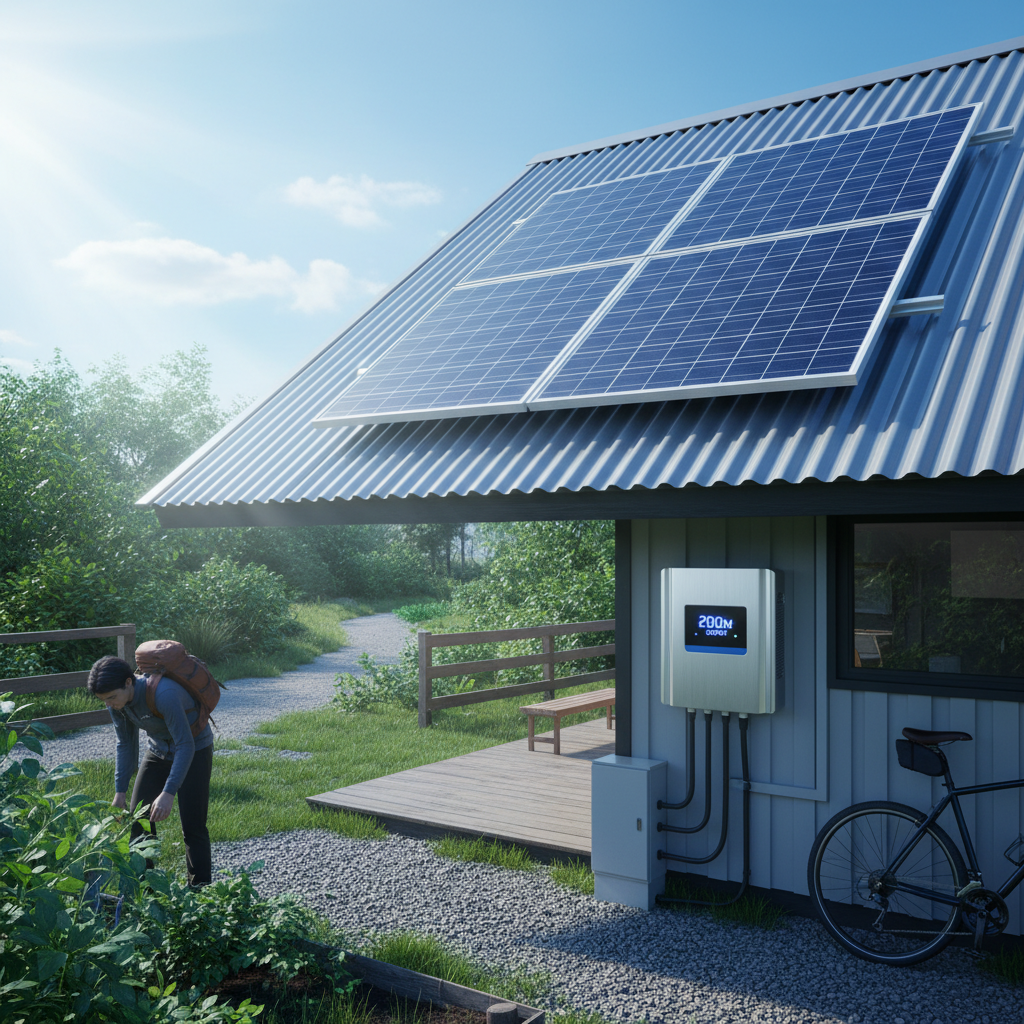
Different applications demand different panel sizes. A large-scale solar farm will prioritize maximizing power density per unit area, potentially opting for higher-efficiency, smaller-sized panels. Conversely, a residential installation might prioritize affordability and ease of installation, leading to the selection of larger, more cost-effective panels.
Defining Solar Panel Size
Solar panel size isn’t simply about physical dimensions (length and width). It's inextricably linked to the panel’s power output, typically measured in watts (W). A panel’s size, coupled with its efficiency (the percentage of sunlight converted into electricity), dictates how much energy it can generate. Standard residential solar panels often range from 300W to 450W, while commercial-grade panels can exceed 500W.
The connection to modern industry is evident in the drive towards higher-efficiency panels. Manufacturers constantly strive to increase power output without significantly increasing panel size, leading to innovations in cell technology and panel construction. This is especially critical in urban environments where rooftop space is limited.
Understanding the relationship between solar panel size and power output is vital for accurately estimating energy production and designing solar systems that meet specific energy demands. Resources like solar panel size calculators can aid in this process.
Key Factors Influencing Solar Panel Size
Several key factors determine the optimal solar panel size for a given application. These include the available space, the desired power output, the type of solar cells used, and the overall system efficiency. Balancing these factors is crucial for creating a cost-effective and high-performing solar energy system.
The type of solar cell significantly impacts panel size and efficiency. Monocrystalline panels, known for their high efficiency, can generate more power from a smaller surface area compared to polycrystalline panels, which are generally more affordable but less efficient. Thin-film panels offer flexibility in size and shape but typically have lower efficiency rates.
Furthermore, environmental conditions, such as shading and temperature, can affect a panel's performance. Properly accounting for these factors during the system design process helps ensure optimal energy production and longevity of the solar panels.
Applications of Different Solar Panel Sizes
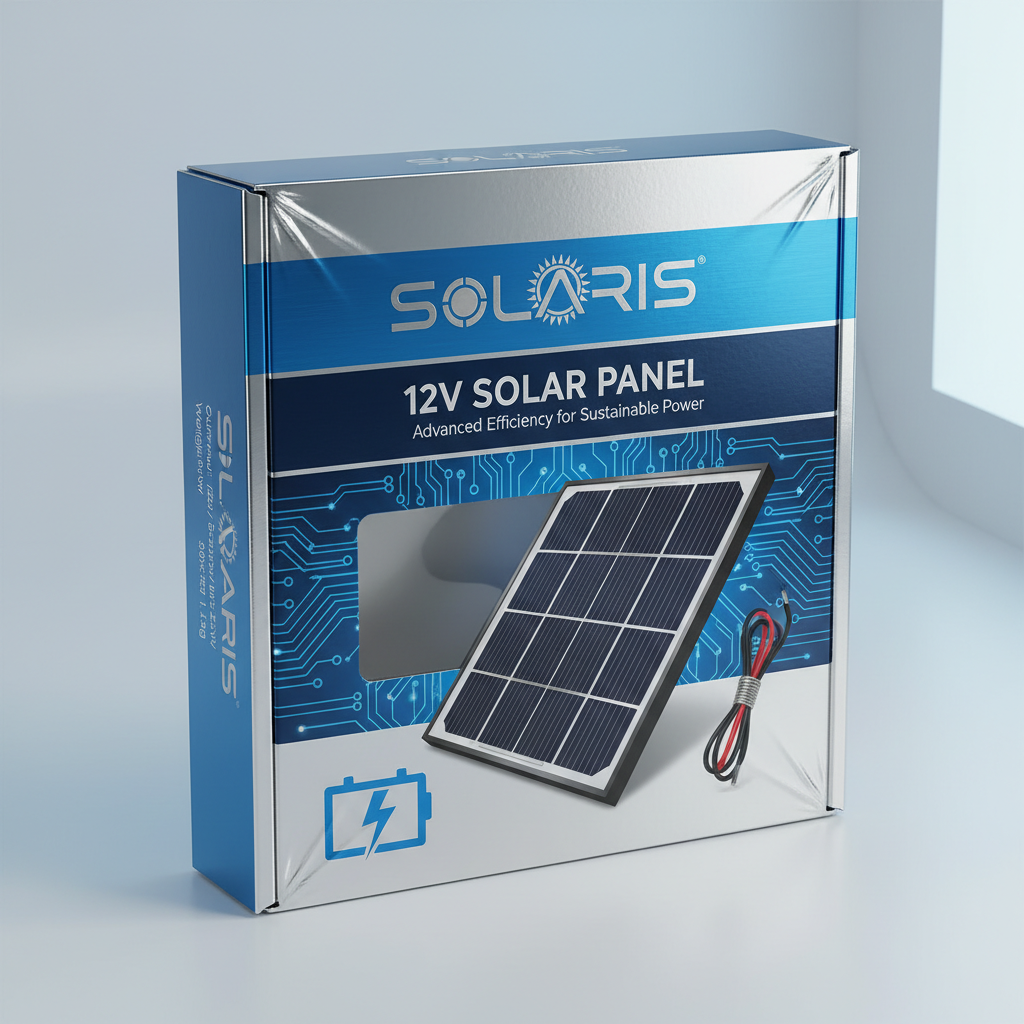
The applications of different solar panel sizes are diverse, ranging from small-scale residential systems to large-scale utility projects. Smaller panels are often used in portable solar chargers and off-grid applications where portability is key. Larger panels are preferred for maximizing energy production in areas with ample space, like solar farms and industrial facilities.
In post-disaster relief operations, smaller, portable solar panels provide critical power for communication and essential services. In remote industrial zones, larger panels can power off-grid operations, reducing reliance on expensive and polluting diesel generators. The adaptability of solar panel sizes makes them an invaluable asset in a wide range of scenarios.
Solar Panel Size Comparison by Application
Advantages of Optimized Solar Panel Size
Optimizing solar panel size delivers a multitude of advantages, spanning economic, environmental, and social benefits. Correctly sizing a system maximizes energy production, reduces waste, and lowers the overall cost of solar energy.
From a sustainability standpoint, efficient solar energy systems contribute to reducing carbon emissions and mitigating climate change. The long-term reliability of well-sized systems ensures a consistent and sustainable energy source, promoting energy independence and reducing reliance on fossil fuels.
Future Trends in Solar Panel Size
The future of solar panel size is likely to be shaped by advancements in materials science, nanotechnology, and panel manufacturing techniques. We can expect to see continued development of higher-efficiency panels with smaller footprints, enabling greater energy production from limited spaces.
Furthermore, integrated solar solutions, such as building-integrated photovoltaics (BIPV), are gaining traction. These technologies seamlessly incorporate solar panels into building materials, maximizing energy harvesting potential without requiring dedicated space.
Digital transformation and automation will also play a role, with sophisticated software and robotic manufacturing processes enhancing precision and reducing production costs, ultimately leading to more affordable and accessible solar energy solutions.
Challenges and Solutions Related to Solar Panel Size
Despite advancements, challenges remain in optimizing solar panel size. Space limitations, particularly in urban areas, can hinder the installation of large-scale systems. The initial cost of high-efficiency panels can also be a barrier for some consumers.
Innovative solutions are emerging to address these challenges. Flexible solar panels, which can conform to irregular surfaces, offer greater installation versatility. Government incentives and financing options can help reduce the upfront cost of solar energy systems.
Research into new materials, such as perovskites, promises to deliver even higher efficiencies at lower costs, further driving the adoption of solar energy.
Summary of Challenges and Solutions Regarding Solar Panel Size
| Challenge |
Impact on Solar Panel Size |
Potential Solution |
Effectiveness Score (1-10) |
| Limited Rooftop Space |
Requires higher efficiency panels per unit area. |
Utilize high-efficiency monocrystalline panels or BIPV. |
8 |
| High Initial Cost |
May limit the size or quality of the installed system. |
Government incentives, financing options, and reduced manufacturing costs. |
7 |
| Shading Issues |
Reduced energy production from shaded panels, necessitating careful sizing and placement. |
Microinverters or power optimizers to maximize output from each panel. |
9 |
| Aesthetic Concerns |
Resistance to installing panels due to visual impact. |
BIPV and aesthetically pleasing panel designs. |
6 |
| Complex Installation |
Increased labor costs and potential for errors. |
Standardized panel sizes and simplified installation techniques. |
7 |
| Material Degradation |
Reduced panel efficiency over time. |
Advanced materials and protective coatings. |
8 |
FAQS
The ideal size depends on your energy consumption and roof space. A typical home requires between 5kW and 10kW of solar capacity. This translates to roughly 10-20 solar panels, each around 300-400W. A professional assessment is crucial to determine the optimal size for your specific needs, considering factors like shading and orientation.
Generally, larger systems (requiring more panels) will have a higher upfront cost. However, the cost per watt often decreases with larger system sizes due to economies of scale. High-efficiency panels, while smaller in size for a given wattage, tend to be more expensive than lower-efficiency options. It’s a trade-off between cost and space.
While technically possible, it’s generally not recommended to mix panels with significantly different power outputs. Doing so can create imbalances within the system, reducing overall efficiency and potentially causing compatibility issues with the inverter. Using panels with similar characteristics ensures optimal performance.
Shading significantly reduces solar panel output. If your roof experiences shading during peak sunlight hours, you'll need to install more panels to compensate for the lost production. Microinverters or power optimizers can mitigate the impact of shading by maximizing output from each individual panel, but may still necessitate a larger overall system size.
Solar panel efficiency decreases as temperature increases. While panel size remains constant, the power output will be reduced on hot days. Most panels are rated under Standard Test Conditions (STC) of 25°C (77°F). System designers account for temperature variations when estimating energy production, and sometimes larger panel arrays are used to compensate for thermal losses.
Smaller, high-efficiency panels are beneficial when roof space is limited. They generate more power per square foot, allowing you to maximize energy production within a constrained area. While generally more expensive per watt, they can reduce the overall number of panels required, potentially lowering installation costs and improving aesthetics.
Conclusion
In conclusion, solar panel size is a multifaceted consideration deeply interwoven with energy needs, spatial constraints, and technological advancements. A comprehensive understanding of the factors influencing optimal size – power output, efficiency, cost, and environmental conditions – is paramount for maximizing the benefits of solar energy. From residential rooftops to large-scale solar farms, selecting the appropriate panel size is a crucial step towards a sustainable and energy-independent future.
Looking ahead, continued innovation in materials science and manufacturing processes will undoubtedly lead to even more efficient and versatile solar panels. We encourage you to explore the possibilities of solar energy and to consult with professionals to determine the ideal solar panel size for your specific application. Visit our website at Benjiusolar.com to learn more.