Foldable solar panels represent a dynamic and rapidly evolving technology poised to revolutionize access to renewable energy. Their portability, ease of deployment, and increasing efficiency make them ideal for a broad spectrum of applications, from disaster relief and outdoor recreation to off-grid power solutions and even powering remote industrial operations. Understanding the nuances of these panels – their construction, capabilities, and limitations – is crucial as we move towards a more sustainable energy future.
Globally, the demand for off-grid power is surging, driven by population growth in remote areas, increasing instances of natural disasters disrupting traditional power grids, and a growing desire for self-sufficiency and reduced carbon footprints. Foldable solar panel technology directly addresses this need, offering a versatile and readily available energy source where conventional infrastructure is lacking or unreliable. This is particularly critical in developing nations where access to electricity remains a significant challenge.
The appeal of foldable solar panels isn’t solely based on practicality; their inherent sustainability and contribution to a greener planet resonate strongly with individuals and organizations alike. As concerns over climate change intensify, the search for innovative and accessible renewable energy solutions, like the versatile foldable solar panel, will continue to drive market growth and technological advancement.
Introduction to Foldable Solar Panel Technology
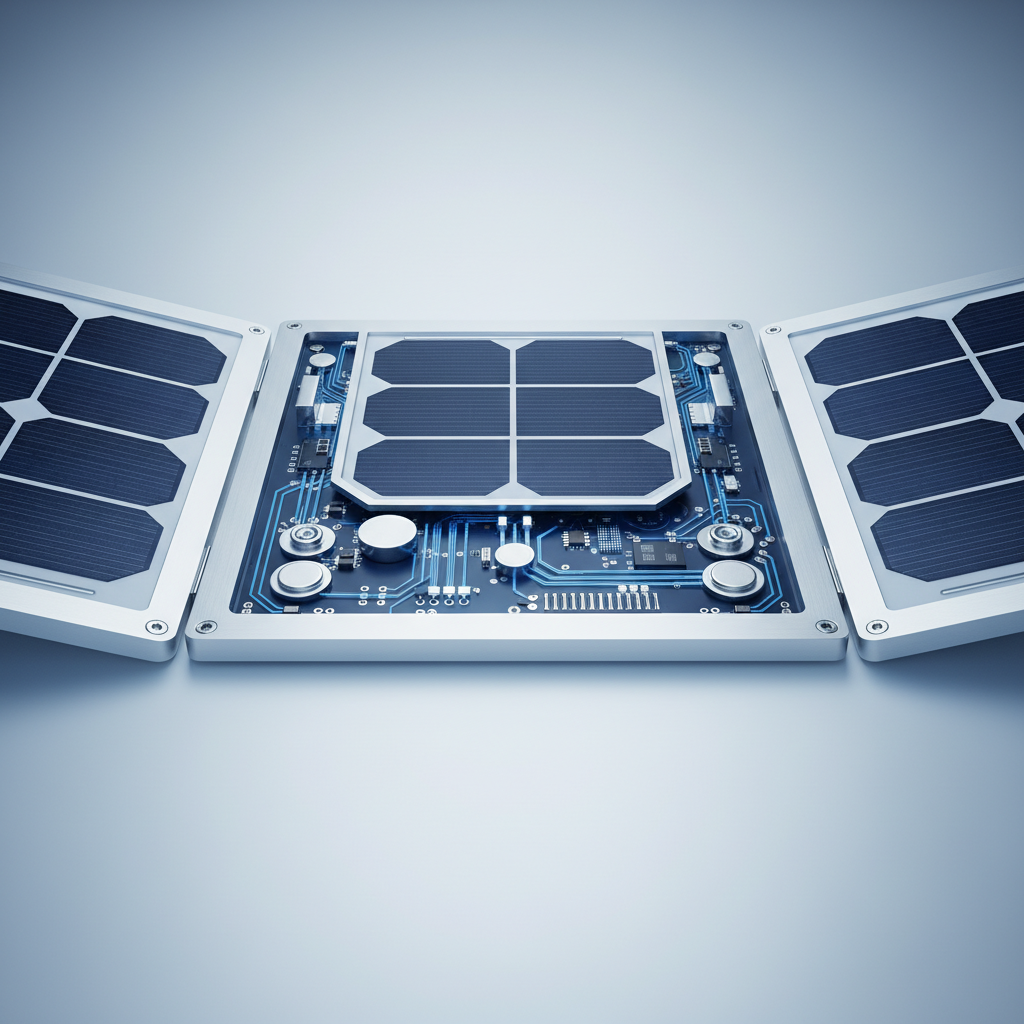
Foldable solar panels are characterized by their flexible solar cells embedded within a lightweight, durable material, allowing them to be rolled or folded for easy transport and storage. This characteristic differentiates them significantly from traditional rigid solar panels, making them ideally suited for applications where portability is paramount. Their design also minimizes the risk of damage during transport and handling, adding to their long-term value.
The core innovation lies in the use of thin-film solar cells, often based on materials like amorphous silicon, cadmium telluride, or copper indium gallium selenide (CIGS). These materials are significantly more flexible and lightweight than the crystalline silicon used in traditional panels, allowing for the creation of foldable designs. These materials have a crucial impact on the cost and effectiveness of the foldable solar panel.
Defining Foldable Solar Panels
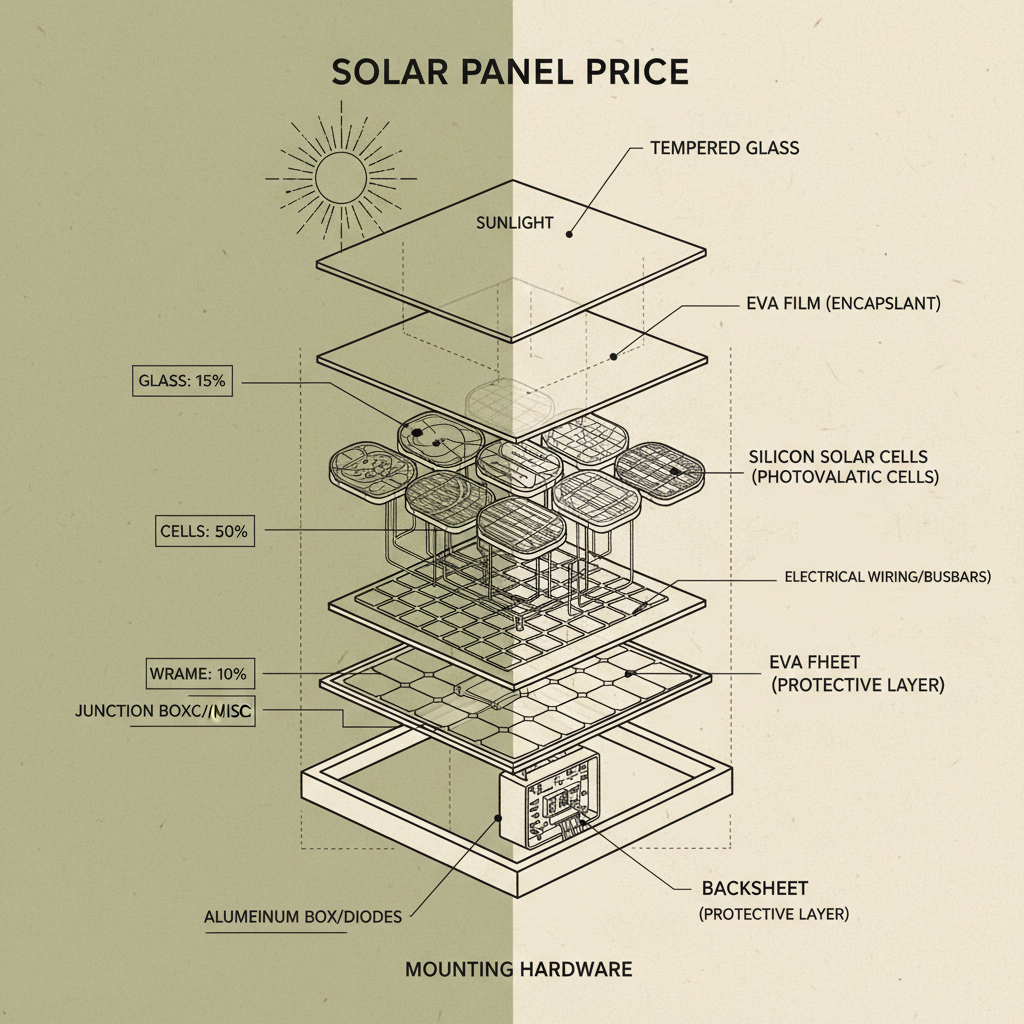
At their most basic, foldable solar panels are portable photovoltaic (PV) devices designed to convert sunlight directly into electricity. Unlike fixed installations, they prioritize mobility and adaptability. They are typically constructed using flexible solar cells interconnected and encapsulated within a protective, foldable substrate, such as fabric or plastic. This design facilitates easy deployment in a wide range of environments.
The connection to modern industry is particularly strong in sectors like outdoor recreation (camping, hiking, boating), emergency preparedness, and remote fieldwork. Humanitarian organizations increasingly rely on foldable solar panels to provide power in disaster zones and refugee camps, offering a sustainable and independent energy source where grid access is unavailable.
They represent a critical component in bridging the energy gap, offering a tangible solution to global energy access challenges. The inherent flexibility of these panels opens doors for integration into diverse applications, showcasing their relevance in both developed and developing nations.
Key Factors Influencing Performance
Several factors dictate the performance and suitability of a foldable solar panel. Efficiency is paramount, determining how effectively the panel converts sunlight into usable electricity. This is directly tied to the type of solar cell used (e.g., CIGS generally has higher efficiency than amorphous silicon). The higher the efficiency, the less surface area required to generate a given amount of power.
Durability is crucial, particularly for applications involving rough handling or exposure to harsh environmental conditions. The quality of the encapsulation materials and the substrate plays a significant role in protecting the delicate solar cells from damage caused by moisture, UV radiation, and physical stress. A robust foldable solar panel should withstand repeated folding and unfolding without significant performance degradation.
Weight and Portability are defining characteristics. The lighter the panel, the easier it is to transport and deploy, making it ideal for backpacking, camping, or emergency situations. Cost-Effectiveness impacts accessibility. Balancing performance with price point is critical to ensure widespread adoption. Scalability refers to the ability to connect multiple panels to increase power output, catering to larger energy demands. Finally, Weather Resistance is vital – panels should perform reliably in various climatic conditions, including rain, wind, and high temperatures.
Real-World Applications of Foldable Solar Panels
The applications of foldable solar panels are remarkably diverse. In Disaster Relief Operations, they provide immediate power for communication devices, medical equipment, and lighting in areas where the grid has been compromised. In Remote Industrial Zones – such as mining operations or construction sites – they offer a cost-effective and sustainable alternative to diesel generators.
Outdoor Recreation enthusiasts – campers, hikers, and boaters – utilize them to charge electronic devices, power portable appliances, and maintain connectivity in off-grid locations. Military and Security Forces employ them for powering surveillance equipment, communication systems, and mobile command centers in remote areas. Furthermore, they are increasingly being integrated into Electric Vehicles as auxiliary charging sources, extending range and reducing reliance on traditional charging infrastructure.
Foldable Solar Panel Application Breakdown
Advantages and Long-Term Value Proposition
The advantages of adopting foldable solar panels are numerous and far-reaching. Cost Savings are significant, particularly in off-grid scenarios where reliance on fossil fuels is minimized or eliminated. Sustainability is at the core, reducing carbon emissions and promoting environmentally responsible energy consumption. The inherent Reliability – minimal moving parts translate to lower maintenance requirements and extended operational lifespan – is a crucial benefit.
Beyond the tangible benefits, foldable solar panels empower individuals and communities with Energy Independence, fostering self-reliance and resilience. This contributes to improved Quality of Life, particularly in remote or underserved areas. From a societal perspective, they foster Innovation and drive the development of more sustainable technologies, building trust in renewable energy solutions.
Future Trends and Innovations
The future of foldable solar panel technology is brimming with potential. Research and development are focused on increasing Cell Efficiency through the exploration of perovskite materials and tandem cell designs. Integration with Energy Storage Systems – like advanced battery technologies – will become increasingly common, ensuring a consistent power supply even when sunlight is unavailable.
We will likely see wider adoption of Smart Panel Technologies – incorporating features like automated tracking systems, remote monitoring, and intelligent power management – optimizing energy capture and distribution. The convergence of green energy with Digital Transformation and Automation will further accelerate the evolution of these panels, making them more accessible, efficient, and user-friendly.
Challenges and Potential Solutions
Despite their many advantages, foldable solar panels face certain limitations. Lower Efficiency Compared to Traditional Panels remains a challenge, although advancements in materials science are steadily closing the gap. Degradation Over Time – due to exposure to UV radiation and environmental factors – can reduce performance, necessitating regular maintenance or replacement.
Cost Considerations – while prices are falling, foldable panels can still be more expensive upfront than some traditional options. Dependence on Sunlight – intermittency remains an inherent characteristic of solar power. Solutions include developing more durable encapsulation materials, incorporating advanced UV protection coatings, enhancing energy storage capabilities, and promoting standardized testing protocols to accurately assess long-term performance.
Summary of Challenges and Solutions for Foldable Solar Panels
| Challenge |
Impact on Performance |
Potential Solution |
Implementation Cost (1-10) |
| Lower Efficiency |
Reduced Power Output for Given Area |
Perovskite Cell Integration |
7 |
| UV Degradation |
Decreased Power Over Time |
Advanced UV Protective Coatings |
5 |
| High Initial Cost |
Barrier to Entry for Some Users |
Mass Production and Material Optimization |
6 |
| Intermittency of Sunlight |
Unreliable Power Supply |
Integrated Battery Storage Solutions |
8 |
| Physical Durability |
Damage during transport/use |
Reinforced Substrate Materials |
4 |
| Standardization of Testing |
Difficulty Comparing Panel Performance |
Industry-Wide Testing Protocols |
3 |
FAQS
The lifespan of a foldable solar panel typically ranges from 5 to 15 years, depending on the quality of materials, environmental conditions, and frequency of use. Higher-end panels utilizing more durable encapsulation and cell technologies will naturally last longer. Regular cleaning and proper storage when not in use can also significantly extend the panel's operational life. It’s important to note that performance gradually degrades over time, usually by around 0.5-1% per year.
While most foldable solar panels are designed to be water-resistant, they are not typically fully waterproof. They can withstand light rain and splashes, but prolonged exposure to heavy rain or submersion should be avoided. Look for panels with an IP65 or higher rating for better water resistance. It's always best to protect the panel from direct exposure to the elements when possible, especially during severe weather events.
The appropriate battery size depends on your power needs and the wattage of your foldable solar panel. Calculate your total daily energy consumption (in watt-hours) by adding up the wattage of all the devices you plan to power and their usage time. Then, choose a battery with sufficient capacity to store that energy. Consider a battery capacity of at least 1.5 to 2 times your daily energy usage to account for cloudy days and inefficiencies.
Yes, most foldable solar panels can be connected in parallel to increase the total amperage (current) or in series to increase the voltage. However, it's crucial to ensure that the panels have compatible voltage and amperage ratings. Using the wrong configuration can damage the panels or your connected devices. Always consult the manufacturer’s instructions and use appropriate connectors and adapters for safe and efficient operation.
Regular cleaning is essential for maintaining optimal performance. Use a soft cloth or sponge and mild soap and water to gently wipe down the panel surface. Avoid using abrasive cleaners or harsh chemicals. Inspect the panel regularly for any signs of damage, such as cracks or tears. Store the panel in a dry, shaded location when not in use. Follow the manufacturer’s specific maintenance recommendations for your model.
Foldable solar panels offer significant environmental benefits. They harness a clean, renewable energy source – sunlight – reducing reliance on fossil fuels and minimizing greenhouse gas emissions. They contribute to a smaller carbon footprint and promote sustainable energy practices. They are also a relatively quiet and non-polluting energy source compared to traditional generators. Furthermore, their portability supports off-grid solutions, reducing the need for extensive and environmentally disruptive grid infrastructure.
Conclusion
Foldable solar panels represent a powerful and versatile solution to the growing global demand for clean, portable, and reliable energy. Their adaptability, increasing efficiency, and decreasing costs are driving their adoption across a wide range of applications, from disaster relief and outdoor recreation to powering remote communities and industries. They embody the principles of sustainability and empower individuals and organizations to reduce their environmental impact.
As technology continues to advance, we can expect foldable solar panels to become even more efficient, durable, and affordable. Continued investment in research and development, coupled with supportive policies and consumer awareness, will be crucial in unlocking their full potential. Explore the possibilities and embrace the future of portable power with Benjiu Solar.