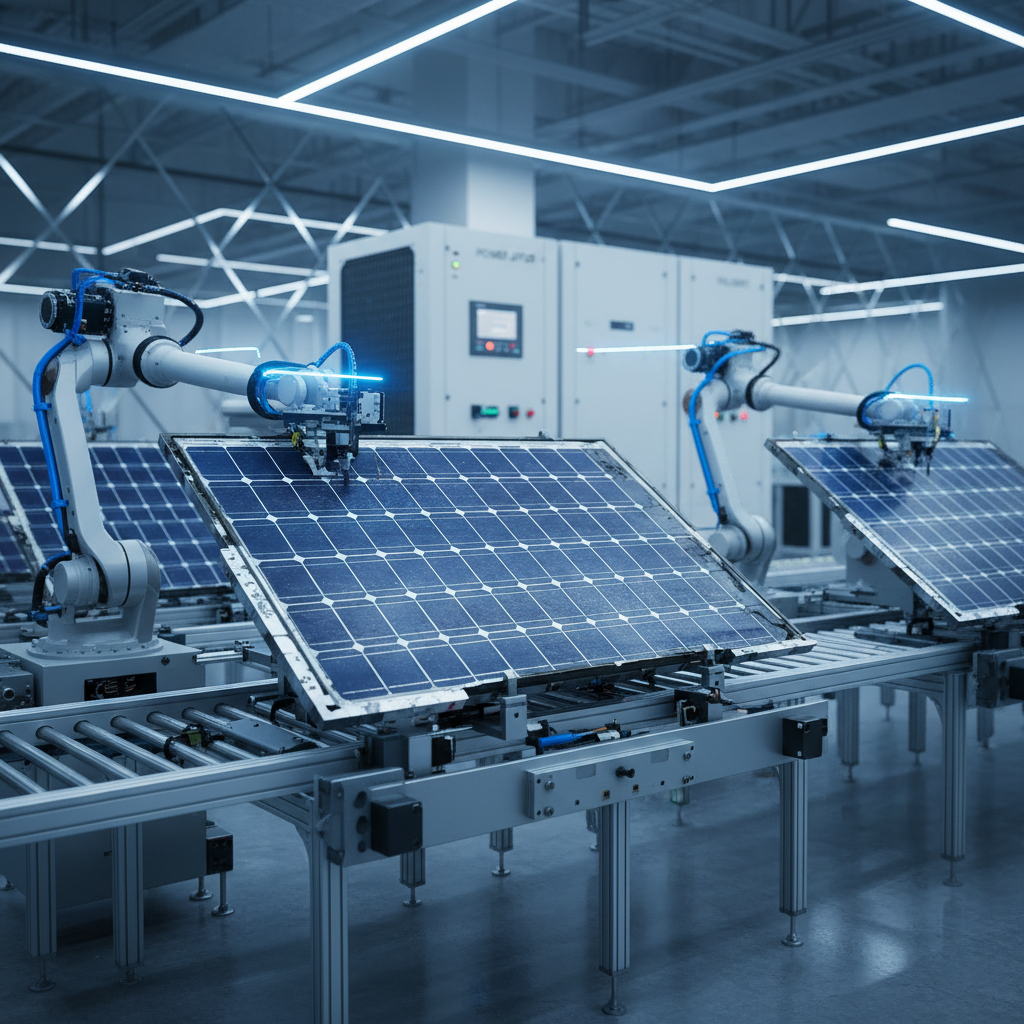
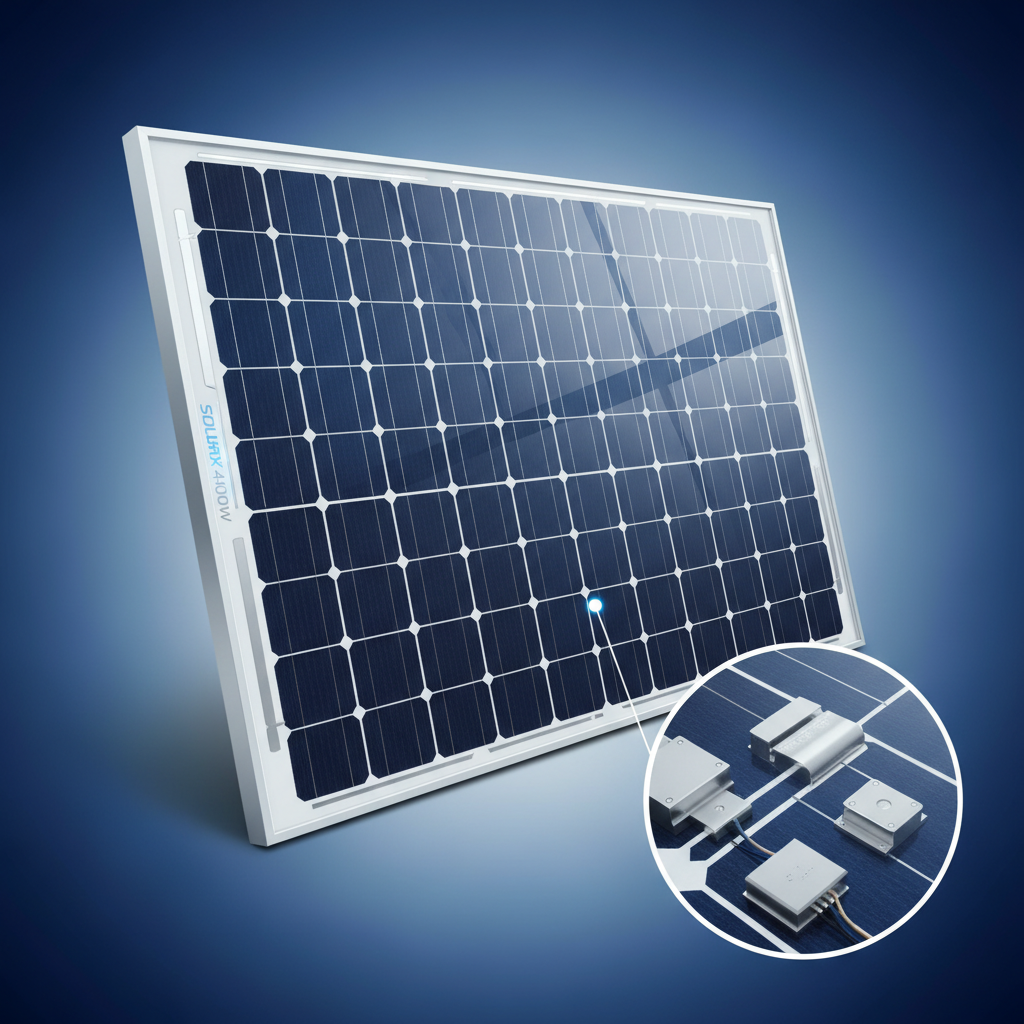
The world is increasingly focused on sustainable energy solutions, and a solar panel system stands at the forefront of this revolution. From powering remote villages to contributing to massive energy grids, solar technology is reshaping how we generate and consume electricity. Understanding the intricacies of these systems is crucial for individuals, businesses, and governments alike as we strive for a cleaner and more secure energy future.
The global demand for renewable energy sources, driven by concerns about climate change and diminishing fossil fuel reserves, is accelerating the adoption of solar panel systems. According to the International Energy Agency (IEA), solar power is now the cheapest source of electricity in many parts of the world. This makes it an economically viable solution for addressing energy poverty and reducing carbon emissions.
The benefits of a solar panel system extend beyond environmental considerations. They offer energy independence, reduced electricity bills, and the creation of new economic opportunities in manufacturing, installation, and maintenance. Continued innovation and decreasing costs are making solar energy accessible to a wider population than ever before.
The Rise of Solar Panel Systems
The adoption of solar panel systems has experienced exponential growth in recent decades. This is largely due to decreasing manufacturing costs, increased efficiency in photovoltaic technology, and growing awareness of the environmental impact of traditional energy sources. Governments around the globe are also incentivizing solar energy through tax credits, subsidies, and renewable energy mandates.
Initially, solar panel systems were primarily used in niche applications, such as powering satellites and remote communication devices. Today, they are integrated into residential rooftops, commercial buildings, and large-scale solar farms, demonstrating their versatility and scalability. This widespread adoption represents a significant shift towards a more decentralized and sustainable energy landscape.
Defining Solar Panel Systems
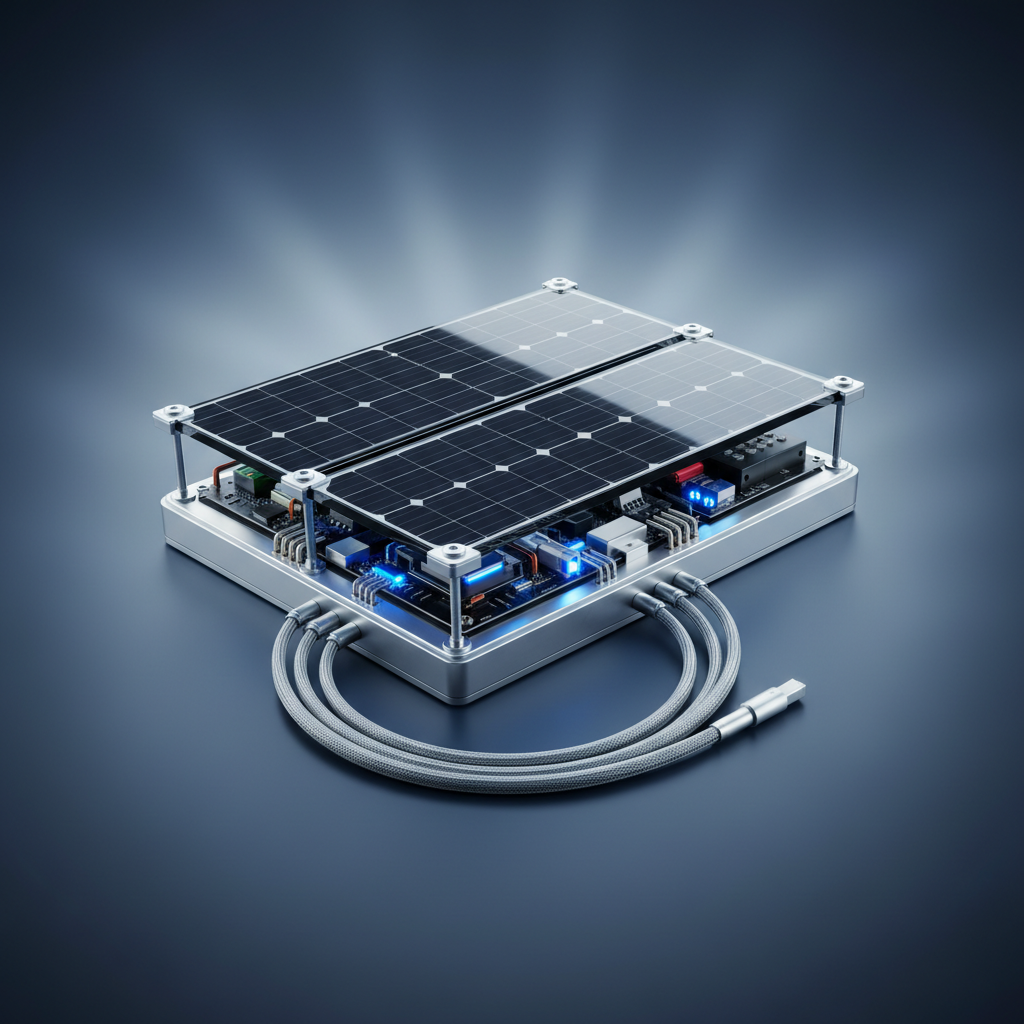
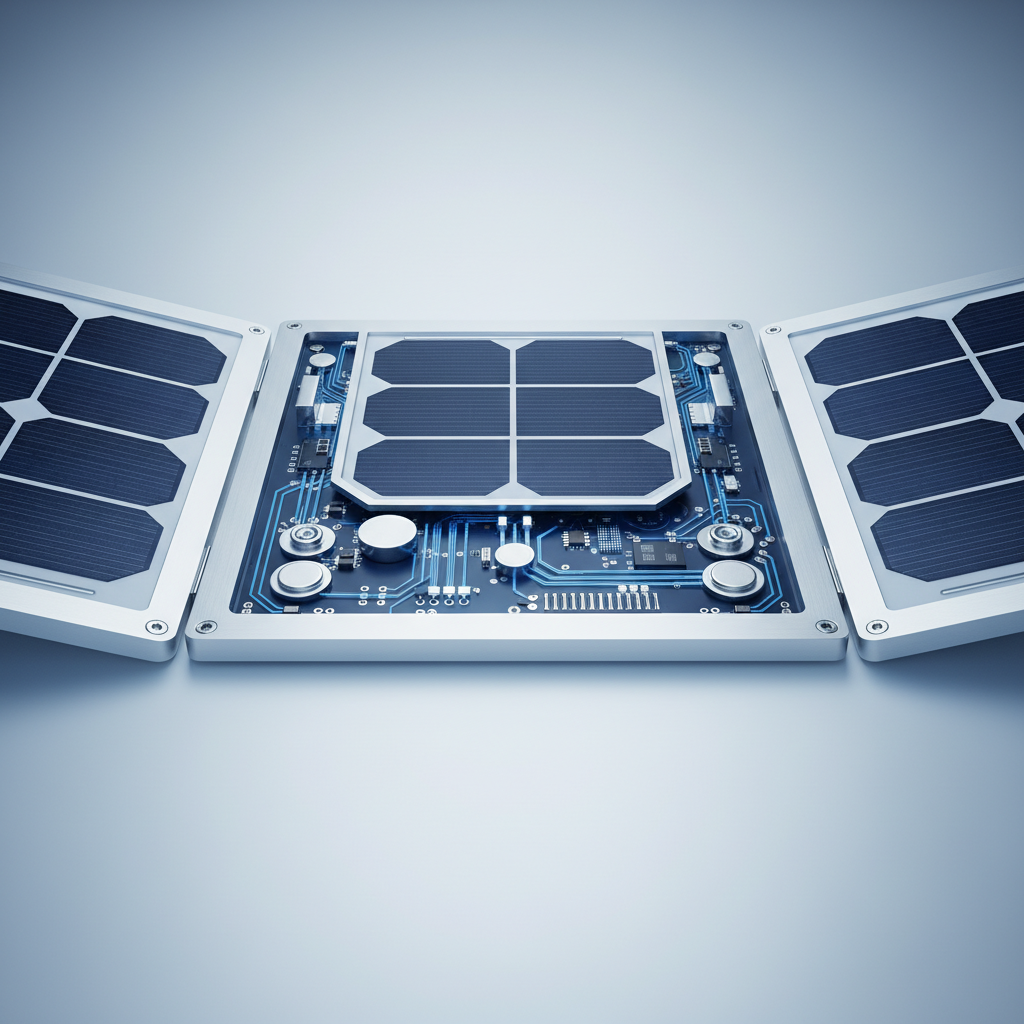
A solar panel system is a collection of components designed to capture sunlight and convert it into usable electricity. The core of the system is the photovoltaic (PV) cell, which utilizes semiconductor materials to generate electricity through the photovoltaic effect. These cells are assembled into modules, commonly known as solar panels, which are then interconnected and installed on a suitable surface.
Beyond the panels themselves, a complete solar panel system typically includes an inverter to convert direct current (DC) electricity to alternating current (AC) electricity, which is used by most household appliances and fed into the grid. Monitoring systems, mounting hardware, and wiring complete the installation, ensuring safe and efficient operation.
This technology directly addresses modern industry needs for sustainable power and plays a crucial role in humanitarian efforts by providing electricity to off-grid communities, powering essential services like healthcare facilities, and supporting education. The decreasing cost of solar makes it a viable solution for even the most economically challenged regions.
Core Components and Functionality
The efficiency of a solar panel system is reliant on several key components working in harmony. The solar panels themselves, made of silicon or other semiconductor materials, capture photons from sunlight. The inverter then converts the DC electricity generated by the panels into AC electricity, compatible with standard electrical grids and appliances.
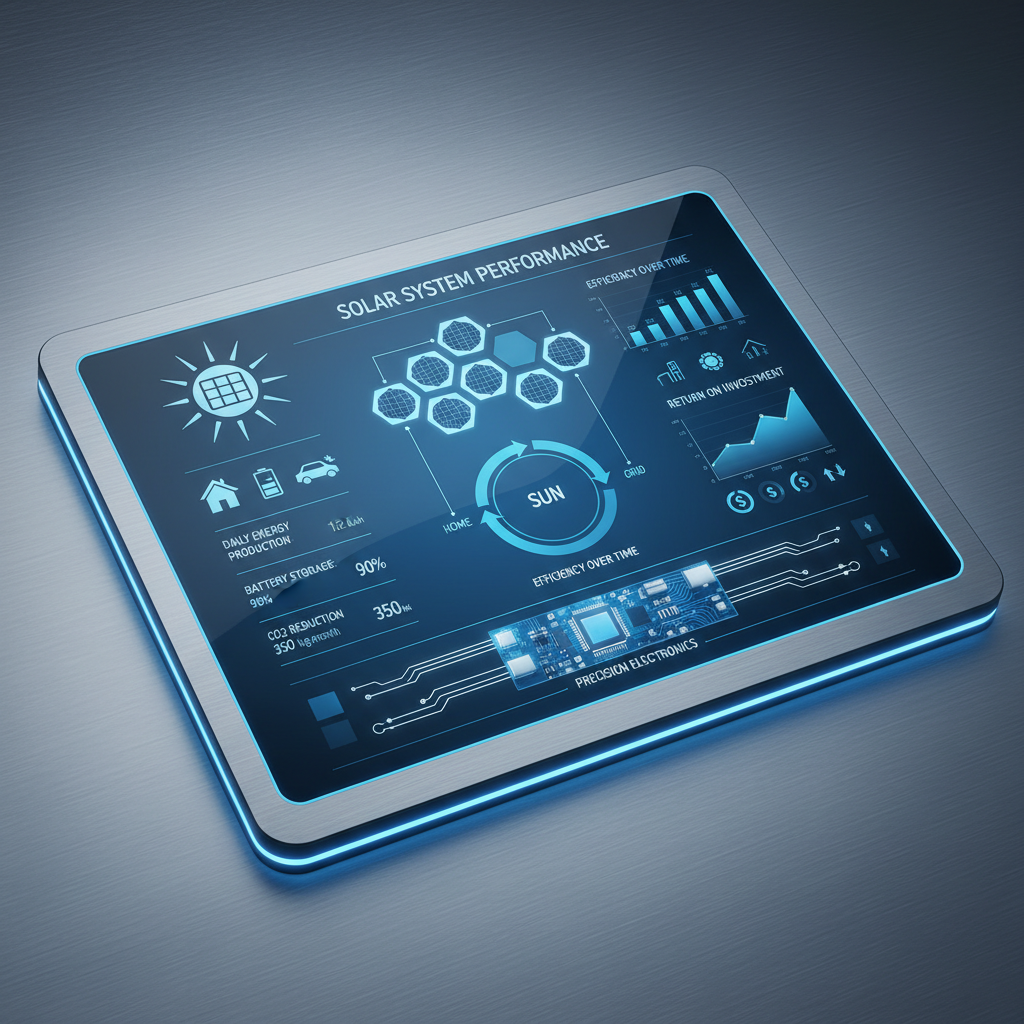
Monitoring systems are increasingly integrated into solar panel systems, providing real-time data on energy production, system performance, and potential issues. These systems often include cloud connectivity and mobile app access, allowing users to track their energy savings and identify any maintenance needs. Battery storage, though an additional cost, is becoming more prevalent to store excess energy for use during periods of low sunlight or power outages.
Mounting hardware ensures the panels are securely positioned to maximize sunlight exposure. Wiring and electrical connections transmit the generated electricity to the inverter and ultimately to the load or the grid. Each component must be properly installed and maintained to ensure optimal system performance and longevity.
Key Factors Influencing System Performance
The effectiveness of a solar panel system isn’t solely determined by the panels themselves. Several factors significantly impact its overall performance. Sunlight availability, obviously, plays a crucial role, with systems in sunnier regions generating more electricity. Panel orientation and tilt angle must be optimized to maximize sunlight capture throughout the year.
Temperature also affects efficiency. While solar panels require sunlight, their performance actually decreases with increasing temperature. Shading, even partial, can drastically reduce output. Regular cleaning is essential to remove dust, dirt, and debris that can block sunlight.
Solar Panel System Efficiency Comparison
Global Applications and Real-World Use Cases
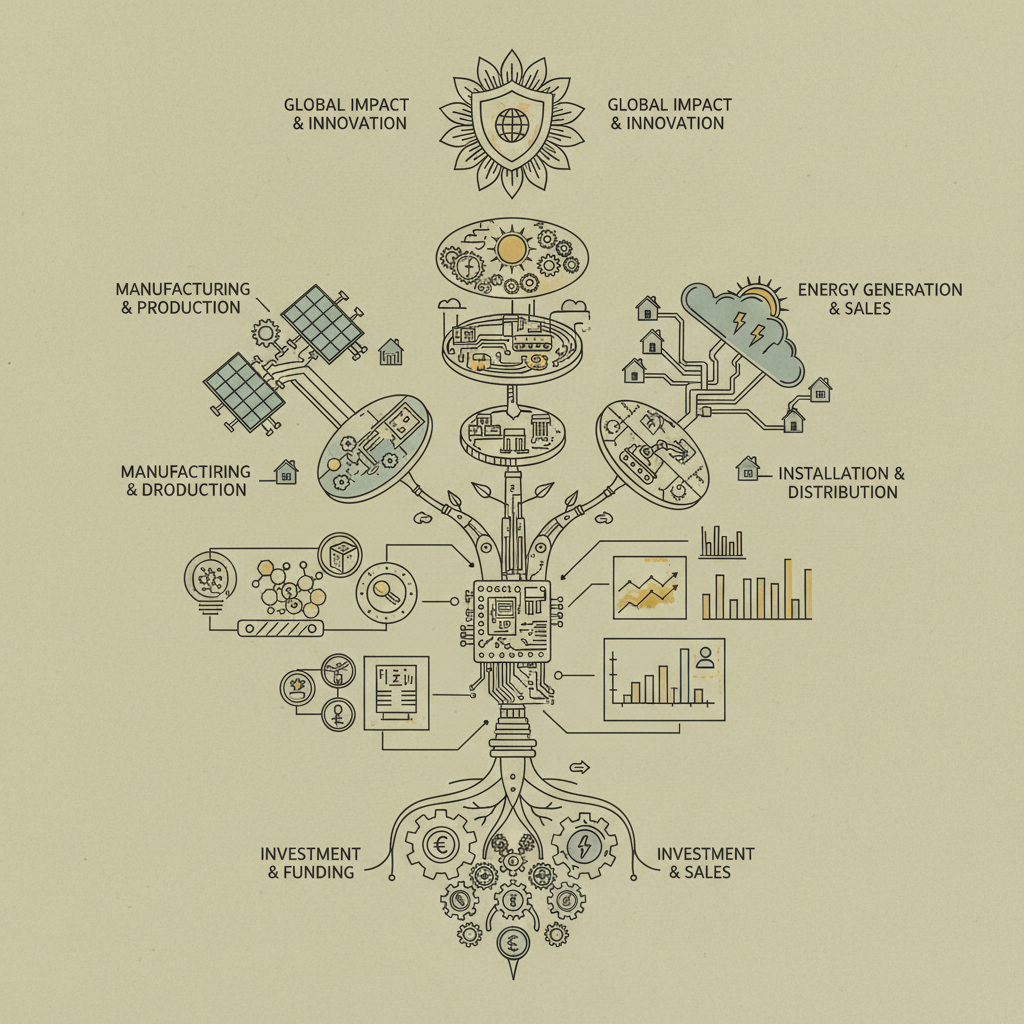
Solar panel systems are being deployed across a vast range of applications globally. Large-scale solar farms are now major contributors to the electricity grids in countries like China, the United States, and Germany. In developing nations, decentralized solar solutions are bringing power to remote villages and improving access to essential services.
In post-disaster relief operations, portable solar panel systems provide critical power for communication, medical equipment, and lighting. In remote industrial zones, such as mining operations or research stations, solar energy offers a reliable and cost-effective power source.
Advantages and Long-Term Value Proposition
The advantages of investing in a solar panel system are multifaceted. Economically, they offer significant cost savings on electricity bills and can even generate income through net metering programs, where excess energy is sold back to the grid. Environmentally, they reduce reliance on fossil fuels and minimize carbon emissions, contributing to a cleaner and more sustainable future.
Beyond the tangible benefits, solar panel systems offer energy independence, increasing resilience against power outages and fluctuations in energy prices. They also represent a commitment to innovation and sustainability, enhancing brand reputation and attracting environmentally conscious customers. The long-term reliability of modern solar panels, coupled with minimal maintenance requirements, makes them a sound investment for individuals and businesses alike.
Future Trends and Innovations in Solar Technology
The future of solar panel systems is brimming with innovation. Perovskite solar cells, offering potentially higher efficiency and lower manufacturing costs, are gaining traction. Bifacial solar panels, which capture sunlight from both sides, are increasing energy yields. Advancements in battery storage technology are improving the ability to store and utilize solar energy on demand.
Digital transformation is playing a key role, with the integration of artificial intelligence (AI) and machine learning to optimize system performance and predict maintenance needs. The increasing adoption of smart grids and microgrids will further enhance the integration of solar energy into the broader energy infrastructure. These trends point toward a future where solar energy is even more affordable, efficient, and accessible.
Policy changes also drive innovation. Government incentives, renewable energy standards, and carbon pricing mechanisms are all contributing to the acceleration of solar energy adoption globally.
FAQS
Most modern solar panel systems are designed to last 25-30 years. While their energy output will gradually decrease over time, they typically retain at least 80% of their original capacity after 25 years. Inverters, a crucial component, usually have a lifespan of 10-15 years and may need replacing during the system’s lifetime. Proper maintenance and monitoring can maximize longevity.
Net metering is a billing mechanism that credits solar panel system owners for the excess electricity they send back to the grid. When your solar panels generate more electricity than you need, the surplus is exported to the grid, and you receive credit on your electricity bill. This effectively allows your meter to run backwards, reducing your overall energy costs.
Solar panel systems generally require minimal maintenance. Regular cleaning, typically once or twice a year, is recommended to remove dust, dirt, and debris. Monitoring systems can alert you to any performance issues. Professional inspections every few years can identify potential problems early on.
Yes, solar panels can still generate electricity on cloudy days, although at a reduced output. They don’t need direct sunlight to function; they can capture diffuse sunlight. However, the amount of electricity produced will be significantly lower than on a sunny day. Modern systems are designed to maximize energy capture even under less-than-ideal conditions.
Many governments offer incentives to encourage solar panel system installation. These can include tax credits, rebates, grants, and feed-in tariffs. The specific incentives available vary depending on your location, so it's important to research the programs in your area. These incentives can significantly reduce the upfront cost of a solar installation.
The size of solar panel system you need depends on your energy consumption, roof space, and budget. A professional solar installer can assess your energy usage, evaluate your roof's suitability, and recommend a system size that meets your needs. Factors such as shading and desired level of energy independence will also influence the optimal system size.
Conclusion
Solar panel systems represent a powerful solution to the world’s growing energy challenges. Their decreasing costs, increasing efficiency, and environmental benefits make them a compelling investment for individuals, businesses, and governments alike. From reducing carbon emissions to fostering energy independence, the advantages are clear and far-reaching.
As technology continues to advance and policies become more supportive, solar panel systems will play an increasingly central role in our energy future. We encourage you to explore the possibilities of solar energy and join the transition towards a cleaner, more sustainable world. Visit our website at www.benjiusolar.com to learn more and discover how a solar panel system can benefit you.