The world's demand for clean energy is exploding, and that means a massive surge in solar panel project installations. It’s not just about environmental responsibility anymore – it’s about energy independence, cost savings, and increasingly, simply making economic sense. I've spent the last decade on rooftops, in fields, and even on offshore platforms overseeing these projects, and what strikes me is how far the technology, and the entire process, has come. What used to be a niche market for early adopters is now mainstream, pushing for more efficient, durable, and scalable solutions.
But this rapid growth brings challenges. Supply chain disruptions, skilled labor shortages, and the need for standardized quality control are constant headaches. The key to successful solar panel project lies in meticulous planning, robust engineering, and a deep understanding of the practical realities of construction. It’s not enough to design a beautiful system on paper; it has to withstand the elements, integrate seamlessly with existing infrastructure, and deliver reliable power for decades.
We’re at a pivotal moment. Advancements in materials science, smart grid technologies, and financing models are opening up new possibilities. The demand isn't slowing down. It’s time to look beyond simply installing panels and focus on creating integrated, intelligent energy ecosystems that can power our future. This is where understanding the fundamentals of a successful solar panel project is more critical than ever.
The Global Significance of Solar Panel Project
Solar energy isn’t just a trend; it’s a fundamental shift in how we power the world. The UN’s Sustainable Development Goal 7 – Affordable and Clean Energy – relies heavily on expanding renewable sources, and solar is leading the charge. According to the International Renewable Energy Agency (IRENA), solar capacity has been growing at an astonishing rate, exceeding all other renewable technologies. We're talking about a serious investment, and a critical part of mitigating climate change. As a guy who spends his days ensuring these systems actually work in the real world, I can tell you, the scale and speed of this transition are unprecedented.
The biggest problem right now isn’t the technology itself, it’s the infrastructure and the logistics. Getting materials to remote locations, training a qualified workforce, and managing the intermittency of solar power are major hurdles. But these are solvable problems. With proper planning, investment, and a focus on practical engineering, we can overcome these challenges and unlock the full potential of solar panel project.
Defining a Solar Panel Project
At its core, a solar panel project is the process of designing, procuring, installing, and maintaining a system that converts sunlight into usable electricity. But it’s far more than just slapping some panels on a roof. It involves detailed site assessments, electrical engineering, structural analysis, permitting, and ongoing monitoring. It’s a multi-disciplinary undertaking that demands expertise across a wide range of fields.
Modern industry increasingly demands sustainable energy solutions, not just for environmental reasons but for cost-effectiveness and resilience. Businesses are realizing that investing in solar reduces their operating expenses and protects them from volatile fossil fuel prices. And it's not just businesses. Humanitarian organizations are using solar to provide power to remote communities, disaster relief efforts, and healthcare facilities.
From a boots-on-the-ground perspective, I see it as a commitment to long-term energy security. It’s about building infrastructure that will last for decades, reducing our reliance on external energy sources, and creating a cleaner, more sustainable future.
Core Components of Effective Implementation
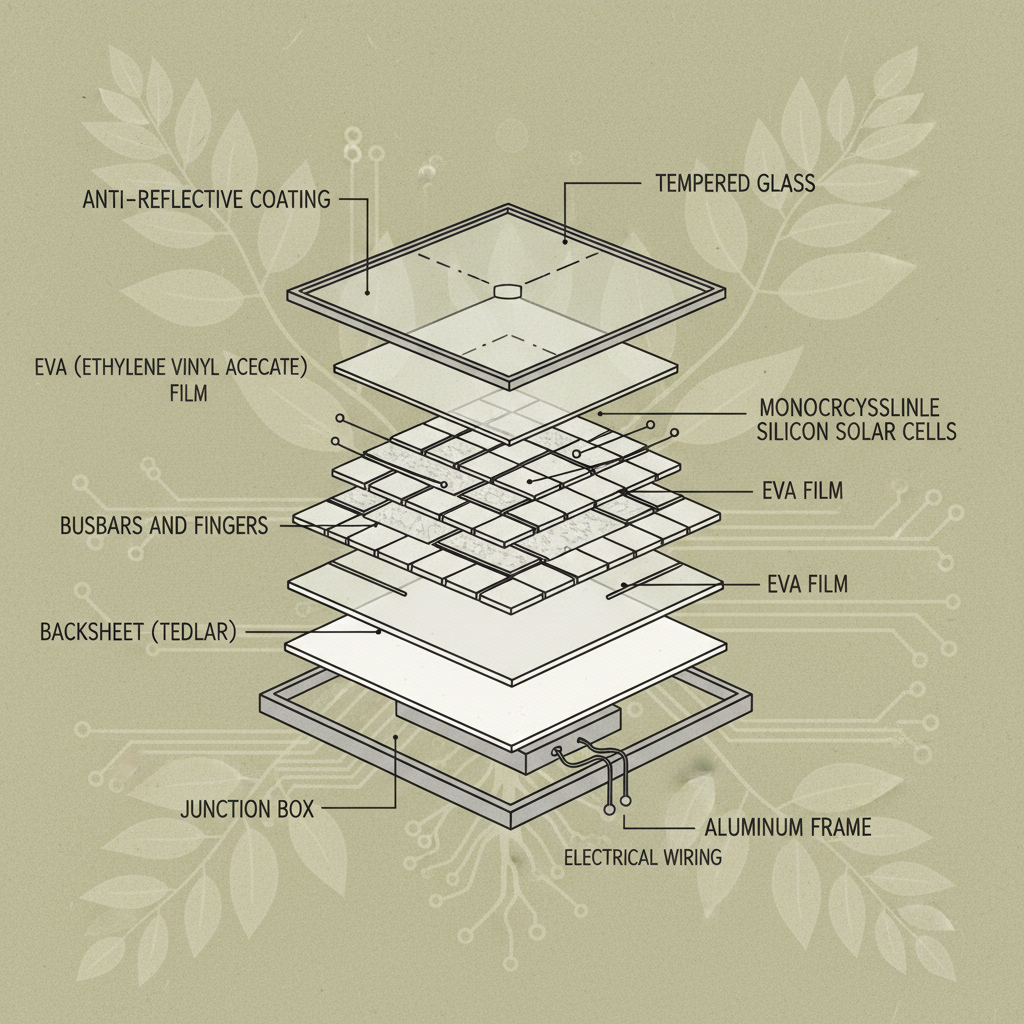
First, Durability is paramount. Panels need to withstand extreme weather conditions – hail, snow, high winds, and intense heat. We're talking about materials engineered to last 25-30 years, often in harsh environments. I’ve seen systems fail because of cheap components that couldn’t handle the stress. Investing in quality materials upfront is crucial.
Second, Scalability is key. Whether it's a small residential system or a massive utility-scale solar farm, the system needs to be designed to accommodate future growth. Modular designs and standardized components make it easier to expand capacity as needed. That means thinking ahead, anticipating demand, and choosing components that can integrate seamlessly with new additions.
Third, Cost Efficiency isn’t just about the upfront cost of the panels. It’s about the lifetime cost of the system – including installation, maintenance, and energy production. A well-designed system will minimize energy losses, reduce maintenance requirements, and maximize return on investment. This requires careful consideration of site conditions, panel orientation, and system components.
Global Applications and Real-World Impact
You see solar panel project popping up everywhere. In California, they're powering entire cities. In Australia, they're providing energy independence to remote farms. In Africa, they're bringing electricity to villages that have never had it before. I was recently involved in a project in the Caribbean that used solar to power a desalination plant, providing clean drinking water to a community devastated by a hurricane.
In post-disaster relief operations, portable solar generators are invaluable for providing emergency power to hospitals, shelters, and communication centers. In remote industrial zones, solar power reduces reliance on expensive and unreliable diesel generators. And increasingly, we’re seeing solar integrated into building materials – solar shingles, solar windows, even solar roads – transforming our built environment.
The benefits extend beyond just energy production. Solar projects create jobs, stimulate local economies, and improve public health by reducing air pollution. It's a win-win situation, but it requires a commitment to responsible development and community engagement.
Solar Panel Project Efficiency Comparisons
Long-Term Advantages and Value Proposition
The tangible benefits of a solar panel project are clear: reduced electricity bills, lower carbon footprint, and increased energy independence. But it goes beyond that. It's about creating a more sustainable future for our children and grandchildren. It's about building a more resilient energy system that can withstand disruptions and protect us from price volatility.
On an emotional level, there’s a sense of empowerment that comes with generating your own power. It’s about taking control of your energy future and contributing to a cleaner, healthier planet. And from a logical standpoint, solar is simply a smart investment. It increases property value, provides a hedge against inflation, and generates a reliable stream of income.
Future Trends and Innovations in Solar Technology
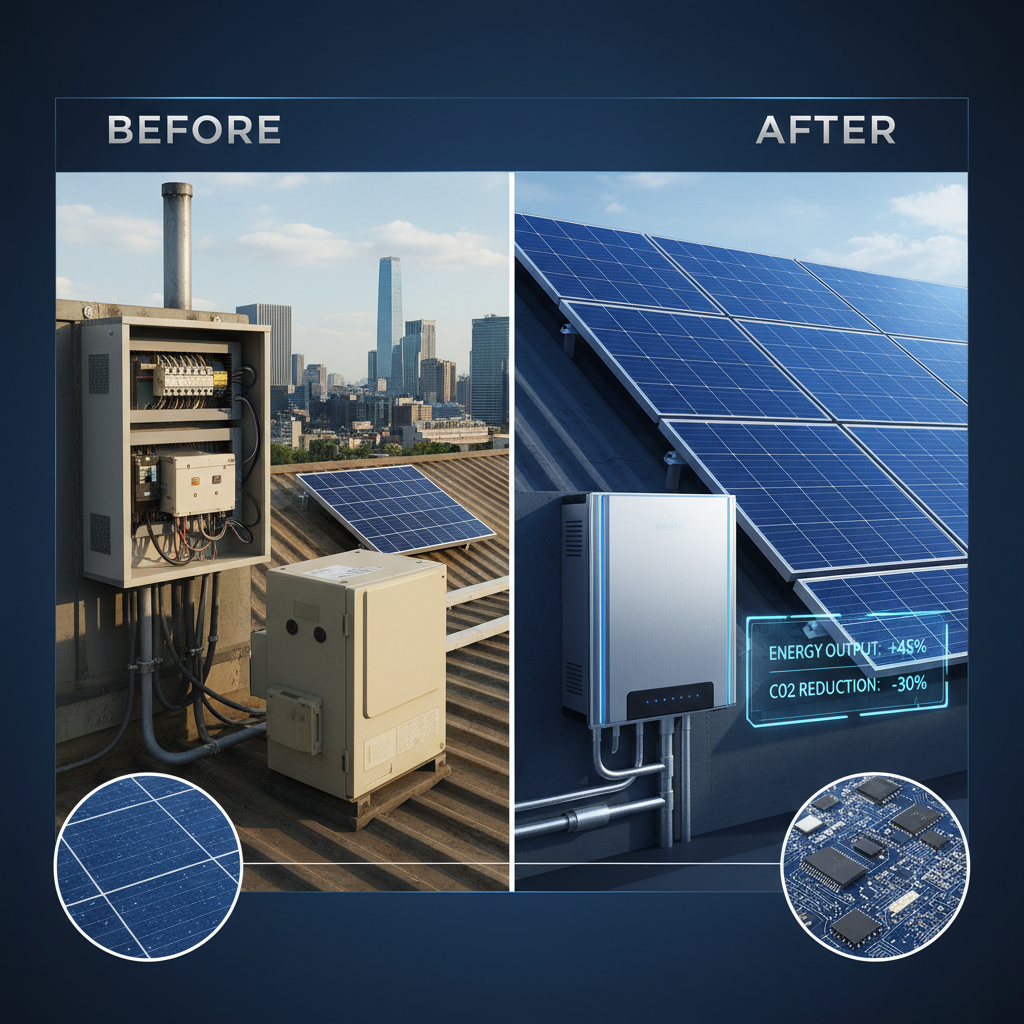
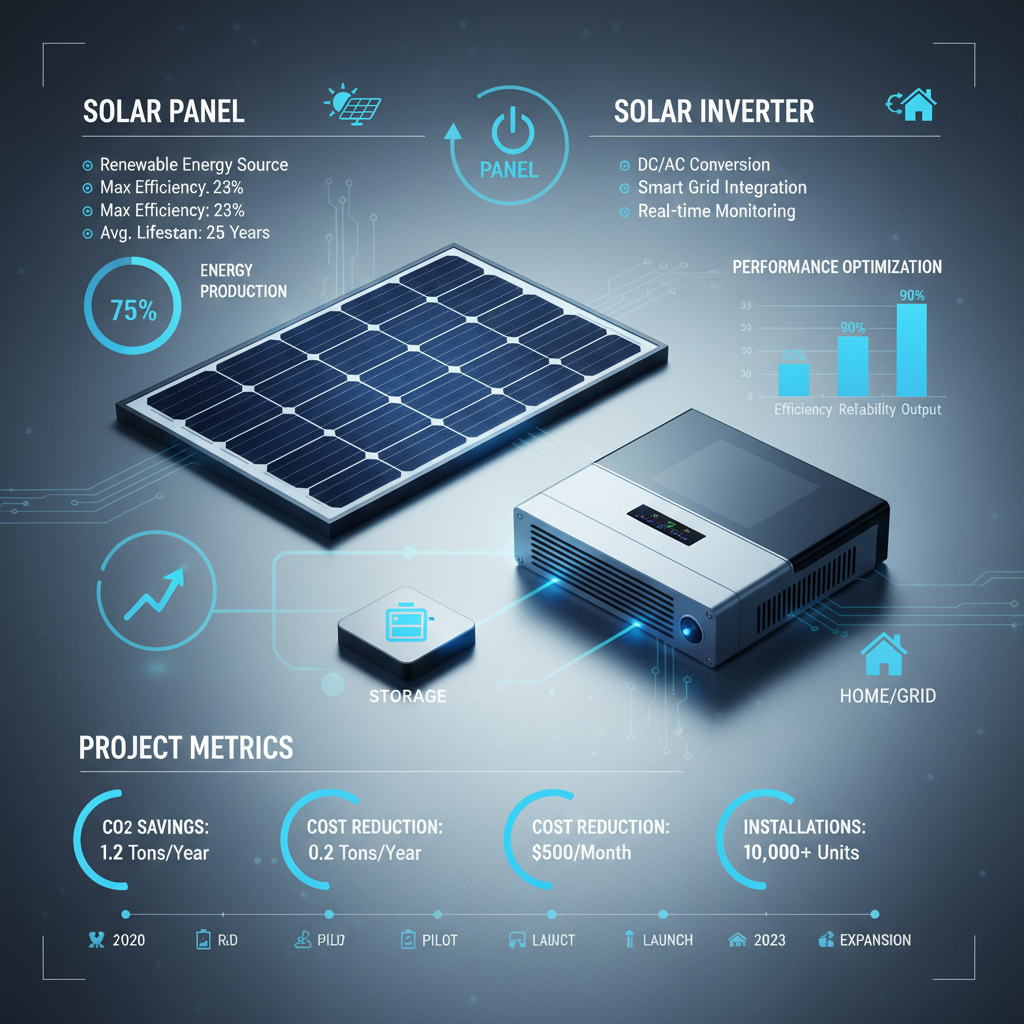
We’re on the cusp of some exciting advancements. Perovskite solar cells, for example, have the potential to be much more efficient and cheaper to manufacture than traditional silicon-based panels. Bifacial panels, which generate electricity from both sides, are gaining popularity. And smart inverters, coupled with advanced battery storage systems, are optimizing energy management and grid stability.
Digital transformation is playing a huge role. AI-powered monitoring systems can predict panel failures, optimize energy production, and streamline maintenance operations. Automation is also increasing efficiency in manufacturing and installation. And with the rise of the green hydrogen economy, solar will play a crucial role in producing clean fuel for transportation and industry.
Addressing Challenges and Optimizing Performance
Despite the advancements, challenges remain. Supply chain bottlenecks, rising material costs, and the need for improved recycling infrastructure are ongoing concerns. Intermittency – the fact that solar power is only available when the sun is shining – is still a major hurdle.
But innovative solutions are emerging. Energy storage systems are becoming more affordable and efficient. Virtual power plants, which aggregate distributed solar resources, are enhancing grid stability. And advanced forecasting models are improving our ability to predict solar energy production.
From my experience, the key is to adopt a holistic approach. It’s not just about installing panels; it’s about integrating them into a smart, resilient, and sustainable energy ecosystem. That requires collaboration between engineers, policymakers, and the community.
Key Performance Indicators for Successful Solar Panel Projects
| Project Phase |
Key Metric |
Target Value |
Assessment Method |
| Planning & Design |
System Efficiency (estimated) |
20-22% |
Simulation software & component specifications |
| Procurement |
Material Cost per Watt |
$0.75 - $1.00 |
Vendor quotes & market analysis |
| Installation |
Installation Time (days) |
Less than 3 days per 10kW installed |
Project tracking & labor reporting |
| Commissioning |
System Performance Ratio (PR) |
0.75 - 0.85 |
Initial energy production monitoring |
| Operation & Maintenance |
Annual Degradation Rate |
Less than 0.5% |
Long-term energy production data analysis |
| Financial Performance |
Return on Investment (ROI) |
8-12% |
Financial modeling & energy savings calculations |
FAQS
Most modern solar panels are designed to last at least 25-30 years, maintaining around 80-85% of their original power output. However, the lifespan can be impacted by factors like climate, quality of components, and maintenance. Inverters, a crucial part of the system, typically have a shorter lifespan of 10-15 years and may need to be replaced during the system's lifetime. Regular inspections and cleaning can significantly extend the overall life and efficiency of your solar panel project.
Solar panels themselves require surprisingly little maintenance. The main tasks are periodic cleaning to remove dust, dirt, and debris that can reduce efficiency and occasional inspections to check for any physical damage or electrical issues. I've seen systems operating for years with just annual cleaning. Monitoring systems can also alert you to any performance issues, allowing for proactive maintenance. Remember, a well-maintained system is a more efficient and reliable system.
Shading is a significant factor. Even partial shading can drastically reduce the output of an entire string of panels. That's why careful site assessment and panel placement are crucial. We use shading analysis tools to identify potential obstructions – trees, buildings, chimneys – and design the system to minimize their impact. Optimizers or microinverters can also help mitigate the effects of shading by allowing each panel to operate independently.
Solar panels are surprisingly resilient. They’re designed to withstand heavy snow loads and hail up to a certain size. Snow typically slides off the panels due to their angled surface and the heat generated by the sun. Hail protection, such as tempered glass, is available and recommended in areas prone to severe hail storms. Regular inspections after extreme weather events can help identify any damage and ensure optimal performance.
Permitting requirements vary significantly depending on your location. Typically, you'll need a building permit, an electrical permit, and potentially a zoning approval. The process can be complex, which is why working with an experienced solar installer is crucial. They'll handle the paperwork, ensure compliance with local regulations, and navigate the approval process efficiently.
Numerous financial incentives can significantly reduce the cost of a solar panel project. These include the federal Investment Tax Credit (ITC), state tax credits, rebates, and net metering programs. Net metering allows you to sell excess electricity back to the grid, further reducing your energy costs. The specific incentives available vary by location, so it's important to research what's available in your area.
Conclusion
In conclusion, solar panel project are no longer a futuristic dream, but a present-day reality that's transforming the energy landscape. From the initial planning stages to long-term maintenance, a successful project hinges on durability, scalability, cost-efficiency, and a deep understanding of the practical challenges involved. The technology continues to evolve, offering even greater efficiency and affordability.
Looking ahead, continued innovation in materials, energy storage, and grid integration will unlock even more potential. We need to embrace these advancements, invest in skilled labor, and streamline the regulatory process to accelerate the transition to a clean energy future. If you’re considering investing in solar, I urge you to do your research, choose a reputable installer, and take control of your energy destiny. Learn more about how we can help you achieve your solar goals at www.benjiusolar.com.