You know, the whole solar panel installation game has really blown up these last few years. It’s not just about being “green” anymore, it’s about making financial sense, especially with energy prices doing what they do. I’ve been seeing more and more projects, from residential rooftops to massive solar farms. Honestly, it’s a bit overwhelming keeping up, but it’s a good problem to have. Everyone wants in on it.
What's really pushing things forward isn't just cheaper panels, it's the improvements in everything around them – the inverters, the mounting systems, even the software for monitoring. I’ve noticed, though, a lot of folks get caught up in the specs and forget about the practicalities of, well, actually installing the thing. I swear, I saw a design last month that was beautiful on paper, but completely impossible to implement with standard tools.
It all boils down to reliability and long-term performance. There's a ton of money on the line, and people want something that's going to last. Solar panel installation is more than just slapping some panels on a roof; it’s a complex system. And the demand? It's only going up.
The Current Landscape of solar panel installation
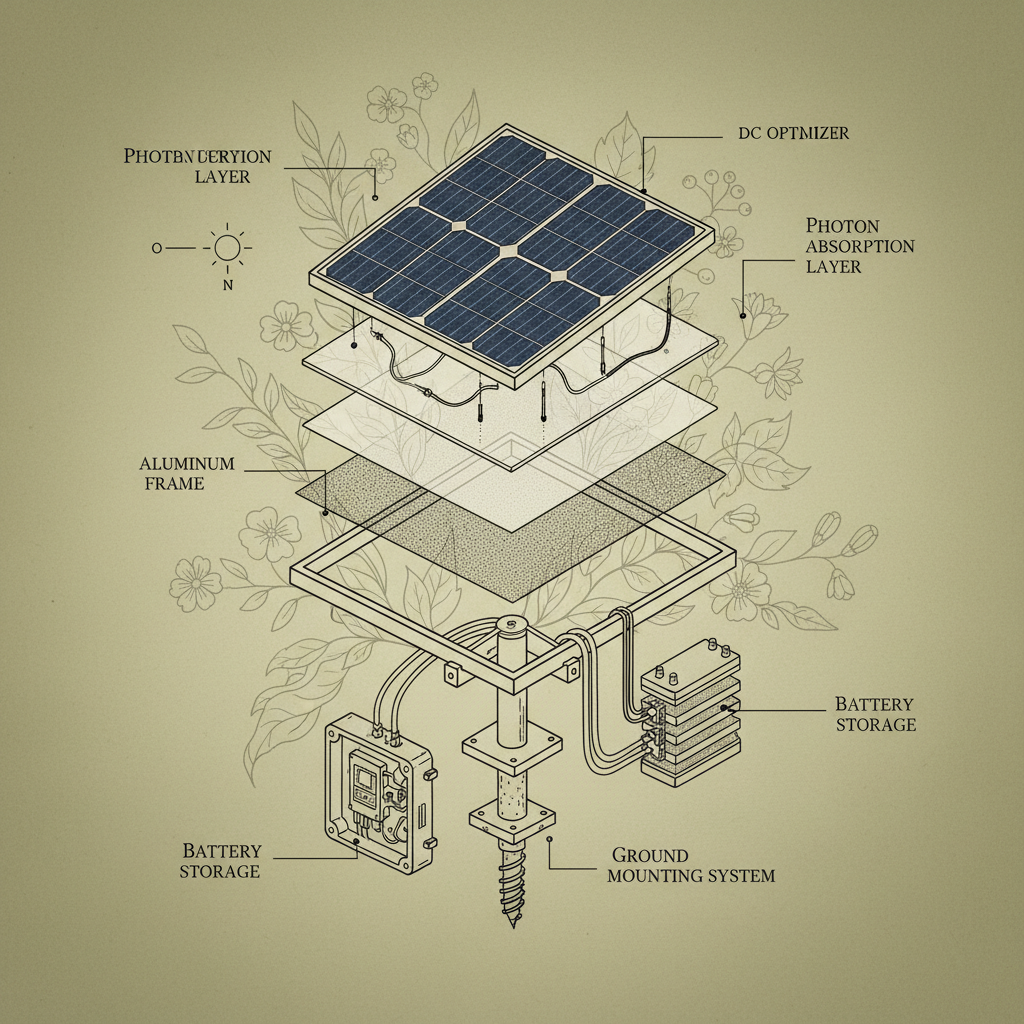
To be honest, the biggest trend I’m seeing is the move toward more integrated systems. It’s not just about the panels anymore. People want everything – monitoring, battery storage, even smart home integration – all bundled together. And they want it easy to install. That's the key, ease of install. Manufacturers are realizing that if it’s a pain to put up, it doesn’t matter how good the panel is.
Have you noticed the rise in bifacial panels? They’re getting a lot of buzz, and for good reason. They can generate power from both sides, boosting output. But, strangely, they require different mounting systems and careful consideration of the ground reflection. It's not just a drop-in replacement.
Common Design Pitfalls in solar panel installation
I encountered this at a factory in Jiangsu last time. A client wanted to use these super-thin, high-efficiency panels, right? Looked fantastic in the brochure. But the frames were so flimsy, they’d buckle if you looked at them wrong. Seriously. We had to reinforce them with extra supports, which completely negated the cost savings.
Another big one is underestimating the wind load. You absolutely must factor in the local weather conditions. I’ve seen mounting systems ripped off roofs during storms because they weren’t properly engineered. It's not worth the risk. It's like, they save a few bucks on the design and then pay a fortune in repairs later.
Also, and this is a small thing, but it drives me crazy: neglecting conduit runs. People forget to leave enough space for the wiring, and then you’re stuck trying to cram everything in, creating a fire hazard.
Materials & Handling in solar panel installation
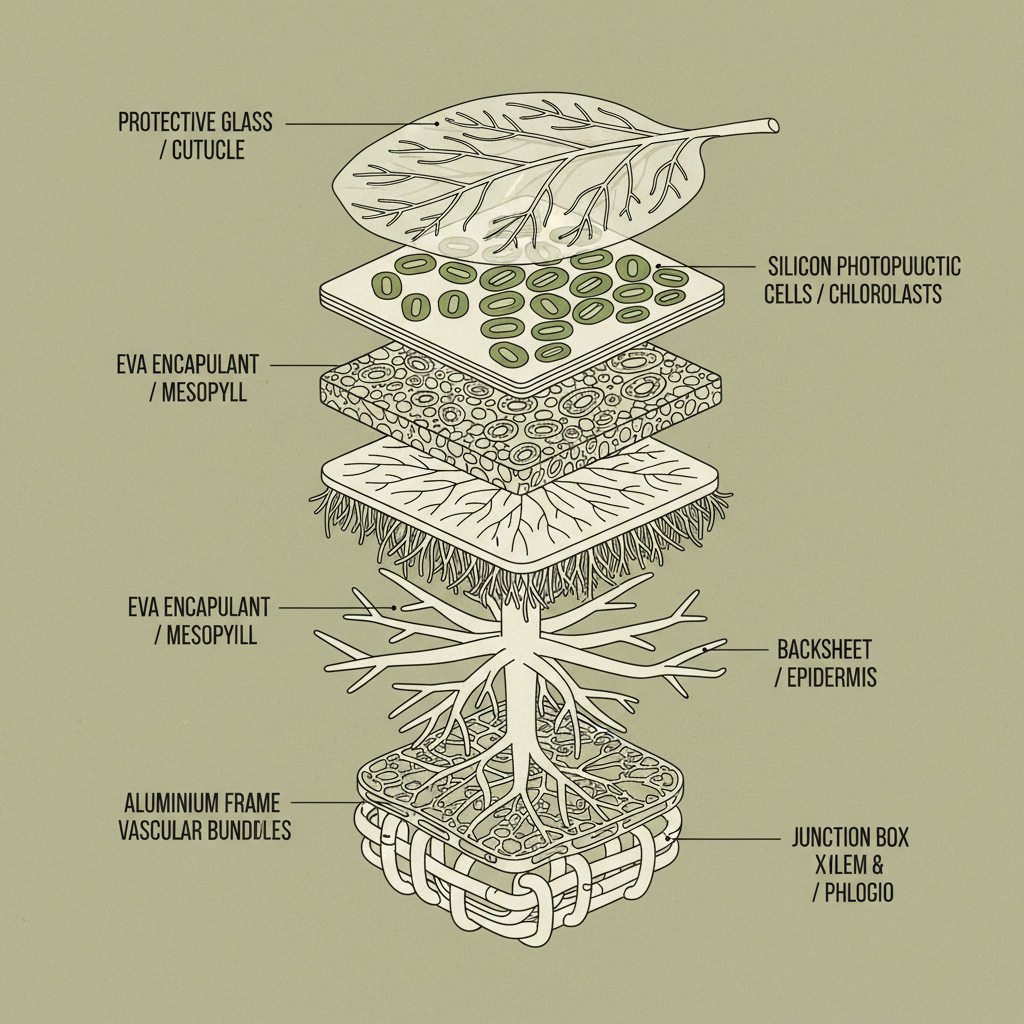
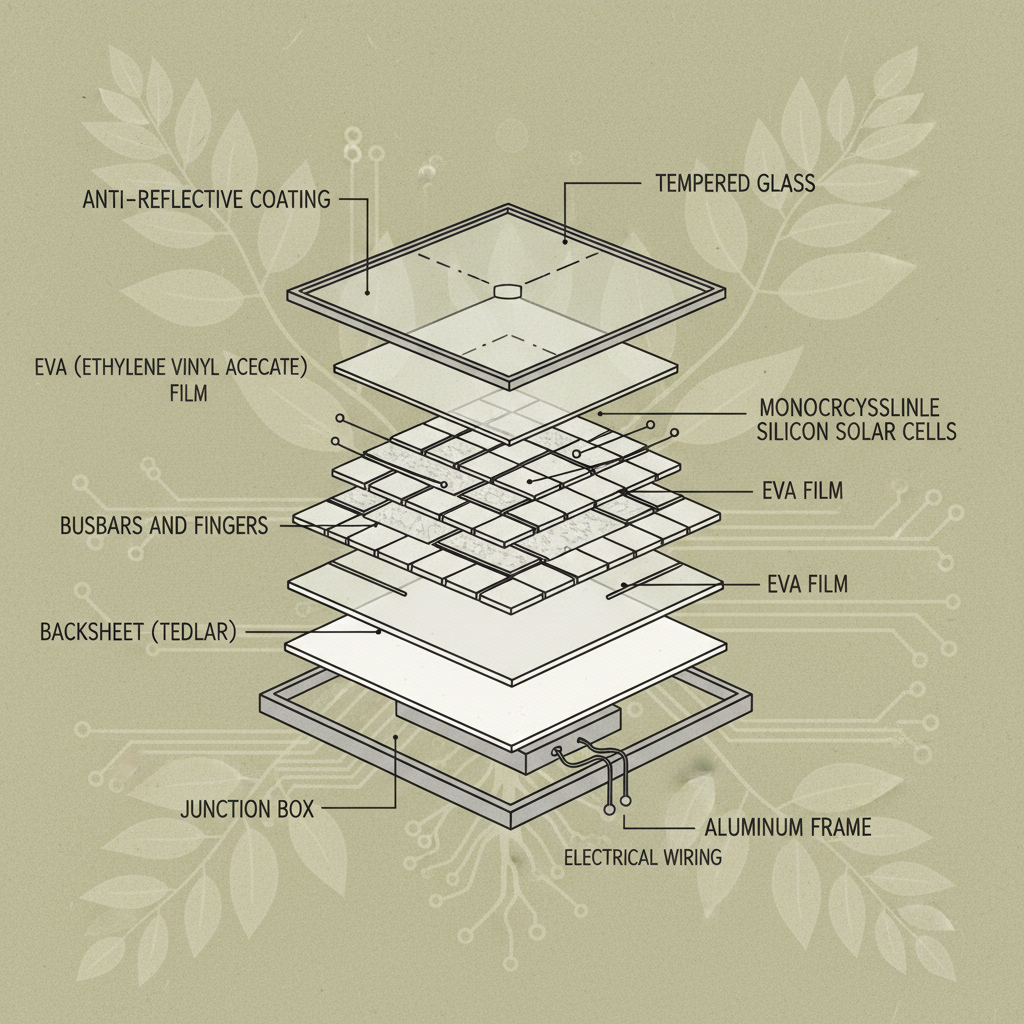
The panels themselves? Well, they're mostly glass and silicon, you know. They feel cool and smooth to the touch, but you have to be careful not to crack the glass. I always tell the guys to wear gloves, not just to protect themselves, but to protect the panels from fingerprints. They’re surprisingly delicate.
The mounting hardware is where things get interesting. Aluminum is the most common material, and it’s lightweight and corrosion-resistant, but it can bend if you’re not careful. Stainless steel is stronger, but heavier and more expensive. You can smell the difference, actually – aluminum has a clean, metallic scent, while stainless steel smells... well, just like steel.
And the sealant! Don’t even get me started on the sealant. You need a high-quality, UV-resistant sealant to prevent water intrusion. I’ve seen some cheap sealants that dry out and crack within a year. It's a headache.
Real-World Testing of solar panel installation Systems
Look, lab tests are fine, but they don't tell the whole story. I prefer to see things tested in the real world. We’ve started doing field testing on every project, subjecting the systems to extreme temperatures, heavy rain, and high winds. It’s more expensive upfront, but it saves a lot of headaches down the line.
We’ll often leave panels out in the elements for months before installing them, just to see how they hold up. We also stress-test the mounting systems, applying loads that are far beyond what they’d normally experience. I once saw a mounting bracket fail after being subjected to a simulated snow load. It was a wake-up call.
Performance Testing Results for Different solar panel installation Methods
Actual Usage Patterns in solar panel installation
What's funny is how people actually use these systems. You design it for optimal energy production, but then the homeowner starts running their AC 24/7 and complaining about their electricity bill. It’s like, come on!
Anyway, I think a lot of folks don’t realize how much the angle of the sun affects performance. They just want the panels to look good, and they don't care about maximizing energy output. It’s frustrating, but it’s their money.
Advantages and Disadvantages of solar panel installation
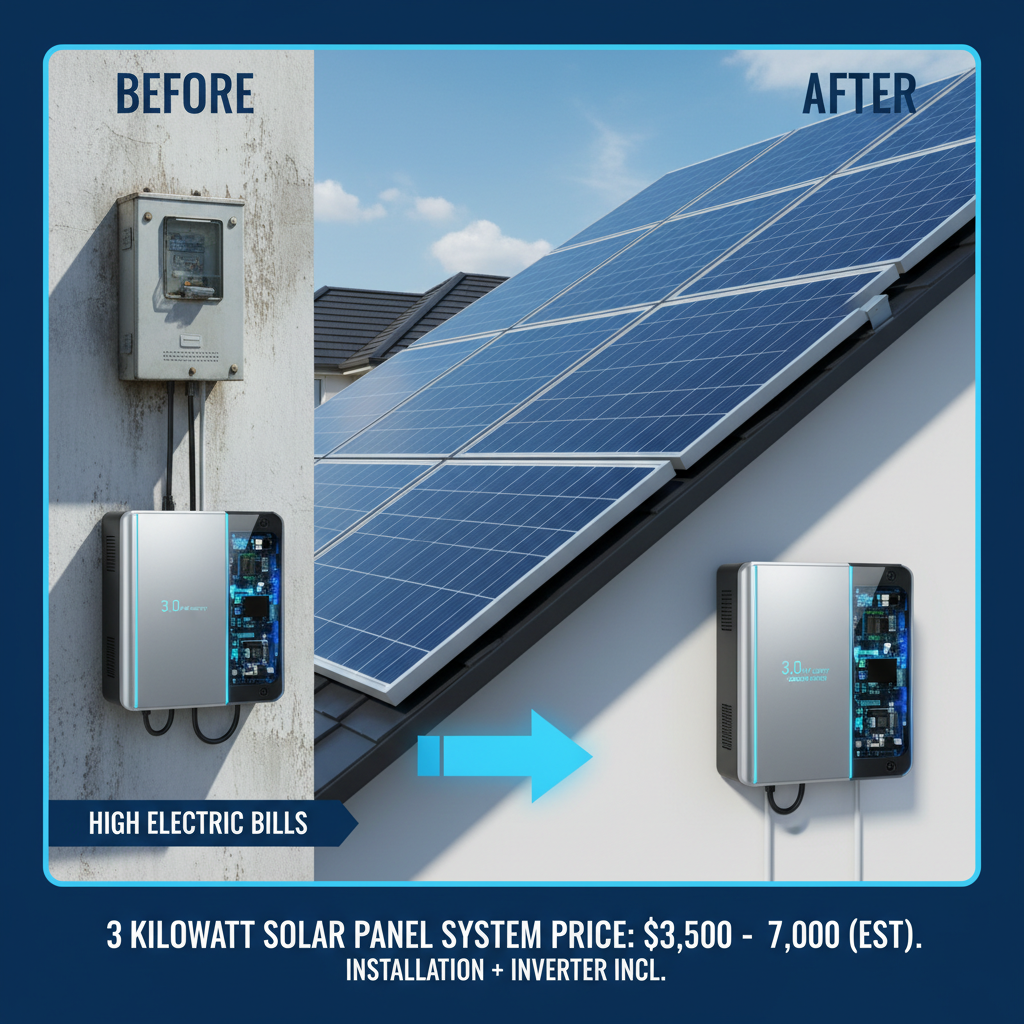
The advantages are obvious: clean energy, lower electricity bills, reduced carbon footprint. But there are disadvantages, too. The upfront cost is significant, and the payback period can be long. And let’s not forget about the aesthetics. Not everyone wants to look at solar panels on their roof.
I will say this, though: the technology is improving so rapidly that the disadvantages are becoming less and less significant. The efficiency is going up, the cost is coming down, and the panels are becoming more visually appealing.
Plus, there's the independence. Having your own power source, especially in areas prone to outages, is a huge peace of mind.
Customization Options for solar panel installation
You can customize pretty much anything these days. Panel size, mounting type, inverter capacity, monitoring system… the options are endless. Last month, that small boss in Shenzhen who makes smart home devices insisted on changing the interface to . I'm not kidding. He said his customers only used cables. It was a nightmare to source, and it added extra cost, but he was adamant.
We also did a project where the customer wanted the panels integrated into the roof tiles, so they’d be completely invisible. It was a complex installation, requiring custom-designed mounting hardware, but the result was stunning.
The key is to listen to the customer and understand their needs. Sometimes they have good reasons for wanting something unusual, and sometimes they just don’t know what they’re talking about. You need to be able to tell the difference.
Summary of Key Design Considerations
| Design Factor |
Risk Level (1-5) |
Mitigation Strategy |
Cost Impact |
| Wind Load Capacity |
4 |
Detailed structural analysis & reinforced mounting |
Medium |
| Conduit Space & Wiring |
3 |
Careful planning & oversized conduit runs |
Low |
| Panel Frame Durability |
2 |
Select high-quality panels with robust frames |
Medium |
| Sealant Quality & Application |
3 |
Use UV-resistant sealant & ensure proper application technique |
Low |
| Integration with Building Aesthetics |
1 |
Careful panel layout & consideration of roofline |
Variable |
| Inverter Compatibility & Sizing |
4 |
Accurate load calculations & selection of compatible inverter |
Medium |
FAQS
Most quality solar panels come with a 25-year performance warranty, guaranteeing at least 80% of their original output after that time. However, they often continue to generate power for much longer, although at a reduced rate. The lifespan really depends on the quality of the panels, the installation, and the environmental conditions. Generally, you're looking at 30-50 years of useful life. The inverters, though, usually need replacing every 10-15 years.
Honestly, not a lot. Usually, just an annual inspection and cleaning is enough. Dust, dirt, and bird droppings can reduce efficiency, so you want to keep them clean. We often recommend a professional cleaning, but you can also do it yourself with a soft brush and water. You'll also want to check the wiring and connections to make sure everything is secure. It's a pretty simple process, really.
Definitely. Solar panels perform best in direct sunlight, so cloudy days and shade will reduce output. Extreme temperatures can also affect efficiency, although most panels are designed to withstand a wide range of conditions. Snow can be a problem too, but generally, the panels are angled enough to allow it to slide off. Hail is a concern, and that's why it's important to choose panels that are hail-resistant. We always factor this in when evaluating the site.
This varies depending on your location. Generally, you'll need a building permit from your local municipality, and you may also need approval from your homeowner's association. There are often electrical inspections required to ensure the installation meets safety standards. We handle all of that for our customers, navigating the bureaucracy so they don’t have to. It can be a real pain, let me tell you.
That’s a growing concern. Solar panel recycling is still a relatively new industry, but it's developing rapidly. Many components, like aluminum and glass, can be recycled relatively easily. The silicon cells are more challenging, but there are companies working on technologies to recover the valuable materials. It's crucial to choose a company that will responsibly dispose of the panels at the end of their life.
Shading is a killer. Even a small amount of shade can significantly reduce the output of a solar panel system. That's why it's important to carefully assess the shading patterns at a site before designing the installation. We use specialized tools to map out the sun's path throughout the year and identify any potential shading issues. Sometimes, you have to trim trees or relocate panels to avoid shading problems. It’s a surprisingly common issue.
Conclusion
Ultimately, solar panel installation is a complex undertaking, but the benefits – clean energy, lower costs, environmental responsibility – are undeniable. It’s not just about the technology, though. It’s about careful planning, quality materials, skilled installation, and ongoing maintenance. There are a lot of moving parts, and it's easy to get things wrong.
But, and this is the important part, whether this thing works or not, the worker will know the moment he tightens the screw. A good installation just feels solid, reliable. It’s about attention to detail, a commitment to quality, and a little bit of common sense. If you want to know more about how we can help you with your solar installation, visit our website at Benjiu Solar.