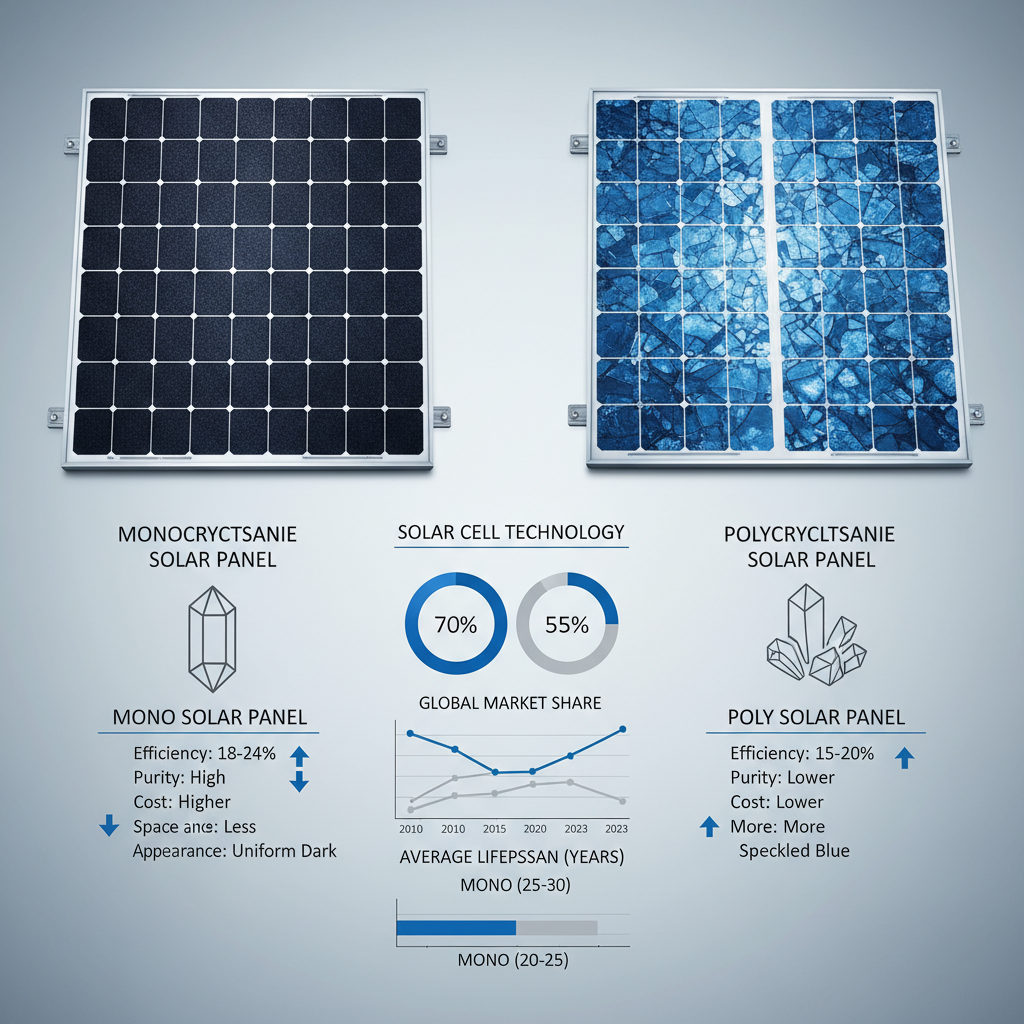
Let’s talk solar panel plate price. It's not just about watts and efficiency anymore, folks. After years walking job sites, hauling materials, and talking to the guys actually putting these things up, I've seen firsthand how crucial getting the plate price right is. It impacts everything – from project budgets to long-term reliability. We’re not just selling electricity; we’re selling peace of mind, and that starts with a solid foundation, literally and figuratively. The global push for renewable energy is undeniable, driven by UN sustainability goals and the need to mitigate climate change, but all that ambition falls flat if the costs aren’t manageable, and a major cost driver is the underlying plate structure.
The whole industry is feeling the pressure. We’ve seen huge fluctuations in raw material prices – aluminum, steel, even the specialized coatings – and that directly impacts solar panel plate price. What’s been happening is a global supply chain squeeze, exacerbated by geopolitical events and increasing demand. It's a constant balancing act between sourcing quality materials and keeping project costs in line. ISO standards are getting stricter, too, requiring more robust and durable components, which naturally adds to the price.
Understanding solar panel plate price isn't just for the C-suite. It’s for the installers, the engineers, and the homeowners footing the bill. It dictates the viability of projects, influences the return on investment, and ultimately determines how quickly we can transition to a cleaner energy future. And it's a complex equation; it's rarely a simple 'cheapest is best' scenario.
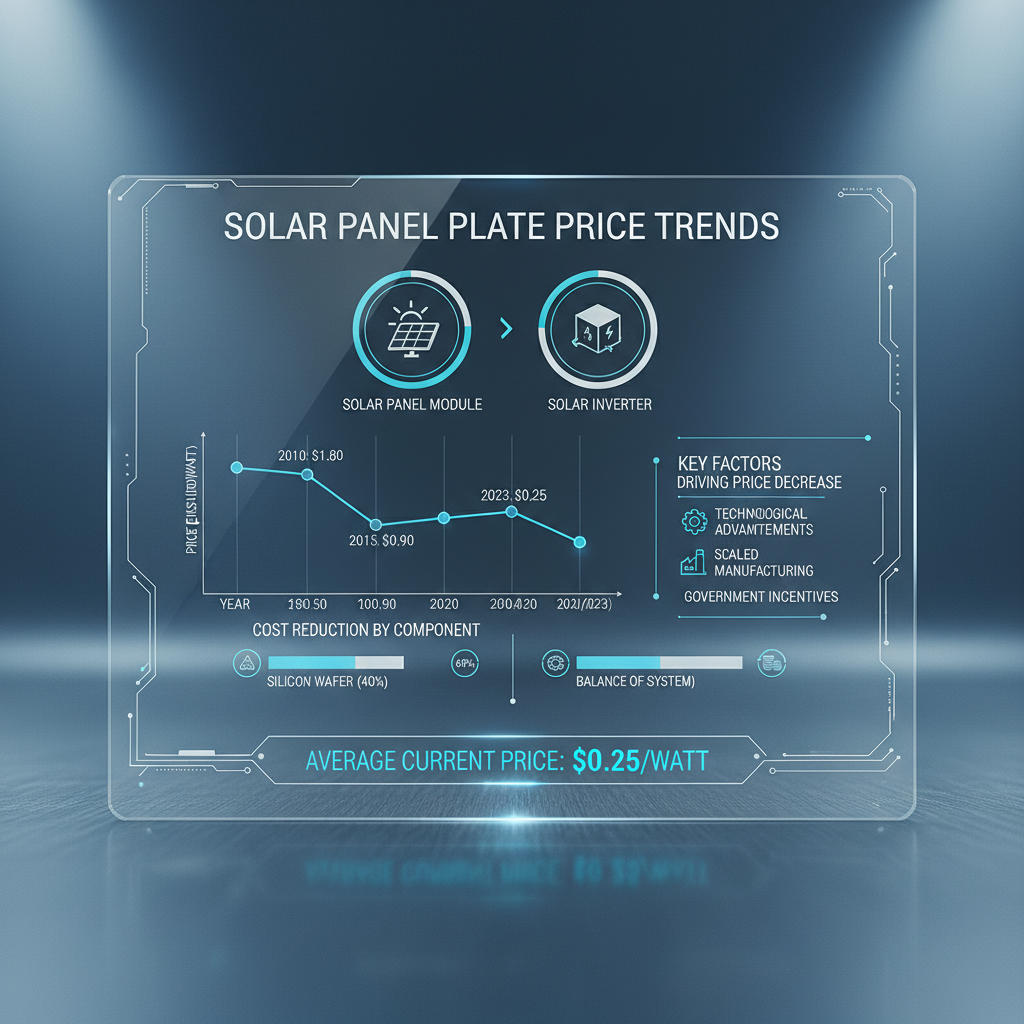
The Historical Development of solar panel plate price
Back when I started, solar was a niche market, and plate prices reflected that. We were largely dealing with galvanized steel, which was cheaper but had its limitations in terms of corrosion resistance. As demand grew, manufacturers started exploring aluminum alloys – lighter, more durable, but pricier. The real turning point came with advancements in manufacturing techniques and economies of scale.
Now, we're seeing a shift towards more specialized materials and coatings designed to withstand harsh environments. This is driven by the need for longer lifespans and reduced maintenance costs. The initial investment in higher-quality plates can often pay off significantly over the 25-30 year lifespan of a solar installation, and that's what smart project owners are starting to recognize.
Defining Solar Panel Plate Price
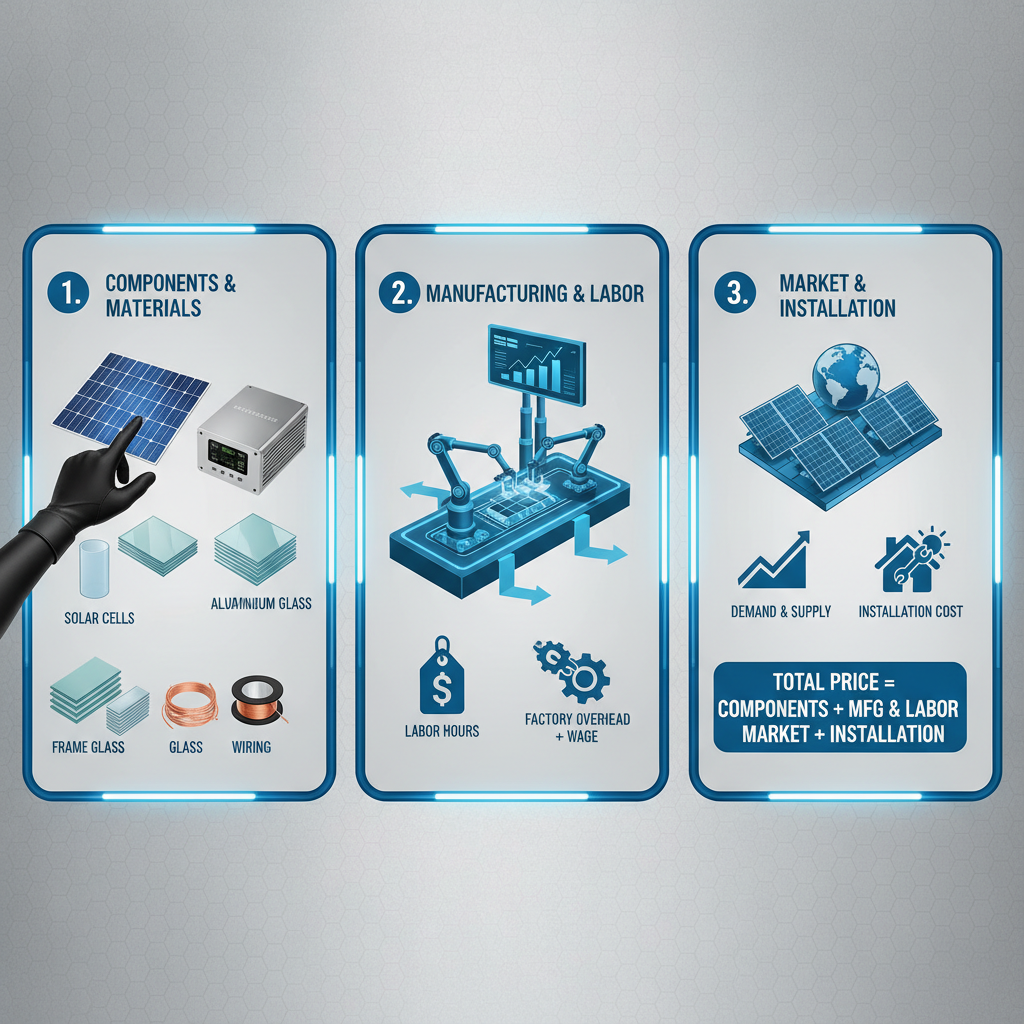
Solar panel plate price isn’t just the cost of the metal. It's a bundled price encompassing the raw materials – aluminum, steel, sometimes specialized polymers – plus the fabrication, surface treatments (like anodizing or powder coating), and any integrated mounting hardware. It's the cost to get a structurally sound, corrosion-resistant base for your panels.
Think of it like the foundation of a house. You can cheap out, but you’ll be dealing with cracks and settling later. With solar plates, that translates to costly repairs, reduced efficiency, and potentially even safety hazards. It's a vital part of the entire system, connecting the panels to the racking and ultimately to the ground.
It’s inextricably linked to modern infrastructure and the humanitarian need for reliable energy access. In disaster relief, for example, rapidly deployable solar systems need robust, affordable plates to function effectively. Without a sound plate price, it's all just good intentions.
Key Factors Influencing Plate Price
Durability is huge. The material, thickness, and coating all play a role in how well the plate will withstand weather, corrosion, and physical stress. Thicker plates and higher-quality coatings cost more upfront, but minimize long-term maintenance.
Scalability matters. Can the manufacturer quickly ramp up production to meet large project demands without sacrificing quality? Lead times and minimum order quantities can significantly impact overall project costs. We’ve had projects stalled because a supplier couldn’t deliver on time.
Cost efficiency, of course, is always a concern. It’s a balancing act. We need to find materials and manufacturing processes that deliver the best value without compromising on performance or longevity. Sometimes, a slightly higher initial cost pays off in the long run through reduced maintenance and increased lifespan.
Material choice is critical - aluminum is lightweight and corrosion resistant but typically more expensive than steel.
Manufacturing complexity - plates with intricate designs or custom features will naturally have a higher price point.
Geographic location - transportation costs play a role, and sourcing locally can sometimes be more cost-effective.
Global Applications and Use Cases
We’re seeing solar plate price factors impacting projects everywhere. In large-scale solar farms in the American Southwest, durability and resistance to extreme temperatures are paramount. In coastal regions, corrosion resistance is the top priority.
In post-disaster relief operations, like after hurricanes in the Caribbean, rapidly deployable solar systems with robust plates are crucial for providing emergency power. Remote industrial zones in Australia, where grid access is limited, rely on reliable, long-lasting solar installations – and that means investing in quality plates.
Even smaller residential installations are affected. Homeowners are looking for long-term value, and the plate is a key component of that. People want a system that will last, and they're willing to pay a little more upfront for peace of mind.
Comparison of solar panel plate price by Material
Advantages and Long-Term Value
The tangible benefits of investing in quality solar panel plates are clear: reduced maintenance costs, longer system lifespan, and increased energy production. A properly constructed plate system minimizes the risk of corrosion, deformation, and structural failure.
But it's more than just dollars and cents. Reliable solar energy promotes energy independence, reduces our reliance on fossil fuels, and creates a more sustainable future. It's about providing safe, clean energy to communities and empowering them to take control of their energy needs. And that builds trust.
Future Trends and Innovations
We're starting to see a lot of innovation in materials science. New aluminum alloys with even higher strength-to-weight ratios are being developed. Self-healing coatings that can repair minor scratches and corrosion are also on the horizon.
Digital transformation is playing a role, too. AI-powered monitoring systems can detect early signs of corrosion or structural fatigue, allowing for preventative maintenance. And automation in manufacturing is driving down costs and improving quality control.
Challenges and Solutions
One of the biggest challenges is the volatile cost of raw materials. Supply chain disruptions and geopolitical instability can send prices soaring. The solution? Diversifying sourcing and building stronger relationships with suppliers.
Another challenge is ensuring consistent quality control. Not all manufacturers adhere to the same standards. Independent testing and certification are crucial. We need to demand transparency and accountability throughout the supply chain.
Finally, we need to educate installers and project owners about the importance of investing in quality plates. It's a long-term investment that pays off in the end.
Analysis of Solar Panel Plate Performance Metrics
| Material Type |
Corrosion Resistance (1-10) |
Structural Strength (1-10) |
Cost per Square Meter (USD) |
| Galvanized Steel |
5 |
7 |
15 |
| Aluminum Alloy 5052 |
8 |
6 |
25 |
| Aluminum Alloy 6005A |
9 |
7 |
30 |
| Stainless Steel 304 |
10 |
9 |
45 |
| High-Density Polymer Composite |
7 |
5 |
20 |
| Anodized Aluminum Alloy 6005A |
9.5 |
7.5 |
35 |
FAQS
The biggest drivers are the raw material costs (aluminum and steel are particularly volatile), manufacturing complexity, and demand. Also, the type of coating and the thickness of the plate play a significant role. Keep an eye on global trade policies and supply chain stability – those can cause big swings in price.
Aluminum offers excellent corrosion resistance, making it ideal for coastal environments. Steel is stronger but requires robust coatings to prevent rust. Polymer composites are lightweight and corrosion-resistant but may have lower structural strength. Choosing the right material for your specific climate and application is essential for longevity.
Thicker plates offer increased structural strength and rigidity, which is crucial for withstanding high winds and snow loads. They also provide better resistance to deformation and impact damage. While they cost more upfront, they can significantly reduce the risk of costly repairs and replacements down the road.
Absolutely. Polymer composites are gaining traction as a sustainable alternative. They are often made from recycled materials and have a lower carbon footprint than traditional metals. However, it’s important to consider their structural limitations and ensure they meet the project’s specific requirements.
Get quotes from multiple suppliers, compare not just the price but also the specifications and warranties. Look for suppliers with a proven track record and strong quality control processes. Don't be afraid to negotiate and ask about volume discounts. And remember, cheapest isn’t always best—focus on value.
Coatings are critical for protecting plates from corrosion, UV degradation, and other environmental factors. Anodizing for aluminum creates a protective oxide layer. Powder coating provides a durable, scratch-resistant finish. The quality of the coating significantly impacts the long-term performance and lifespan of the plates.
Conclusion
Ultimately, understanding solar panel plate price is about more than just numbers on a spreadsheet. It's about building reliable, sustainable energy systems that will power our future. It requires a holistic approach – considering material choices, manufacturing processes, long-term durability, and total cost of ownership.
As technology advances and the demand for renewable energy grows, we can expect to see further innovation in solar plate materials and manufacturing techniques. By staying informed, prioritizing quality, and fostering collaboration across the supply chain, we can unlock even greater value and accelerate the transition to a cleaner, more sustainable energy future. Visit our website at solar panel plate price to learn more.