The global shift towards sustainable energy sources has propelled the demand for efficient and reliable solar power solutions. Among these, the 200 watt solar panel stands out as a versatile and accessible option for a wide range of applications. Its manageable size and power output make it ideal for both residential and commercial use, playing a crucial role in reducing reliance on fossil fuels and mitigating climate change.
The increasing affordability of 200 watt solar panel technology, coupled with government incentives and growing environmental awareness, has fueled its widespread adoption. From powering remote cabins and recreational vehicles to supplementing grid electricity in urban areas, this size of panel offers a practical and cost-effective pathway towards energy independence. Understanding the nuances of these panels – their performance, installation, and maintenance – is paramount for maximizing their benefits.
The significance of the 200 watt solar panel extends beyond mere energy generation. It empowers individuals and communities to take control of their energy needs, fostering resilience in the face of grid outages and contributing to a more decentralized and sustainable energy future. This accessibility and impact make it a key component in the global transition to renewable energy.
Introduction to 200 watt solar panel
The 200 watt solar panel represents a sweet spot in the solar energy landscape, offering a balance between portability, affordability, and power output. It's often the starting point for many homeowners and off-grid enthusiasts venturing into solar energy, providing enough power for essential appliances and lighting.
Understanding the fundamental principles behind these panels—how they convert sunlight into electricity, their efficiency ratings, and their lifespan—is crucial for making informed decisions. This knowledge empowers consumers to choose the right panel for their specific needs and maximize their investment.
Defining the 200 watt Solar Panel
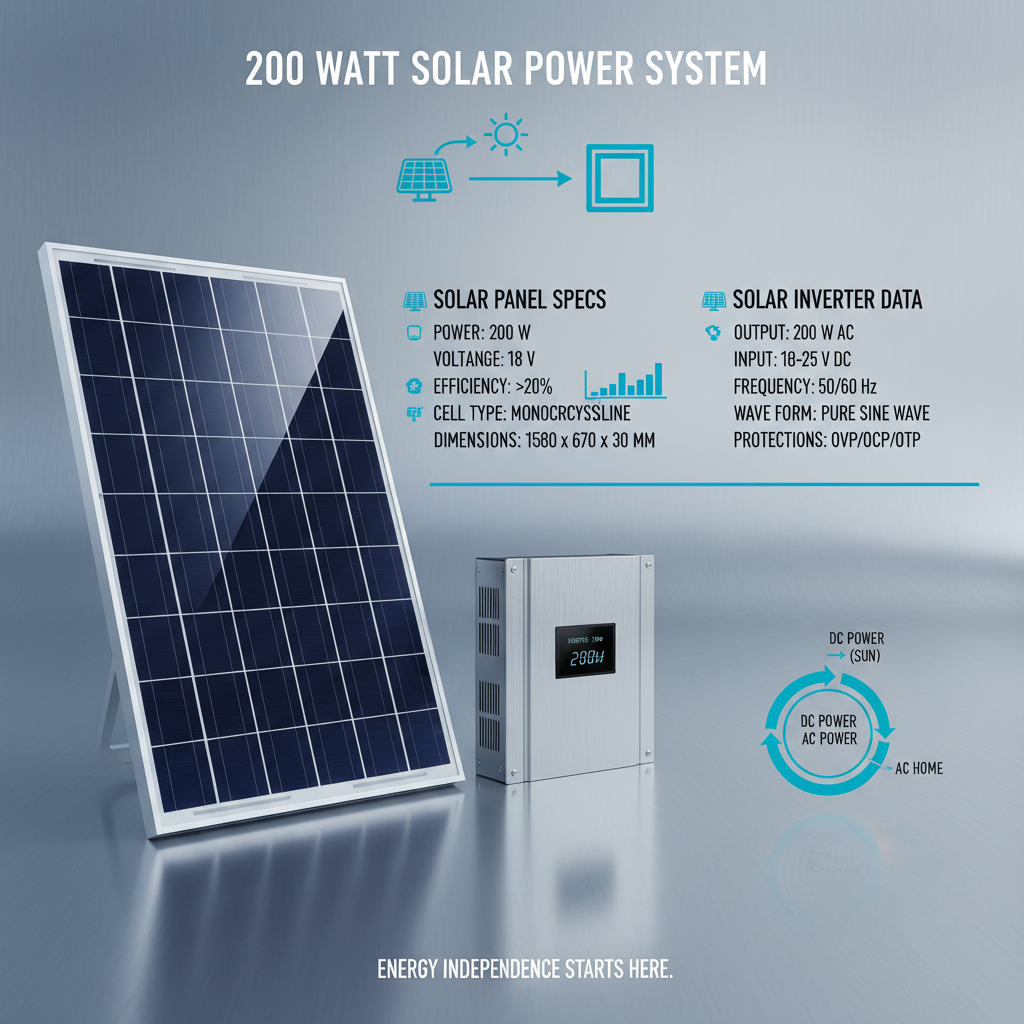
A 200 watt solar panel is a photovoltaic (PV) module designed to convert sunlight directly into electricity. The “200 watt” designation refers to the panel's peak power output under standard test conditions (STC), typically 1000 W/m² irradiance, 25°C cell temperature, and AM 1.5 spectrum. It's a standardized measurement used to compare the performance of different panels.
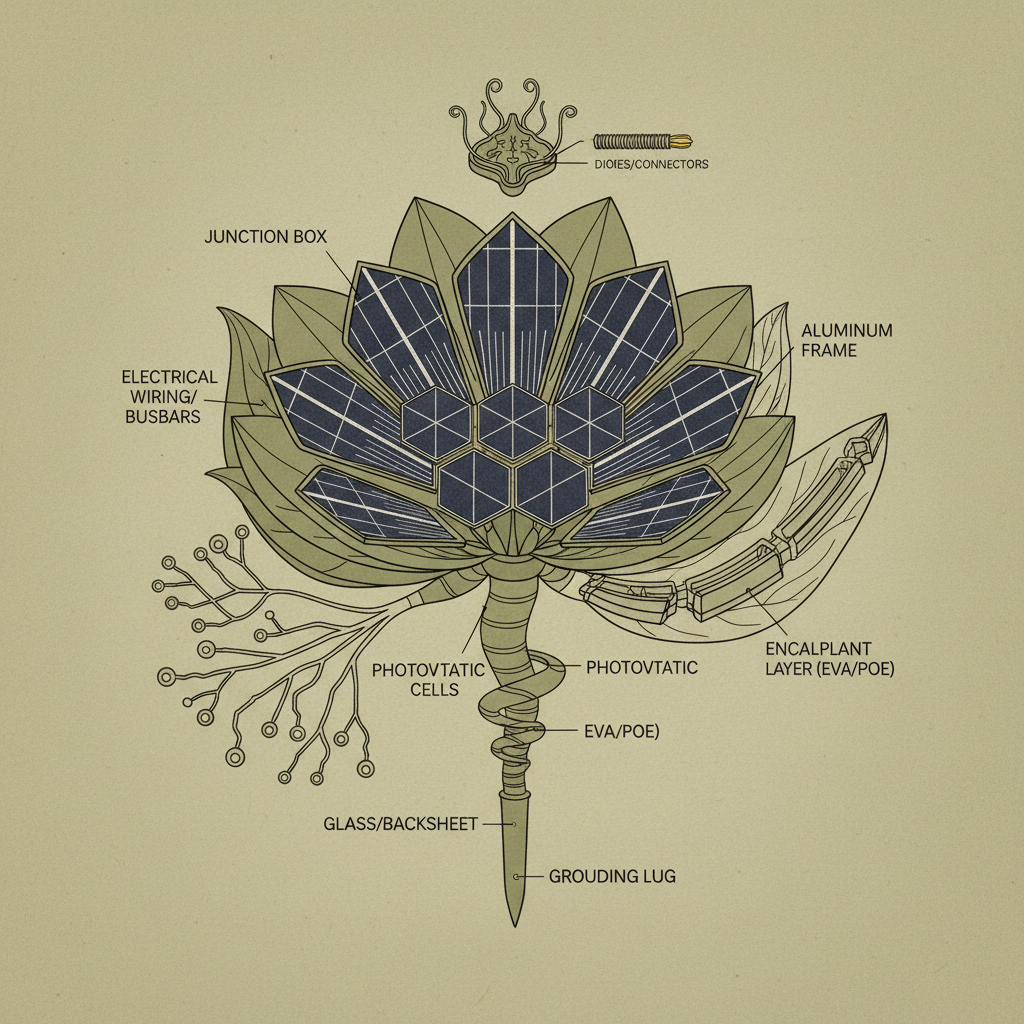
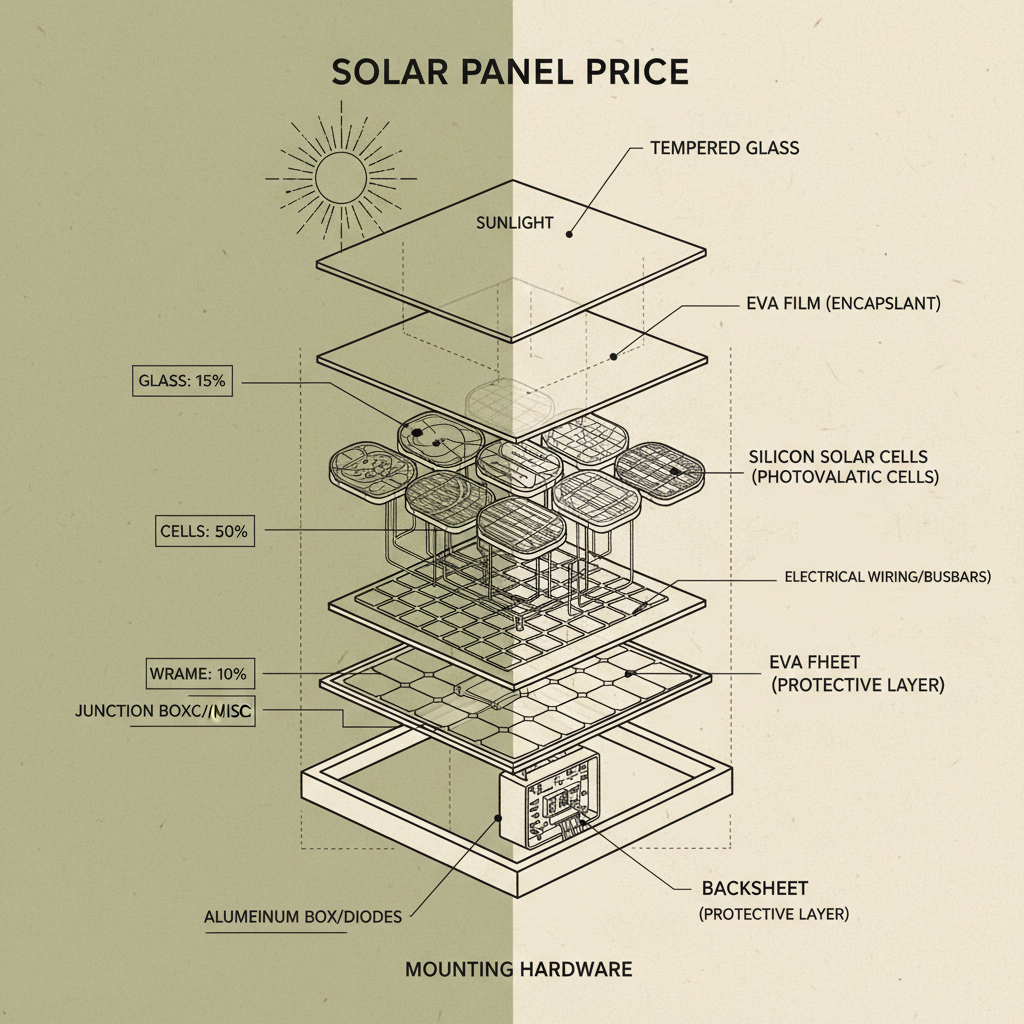
These panels consist of numerous solar cells, typically made of silicon, interconnected to form a larger module. The cells absorb photons from sunlight, generating an electric current. The panel’s voltage and current combine to produce the rated power output of 200 watts.
The connection to modern industry and humanitarian needs is profound. From powering small electronics in remote areas to providing electricity for disaster relief efforts, the 200 watt solar panel delivers crucial energy solutions where conventional power sources are unavailable or unreliable.
Core Components and Characteristics
Several key factors determine the performance and reliability of a 200 watt solar panel. First is Efficiency: This refers to the percentage of sunlight that the panel converts into electricity. Higher efficiency means more power output from the same surface area.
Next is Durability: Solar panels are exposed to harsh weather conditions, so a robust construction with weatherproof materials and a strong frame is essential. Resistance to hail, wind, and UV radiation are crucial aspects. Cell Technology is also important, with options like monocrystalline, polycrystalline, and thin-film each offering varying levels of efficiency and cost. Warranty provides peace of mind, reflecting the manufacturer's confidence in the panel's performance and longevity. Finally, Temperature Coefficient measures how much the power output decreases as the panel’s temperature increases – a lower coefficient is preferable.
These characteristics directly relate to practical applications. Higher efficiency panels are ideal for limited roof space, while durable panels are critical for harsh climates. Understanding the temperature coefficient is important in hot regions, as power output can significantly decrease during peak sunlight hours. A solid warranty ensures long-term investment protection.
The performance of a 200 watt solar panel is also heavily influenced by its electrical specifications, including its open-circuit voltage (Voc), short-circuit current (Isc), and maximum power point voltage (Vmp) and current (Imp). These parameters dictate how the panel integrates with other components in a solar power system, such as inverters and charge controllers.
Practical Applications of 200 watt Solar Panels
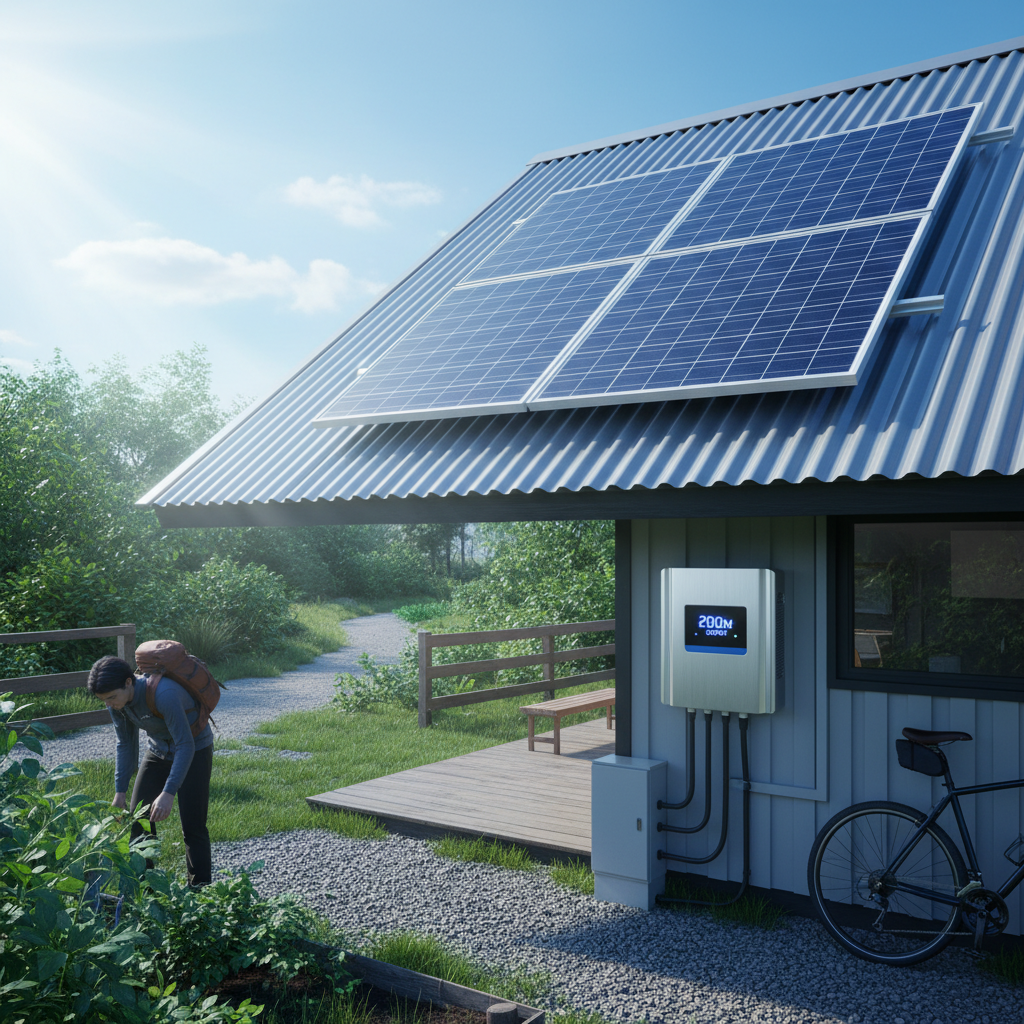
The versatility of the 200 watt solar panel makes it suitable for numerous applications. It's a common choice for powering off-grid cabins, RVs, and boats, providing electricity for lighting, refrigeration, and small appliances.
In residential settings, these panels can supplement grid electricity, reducing energy bills and reliance on fossil fuels. They are often used in small-scale solar power systems, integrated with battery storage for backup power during outages. They're also employed in remote monitoring stations, security systems, and outdoor lighting applications.
200 watt solar panel Applications
Global Impact and Use Cases
In post-disaster relief operations, 200 watt solar panel can provide critical power for communication, medical equipment, and essential services when the grid is down. Organizations like the Red Cross and Doctors Without Borders frequently deploy portable solar solutions in emergency situations.
In remote industrial zones, such as mining operations or research facilities, these panels offer a reliable and cost-effective power source, reducing the need for expensive and environmentally damaging diesel generators. They are also increasingly used in agricultural applications, powering irrigation systems and remote monitoring equipment.
Advantages and Long-Term Value
The advantages of using a 200 watt solar panel are multifaceted. Cost savings on electricity bills are a primary benefit, particularly in areas with high energy prices. Sustainability is another key advantage, reducing your carbon footprint and contributing to a cleaner environment. Reliability and independence from the grid offer peace of mind, especially in areas prone to power outages.
Beyond the tangible benefits, solar energy fosters a sense of empowerment and self-sufficiency. It represents a proactive step towards a more sustainable lifestyle, aligned with growing environmental consciousness. The long-term value extends beyond financial savings – it’s an investment in a healthier planet and a more secure future.
Future Trends and Innovations
Several exciting trends are shaping the future of 200 watt solar panel technology. Research into perovskite solar cells promises higher efficiencies and lower production costs. Integration with smart grid technologies will enable more efficient energy management and distribution. Advances in battery storage technology will further enhance the reliability and usability of solar power systems.
The convergence of green energy with digital transformation is also driving innovation. AI-powered monitoring and optimization systems will maximize energy output and predict potential maintenance needs. Automation in manufacturing processes will continue to reduce production costs and improve panel quality.
Summary of Key Performance Indicators for 200 watt Solar Panels
| Panel Type |
Efficiency Rating (%) |
Estimated Lifespan (Years) |
Cost per Watt ($) |
| Monocrystalline |
18-22 |
25-30 |
0.60-0.80 |
| Polycrystalline |
15-17 |
20-25 |
0.50-0.70 |
| Thin-Film |
10-13 |
15-20 |
0.40-0.60 |
| Bifacial |
18-24 |
25-30 |
0.70-0.90 |
| Half-Cut Cell |
19-21 |
25-30 |
0.65-0.85 |
| PERC |
19-22 |
25-30 |
0.60-0.80 |
FAQS
Most reputable manufacturers offer a 25-30 year performance warranty on their 200 watt solar panels, guaranteeing a minimum power output level over that period. However, panels can often continue to generate electricity beyond this timeframe, albeit at a reduced efficiency. Factors like environmental conditions and maintenance play a significant role in the actual lifespan. Degradation is typically around 0.5% per year, meaning after 25 years, a panel might produce around 87.5% of its original power output.
A typical 200 watt solar panel measures approximately 65-68 inches long and 39-40 inches wide, requiring roughly 18-20 square feet of unobstructed space. It’s essential to consider shading from trees or buildings, as even partial shading can significantly reduce power output. Also, ensure sufficient space for ventilation around the panel to prevent overheating, which can also affect performance.
Monocrystalline panels are made from a single crystal of silicon, resulting in higher efficiency and a sleek, black appearance. They are generally more expensive than polycrystalline panels. Polycrystalline panels are made from multiple silicon crystals, making them less efficient but also more affordable. The choice depends on your available space and budget – monocrystalline is best for limited space, while polycrystalline is a cost-effective option for larger areas.
Whether a 200 watt solar panel can run all your appliances depends on your energy consumption. A 200-watt panel typically generates around 800-1200 Watt-hours per day, depending on sunlight conditions. To determine if it's sufficient, calculate your daily energy usage in Watt-hours and compare it to the panel’s potential output. For larger energy needs, you may need multiple panels or a hybrid system combining solar with other energy sources.
Beyond the 200 watt solar panel, you’ll typically need a charge controller to regulate the flow of electricity to your battery, a battery to store the energy for later use, an inverter to convert the DC power from the battery to AC power for appliances, and wiring and mounting hardware. A fuse or circuit breaker is also crucial for safety. The specific components will depend on whether you’re building an on-grid or off-grid system.
Yes, a 200 watt solar panel is commonly used to charge 12V batteries. However, you’ll need a charge controller designed for 12V systems to prevent overcharging and damage to the battery. The charge controller regulates the voltage and current, ensuring the battery receives the optimal charging profile. Selecting the right charge controller type (PWM or MPPT) depends on your specific needs and budget. MPPT controllers are more efficient but also more expensive.
Conclusion
The 200 watt solar panel represents a powerful and accessible entry point into the world of renewable energy. Its versatility, affordability, and growing efficiency make it a valuable asset for homeowners, off-grid enthusiasts, and humanitarian organizations alike. From reducing energy costs and environmental impact to providing reliable power in remote locations, the benefits are clear and compelling.
Looking ahead, continued innovation in solar cell technology, coupled with advancements in energy storage and smart grid integration, will further enhance the performance and usability of these panels. By embracing this technology, we can collectively contribute to a more sustainable and resilient energy future. To explore the possibilities for your energy needs, visit our website at www.benjiusolar.com.