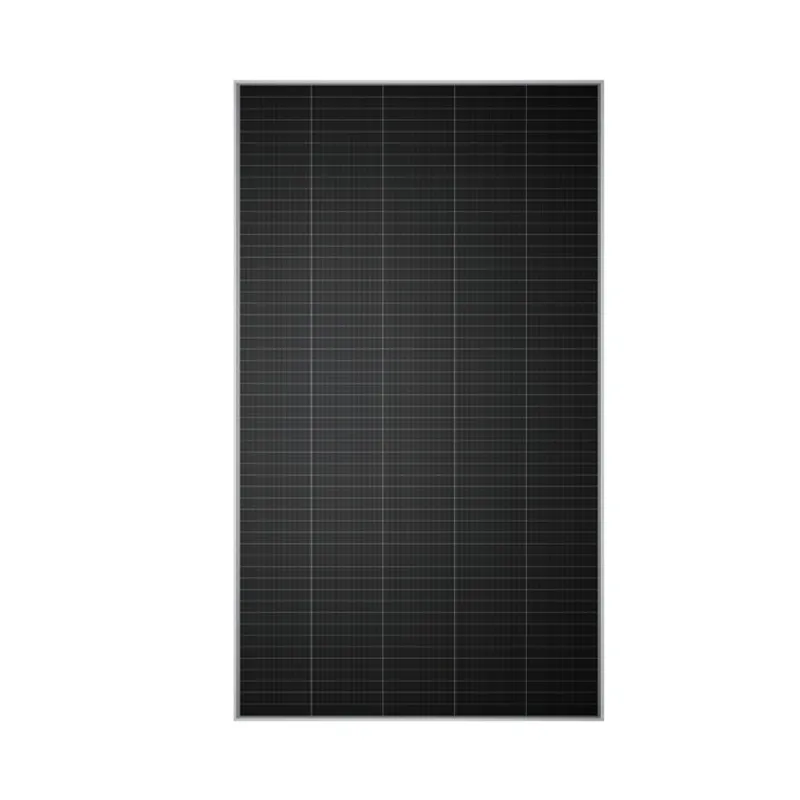
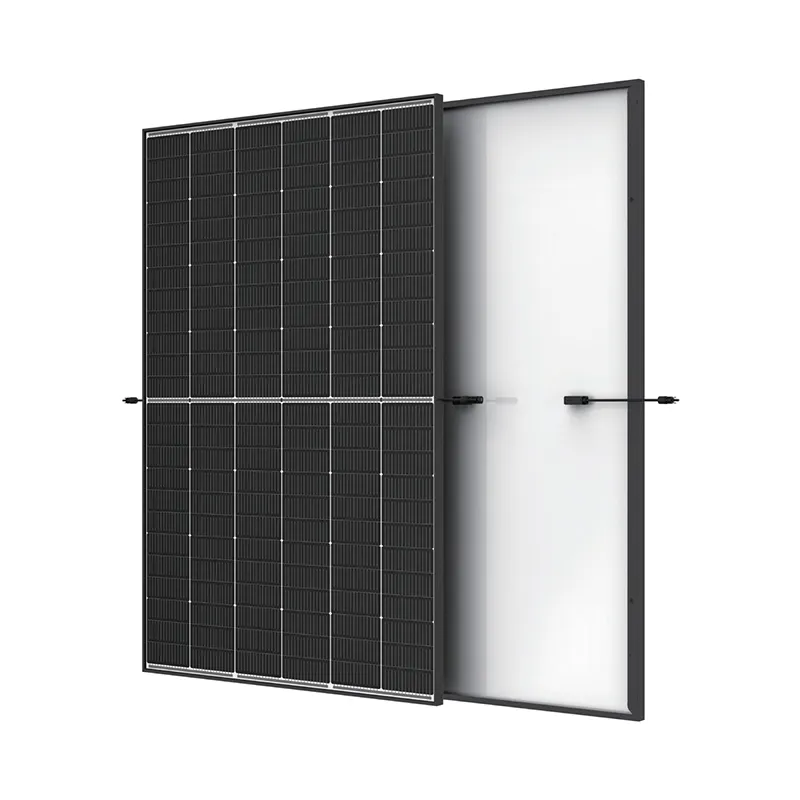
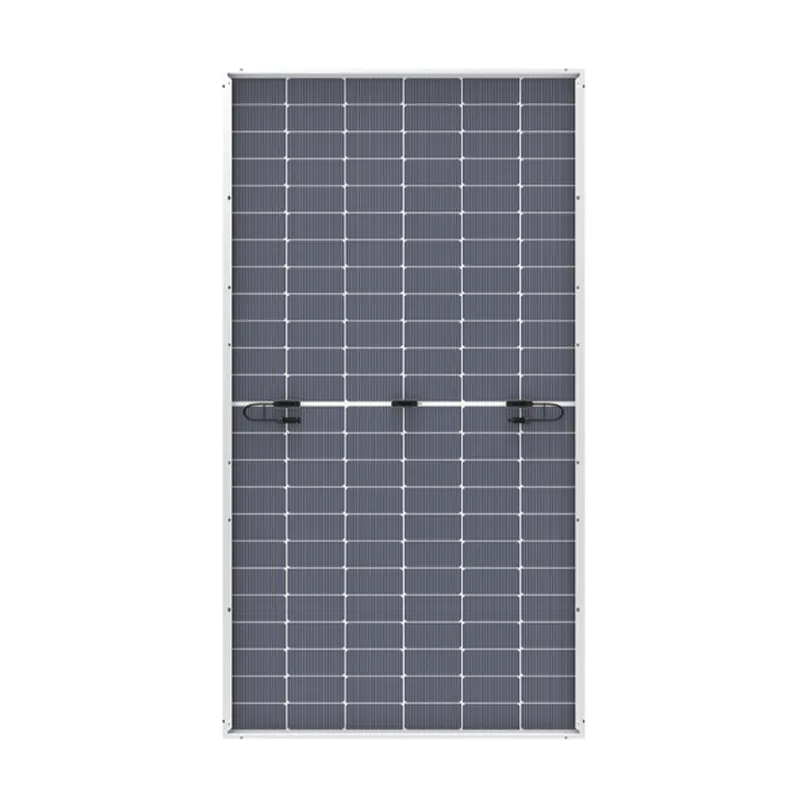
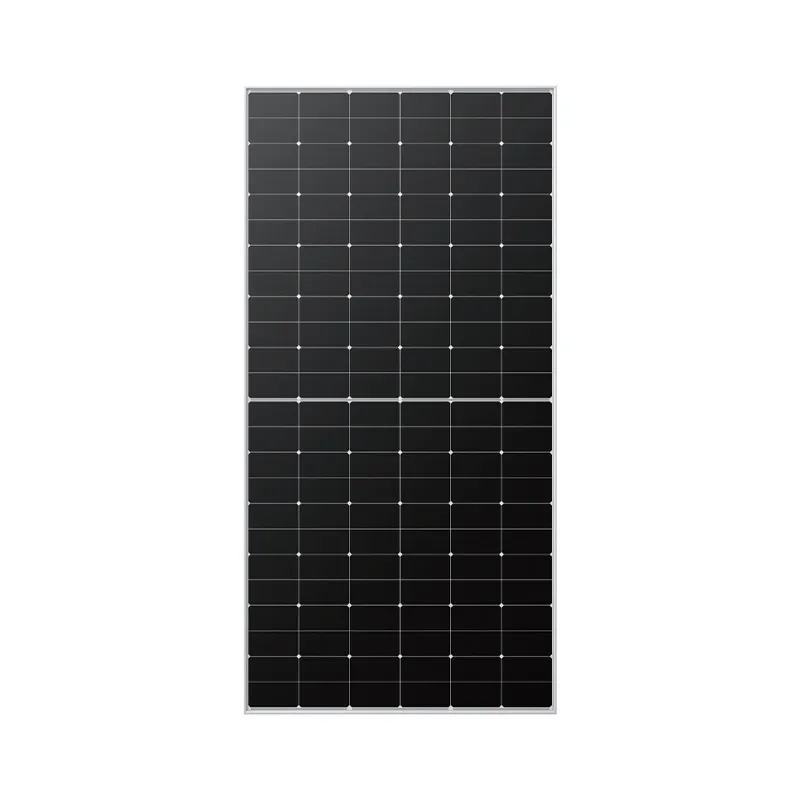
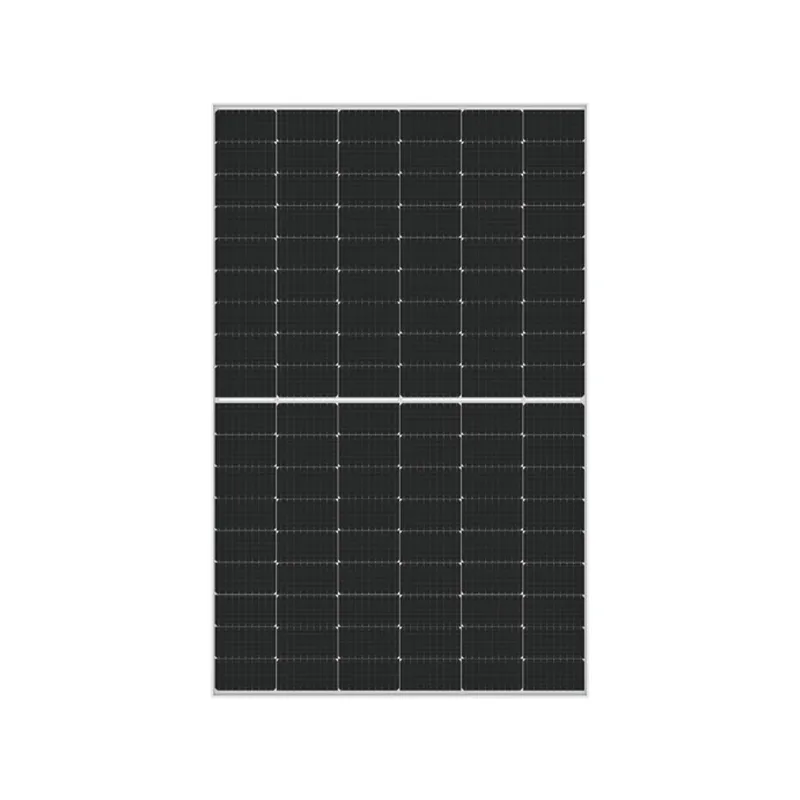
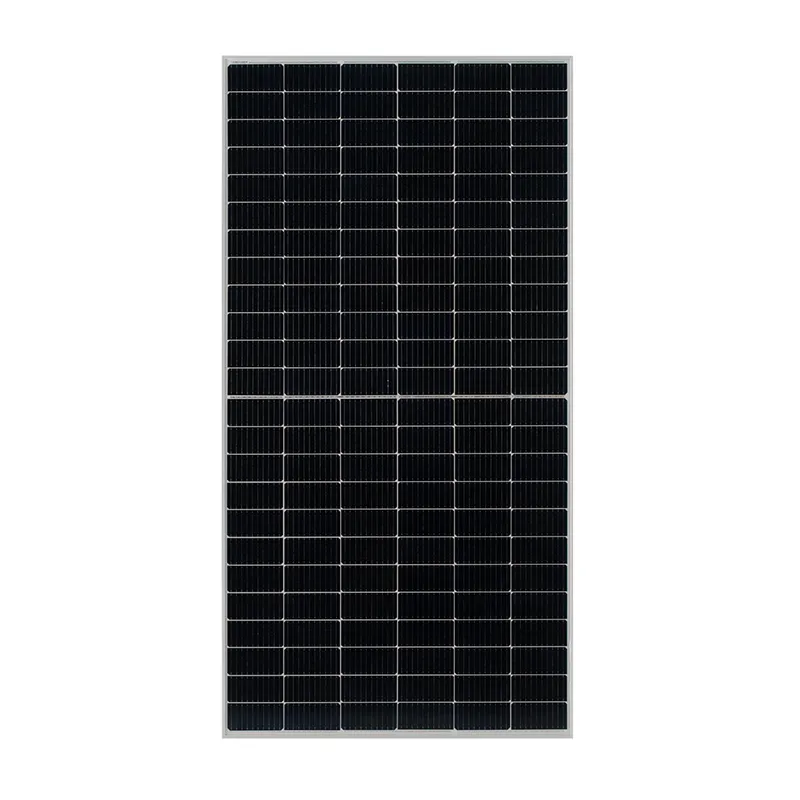
JinKO 410-430W N-Type Mono-facial Module for Home: High Efficiency
Advancing Residential Solar with N-Type Technology
The global energy landscape is rapidly shifting towards sustainable solutions, with solar photovoltaics at the forefront of this transformation. Residential solar installations are experiencing unprecedented growth, driven by decreasing costs, technological advancements, and increasing environmental consciousness. A pivotal development in this sector is the widespread adoption of N-type monocrystalline solar cell technology, which offers superior efficiency, reliability, and long-term performance compared to traditional P-type cells.
In this context, the JinKO 410-430W N-Type Mono-facial Module Solar Panel for Home stands out as a premier solution for homeowners seeking optimal energy generation. This article will delve into the technical intricacies, application benefits, and strategic advantages of integrating this advanced solar module into residential energy systems, ensuring a comprehensive understanding for B2B decision-makers and technical professionals.
Manufacturing Process: Precision Engineering for Peak Performance
The production of a JinKO 410-430W N-Type Mono-facial Module Solar Panel for Home involves a sophisticated sequence of high-precision manufacturing steps, designed to maximize efficiency and durability. JinkoSolar adheres to stringent quality control protocols, including ISO 9001 for quality management and ISO 14001 for environmental management, ensuring that each module meets global industry benchmarks.
Key Manufacturing Stages:
- Silicon Ingot Production: High-purity polysilicon (9N purity or higher) is melted and then slowly drawn using the Czochralski (CZ) method to form N-type monocrystalline silicon ingots. This controlled process ensures a uniform crystal structure, critical for high cell efficiency.
- Wafer Slicing: The ingots are precisely sliced into thin N-type wafers (typically 150-180µm thick) using diamond wire saws. Minimizing kerf loss and ensuring uniform thickness are paramount.
- Cell Fabrication (TOPCon Technology):
- Doping and Junction Formation: The N-type wafers undergo phosphorus diffusion to create the emitter layer, forming a p-n junction.
- Passivating Contact (TOPCon): A thin layer of tunnel oxide followed by a heavily doped polycrystalline silicon layer is deposited on the rear side. This Tunnel Oxide Passivated Contact (TOPCon) structure significantly reduces recombination losses, enhancing efficiency.
- Metallization: Fine silver paste lines are printed on the front side (grid lines) and a full-area aluminum or silver-aluminum paste on the rear side, followed by firing, to form electrical contacts. Multi-busbar (MBB) technology is often employed to reduce ohmic losses.
- Anti-Reflective Coating: A silicon nitride (SiNx) layer is applied to the front surface to minimize light reflection and maximize absorption.
- Module Assembly:
- Cell Stringing: Individual cells are connected in series using automated soldering machines to form strings.
- Lamination: The cell strings are encapsulated between layers of Ethylene Vinyl Acetate (EVA), a high-transmission glass front sheet, and a durable backsheet. This assembly is heated and compressed in a laminator to create a hermetic seal, protecting the cells from environmental degradation.
- Framing: An anodized aluminum alloy frame is affixed, providing structural integrity and ease of installation. This frame also enhances corrosion resistance, a crucial advantage in varying climates.
- Junction Box and Connectors: A weatherproof junction box, typically with an IP68 rating, is attached to the back, housing bypass diodes and MC4 connectors for safe and reliable electrical connections.
- Final Testing and Quality Control: Each module undergoes rigorous testing, including Electroluminescence (EL) and Infrared (IR) imaging for micro-cracks or defects, flash testing for power output (STC), and potential induced degradation (PID) testing, conforming to IEC 61215 and IEC 61730 standards. This ensures a service life of 25-30 years with minimal degradation.
Target industries for this technology are primarily residential and light commercial sectors, where energy saving is paramount and long-term reliability against environmental factors like corrosion and UV degradation is critical.
Technical Specifications: Precision Engineered for Optimal Performance
The JinKO 410-430W N-Type Mono-facial Module Solar Panel for Home leverages advanced N-type TOPCon cell technology to deliver exceptional power output and efficiency. The specifications below are based on Standard Test Conditions (STC: 1000 W/m², 25°C cell temperature, AM 1.5 spectrum), providing a clear overview of its capabilities.
Key Electrical and Mechanical Parameters
| Parameter | Value/Range (430W Variant) | Description |
|---|---|---|
| Maximum Power (Pmax) | 430 W | Peak power output under STC. |
| Module Efficiency | 22.02% (typically 21.0-22.02%) | Percentage of incident sunlight converted into electricity. |
| Open-Circuit Voltage (Voc) | 51.98 V | Voltage across the module terminals when no load is connected. |
| Short-Circuit Current (Isc) | 10.42 A | Current flowing through the module when the terminals are short-circuited. |
| Maximum Power Voltage (Vmp) | 43.00 V | Voltage at which the module produces maximum power. |
| Maximum Power Current (Imp) | 10.00 A | Current at which the module produces maximum power. |
| Power Tolerance | 0 ~ +3% | Guaranteed positive power output tolerance. |
| Temperature Coefficient of Pmax | -0.29%/°C | Rate at which power output decreases with increasing temperature. N-type modules have superior coefficients. |
| Operating Temperature | -40°C ~ +85°C | Ambient temperature range for safe operation. |
| Max. System Voltage | 1000/1500 V DC (IEC) | Maximum permissible voltage for the entire PV system. |
| Cell Type | N-Type Monocrystalline | Advanced silicon technology for higher efficiency and better degradation characteristics. |
| Number of Cells | 108 (6x18) Half-Cut Cells | Half-cut cells reduce current, minimizing hot spots and increasing efficiency. |
| Module Dimensions | Typically 1722 × 1134 × 30 mm (L×W×H) | Physical size of the module, suitable for residential rooftops. |
| Weight | 22.0 kg | Weight of the individual module. |
| Frame | Anodized Aluminum Alloy | Provides structural support and corrosion resistance. |
| Connector | MC4 Compatible | Industry-standard connectors for secure and waterproof connections. |
| Junction Box | IP68 Rated | High protection against dust and prolonged immersion in water. |
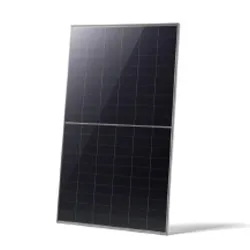
These robust specifications underpin the module's capability to deliver consistent, high-yield energy generation over its extensive operational lifespan, reinforcing its suitability for demanding residential solar applications.
Application Scenarios for Residential Solar Systems
The versatility and high performance of the JinKO 410-430W N-Type Mono-facial Module Solar Panel for Home make it an ideal choice for a range of residential photovoltaic (PV) applications. Its compact yet powerful design ensures optimal energy capture even on limited roof spaces.
Typical Residential Implementations:
- Standard Rooftop Grid-Tied Systems: The most common application, where panels are mounted on the main house roof and connected to the utility grid via an inverter. Excess energy can be fed back to the grid (net metering), reducing electricity bills and potentially earning credits.
- Rooftop Systems with Battery Storage: For homeowners seeking greater energy independence and resilience against grid outages, these modules can be integrated with battery storage solutions. Energy generated during the day can be stored and utilized during peak demand periods or at night, maximizing self-consumption.
- Carport or Pergola Integrated Systems: Beyond the main roof, these panels are excellent for integrating into solar carports or pergolas, providing shade while simultaneously generating clean electricity. This dual-functionality maximizes property utility and aesthetic appeal.
- Off-Grid Remote Home Applications: For properties without access to the main power grid, these modules can form the core of a robust off-grid system, paired with substantial battery banks and charge controllers to ensure continuous power supply for essential home functions.
In all these scenarios, the high efficiency and superior low-light performance of N-type cells ensure consistent energy yield, crucial for meeting diverse household energy demands effectively.
Technical Advantages of N-Type Mono-facial Technology
The choice of N-type technology for the JinKO 410-430W N-Type Mono-facial Module Solar Panel for Home offers distinct technical advantages over traditional P-type modules, translating into higher performance and a greater return on investment for residential users.
Key Advantages:
- Higher Conversion Efficiency: N-type TOPCon cells achieve higher efficiencies, typically exceeding 22%, due to reduced carrier recombination and improved passivation. This means more power generated per square meter, optimizing energy output from limited rooftop space.
- Lower Power Degradation: N-type cells inherently suffer less from Light Induced Degradation (LID) and LeTID (Light and elevated Temperature Induced Degradation) compared to P-type cells. This ensures a higher effective power output over the module's lifetime, often guaranteed with a superior linear power warranty (e.g., 0.4% annual degradation for N-type versus 0.5% for P-type).
- Superior Temperature Coefficient: With a temperature coefficient of Pmax around -0.29%/°C, N-type modules lose less power in high-temperature environments. This is crucial for rooftops where panel temperatures can significantly exceed ambient air temperatures, especially in summer months, leading to better real-world performance.
- Excellent Low-Light Performance: N-type cells demonstrate enhanced performance under low-irradiance conditions, such as cloudy days or early morning/late afternoon. This translates to extended daily energy production and higher overall annual energy yield.
- Reduced Potential Induced Degradation (PID): N-type technology exhibits higher resistance to PID, a phenomenon where high system voltages can cause power loss in modules. This adds to the long-term reliability and stability of the system.
- Enhanced Corrosion Resistance: The robust construction and use of high-quality materials, including anodized aluminum frames and IP68 rated junction boxes, ensure superior resistance to environmental factors such as moisture, salt mist, and ammonia, as validated by IEC 61701 (Salt Mist) and IEC 62716 (Ammonia) certifications.
These technical merits position the JinKO 410-430W N-Type Mono-facial Module Solar Panel for Home as a highly reliable and efficient choice for homeowners and integrators prioritizing long-term energy security and optimized performance.
Vendor Comparison: JinKO N-Type Modules vs. Competitors
In a competitive solar market, understanding how a product like the JinKO 410-430W N-Type Mono-facial Module Solar Panel for Home compares to other leading manufacturers is crucial for informed decision-making. JinkoSolar is a Tier 1 manufacturer, renowned for its consistent innovation and global market leadership. Below is a comparison with two other prominent N-type module suppliers.
N-Type Mono-facial Module Comparison (Residential Focus)
| Feature | JinkoSolar (e.g., Tiger Neo 410-430W) | Longi Solar (e.g., Hi-MO 6 Explorer) | Trina Solar (e.g., Vertex S+) |
|---|---|---|---|
| Cell Technology | N-Type TOPCon | N-Type TOPCon | N-Type TOPCon |
| Power Output Range | 410-430W | 415-440W | 425-450W |
| Max. Module Efficiency | ~22.02% | ~22.3% | ~22.5% |
| Temperature Coeff. (Pmax) | -0.29%/°C | -0.29%/°C | -0.30%/°C |
| Product Warranty | 15 Years | 15 Years | 15 Years |
| Performance Warranty (after 30 yrs) | 87.4% (0.4% annual deg.) | 87.4% (0.4% annual deg.) | 87.4% (0.4% annual deg.) |
| Key Features | Low LID/LeTID, Anti-PID, Hot 2.0 Tech, Excellent low-light performance. | HPBC cells (Hybrid Passivated Back Contact), high aesthetic appeal, enhanced degradation. | Small form factor, optimized for residential, high power density. |
While all three manufacturers offer competitive N-type modules for home use, JinkoSolar's modules, including the JinKO 410-430W N-Type Mono-facial Module Solar Panel for Home, consistently rank among the best in terms of power output stability, minimal degradation, and overall reliability. Their commitment to advanced TOPCon technology, combined with a strong global presence and proven track record, positions them as a leading choice for quality residential solar deployments.
Customized Solutions and System Integration
Deploying a solar PV system for a home is rarely a one-size-fits-all endeavor. The JinKO 410-430W N-Type Mono-facial Module Solar Panel for Home offers excellent flexibility for integration into highly customized residential energy solutions. Benjiu Solar specializes in designing and implementing systems that meet specific client requirements, optimizing for energy generation, aesthetic integration, and budget constraints.
Key Aspects of Customization:
- System Sizing: Based on historical energy consumption, future energy needs (e.g., EV charging), and roof area availability, we design the optimal number of 410-430W panels to maximize energy offset or achieve net-zero targets.
- Inverter Selection: Compatibility with various inverter types (string inverters, micro-inverters, hybrid inverters) allows for systems tailored to specific needs, such as shade mitigation, individual panel monitoring, or battery readiness.
- Mounting Structures: Custom mounting solutions are provided for diverse roof types (tile, shingle, flat, metal) and ground-mount installations, ensuring structural integrity and aesthetic harmony.
- Energy Storage Integration: Seamless integration with leading battery storage systems (e.g., BYD, Enphase, Tesla Powerwall) is offered, enabling homeowners to store surplus solar energy for night-time use or grid independence.
- Monitoring and Control Systems: Advanced monitoring platforms provide real-time data on energy production and consumption, allowing homeowners to optimize their energy usage and identify potential issues quickly.
Our experienced technical team collaborates closely with clients from initial consultation and site assessment to system design, installation, and post-installation support, ensuring a bespoke solution that delivers maximum value and performance.
Application Case Studies: Realizing Residential Energy Independence
The deployment of the JinKO 410-430W N-Type Mono-facial Module Solar Panel for Home has consistently demonstrated tangible benefits for homeowners. These case studies highlight the practical advantages and success stories from various residential installations.
Case Study 1: Suburban Family Home in California
- Client Profile: A family of four in a 2,500 sq ft home with high electricity consumption due to air conditioning and electric vehicle charging.
- Challenge: High utility bills ($350-400/month) and increasing concern over grid stability. Limited roof space for a large system.
- Solution: Installation of 18 units of JinKO 430W N-Type Mono-facial Modules (total 7.74 kWp) paired with a 10 kW hybrid inverter and 13.5 kWh battery storage. The system was designed to optimize self-consumption and provide backup power.
- Results: The system achieved an average of 95% energy offset, reducing monthly electricity bills to less than $20 (connection fees). The homeowner experienced seamless power during two grid outages, highlighting the reliability of the N-type modules and integrated storage. Annual energy savings exceeded $4,000.
Case Study 2: Coastal Property in Florida
- Client Profile: A beachfront property susceptible to salt mist and high humidity, requiring a robust and corrosion-resistant solar solution.
- Challenge: The need for a solar system that could withstand harsh coastal environmental conditions while delivering high performance.
- Solution: A 6.45 kWp system comprising 15 units of JinKO 430W N-Type Mono-facial Modules was installed. These modules were specifically chosen for their superior corrosion resistance and robust build quality, certified for salt mist and ammonia exposure (IEC 61701 & IEC 62716).
- Results: After two years of operation, the system has shown no signs of degradation due to environmental factors, maintaining its initial power output levels. The homeowner reports a significant reduction in energy costs, enjoying reliable power even during periods of heavy rainfall and humidity, demonstrating the long-term durability and energy saving capabilities.
Trustworthiness and Support: FAQ, Lead Time, Warranty, and After-Sales
At Benjiu Solar, we are committed to building long-term relationships with our clients based on transparency, reliability, and unparalleled support. Our processes and commitments are designed to ensure complete satisfaction throughout the lifecycle of your solar investment.
Frequently Asked Questions (FAQ)
- Q: What is the typical lifespan of the JinKO 410-430W N-Type Mono-facial Module Solar Panel for Home?
- A: These modules are designed for a service life of 25-30 years, backed by a 30-year linear power output warranty guaranteeing at least 87.4% of nominal power after 30 years.
- Q: How does N-type technology improve performance in hot climates?
- A: N-type modules have a superior temperature coefficient of -0.29%/°C, meaning they lose less power per degree Celsius increase compared to P-type modules. This results in higher actual energy yield in warmer regions.
- Q: Are these modules resistant to harsh weather conditions?
- A: Yes, they are built with high-quality materials and tested to withstand extreme conditions, including heavy snow loads (up to 5400 Pa), wind loads (up to 2400 Pa), salt mist, and ammonia, making them suitable for diverse environments.
Lead Time and Fulfillment
We maintain robust supply chain logistics to ensure timely delivery of your solar modules. Standard lead times for the JinKO 410-430W N-Type Mono-facial Module Solar Panel for Home typically range from 4-8 weeks, depending on order volume and destination. Expedited shipping options are available upon request for urgent projects. Our dedicated logistics team manages all aspects from factory to your site, ensuring secure and efficient delivery.
Warranty Commitments
- Product Warranty: JinkoSolar provides a 15-year limited product warranty, covering defects in materials and workmanship. This ensures the integrity of the module itself.
- Performance Warranty: A comprehensive 30-year linear power output warranty guarantees that the module will produce at least 98% of its nominal power in the first year and then degrade by no more than 0.40% annually, reaching at least 87.4% by the end of the 30th year. This is significantly better than typical P-type warranties.
Customer Support and After-Sales Service
Benjiu Solar prides itself on exceptional customer support. Our technical support team is available to assist with installation queries, troubleshooting, and performance monitoring. We offer comprehensive after-sales service, including remote monitoring support and maintenance guidance, to ensure your solar system operates at peak efficiency for decades. Contact us via phone, email, or our online portal for prompt assistance.
Conclusion
The JinKO 410-430W N-Type Mono-facial Module Solar Panel for Home represents a significant leap forward in residential solar technology. Its integration of advanced N-type TOPCon cells, coupled with rigorous manufacturing standards and robust design, ensures superior efficiency, minimal degradation, and exceptional long-term reliability. For B2B partners and homeowners, this translates into optimized energy yields, substantial energy savings, and a strong return on investment.
By choosing JinkoSolar's N-Type modules, stakeholders are investing in a proven solution that is engineered for the future, capable of meeting the evolving demands of sustainable residential energy generation. Our commitment to quality, backed by comprehensive warranties and dedicated customer support, ensures a seamless transition to clean, reliable solar power.
References
- Green, M. A., Hishikawa, Y., Warta, W., Dunlop, E. D., Hohl-Ebinger, D., Yoshita, M., & Kopidakis, N. (2020). Solar cell efficiency tables (Version 56). Progress in Photovoltaics: Research and Applications, 28(1), 3-12.
- Smets, A. H. M., Jager, P., & Zeman, M. (2016). Solar Energy: The Physics and Engineering of Photovoltaic Conversion, Technologies and Systems. Cambridge University Press.
- Basore, P. A. (2017). Advanced silicon solar cells. In Clean Energy (pp. 53-88). Elsevier.
- International Electrotechnical Commission (IEC). (2016). Photovoltaic (PV) module safety qualification - Part 1: Requirements for construction (IEC 61730-1:2016).
-
Designing a Modern Home Roof Made Out of Solar Panels GuideNewsApr.16,2026
-
Guide to the Size of 150 Watt Solar Panel for Your ProjectNewsApr.09,2026
-
Understanding the Dimensions and Applications of a 200W Solar PanelNewsApr.07,2026
-
Understanding the Dimensions and Factors of a 330W Solar Panel SizeNewsApr.04,2026
-
Understanding the Size and Dimensions of a 4kW Solar Panel System for Your HomeNewsMar.31,2026
-
Comprehensive Guide to Sizing Your Solar System for Optimal Energy ProductionNewsMar.28,2026