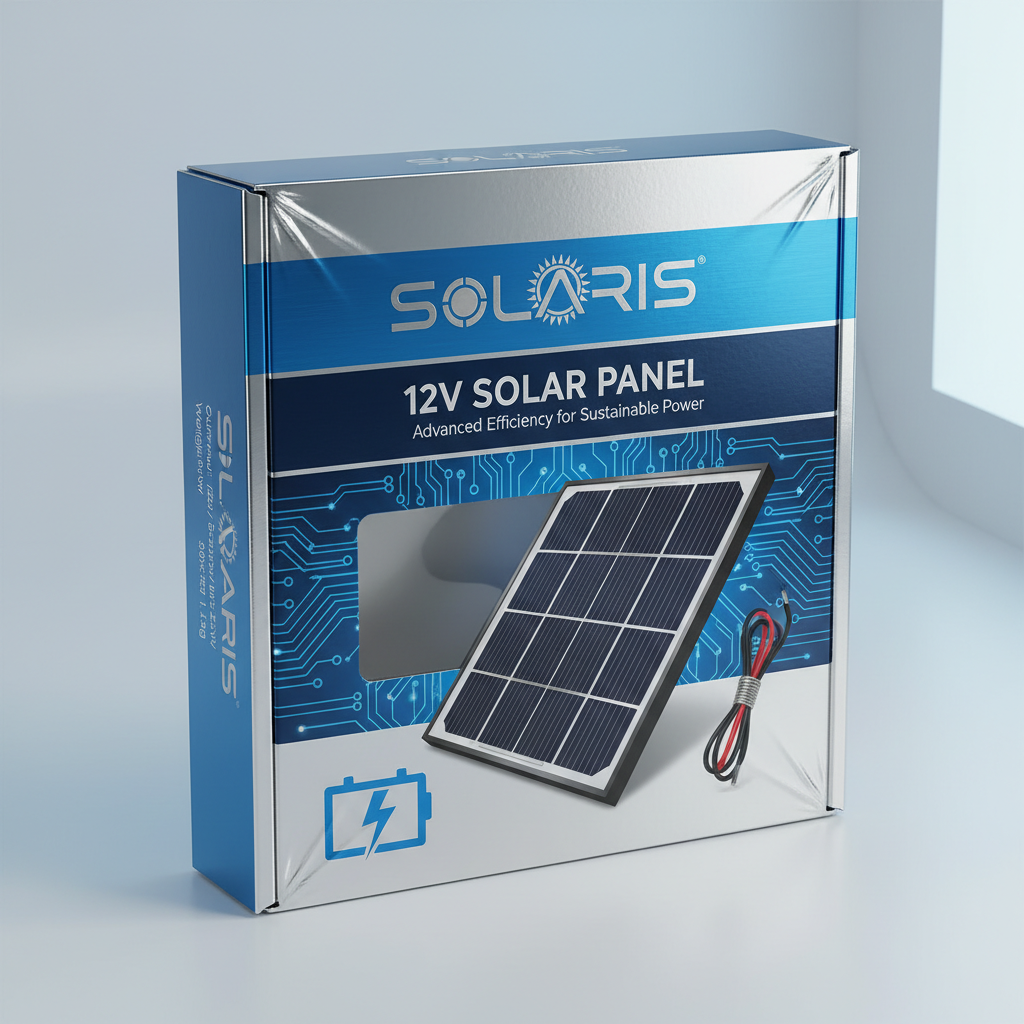
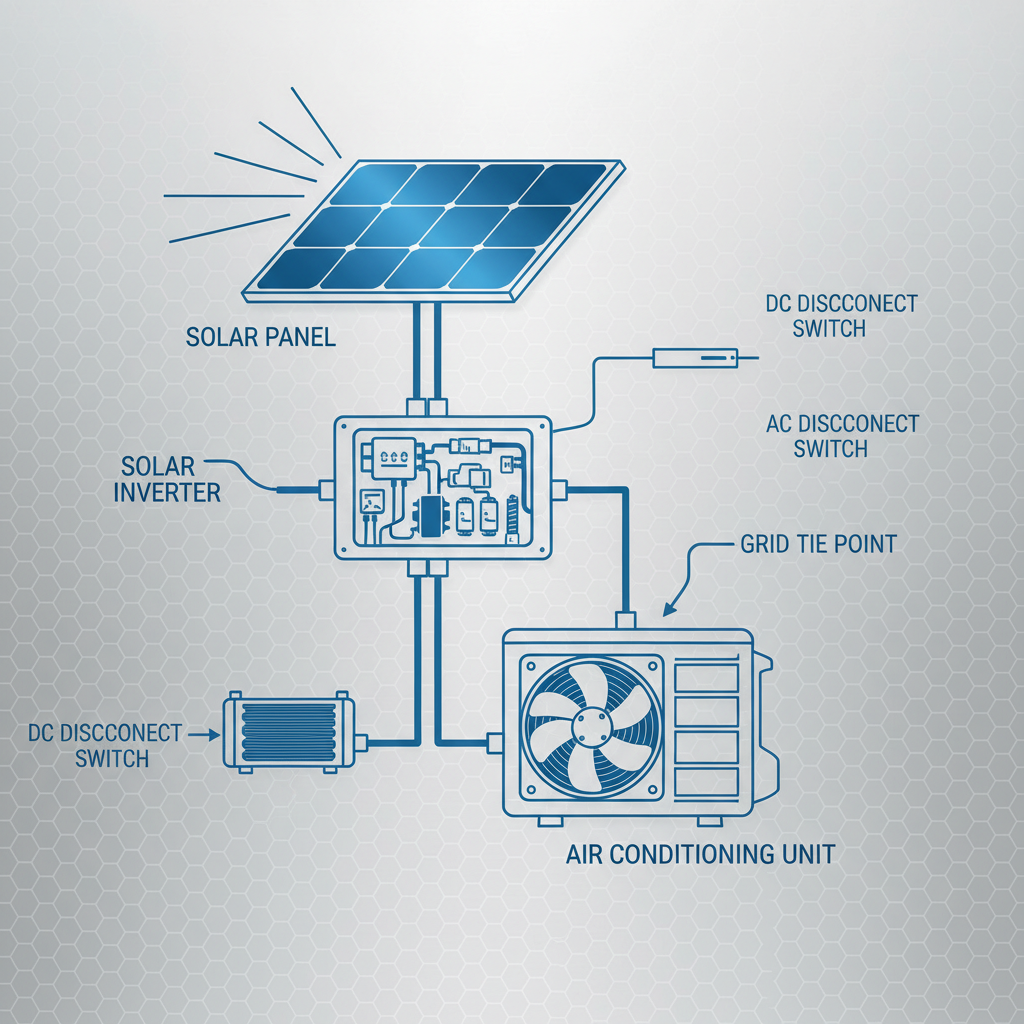
The global shift towards sustainable energy solutions has significantly increased the demand for efficient solar power systems. Central to this movement is the 400 watt solar panel, a powerhouse of renewable energy generation suitable for a wide range of applications. Understanding the capabilities and benefits of a 400 watt solar panel is crucial for individuals, businesses, and governments alike as we navigate a future increasingly reliant on clean energy sources.
The rising costs of traditional energy sources, coupled with growing environmental concerns, are driving the adoption of solar power worldwide. The 400 watt solar panel represents a sweet spot in terms of power output, efficiency, and cost-effectiveness, making it an attractive option for both residential and commercial installations. Its versatility allows it to power homes, businesses, and even remote off-grid locations.
Investing in a 400 watt solar panel is not merely an environmental choice; it’s a financially sound decision. With government incentives and decreasing solar panel costs, the return on investment is becoming increasingly compelling. Furthermore, the long-term reliability and minimal maintenance requirements of modern 400 watt solar panels offer peace of mind and consistent energy savings.
Understanding the Significance of 400 Watt Solar Panels
The 400 watt solar panel represents a critical step in the evolution of renewable energy technology. Its increased power output compared to earlier models allows for more efficient energy generation in a smaller footprint. This is particularly beneficial for homeowners and businesses with limited roof space.
The increased efficiency of 400 watt solar panels also translates to lower balance-of-system costs, such as wiring and installation. This makes solar energy more accessible and affordable for a wider range of consumers, accelerating the transition to a cleaner, more sustainable energy future.
Defining the 400 Watt Solar Panel
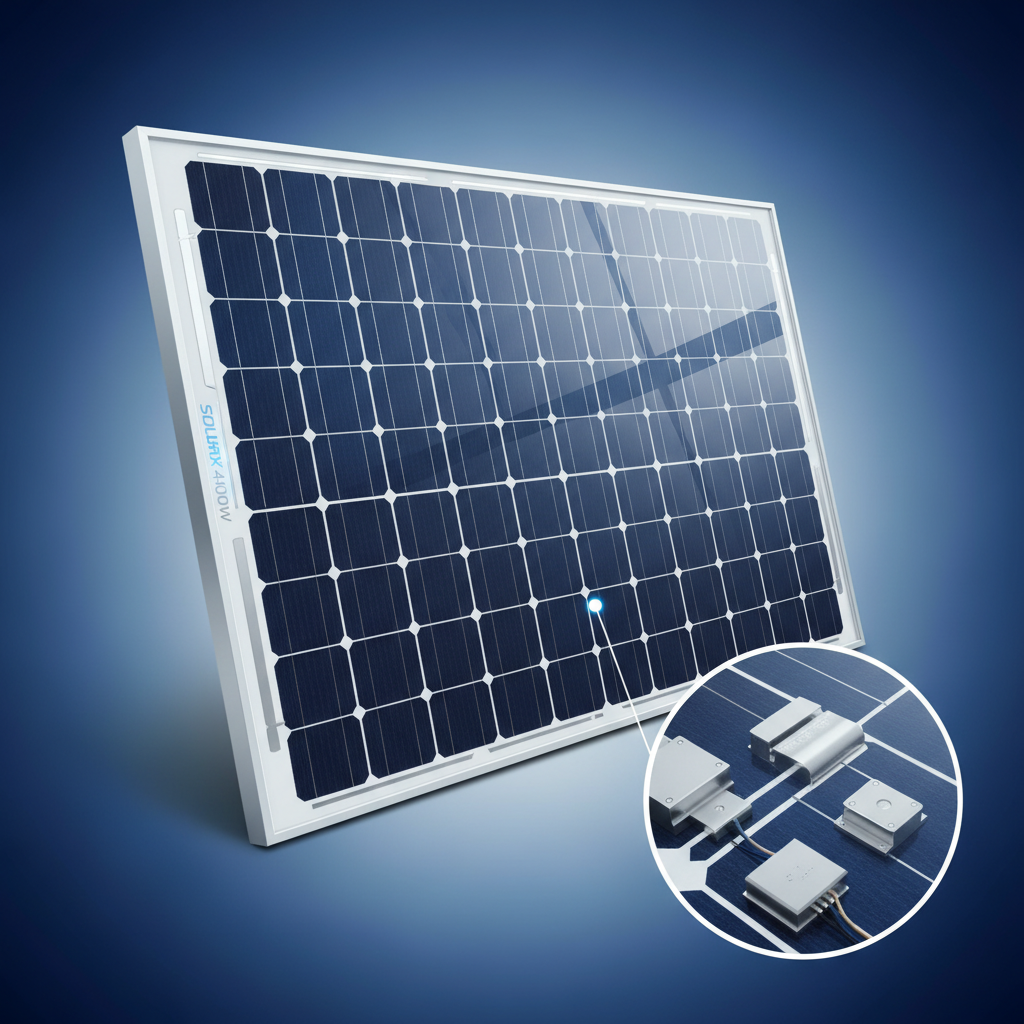
A 400 watt solar panel is a photovoltaic (PV) module designed to convert sunlight directly into electricity. “400 watt” refers to the panel’s peak power output under standard test conditions – meaning full sunlight and a specific temperature. This output is a key indicator of the panel’s efficiency and potential energy generation capacity.
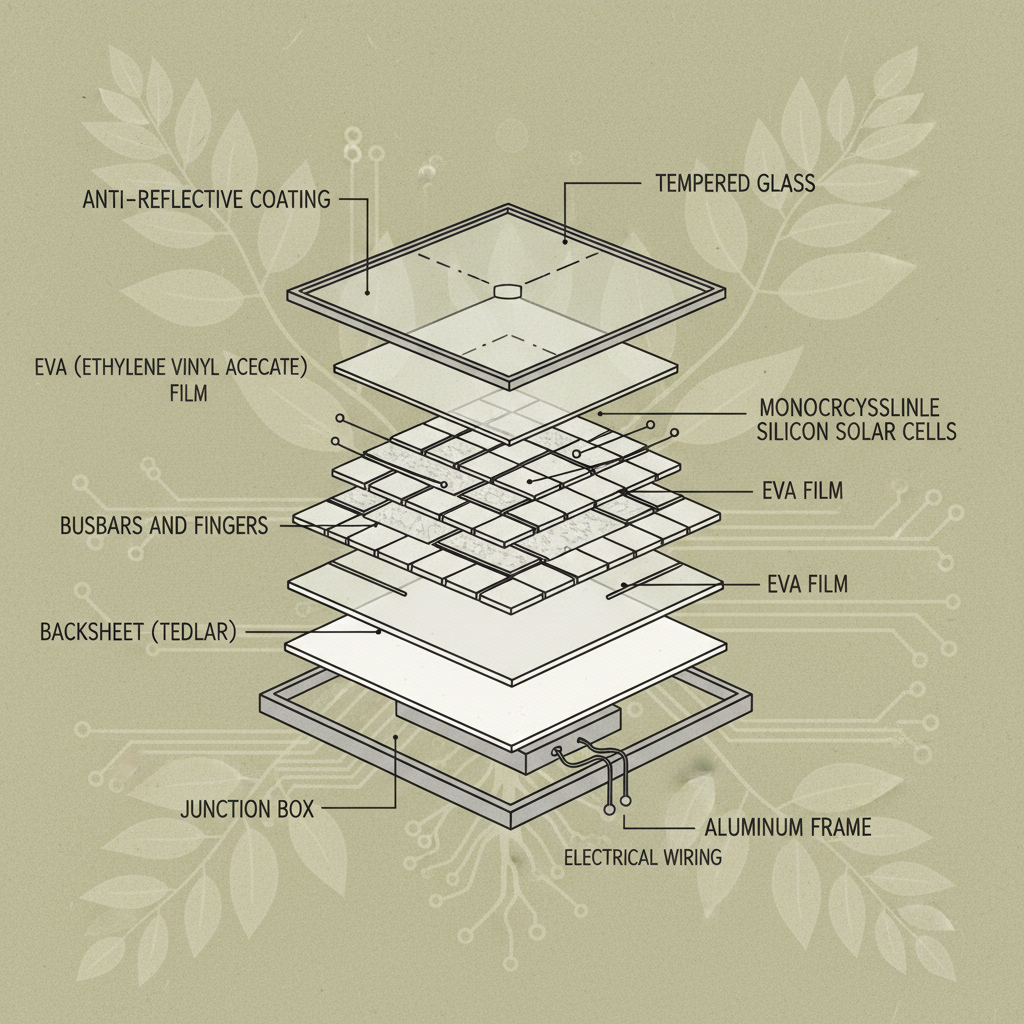
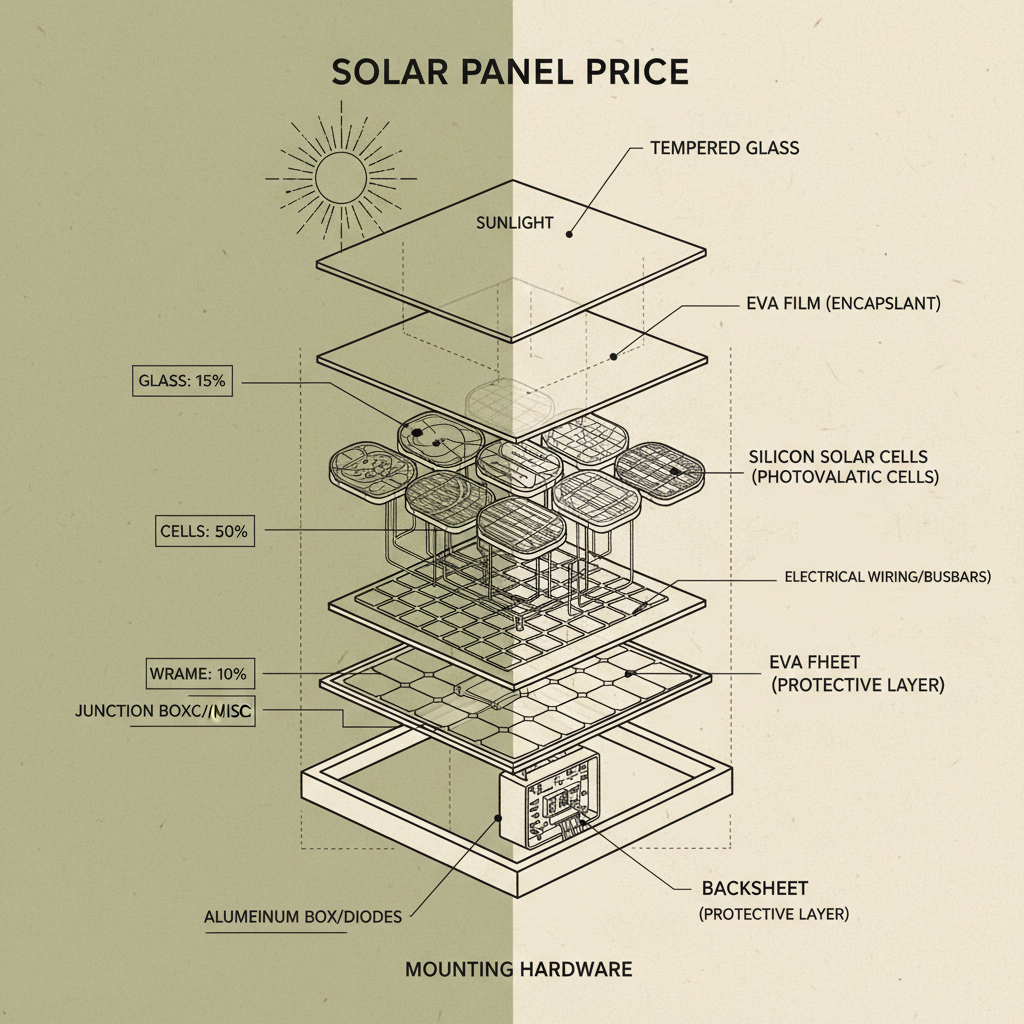
These panels are constructed using multiple solar cells, typically made from silicon, and are encapsulated in a durable protective layer. The 400 watt rating makes them ideally suited for both residential and commercial applications, offering a substantial power boost compared to older, less efficient models.
The increasing demand for a 400 watt solar panel stems from its ability to reduce the number of panels needed to meet specific energy requirements, thereby minimizing installation costs and maximizing space utilization. It’s a core component in modern, scalable solar energy systems.
Key Factors and Core Components
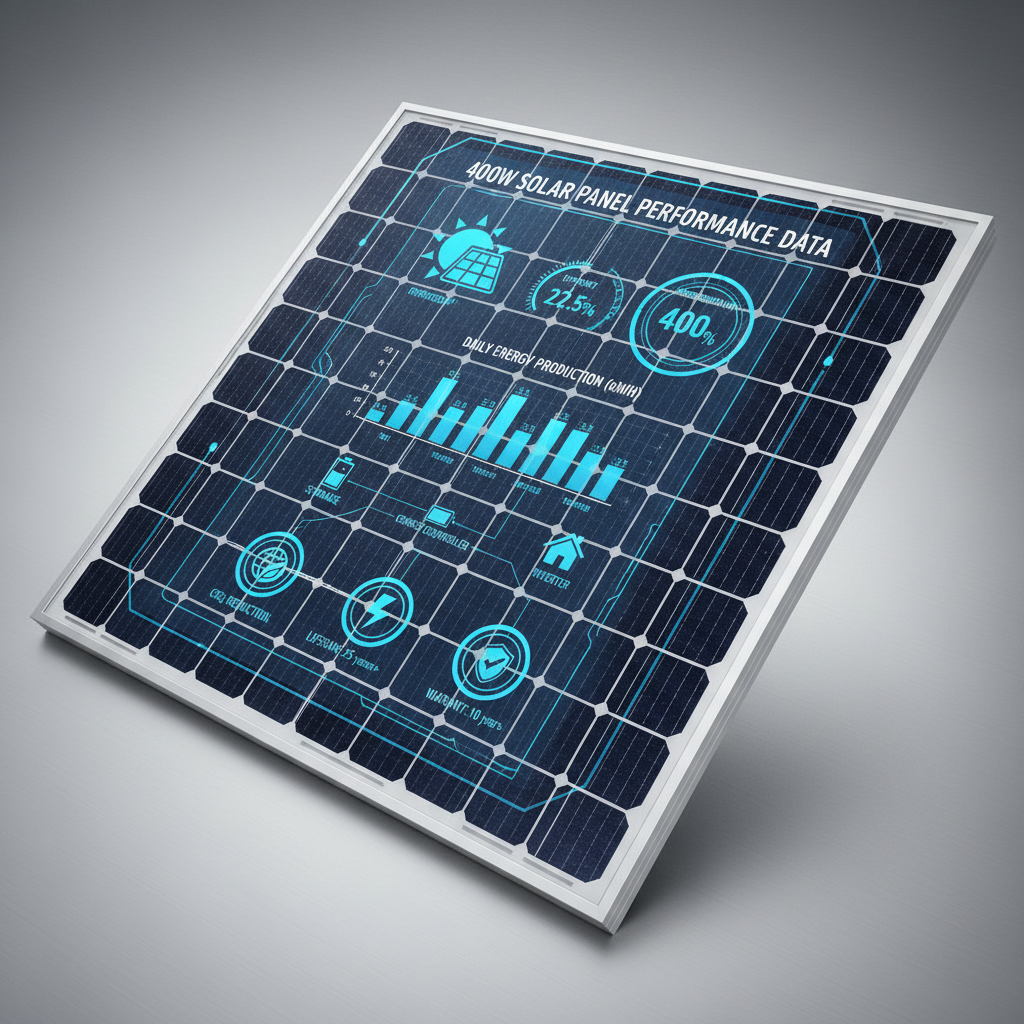
Efficiency: A critical factor, determining how much sunlight a 400 watt solar panel converts into usable electricity. Higher efficiency panels produce more power per square foot, maximizing energy yield.
Durability: 400 watt solar panels are designed to withstand harsh weather conditions like hail, strong winds, and extreme temperatures. Robust construction and high-quality materials are essential for long-term performance and reliability.
Warranty: A strong warranty, typically 25 years for performance and 10-12 years for product defects, provides assurance of the panel’s longevity and manufacturer’s confidence in its quality.
Cell Technology: The type of solar cell used (monocrystalline, polycrystalline, or thin-film) significantly impacts efficiency and cost. Monocrystalline cells generally offer the highest efficiency.
Temperature Coefficient: This indicates how much the panel’s performance degrades with increasing temperature. A lower temperature coefficient is desirable, as panels operate more efficiently in hot climates.
Certifications: Look for certifications like IEC and UL, ensuring the panel meets international safety and performance standards.
Global Applications & Use Cases
400 watt solar panels are finding widespread application across diverse sectors globally. In residential settings, they are used to power homes, reducing reliance on the grid and lowering electricity bills. Commercial buildings, from offices to factories, utilize large-scale solar arrays incorporating 400 watt panels to offset energy consumption and demonstrate sustainability.
In remote areas lacking grid access, 400 watt solar panels are instrumental in providing electricity for critical infrastructure like hospitals, schools, and communication networks. Agricultural applications, such as powering irrigation systems and cold storage facilities, are also benefiting from the affordability and reliability of these panels.
Furthermore, the use of 400 watt solar panel is prevalent in disaster relief efforts, providing a rapid and independent power source for emergency shelters and essential services. Across regions like Africa, Latin America, and Asia, 400 watt systems are supporting economic development and improving quality of life.
400 Watt Solar Panel Application Distribution
Advantages & Long-Term Value
The advantages of adopting a 400 watt solar panel extend beyond environmental benefits. The most tangible benefit is significant cost savings on electricity bills, particularly over the panel’s 25+ year lifespan. Reduced reliance on fossil fuels also mitigates price volatility and enhances energy independence.
From a sustainability perspective, 400 watt solar panels produce clean, renewable energy, reducing carbon emissions and combating climate change. This contributes to a healthier planet and a more sustainable future for generations to come. The minimal maintenance requirements of these panels further enhance their long-term value and reliability.
Future Trends & Innovations
The future of 400 watt solar panel technology is promising, with ongoing innovations focused on increasing efficiency and reducing costs. Perovskite solar cells, for example, are emerging as a potential game-changer, offering higher efficiency and lower manufacturing costs compared to traditional silicon-based panels.
Integration with smart grid technologies will also play a crucial role, allowing for more efficient energy distribution and management. Advancements in energy storage solutions, such as battery technology, will further enhance the reliability and accessibility of solar power, making it a more viable option for a wider range of applications.
Challenges & Solutions
While 400 watt solar panel technology has advanced significantly, challenges remain. Intermittency – the dependence on sunlight – is a primary concern. This can be addressed through energy storage solutions like batteries or by integrating solar power with other renewable energy sources like wind power.
High upfront costs can also be a barrier to adoption. Government incentives, financing options, and decreasing panel prices are helping to mitigate this challenge. Furthermore, improving the recyclability of solar panels is essential to minimize environmental impact at the end of their lifespan.
Supply chain vulnerabilities and material sourcing also present challenges. Diversifying supply chains and investing in research and development of sustainable materials are crucial steps toward a more resilient and responsible solar energy industry.
Summary of Challenges and Corresponding Solutions for 400 Watt Solar Panel Implementation
| Challenge |
Impact on 400 watt solar panel |
Proposed Solution |
Effectiveness Score (1-10) |
| Intermittency of Sunlight |
Reduced energy output during cloudy days or at night. |
Implementation of battery storage systems. |
9 |
| High Upfront Costs |
Limits accessibility for some consumers. |
Government subsidies and financing options. |
8 |
| Panel Degradation |
Gradual reduction in energy output over time. |
Regular maintenance and high-quality panel selection. |
7 |
| Recycling Challenges |
Environmental concerns related to end-of-life disposal. |
Development of efficient and sustainable recycling processes. |
6 |
| Supply Chain Disruptions |
Potential delays and increased costs due to material shortages. |
Diversification of sourcing and localized manufacturing. |
7 |
| Grid Integration Issues |
Challenges in integrating intermittent solar power into existing grid infrastructure. |
Smart grid technologies and energy storage solutions. |
8 |
FAQS
Most 400 watt solar panels are designed to last for 25-30 years, maintaining around 80-85% of their original power output. This longevity is due to the durable materials used in their construction and the gradual degradation rate of the solar cells. Regular maintenance, like cleaning, can help maximize performance throughout its lifespan. While output will decrease slightly over time, the panels continue to generate significant power long after the initial investment.
The number of 400 watt solar panels required depends on your household's energy consumption. First, determine your average monthly electricity usage in kilowatt-hours (kWh). Then, consider factors like sunlight hours in your location and panel efficiency. A general rule of thumb is to divide your annual energy consumption (kWh) by the annual energy production of one panel (approximately 500-600 kWh) to get an estimated number of panels needed. A professional solar installer can provide a precise assessment.
Solar panel performance is affected by weather conditions. Cloud cover reduces sunlight intensity, decreasing power output. Extreme temperatures can also slightly reduce efficiency, though modern panels are designed to operate effectively in a wide range of temperatures. Snow accumulation can block sunlight, but panels often self-clear as the snow melts. High winds are generally not a problem, as panels are built to withstand significant wind loads.
Yes, 400 watt solar panels are highly suitable for off-grid applications. Their relatively high power output allows for efficient energy generation in remote locations without grid access. However, an off-grid system requires additional components such as battery storage to provide power when sunlight is unavailable, and a charge controller to regulate the charging process. Careful system sizing is crucial for reliable performance.
400 watt solar panels require minimal maintenance. Regular cleaning to remove dust, dirt, and debris is recommended, particularly in areas with high pollution or pollen. Inspections for any physical damage, such as cracked glass or loose wiring, should be performed periodically. Monitoring the system's performance through an online portal or app can help identify any potential issues early on.
Proper disposal of solar panels is crucial for environmental sustainability. While recycling infrastructure is still developing, several companies specialize in solar panel recycling, recovering valuable materials like silicon, glass, and aluminum. Do not dispose of panels in landfills. Contact your local waste management authority or a solar panel recycling service for guidance. Some manufacturers also offer take-back programs.
Conclusion
The 400 watt solar panel stands as a pivotal component in the global transition towards renewable energy. Its efficiency, durability, and increasing affordability are making solar power a viable option for a growing number of individuals, businesses, and communities. By embracing this technology, we can reduce our carbon footprint, enhance energy independence, and build a more sustainable future.
Investing in a 400 watt solar panel is not just an environmental responsibility, but also a smart financial decision. With ongoing innovations and supportive government policies, the future of solar energy is bright. Explore the possibilities and discover how a 400 watt solar panel can power your world. Visit our website: 400 watt solar panel to learn more.