Understanding Solar Panel Peak Efficiency and Maximizing Energy Production
Understanding Solar Panel Peak Efficiency
Maximizing energy production from your solar investment hinges on understanding solar panel peak efficiency. This critical metric represents the maximum power a panel can generate under ideal laboratory conditions. However, real-world performance rarely matches these ideals. This article will delve into the factors affecting peak efficiency, how to interpret these specifications, and how Benjiu Solar delivers high-efficiency panels designed to optimize your return on investment. Choosing panels with a high peak efficiency rating is the first step toward harnessing the full potential of solar energy.
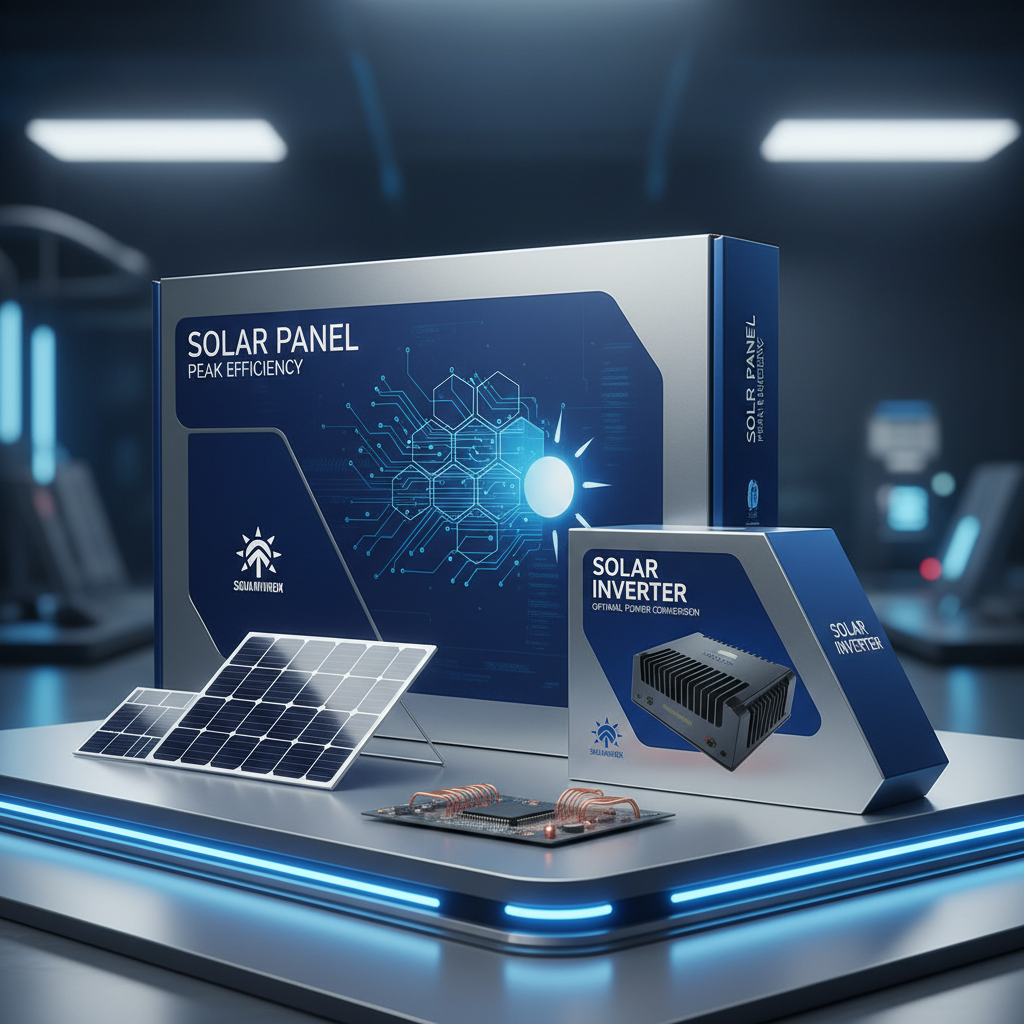
What is Solar Panel Peak Efficiency?
Solar panel peak efficiency is the percentage of sunlight that a solar panel converts into usable electricity under Standard Test Conditions (STC). STC include a cell temperature of 25°C (77°F) and solar irradiance of 1000 W/m². A higher percentage indicates greater efficiency. For instance, a 20% efficient panel will produce 200 watts of power from a 1000-watt square meter of sunlight. This doesn't mean the panel consistently produces this power – it’s the maximum it can achieve under ideal conditions. Understanding this distinction is crucial when evaluating different solar panel options. Benjiu Solar focuses on delivering panels that consistently perform close to their peak efficiency in real-world applications.
Key Takeaway: Peak efficiency is a laboratory measure of maximum potential. Real-world output will be lower due to factors like temperature, shading, and panel orientation.
Factors Affecting Real-World Solar Panel Efficiency
Several factors diminish a solar panel’s efficiency outside of the lab. Temperature is a major influence; as panel temperature rises, efficiency decreases. Shading, even partial, can drastically reduce output. Panel orientation and tilt angle impact the amount of sunlight received. Dust, dirt, and snow accumulation also lower efficiency. Furthermore, wiring losses and inverter efficiency contribute to overall system losses. Benjiu Solar's panels are designed with advanced materials to mitigate temperature-related efficiency loss, and our systems are engineered to minimize overall losses.
Real-World Efficiency Considerations:
• Temperature coefficient of Pmax: Lower values are better.
• Shading mitigation techniques (e.g., bypass diodes).
• System design optimized for local climate and sun angles.
Solar Panel Peak Efficiency: A Comparison of Technologies
Different solar cell technologies exhibit varying peak efficiencies. Monocrystalline silicon panels generally boast the highest efficiencies (typically 17-22%), followed by polycrystalline silicon panels (15-18%). Emerging technologies like thin-film solar panels (11-14%) offer cost advantages but lower efficiency. Benjiu Solar specializes in high-efficiency monocrystalline panels to maximize power output per square foot. The optimal choice depends on available space, budget, and energy needs.
Benjiu Solar: High-Efficiency Panels for Optimal Performance
At Benjiu Solar, we are committed to providing our customers with the highest-quality, most efficient solar panels available. Our monocrystalline panels consistently achieve peak efficiencies of 20% or higher, ensuring maximum energy production even in less-than-ideal conditions. We utilize advanced cell technology and rigorous quality control processes to deliver panels that outperform the competition. Explore our product line to find the perfect solution for your energy needs.
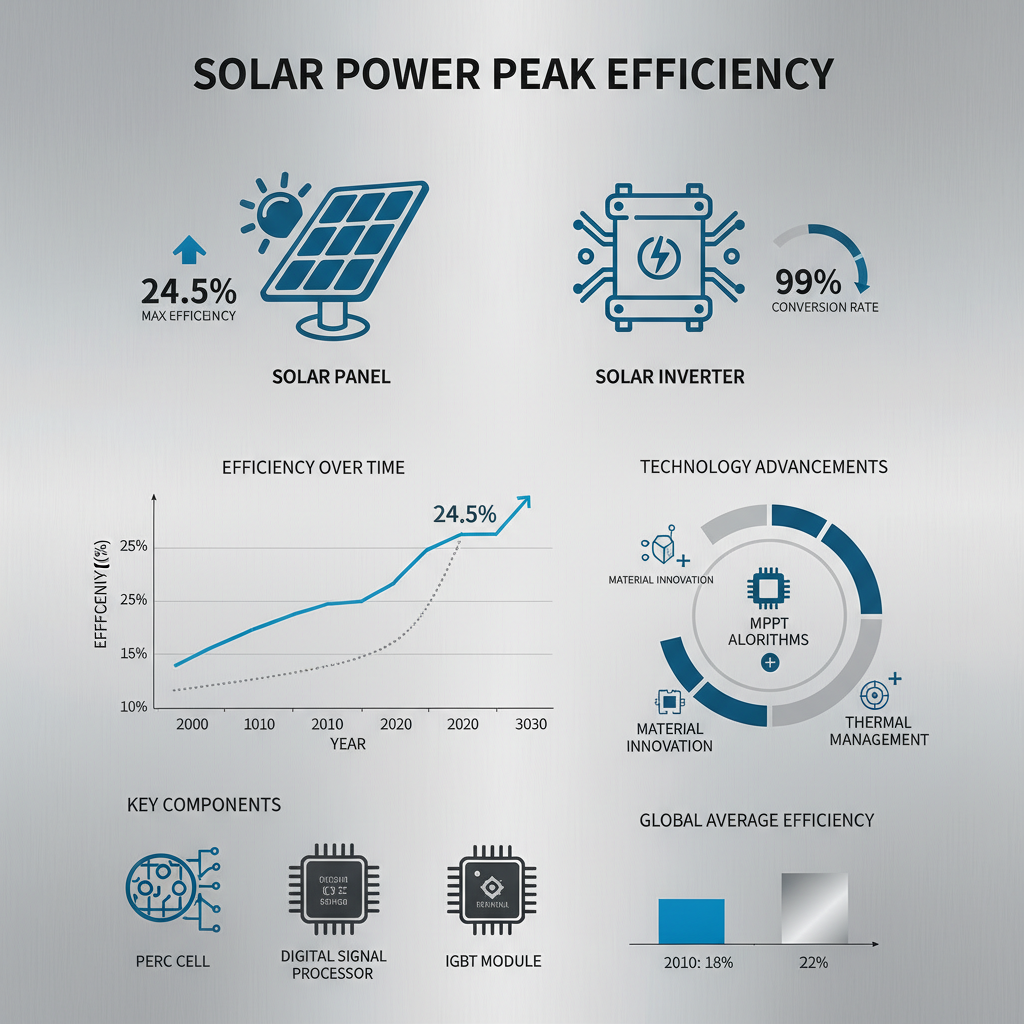
Understanding Our Panel Specifications
When reviewing our panel specifications, pay close attention to the following key metrics: Maximum Power Output (Pmax), Open Circuit Voltage (Voc), Short Circuit Current (Isc), and Temperature Coefficient of Pmax. A lower temperature coefficient indicates less power loss at higher temperatures. Our detailed datasheets provide comprehensive information to help you make an informed decision. Benjiu Solar strives for transparency and provides all the information you need to assess the true value of our products.
Conclusion: Maximizing Your Solar Investment
Understanding solar panel peak efficiency is vital for maximizing your return on investment. Benjiu Solar's high-efficiency panels, combined with our expertise in system design and installation, offer a comprehensive solution for harnessing the power of the sun. Don't settle for less - choose Benjiu Solar for reliable, long-lasting solar energy.
Frequently Asked Questions (FAQs)
What is a good peak efficiency for a solar panel?
Generally, a peak efficiency of 17% or higher is considered good. However, the higher the efficiency, the more electricity the panel will produce for a given area. Currently, commercially available monocrystalline panels typically range from 18% to 22%. At Benjiu Solar, our panels consistently exceed 20% peak efficiency, offering exceptional performance. It's important to balance efficiency with cost and other factors like temperature coefficient and warranty.
How does shading affect solar panel efficiency?
Shading significantly reduces solar panel efficiency. Even partial shading can dramatically decrease the output of an entire string of panels due to bypass diodes. Bypass diodes allow current to flow around shaded cells, preventing hotspots and protecting the panel. However, the shaded portion still contributes no power. Therefore, it’s crucial to minimize shading through careful site assessment and panel placement. Benjiu Solar offers system designs that incorporate shading mitigation techniques.
What is the temperature coefficient and why is it important?
The temperature coefficient indicates how much a solar panel's power output decreases for every degree Celsius increase in temperature above 25°C. A lower (more negative) temperature coefficient is desirable, as it means the panel will maintain higher efficiency in hot weather. For example, a temperature coefficient of -0.3%/°C means the panel's power output will decrease by 0.3% for each degree Celsius above 25°C. Benjiu Solar panels are designed with materials that minimize temperature-related power loss.
How can I maximize the efficiency of my solar panel system?
Maximizing efficiency involves several factors. Ensure proper panel orientation and tilt angle for your location. Minimize shading from trees or buildings. Keep panels clean from dust and debris. Utilize a high-quality inverter with high efficiency ratings. Monitor system performance regularly to identify any issues. And most importantly, choose high-efficiency panels like those offered by Benjiu Solar. A well-designed and maintained system will deliver the highest possible energy production.
-
Designing a Modern Home Roof Made Out of Solar Panels GuideNewsApr.16,2026
-
Guide to the Size of 150 Watt Solar Panel for Your ProjectNewsApr.09,2026
-
Understanding the Dimensions and Applications of a 200W Solar PanelNewsApr.07,2026
-
Understanding the Dimensions and Factors of a 330W Solar Panel SizeNewsApr.04,2026
-
Understanding the Size and Dimensions of a 4kW Solar Panel System for Your HomeNewsMar.31,2026
-
Comprehensive Guide to Sizing Your Solar System for Optimal Energy ProductionNewsMar.28,2026