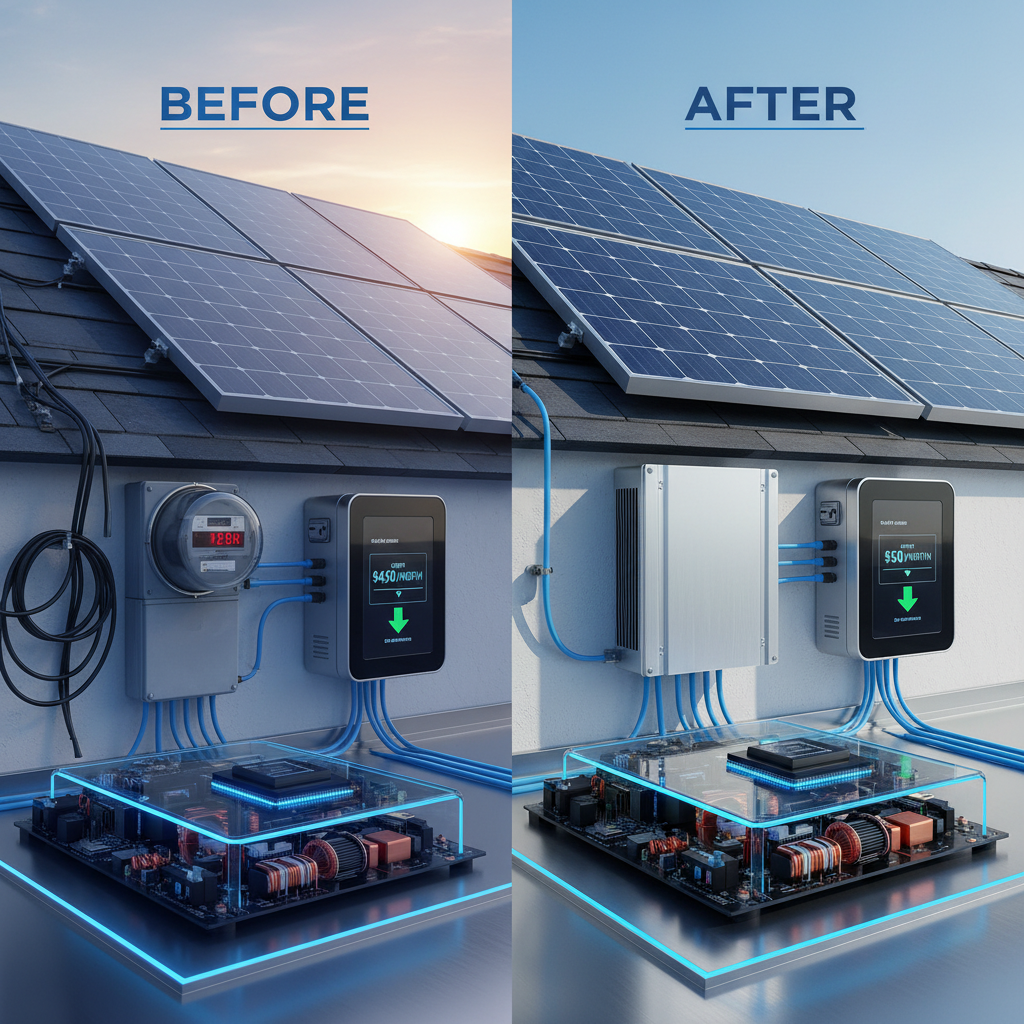
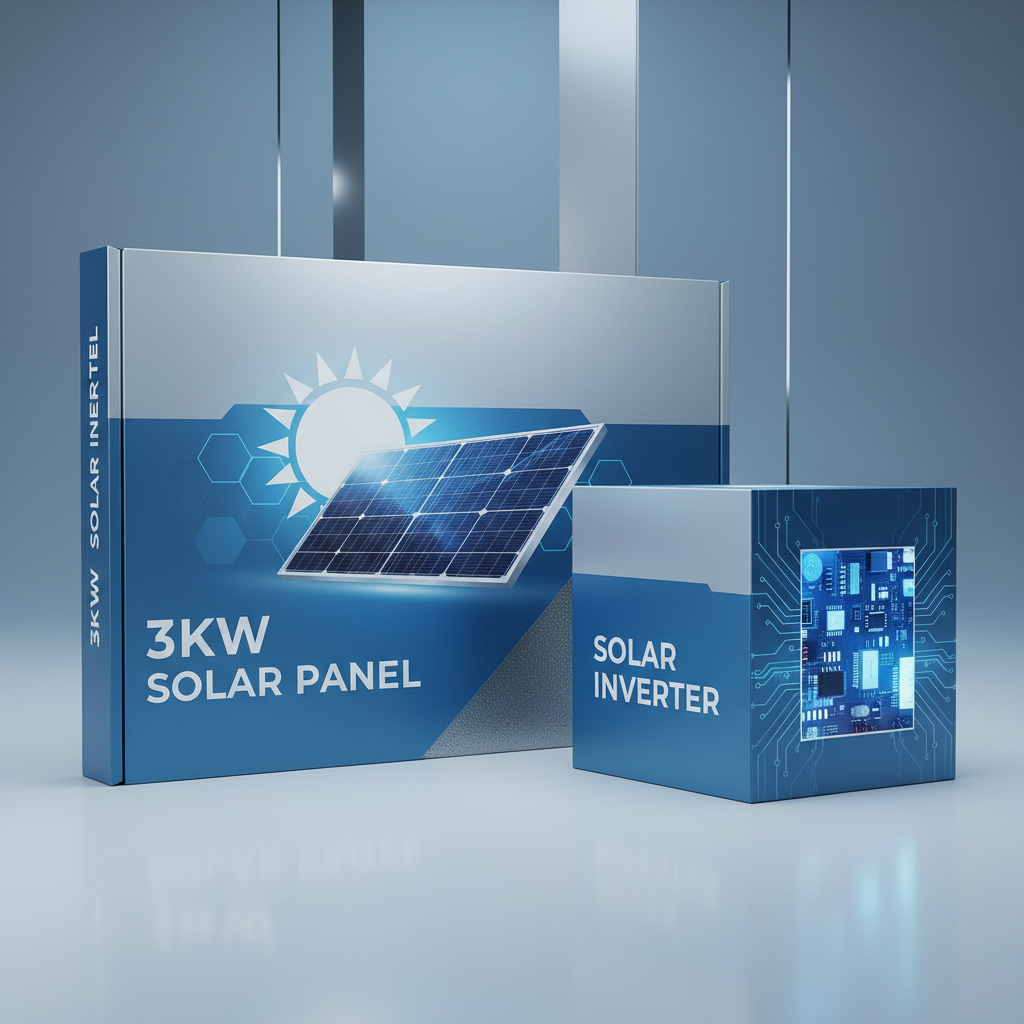
The rising global demand for sustainable energy sources has placed a significant focus on solar power, and a crucial aspect of its accessibility is the cost of fitting solar panels. Understanding this cost isn't merely about financial implications; it's about empowering individuals, communities, and nations to transition to a cleaner, more reliable energy future. As technology advances and economies of scale are achieved, the cost of solar installation is becoming increasingly competitive with traditional energy sources, driving wider adoption and offering substantial long-term savings.
The impact of cost of fitting solar panels extends beyond individual households. Governments worldwide are incentivizing solar energy adoption through tax credits, rebates, and net metering policies, further reducing the financial burden on consumers. Businesses are also recognizing the benefits, reducing operational expenses and enhancing their sustainability credentials. This widespread interest demonstrates a clear global shift towards renewable energy, and understanding the associated costs is essential for informed decision-making.
Analyzing the cost of fitting solar panels provides insights into the economic viability of solar energy, influencing investment decisions, policy development, and the overall pace of the energy transition. Factors like panel efficiency, installation complexity, and geographical location all play a role, making a nuanced understanding of these costs critical for maximizing the benefits of solar technology.
Introduction to cost of fitting solar panels
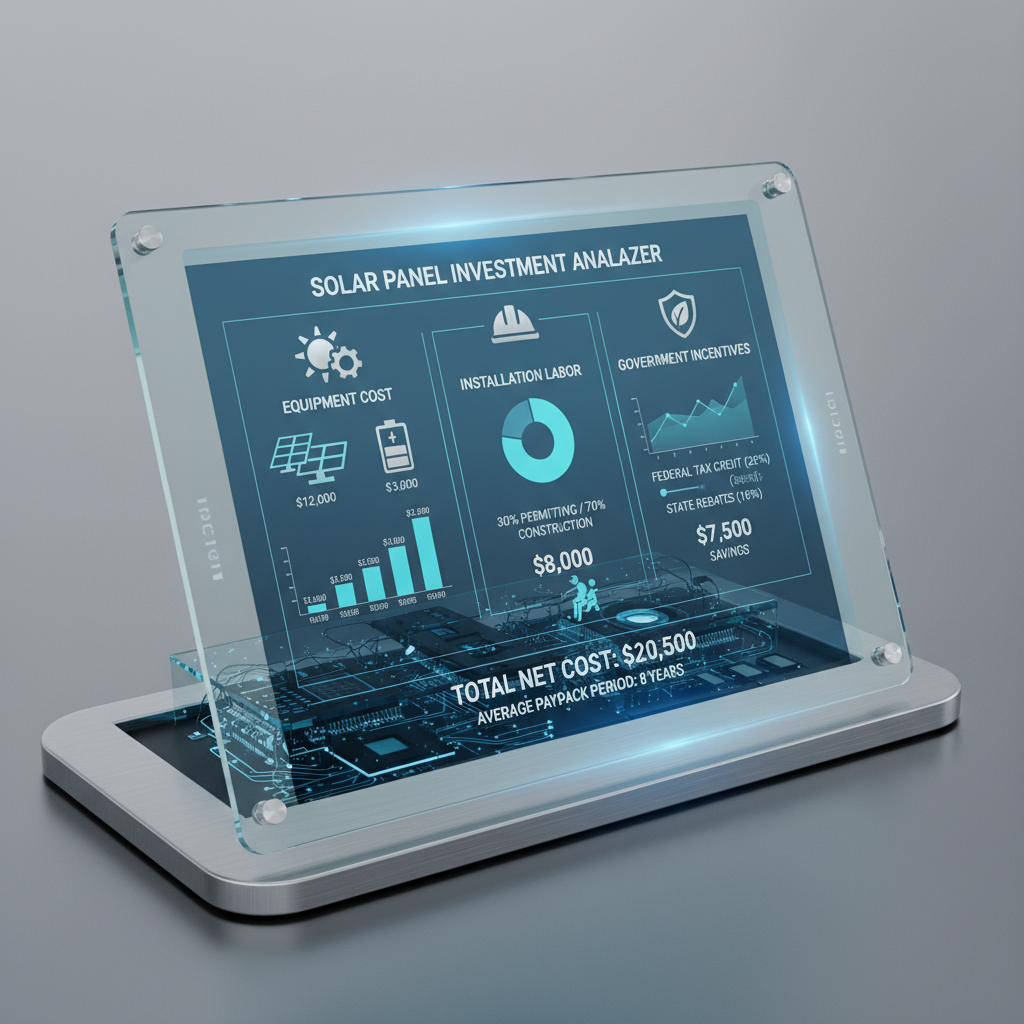
The initial cost of fitting solar panels can seem daunting, but a comprehensive understanding of the components and associated expenses is crucial. This includes the cost of the panels themselves, inverters, racking systems, wiring, and labor. However, focusing solely on the upfront costs overlooks the long-term benefits, such as reduced electricity bills and potential government incentives.
The affordability of solar has increased dramatically in recent years, driven by technological advancements and increased production volume. As a result, solar energy is becoming accessible to a wider range of consumers, offering a viable alternative to traditional fossil fuels and contributing to a more sustainable energy landscape.
Defining the Cost of Solar Panel Installation
The cost of fitting solar panels is rarely a single, fixed number. It’s a complex calculation involving numerous variables. Generally, it’s expressed as cost per watt ($/W) of solar capacity. This metric allows for easy comparison between different systems and quotes. However, it’s important to remember that this figure doesn’t encompass every potential expense.
Beyond the base cost per watt, additional expenses include permits, inspection fees, and potential electrical upgrades to your home or building. The complexity of the installation – factors like roof pitch, shading, and electrical panel location – also impact the total cost. It's crucial to obtain detailed quotes from multiple installers to accurately assess the overall expense.
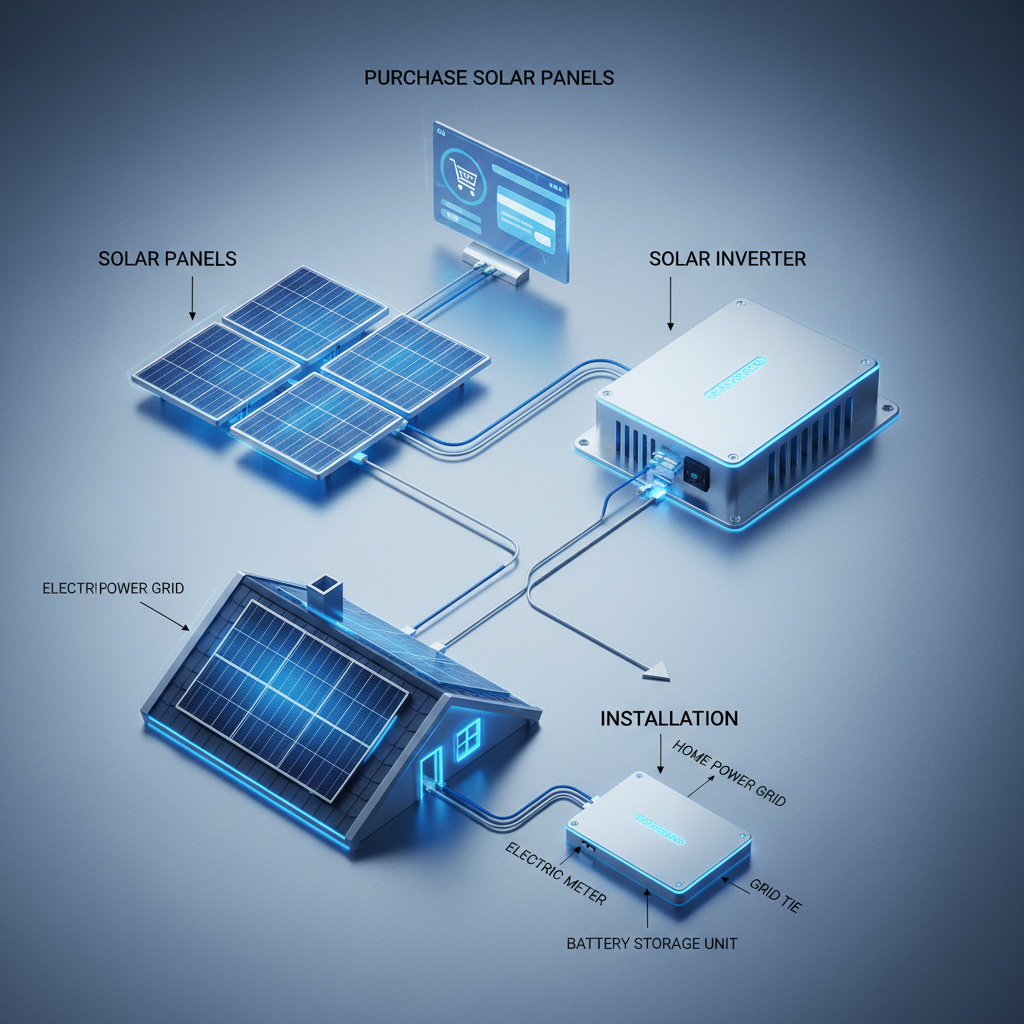
Understanding the breakdown of these costs—panels, inverters, labor, permits—empowers homeowners and businesses to make informed decisions and evaluate the value proposition of solar energy. It also allows for targeted negotiations with installers to potentially reduce expenses and maximize savings.
Key Factors Influencing Solar Panel Installation Costs
Several key factors significantly impact the cost of fitting solar panels. The type of solar panel (monocrystalline, polycrystalline, or thin-film) directly affects the price, with monocrystalline panels generally being the most efficient and expensive. The size of the system – measured in kilowatts (kW) – is another major determinant, with larger systems typically having a lower cost per watt.
Labor costs also vary significantly based on location and the complexity of the installation. Rooftop access, wiring requirements, and the need for electrical panel upgrades can all increase labor expenses. Furthermore, the inverter—the device that converts DC power from the panels to AC power for your home—represents a substantial portion of the overall system cost. The type of inverter (string, microinverter, or power optimizer) influences both the price and system performance.
Finally, permitting and inspection fees, which vary by jurisdiction, add to the total cost. These fees cover the administrative expenses associated with ensuring the system meets safety and building code requirements. Careful planning and research can help minimize these costs and ensure a smooth installation process.
Regional Variations in cost of fitting solar panels
The cost of fitting solar panels isn't uniform across the country or globe. Regional differences in labor costs, permitting fees, and local incentives significantly influence the overall price. States with strong solar incentives, such as tax credits or rebates, effectively reduce the net cost for homeowners and businesses.
Geographical factors, like the intensity of sunlight and the angle of the sun, also play a role. Regions with more sunshine require fewer panels to generate the same amount of electricity, potentially lowering the overall system cost. Conversely, areas with limited sunlight may necessitate larger systems, increasing the expense.
Regional Cost Comparison for Solar Panel Installation
Global Applications and Solar Panel Cost Trends
The global market for solar energy is experiencing exponential growth, with significant deployments in regions like China, the United States, and Europe. This increasing demand is driving down the cost of fitting solar panels worldwide due to economies of scale and technological innovation. In developing countries, solar energy is often deployed in off-grid applications, providing electricity to remote communities and fostering economic development.
Large-scale solar farms are becoming increasingly common, contributing significantly to national energy grids and reducing reliance on fossil fuels. Simultaneously, residential and commercial rooftop solar installations continue to proliferate, empowering individuals and businesses to generate their own clean energy.
Government policies, such as feed-in tariffs and renewable energy mandates, are also playing a crucial role in promoting solar energy adoption and accelerating cost reductions. The global trend towards decarbonization is expected to further drive demand and innovation in the solar sector.
The Long-Term Value Proposition of Solar Energy
While the initial cost of fitting solar panels is a significant consideration, the long-term value proposition of solar energy is compelling. Reduced electricity bills, energy independence, and environmental benefits all contribute to a substantial return on investment. Solar panels typically have a lifespan of 25-30 years, providing decades of clean, affordable energy.
Furthermore, many homeowners and businesses are eligible for tax credits, rebates, and net metering programs, which further enhance the financial benefits of solar energy. Net metering allows customers to sell excess electricity back to the grid, earning credits on their bills and potentially eliminating their electricity costs altogether.
Future Trends and Cost Reduction Strategies
The future of solar energy is bright, with ongoing research and development focused on improving panel efficiency, reducing manufacturing costs, and enhancing energy storage solutions. Perovskite solar cells, a promising new technology, have the potential to significantly lower the cost of fitting solar panels while offering higher efficiency.
Advancements in battery technology are also crucial for integrating solar energy into the grid and providing reliable power even when the sun isn't shining. Improved manufacturing processes, supply chain optimization, and increased competition are all contributing to ongoing cost reductions.
Furthermore, the integration of artificial intelligence (AI) and machine learning (ML) into solar energy systems can optimize performance, predict energy output, and streamline maintenance, further enhancing the value proposition of solar energy.
Challenges and Mitigation Strategies for Solar Panel Installation Cost
Despite the significant decrease in the cost of fitting solar panels, several challenges remain. Supply chain disruptions, fluctuating material prices, and skilled labor shortages can all impact installation costs. Permitting processes can also be complex and time-consuming, adding to the overall expense.
To mitigate these challenges, streamlining permitting processes, investing in workforce development programs, and diversifying supply chains are essential. Government policies that incentivize domestic manufacturing of solar components can also reduce reliance on foreign suppliers and stabilize prices.
Furthermore, embracing innovative financing models, such as power purchase agreements (PPAs) and solar leases, can make solar energy more accessible to a wider range of customers, regardless of their upfront capital.
Summary of Challenges and Mitigation Strategies for Solar Panel Installation Cost
| Challenge |
Impact on Cost |
Mitigation Strategy |
Expected Cost Reduction |
| Supply Chain Disruptions |
Increased material prices, longer lead times |
Diversify suppliers, build strategic reserves |
5-10% |
| Skilled Labor Shortage |
Higher labor costs, installation delays |
Invest in workforce development, offer competitive wages |
3-7% |
| Complex Permitting |
Increased administrative costs, project delays |
Streamline permitting processes, standardize regulations |
2-5% |
| Fluctuating Material Prices |
Unpredictable installation costs |
Long-term contracts with suppliers, price hedging |
1-3% |
| Financing Limitations |
High upfront costs, limited accessibility |
Expand financing options (PPAs, leases) |
5-15% (reduced barrier to entry) |
| Grid Interconnection Costs |
Expenses related to connecting solar systems to the grid |
Advocate for standardized interconnection procedures, grid upgrades |
2-4% |
FAQS
The primary drivers of cost are the solar panels themselves (monocrystalline tends to be pricier), the inverter type, the complexity of the installation (roof pitch, access), permitting and inspection fees, and labor costs. System size also plays a key role, with larger systems generally having a lower cost per watt. Understanding these factors allows for informed budgeting and comparison of quotes.
The payback period varies depending on several factors, including the system’s cost, local electricity rates, available incentives, and your energy consumption. Generally, most homeowners can expect to recoup their investment within 7-12 years. However, with net metering and favorable incentives, the payback period can be significantly shorter, sometimes even under 5 years.
Numerous incentives can help offset the cost of solar. The federal Investment Tax Credit (ITC) allows you to deduct 30% of the system cost from your taxes. Many states also offer additional rebates, tax credits, and net metering programs. Local utilities may also provide incentives to encourage solar adoption. Researching these options is crucial for maximizing savings.
Yes, the type of roof can impact installation costs. Simple, south-facing roofs are the easiest and cheapest to install on. Complex roofs with multiple angles, chimneys, or skylights require more labor and potentially specialized mounting hardware, increasing the cost. The roof's age and condition also need to be considered, as a deteriorating roof may require repairs or replacement before solar panels can be installed.
String inverters are the traditional choice and are typically less expensive upfront. However, they are susceptible to performance issues if one panel is shaded. Microinverters, installed on each panel, maximize energy production and are more resilient to shading but are more expensive initially. The choice depends on your roof’s shading conditions and desired level of performance.
Generally, larger solar systems have a lower cost per watt than smaller systems due to economies of scale. The fixed costs of installation, such as permitting and labor, are spread over a larger number of panels. However, the overall system cost will be higher with a larger system, so it’s important to size the system appropriately to your energy needs.
Conclusion
Understanding the cost of fitting solar panels is no longer a barrier to entry for many homeowners and businesses. Technological advancements, government incentives, and increased competition have dramatically lowered prices, making solar energy a viable and increasingly attractive option. The long-term benefits, including reduced electricity bills, energy independence, and environmental sustainability, far outweigh the initial investment for most.
As we look to the future, continued innovation and policy support will further drive down costs and accelerate the adoption of solar energy. Investing in solar power is not just a financially sound decision; it’s a commitment to a cleaner, more sustainable future for generations to come. Visit our website at www.benjiusolar.com to learn more about how we can help you harness the power of the sun.