What You Need to Know About 50w Solar Panel Size: Benefits, Specs & Applications
Understanding the 50w Solar Panel Size: A Small Solution with Big Impact
In an age where sustainable energy isn’t just a buzzword, but a global necessity, the 50w solar panel size offers a uniquely practical solution for many personal and community energy needs. This compact, efficient panel is more than just another product in the renewable energy space—it symbolizes adaptability and accessibility at a scale that seriously matters.
Why does knowing about 50w solar panels matter? Well, aside from helping reduce carbon footprints, these panels empower remote communities, emergency responders, and even small businesses to harness clean electricity without the need for extensive infrastructure. Understanding the ins and outs of this panel size can open doors to smarter environmental choices globally.
Global Context: The Rising Tide of Solar Demand
Solar energy isn’t just about huge solar farms anymore. According to the International Energy Agency and corroborated by UN reports, decentralized solar systems have seen rapid growth, particularly in regions lacking reliable grid access. The 50w solar panel size fits neatly into this wave—providing a reliable and portable energy source. In fact, the World Bank recently highlighted that off-grid solar technologies are powering nearly 420 million people worldwide.
However, many face challenges such as affordability, portability, and durability when it comes to small-scale solar panels. The 50w size attempts to bridge these gaps — offering a manageable power output in a size that balances functionality with convenience.
Defining the 50w Solar Panel Size
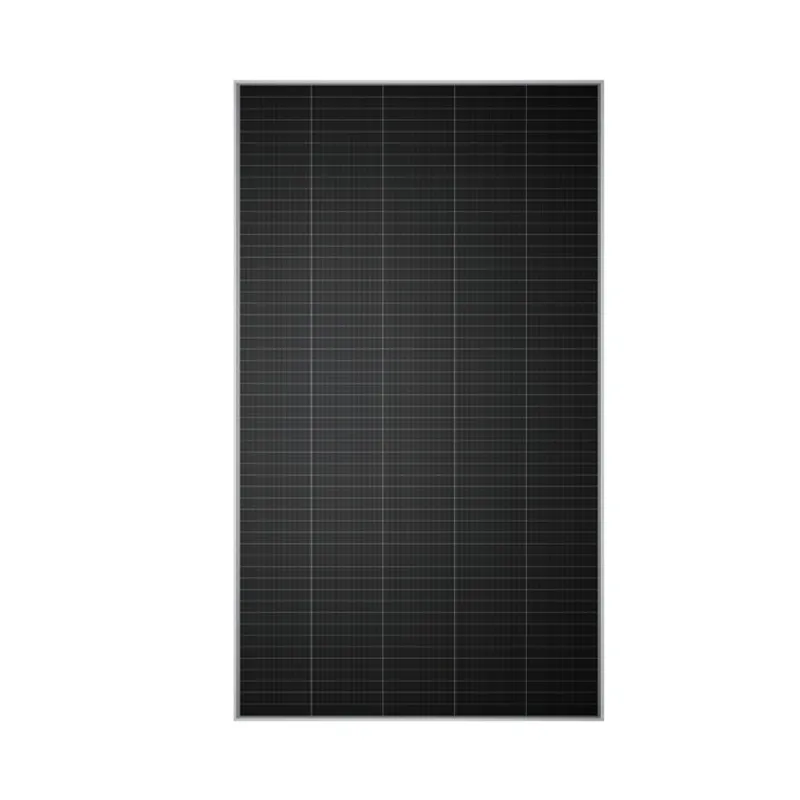
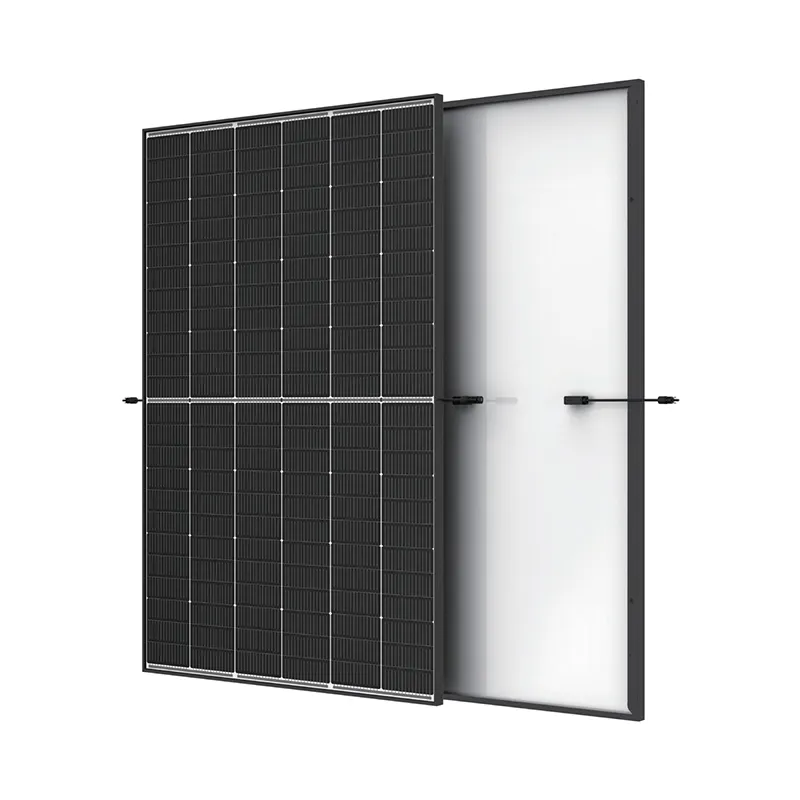
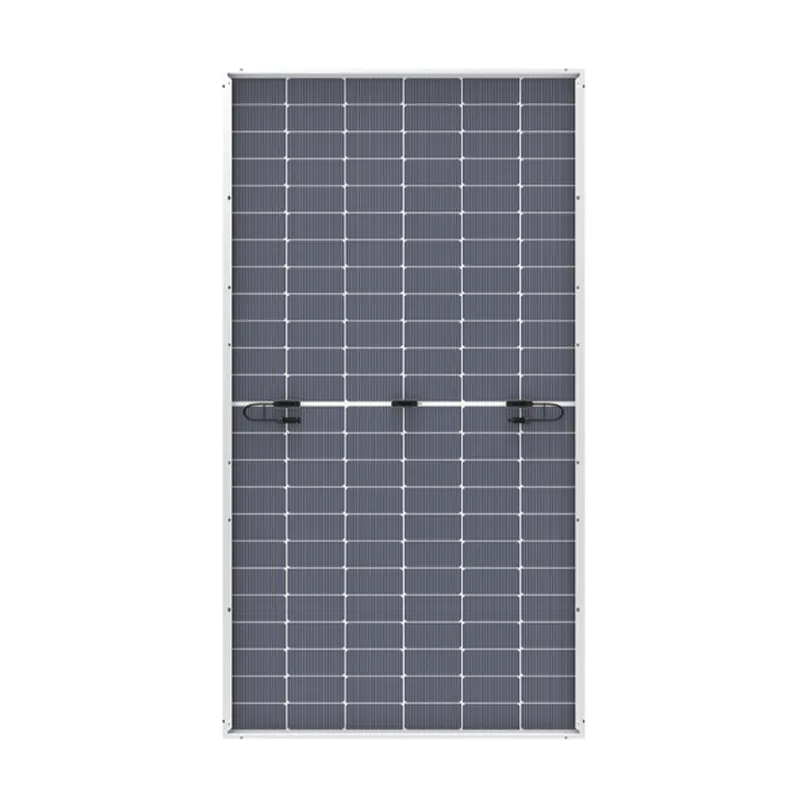
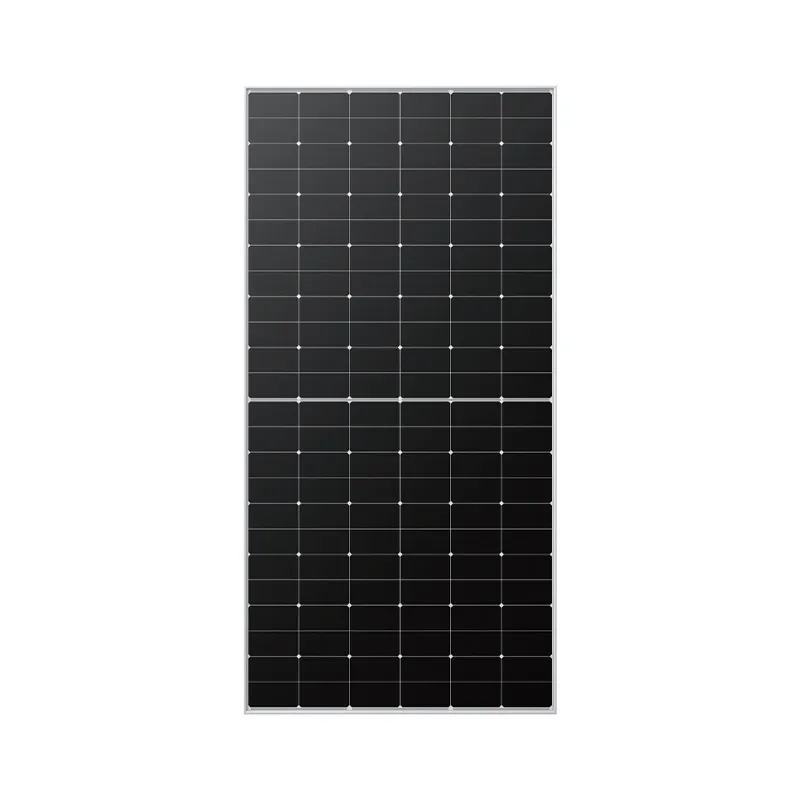
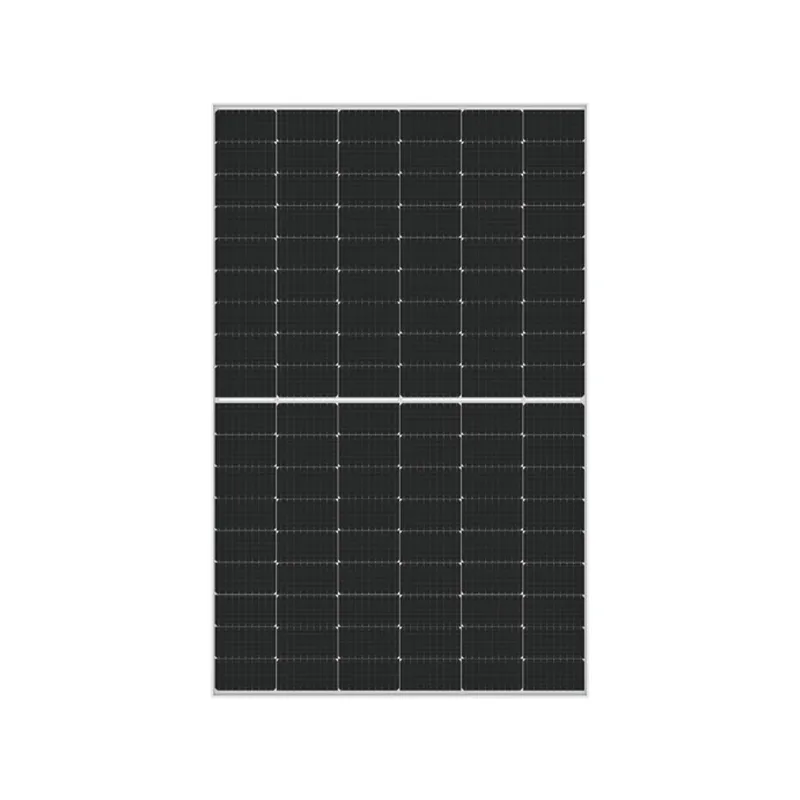
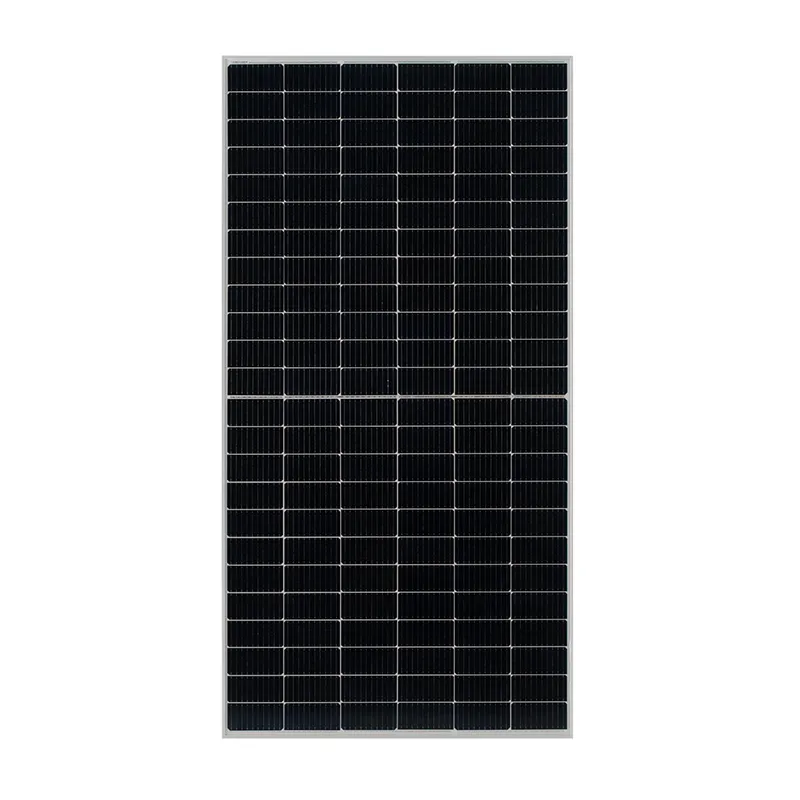
At its core, the 50w solar panel size refers to solar photovoltaic (PV) panels designed to produce approximately 50 watts of power under standard testing conditions. These panels typically measure around 50w solar panel size dimensions of roughly 450mm by 350mm (though exact sizes vary depending on manufacturer and technology type).
This modest scale—compared to massive utility-scale arrays—makes the 50w panel a natural choice for lightweight, flexible applications. You’ll find them on RVs, tiny homes, disaster aid kits, and as auxiliary chargers for small appliances or mobile devices.
Key Factors Driving the Design and Utility of 50w Solar Panels
- Durability: Since many 50w panels are used off-grid or in rugged conditions, they boast strong tempered glass and weather-resistant frames to endure outdoor wear.
- Portability: Their smaller size means they’re easy to transport and set up. Consider hikers or emergency teams deploying them quickly to power essentials.
- Efficiency: Even within a compact footprint, modern monocrystalline cells can push efficiency up to 18-20%, extracting more watts per square meter than older technologies.
- Cost Efficiency: Balancing price and performance, these panels are affordable enough for individuals or NGOs, yet still robust enough to serve in various environments.
- Scalability: Need more power? Simply combine multiple 50w panels in series or parallel. This modularity is a huge selling point.
To summarize: the 50w solar panel size offers a practical balance of ruggedness, power output, and affordability—key elements that explain their popularity.
Product Specifications at a Glance
| Specification | Details |
|---|---|
| Power Output | 50 Watts (Standard Test Conditions) |
| Dimensions | Approx. 450mm × 350mm × 25mm |
| Weight | ~1.5 kg |
| Cell Type | Monocrystalline or Polycrystalline |
| Efficiency | Typically 16% - 20% |
| Operating Temperature | -40°C to +85°C |
Popular Vendors at a Glance
| Vendor | Panel Type | Price Range | Warranty |
|---|---|---|---|
| Benjiu Solar | Monocrystalline | $40 - $60 | 5 years |
| Renogy | Polycrystalline | $35 - $55 | 3 years |
| Goal Zero | Monocrystalline | $50 - $70 | 2 years |
Global Applications & Use Cases
These panels are a hit across various sectors. In remote health clinics across sub-Saharan Africa, 50w solar panels power essential refrigeration for vaccines, maintaining cold chains where grid electricity is sketchy or absent. Disaster response teams in Southeast Asia rely on them during typhoons and floods, where temporary shelters need power for lighting and communication.
Even in industrial zones, smaller 50w solar setups reduce dependency on diesel generators for monitoring equipment. And for outdoor enthusiasts or vanlifers, these panels promise a clean energy boost without bulky gear.
All in all, the versatility of the 50w solar panel size demonstrates its tangible contribution to sustainable development goals (SDGs), especially in energy access (SDG 7).
Advantages and Long-Term Value of the 50w Solar Panel Size
- Cost-Effective: Initial purchase and installation costs remain within reach for private users and smaller NGOs.
- Social Impact: Granting electricity access enhances safety, education, and health — all things that build community resilience.
- Reliability: With few moving parts, these panels require minimal maintenance across their 10+ year lifespan.
- Environmental Benefit: Freedom from fossil fuels means lower greenhouse gas emissions locally and globally.
- Empowerment: On a human level, powering a small light or charging a phone restores dignity and opportunity in many rural or crisis-affected communities.
Looking Ahead: Innovations on the Horizon for 50w Panels
It’s an exciting time. Researchers are testing flexible thin-film solar that could reduce weight and increase portability, or semi-transparent panels integrated into windows for urban energy capture. Digital monitoring embedded in panels helps optimize performance and alerts owners to faults — a key step toward smarter off-grid systems.
Policies around net metering and renewable incentives are also evolving, which may soon make small-scale solar even more affordable and incentivized. Plus, the integration of 50w panels with emerging battery technologies could solve intermittent supply challenges.
Challenges & Solutions in the Use of 50w Solar Panels
Of course, challenges exist. Weather dependency, limited power output, and sometimes inconsistent quality can hamper adoption. But with clever system design — pairing panels with efficient batteries and energy management units — you can smooth out fluctuations. Supplier transparency and certifications (like IEC standards) also help buyers pick trusted vendors, reducing “solar buyer’s remorse.”
Frequently Asked Questions About 50w Solar Panel Size
- Q: How many devices can a 50w solar panel realistically power?
A: Typically, a 50w panel can charge small devices like smartphones, LED lights, or run low-power radios. To power larger appliances, several panels connected together would be necessary. - Q: Are 50w solar panels suitable for off-grid cabins?
A: Absolutely. For basic electrification—lighting, charging devices, or small appliances—they’re an ideal fit due to ease of installation and portability. - Q: How long do 50w solar panels last?
A: Most panels are rated for 10 to 25 years, with efficiency gradually decreasing over time. Warranty coverage typically backs 80% performance at 25 years. - Q: Can these panels be connected to batteries easily?
A: Yes, they often include or work with charge controllers designed to protect batteries and optimize charging efficiency. - Q: What maintenance do 50w solar panels require?
A: Minimal—usually occasional cleaning to remove dust or debris and an annual inspection to check for damage.
Conclusion: Why Understanding the 50w Solar Panel Size Pays Off
So here we are—small but mighty panels that offer a practical step toward cleaner, decentralized energy systems. The 50w solar panel size unlocks renewable access for individuals and organizations alike, bridging gaps in healthcare, disaster resilience, and sustainable living. If you’re curious about integrating solar into your life or projects, these panels are a great entry point: manageable, effective, and backed by growing tech advancements.
For more detailed product info or purchasing options, visit our website — a hub tailored to your solar-powered aspirations.
It feels good to know that sometimes, the small things really can make a huge difference…
References:
-
Designing a Modern Home Roof Made Out of Solar Panels GuideNewsApr.16,2026
-
Guide to the Size of 150 Watt Solar Panel for Your ProjectNewsApr.09,2026
-
Understanding the Dimensions and Applications of a 200W Solar PanelNewsApr.07,2026
-
Understanding the Dimensions and Factors of a 330W Solar Panel SizeNewsApr.04,2026
-
Understanding the Size and Dimensions of a 4kW Solar Panel System for Your HomeNewsMar.31,2026
-
Comprehensive Guide to Sizing Your Solar System for Optimal Energy ProductionNewsMar.28,2026