Understanding the Types of Solar Panels for Houses: Which Fits Your Home Best?
What Are the Types of Solar Panels for Houses and Why It Matters?
Solar energy has been bubbling up as the quiet revolution reshaping how homes consume power. The types of solar panels for houses aren’t just a technical detail—they're the backbone of clean energy adoption worldwide. With climate change pressures, soaring electricity costs, and rural electrification needs, understanding these solar panels matters more than ever. Grasping the differences isn’t just for tech geeks; it affects how your roof, your budget, even your lifestyle evolves. In simple terms? Choosing the right solar panel can save money, reduce your carbon footprint, and turn your home into a tiny power plant.
Globally, solar power accounts for about 12% of the world's electricity generation growth in recent years, a figure that’s just going to keep climbing.1 But with so many options — from monocrystalline crystals to thin-film sheets—how do you know what fits your home or environment best? And what are the hidden stories behind these types?
Mini Takeaway: Understanding the types of household solar panels unlocks smarter choices, greater savings, and cleaner living.
The Global Race for Sustainable Housing Energy Solutions
It's fascinating how countries all over—from sun-drenched Spain to parts of India and even Germany—are aggressively deploying solar panels on rooftops. According to the International Renewable Energy Agency (IRENA), installed residential solar capacity surged by over 150% globally between 2015 and 2022.2 The shift isn't only about green credentials; it's about resilience against erratic energy markets, rising grid demands, and even social equity—because a rooftop solar panel today can power lights in homes without stable grids.
Yet, challenges persist. Not every panel fits every roof. Not every climate plays nice. And the cost factor often sobers excitement. That’s where knowing the types of solar panels for houses can really clear up confusion and provide practical solutions to these global concerns.
Mini Takeaway: The worldwide surge in residential solar highlights urgent needs and spotlights tailored solar panel solutions.
Defining the Types of Solar Panels for Houses
So, what do we mean when we talk about "types of solar panels for houses"? At its core, this refers to the different manufacturing technologies and materials used to transform sunlight into usable electricity on residential rooftops. The main categories include:
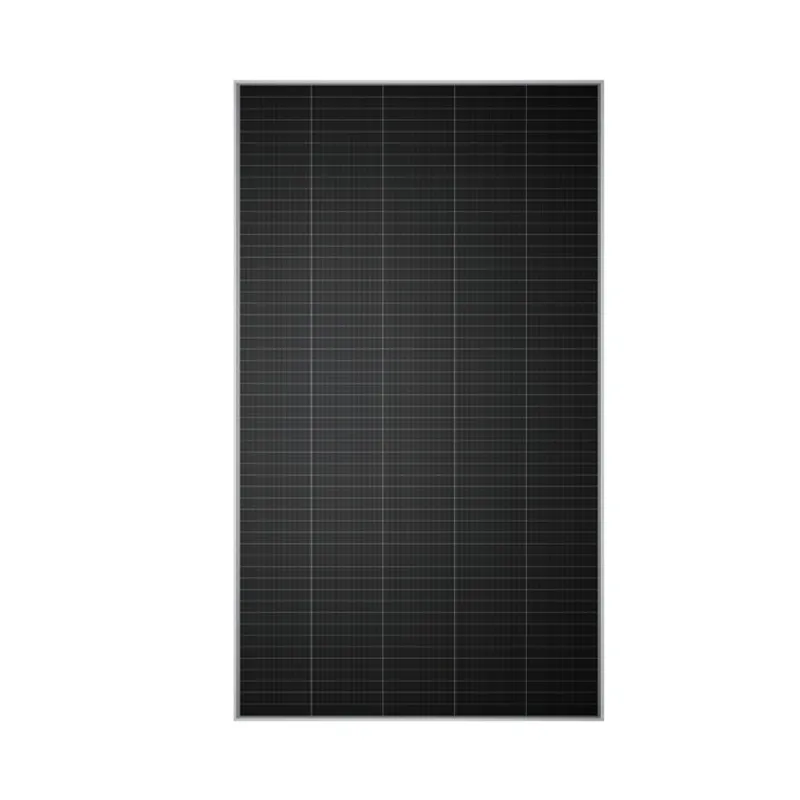
- Monocrystalline Panels: Made from single-crystal silicon, they’re known for high efficiency and sleek aesthetics.
- Polycrystalline Panels: Constructed from silicon fragments melted together, they’re cost-effective but slightly less efficient.
- Thin-Film Solar Panels: Using layers of photovoltaic materials deposited onto glass or metal, these are lightweight and flexible.
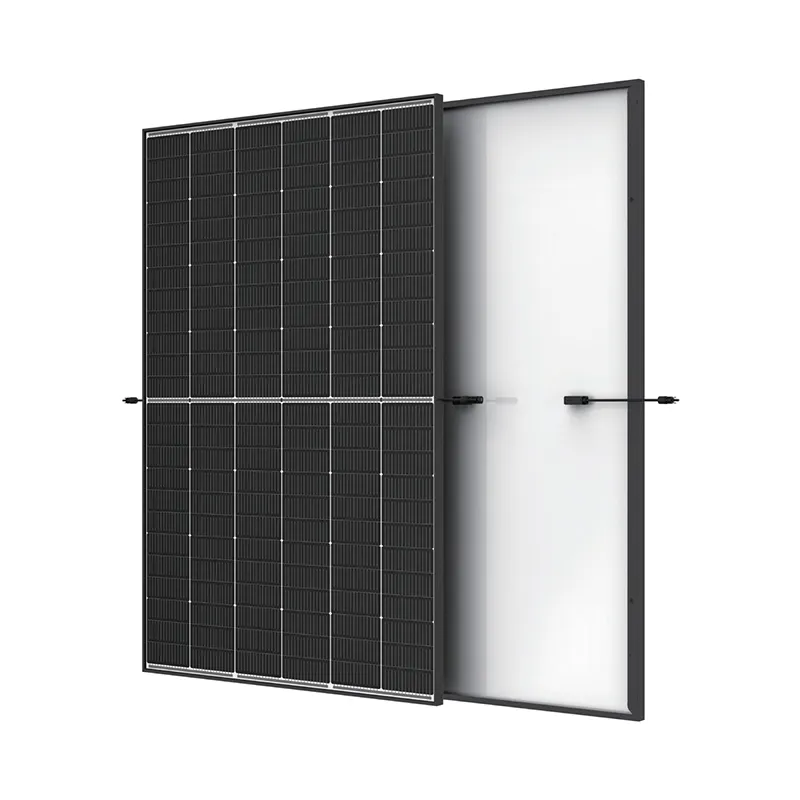
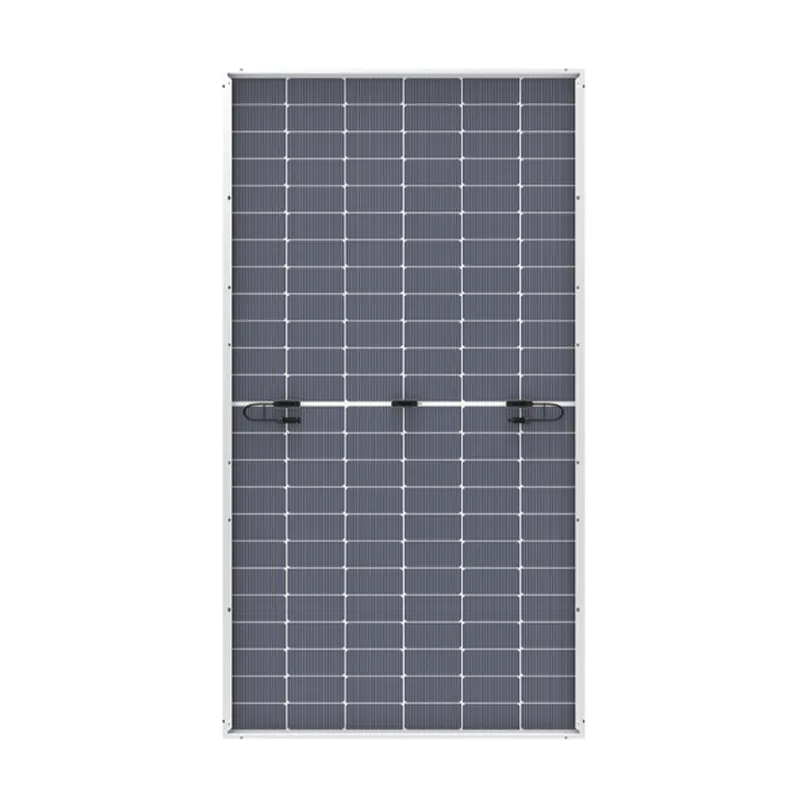
- Bifacial Panels: Capture sunlight on both sides, potentially increasing energy output.
These panel categories aren’t just tech jargon—they signal varied production methods, durability, cost profiles, and applications that align differently depending on housing needs, climate, and budget.
Mini Takeaway: The types of solar panels for homes boil down to choices balancing efficiency, cost, and durability tailored to individual demands.
Core Factors When Choosing Types of Solar Panels for Houses
1. Efficiency
This is basically how much sunlight a panel can turn into electricity. Monocrystalline panels hover around 20-22%, whereas thin-films may linger near 10-12%. Higher efficiency means a smaller panel can power the same amount, which matters if roof space is limited.
2. Durability and Lifespan
Some panels, especially monocrystalline and polycrystalline, can last 25-30 years with steady output. Thin-film panels generally have shorter lifespans but are more flexible for unusual surfaces.
3. Cost Efficiency
Price per watt is key here. Thin films are cheaper upfront but produce less energy, so long-term savings can be offset by increased size or replacements. Monocrystalline costs more, but their longevity can justify the premium.
4. Aesthetic and Size
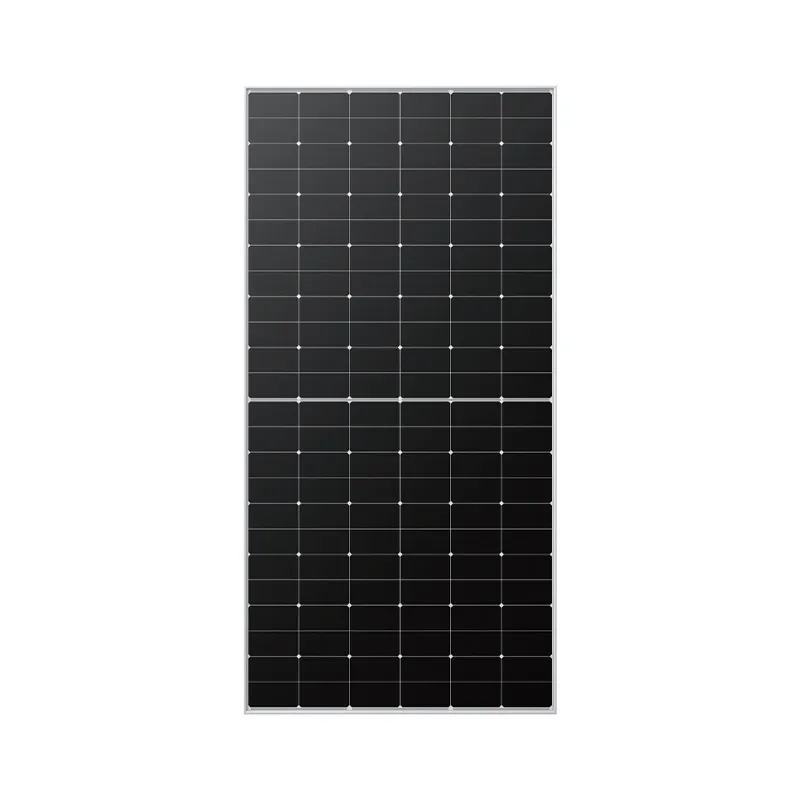
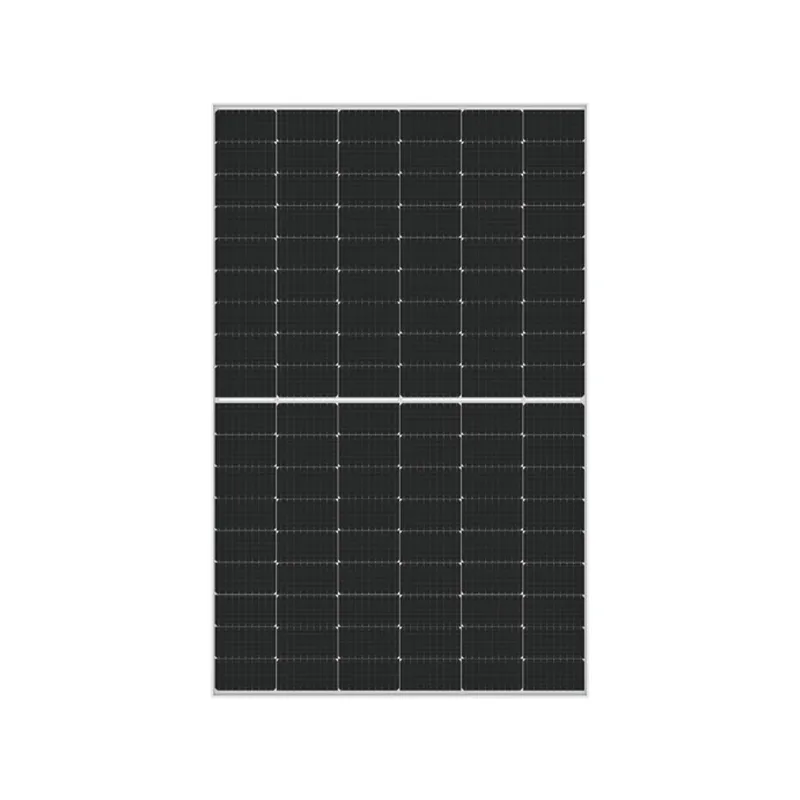
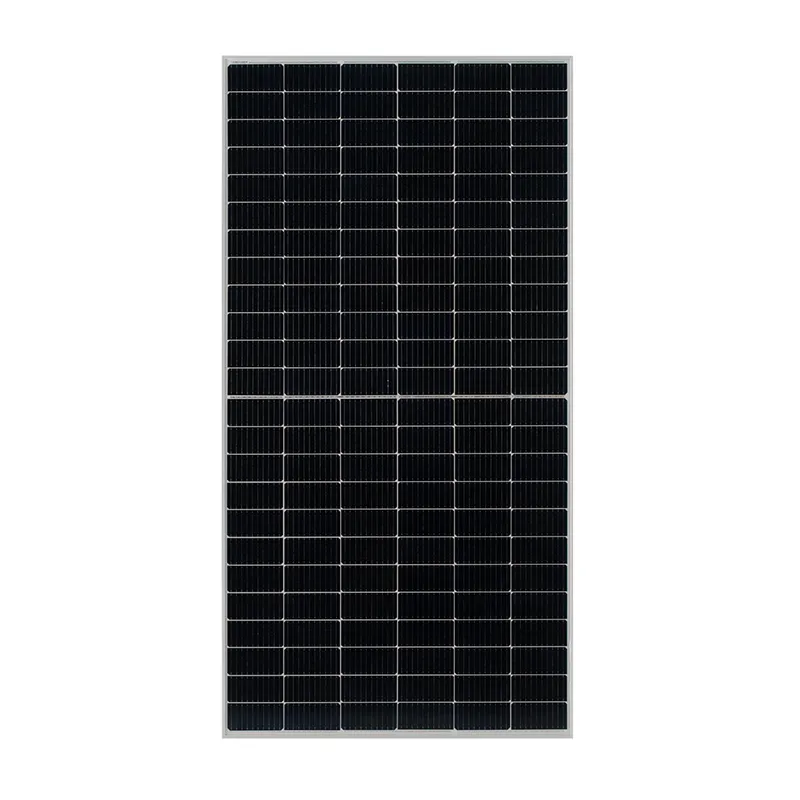
Homeowners often prioritize appearance. Monocrystalline panels have a uniform black color—popular for modern homes—whereas polycrystalline patterns look ‘speckled’ blue. Thin-films can blend seamlessly but may look glossy.
5. Climate and Environment
Hot climates can reduce panel efficiency; monocrystalline panels tend to handle heat better. Meanwhile, shaded areas might benefit from bifacial panels for that extra solar capture.
6. Installation & Maintenance
Thickness, weight, and flexibility affect complexity. Thin-films are lighter and easier on angled or curved roofs. Maintenance costs are generally low across the board but vary with local conditions.
Mini Takeaway: Real-world panel selection blends efficiency, cost, aesthetics, and environment to fit your home like a glove.
Real World Impact: Where the Types of Solar Panels for Houses Shine
The practical uses of different types of solar panels are as varied as the climates they illuminate. In sun-drenched California suburbs, monocrystalline panels dominate rooftops, offering high output on limited space. Meanwhile, in rural Kenya, thin-film panels provide affordable, lightweight solutions for off-grid homes.3
Organizations like Habitat for Humanity integrate varied solar panel types in disaster-prone zones to restore power quickly and cost-effectively. Plus, modular housing projects powered by bifacial panels are gaining traction in northern Europe, where low-angle winter sun can be captured from both sides.
Even in developed urban areas, aesthetic choices dictate panel types, with some homeowners associations preferring sleeker monocrystalline arrays for visual cohesion. The versatility of solar panels applied across geographies and scenarios proves their vital role globally.
Mini Takeaway: Diverse types of solar panels find real purpose worldwide, fitting climates, budgets, and community needs uniquely.
Quick Glance: Solar Panel Specification Table
| Specification | Monocrystalline | Polycrystalline | Thin-Film |
|---|---|---|---|
| Efficiency | 20-22% | 15-17% | 10-12% |
| Average Lifespan | 25-30 years | 25 years | 10-20 years |
| Cost per Watt | $0.85 - $1.00 | $0.65 - $0.80 | $0.50 - $0.70 |
| Weight per sq. ft. | ~2.5 lbs | ~2.8 lbs | ~1.3 lbs |
| Temperature Coefficient | -0.3% / °C | -0.4% / °C | -0.2% / °C |
Comparing Top Solar Panel Brands for Residential Use
| Brand | Panel Type | Warranty | Typical Efficiency | Average Price per Watt |
|---|---|---|---|---|
| SunPower | Monocrystalline | 25 years | 22.8% | $1.00 - $1.20 |
| LG Solar | Monocrystalline | 25 years | 21.7% | $0.95 - $1.10 |
| Canadian Solar | Polycrystalline | 20 years | 17.5% | $0.70 - $0.85 |
| First Solar | Thin-Film | 12 years | 11-13% | $0.50 - $0.65 |
The Long-Term Benefits of Residential Solar Panels
Let’s face it: adopting the right types of solar panels for houses isn’t just a practical choice, it’s transformative. Here’s why:
- Economic Savings: Over time, solar panels can significantly eliminate electricity bills and offer protection against future price hikes.
- Sustainability: The clear reduction in carbon emissions lends itself directly to fighting climate change—a mission that’s everyone’s.
- Energy Independence: For remote or off-grid homes, solar panels can be the bridge to autonomy and resilience, freeing homes from unreliable grids.
- Community Development: Efficient solar adoption creates jobs, promotes technological literacy, and elevates standards of living.
- Lasting Reliability: Panels that come with warranties and tested lifetimes ensure transparent trust for homeowners.
Emotionally, they also offer peace of mind. Knowing your home produces part of its energy brings a tiny daily thrill—sort of like your roof is quietly working for you.
Mini Takeaway: Over decades, solar panels pay for themselves in cash, comfort, and conscience.
Innovations Lighting the Way Forward
Looking ahead, the solar landscape is buzzing with exciting trends focused on the types of solar panels for houses:
- Perovskite Solar Cells: These promise cheaper, ultra-light panels with efficiency leaps, though commercialization is still underway.
- Bifacial and Hybrid Panels: More homes are adopting panels that harness reflected light or combine PV cells with solar thermal tech.
- Smart Solar Solutions: Integrations with digital monitoring, AI-driven performance tweaks, and IoT-connected systems make solar smarter and user-friendly.
- Recycling & Sustainability: Innovations in material reuse are addressing end-of-life panel management, closing the clean energy loop.
Policy shifts worldwide—such as incentives and streamlined permits—are also helping homeowners and installers jump onboard quicker. It’s an ecosystem evolving in real time.
Mini Takeaway: Emerging materials and smart tech are setting the stage for a new era of efficient, eco-friendly residential solar.
Common Hurdles and Practical Fixes
Despite the bright picture, hurdles exist. The upfront cost remains a sticking point for many. Then there’s roof compatibility, shading issues, and grid integration challenges. Even policy uncertainty in some regions causes delays and risk.
But the sector is responding:
- Financing Models: Leasing, power purchase agreements, and government subsidies lower the entry barrier.
- Design Innovation: Flexible and custom-shaped panels tackle difficult roof layouts and historic buildings.
- Energy Storage: Combined with home batteries, solar supplies become reliable even when the sun’s gone.
- Regulatory Advocacy: Consumer groups and industry bodies are pushing for clearer, faster permitting.
In short, it’s a fast-improving market and infrastructure—even if it sometimes feels like you’re looking at puzzle pieces while the picture is still coming together.
FAQ: Your Questions About Types of Solar Panels for Houses
- Q: Which solar panel type suits shaded or partly cloudy regions best?
- A: Bifacial and monocrystalline panels generally perform better in diffuse light conditions due to higher efficiency and the ability to capture reflected light. Thin-films may struggle without direct sunlight.
- Q: How long do typical residential solar panels last before needing replacement?
- Most high-quality monocrystalline or polycrystalline panels last 25-30 years with gradual efficiency losses. Thin-film panels usually have shorter lifespans of around 10-20 years.
- Q: Is it worth paying more for monocrystalline panels versus polycrystalline?
- If roof space is limited and aesthetics matter, monocrystalline is often worth the extra cost due to higher efficiency and cleaner look. For larger roofs with budget constraints, polycrystalline offers decent performance for less.
- Q: Can homeowners add solar panels without structural roof changes?
- Generally, yes. Standard panels are designed for typical roofs. But for older or complex structures, flexible thin-film or customized mounting might be necessary.
- Q: How can I check if my home qualifies for solar installation subsidies?
- Check local government energy or environment departments, utility company programs, and international databases like the Energy Star website for current incentives available in your area.
Wrapping Up: A Sunny Horizon for Home Energy
Types of solar panels for houses are more than a technical classification—they shape how millions of families live, spend, and contribute to a greener planet. Whether it’s a sleek monocrystalline array crowning a city home or a thin-film panel powering a remote cabin, each choice carves out a piece of energy independence and sustainability.
Thinking of making the switch? You can learn more about your options and latest solar technologies by visiting Benjiu Solar—your gateway to smarter, cleaner energy living. Because, frankly, the future looks a lot brighter with solar on the roof.
References:
-
Designing a Modern Home Roof Made Out of Solar Panels GuideNewsApr.16,2026
-
Guide to the Size of 150 Watt Solar Panel for Your ProjectNewsApr.09,2026
-
Understanding the Dimensions and Applications of a 200W Solar PanelNewsApr.07,2026
-
Understanding the Dimensions and Factors of a 330W Solar Panel SizeNewsApr.04,2026
-
Understanding the Size and Dimensions of a 4kW Solar Panel System for Your HomeNewsMar.31,2026
-
Comprehensive Guide to Sizing Your Solar System for Optimal Energy ProductionNewsMar.28,2026