Understanding the Price of One Solar Panel – Global Insights & Buying Guide
The Price of One Solar Panel: Why Understanding It Matters
At first glance, asking about the price of one solar panel might seem like an easy question. But behind that simple query lies a fascinating confluence of global economics, technology advancements, and environmental urgency. Why does the cost matter so much? Because it directly impacts the adoption rate of one of the cleanest, most sustainable energy sources we have — solar power.
Globally, accelerating the shift to renewable energy is not just a noble goal but a necessary one, with climate targets set by international bodies like the United Nations and the International Energy Agency. Knowing the price of one solar panel lets governments, businesses, and everyday consumers plan investments, assess payback periods, and work towards a future where energy is affordable and sustainable.
Mini Takeaway: The cost of a single solar panel isn’t just a number—it reflects the accessibility of renewable energy worldwide.
Setting the Stage: Why the Price of Solar Panels Is So Globally Relevant
Over the past decade, the price of solar panels has dropped drastically — by almost 90% since 2010, according to the IEA. This plunge has powered tremendous growth globally. Yet, for many developing regions, the initial cost of purchasing and installing even one solar panel remains a barrier.
This cost barrier is not trivial. For example, in sub-Saharan Africa, where energy access is still a daunting challenge for over 600 million people (World Bank data), the affordability of solar energy hinges on reducing the upfront price of one solar panel. The same applies to disaster relief zones or rural off-grid industries.
Here lies the problem: How do you keep quality and durability high while simultaneously driving costs down to unlock wider adoption? Quite a puzzle, honestly.
What Exactly Is the Price of One Solar Panel?
Simply put, the price of one solar panel refers to the monetary cost an individual or organization pays to acquire a single photovoltaic (PV) panel—this includes the panel itself, but often also the shipment, import duties, and sometimes installation costs (though typically these are calculated separately).
But it’s more than a retail price: it reflects manufacturing technology, raw material costs (like silicon), panel efficiency, and supply chain factors. The better that panel is designed to last, withstand weather, and convert sunlight efficiently, the higher its cost tends to be.
Commercially and humanitarian-wise, understanding this cost is a keystone to planning solar projects that meet local needs reliably without breaking budgets.
Key Factors Influencing the Price of One Solar Panel
1. Manufacturing Materials & Quality
Quality silicon wafers, tempered glass, and durable framing materials bump up costs—but they’re crucial for longevity and sustained power output.
2. Panel Efficiency & Technology
Higher-efficiency panels (like monocrystalline vs. polycrystalline) cost more but deliver more power per square meter—a balance buyers must consider according to their space and budget limits.
3. Durability & Warranty
Panels boasting 25-year warranties tend to be pricier, but they minimize long-term risks. You get what you pay for, and these factors often secure trust for institutional buyers.
4. Scale of Production & Supply Chain
Large-scale manufacturers drive prices down through economies of scale, while logistics and tariffs can cause price spikes in other markets.
5. Market Demand & Government Policies
Tax incentives, subsidies, and tariffs differ by region and influence pricing outcomes, sometimes dramatically.
Mini Takeaway: The price of a solar panel is a complex cocktail of tried-and-true technology, materials, manufacturing scale, and geopolitical economics.
Typical Specifications for a Solar Panel Model
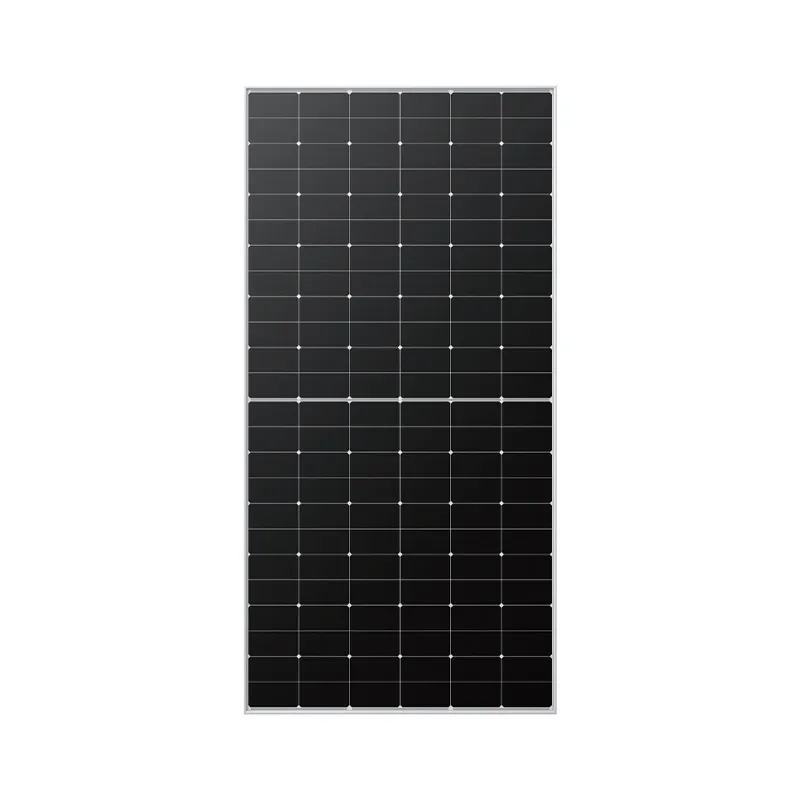
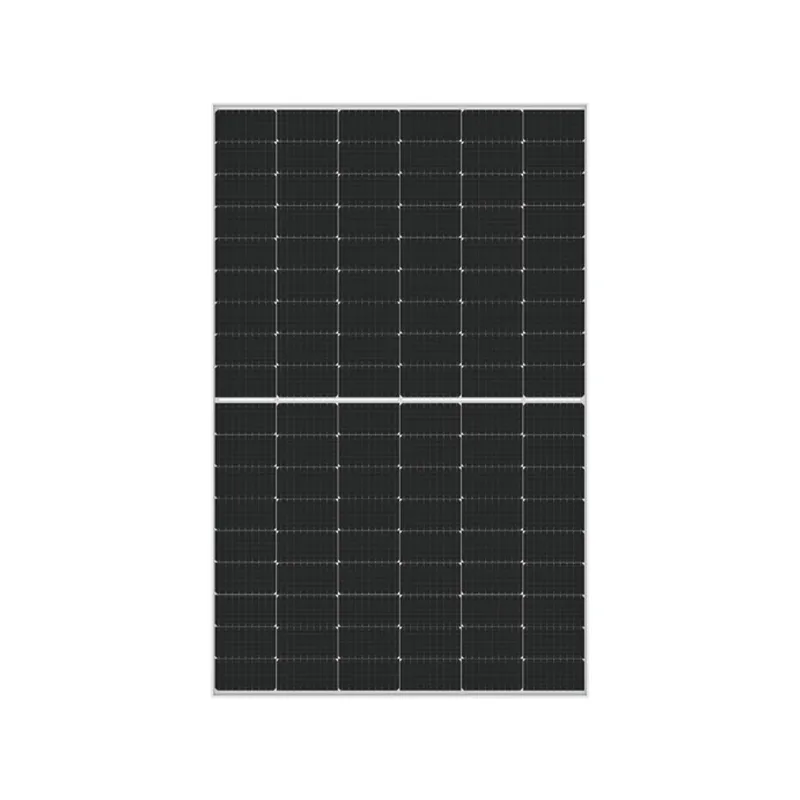
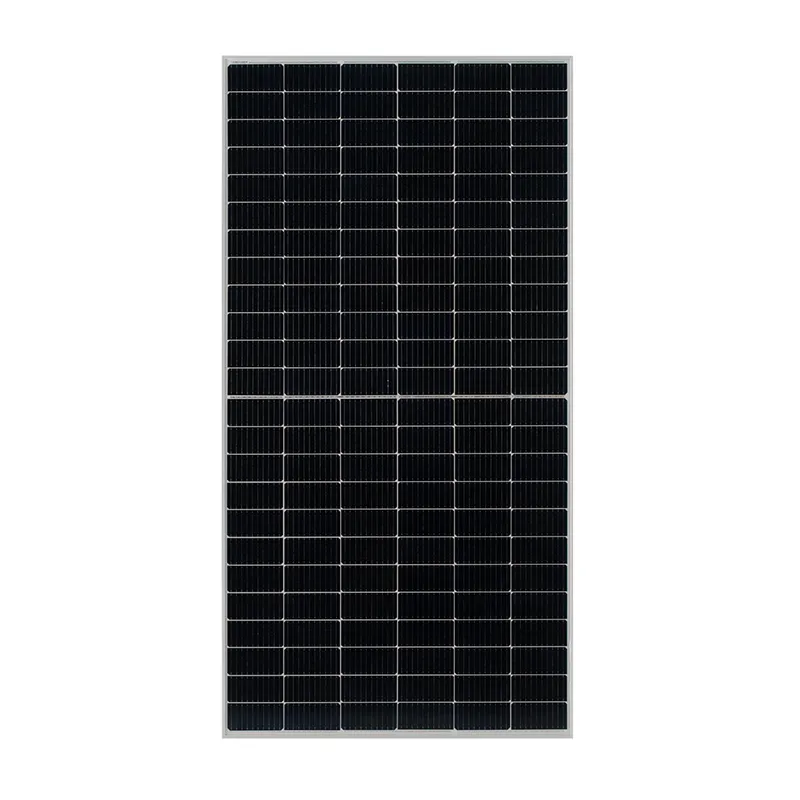
| Specification | Example Model: Benjiu Solar 340W |
|---|---|
| Power Output | 340 Watts |
| Efficiency | 20.2% |
| Dimensions | 1640 x 992 x 35 mm |
| Weight | 18.2 kg |
| Warranty | 25 years performance guarantee |
| Price Range (USD) | $120 - $160 (varies by order size and destination) |
How the Price of One Solar Panel Shapes Global Applications
Solar panels are everywhere—from rooftop installations in cities like Berlin or San Francisco to sprawling solar farms in India and Australia. Their price affects sectors differently:
- Remote Communities: In hard-to-access places, solar panels provide reliable, off-grid power. Lower prices mean more homes gain electricity, boosting education and healthcare.
- Disaster Relief: Quick deployment solar kits (powered by affordable panels) are now staples in post-disaster scenarios, such as after hurricanes in Puerto Rico.
- Industrial Use: Mining or agricultural operations in off-grid locations rely on cost-effective solar to cut diesel dependence.
- Commercial Installations: Retailers and factories use solar to lower energy costs, responding directly to price-per-panel calculations on ROI.
For example, NGOs deploying solar solutions in refugee camps find that a slight difference in panel price affects how many units sustain reliable power through tough seasons.
Vendor Comparison: Finding the Best Balance
| Vendor | Price per Panel (USD) | Efficiency | Warranty | Lead Time |
|---|---|---|---|---|
| Benjiu Solar | $120 - $160 | ~20.2% | 25 years | 2-4 weeks |
| SolarMax Tech | $150 - $190 | 21.0% | 20 years | 3-5 weeks |
| GreenVolt | $100 - $140 | 18.5% | 15 years | 4-6 weeks |
Advantages & Long-Term Value of Knowing the Price
Understanding the price of one solar panel empowers buyers to:
- Calculate return on investment precisely and plan funding accordingly.
- Choose suitable technology matching efficiency needs, climate resistance, and scale.
- Expand energy access responsibly in off-grid and underserved areas.
- Support sustainable development that respects both budgets and the planet.
On a human level, affordable solar panels can mean safer homes with electricity to light the night, power to refrigerate medicine, or income-generating opportunities. It’s not just saving dollars — it’s improving dignity and opportunity.
Looking Ahead: Trends Shaping Solar Panel Pricing
Several exciting innovations will influence solar panel prices soon:
- Perovskite technologies: Potential for cheaper, flexible panels with high efficiency.
- Automation & digital manufacturing: Driving down production costs quietly but steadily.
- Recycling advances: Reduce raw material costs and environmental footprint.
- Government policies: More aggressive subsidies and tariffs depending on climate priorities.
Common Challenges & Practical Solutions
It’s not all smooth sailing. Sudden price hikes due to supply chain disruptions or tariffs can stall entire projects. Cheap panels with poor quality cause distrust and replacement expenses. Off-grid logistics add complexity and cost beyond simple component pricing.
Experts often recommend:
- Partnering with verified manufacturers who offer strong warranties.
- Bulk purchasing to leverage economies of scale.
- Designing installation schemes maximizing panel efficiency to lower overall system cost.
FAQ: Frequently Asked Questions About the Price of One Solar Panel
Q: What factors most affect the price of a solar panel?
A: Typically, material quality, panel efficiency, manufacturing volume, shipping costs, and policy factors like import tariffs shape pricing.
Q: Is buying cheaper solar panels a bad idea?
A: Not necessarily, but lower-cost panels may have shorter lifespans or lower efficiency. Factor in warranty and supplier reputation before deciding.
Q: How much does installation add to the total cost?
A: Installation often adds 20-40% on top of panel costs, depending on system size and site conditions — so consider total system budgeting.
Q: Can the price of one solar panel vary by country?
A: Yes, logistics, tariffs, and local taxes affect price, sometimes significantly. Always check local suppliers or import regulations.
Q: Where can I find reliable pricing for solar panels?
A: Trusted vendors like Benjiu Solar provide transparent pricing and detailed specifications to help you decide.
Conclusion: Why Knowing the Price of One Solar Panel Matters for Everyone
In real terms, the price of one solar panel is far more than a simple purchasing figure. It’s a critical data point driving decisions for governments, businesses, and communities worldwide trying to jump-start renewable energy and protect the planet.
As technology advances and production scales grow, we can expect prices to keep falling — making solar energy even more democratically accessible. If you’re curious about cost, quality, and deployment options, visit our website to explore how you can invest smartly in solar today.
After all, today’s panel price sets tomorrow’s clean energy foundation.
References
-
Designing a Modern Home Roof Made Out of Solar Panels GuideNewsApr.16,2026
-
Guide to the Size of 150 Watt Solar Panel for Your ProjectNewsApr.09,2026
-
Understanding the Dimensions and Applications of a 200W Solar PanelNewsApr.07,2026
-
Understanding the Dimensions and Factors of a 330W Solar Panel SizeNewsApr.04,2026
-
Understanding the Size and Dimensions of a 4kW Solar Panel System for Your HomeNewsMar.31,2026
-
Comprehensive Guide to Sizing Your Solar System for Optimal Energy ProductionNewsMar.28,2026