Understanding Standard Dimensions of Solar Panels for Optimal Energy Production
Standard Dimensions of Solar Panels: A Comprehensive Guide
Understanding the standard dimensions of solar panels is crucial for successful installation and maximizing energy production. Whether you’re a homeowner planning a residential system or a business developing a large-scale solar farm, knowing the typical sizes and specifications helps with space planning, compatibility, and overall system efficiency. Benjiu Solar offers a wide range of solar panels, and this guide will provide a detailed overview of common sizes and considerations.
Common Solar Panel Sizes and Dimensions
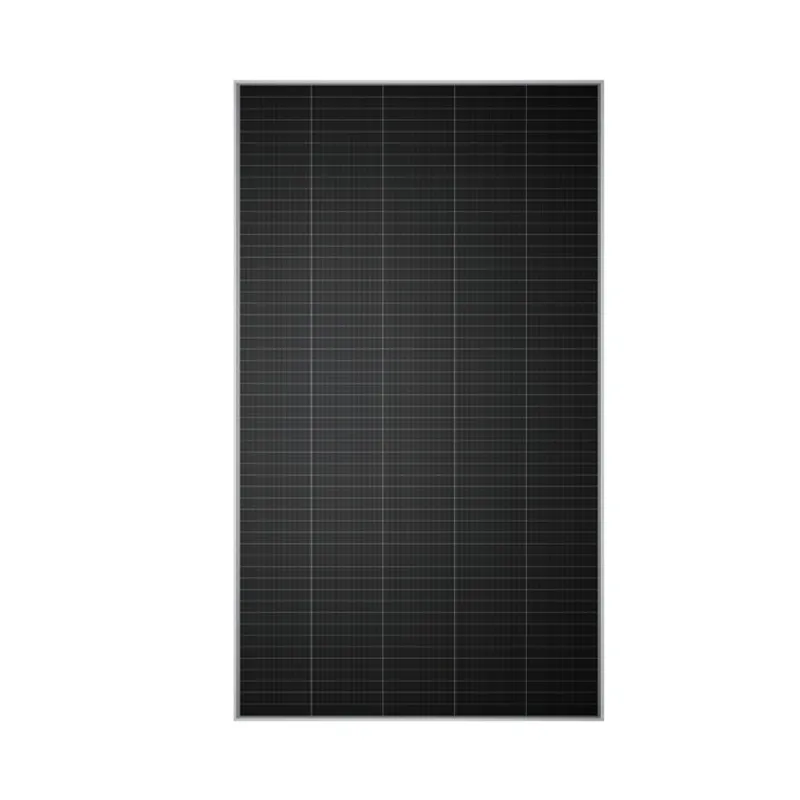
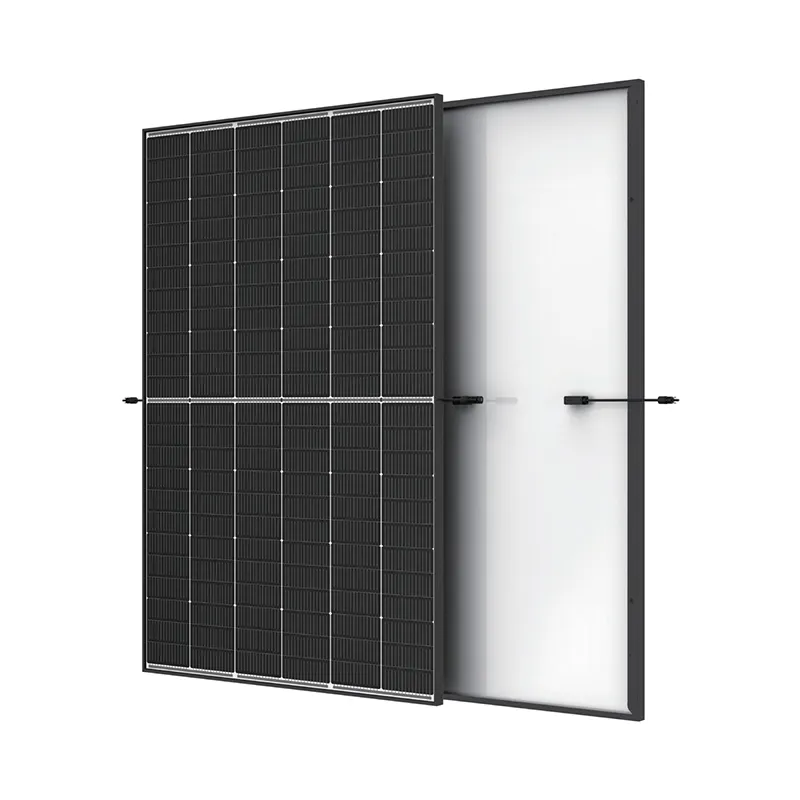
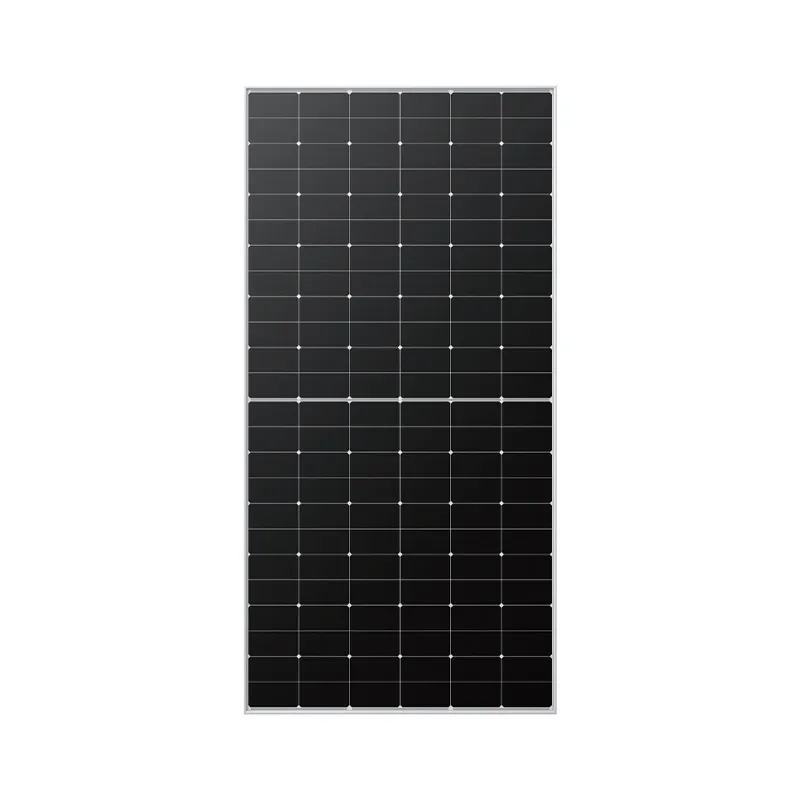
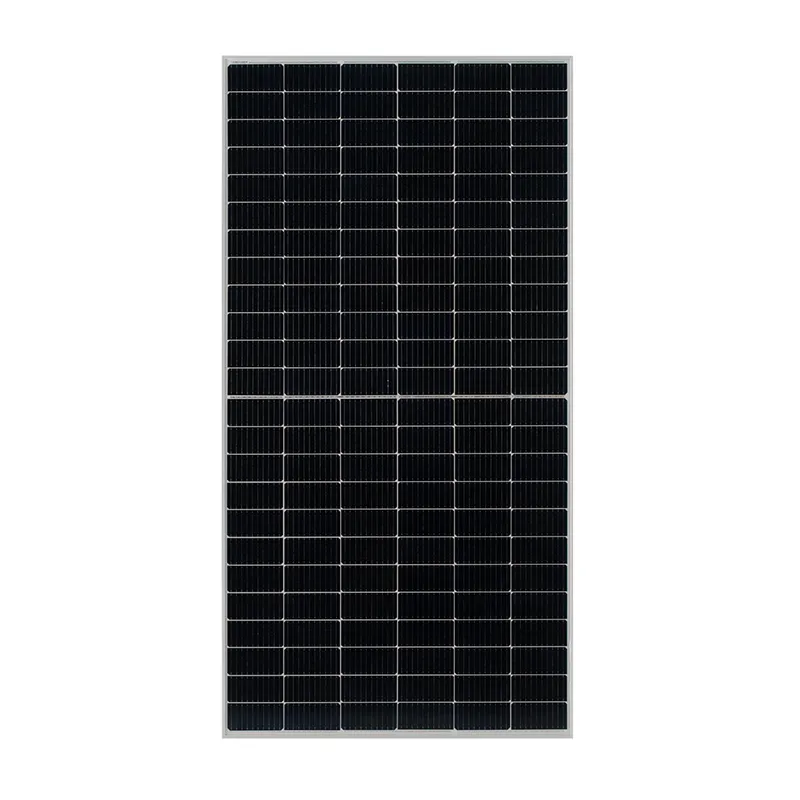
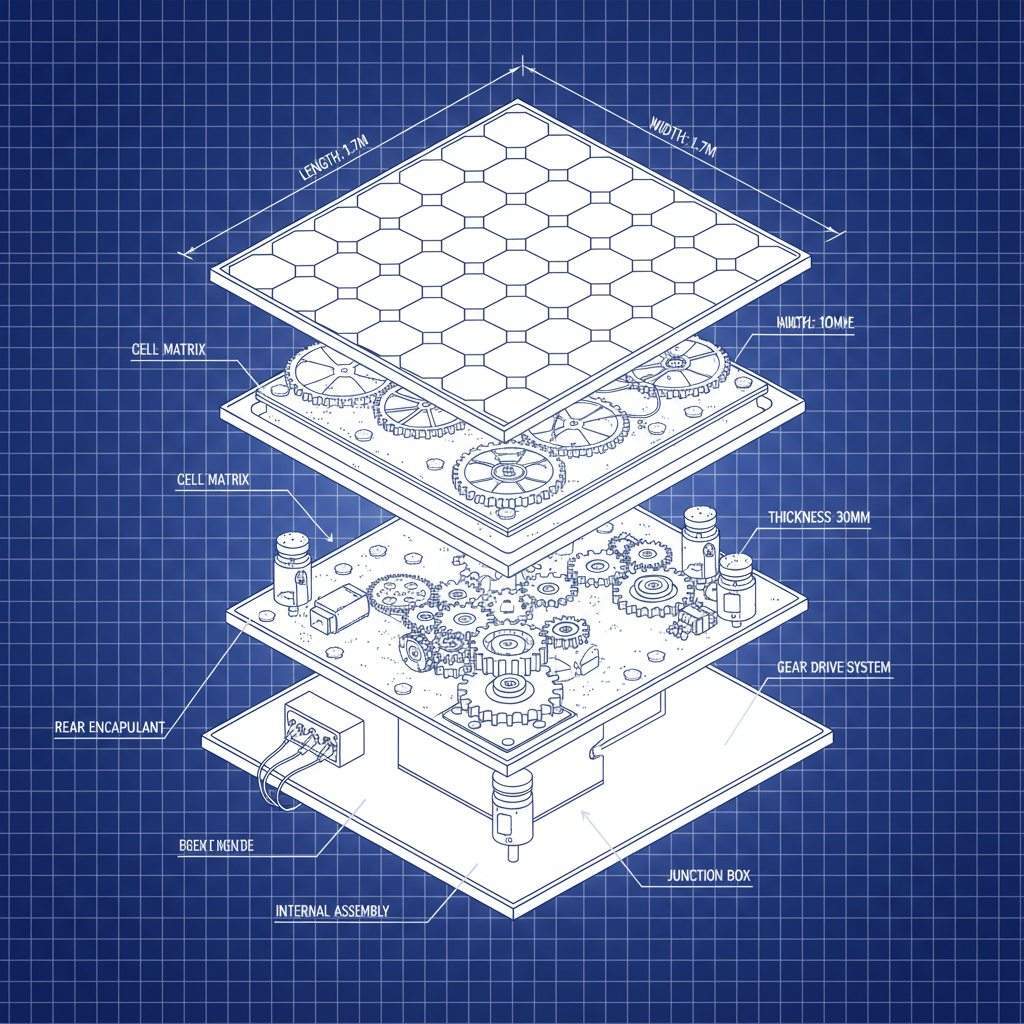
Solar panels are generally categorized by their cell type and wattage. The most prevalent types used today are monocrystalline, polycrystalline, and thin-film. The dimensions directly correlate to the number of cells within the panel and its resulting power output. Residential solar panels typically range from around 65 inches to 77 inches in length and 39 inches to 41 inches in width. Commercial or utility-scale panels can be significantly larger. The physical dimensions are critical when planning the layout of a solar array to ensure maximum sunlight exposure and optimal space utilization.
Key Takeaway: Understanding the dimensions of different panel types allows for efficient system design and space optimization.
Standard Dimensions of Residential Solar Panels
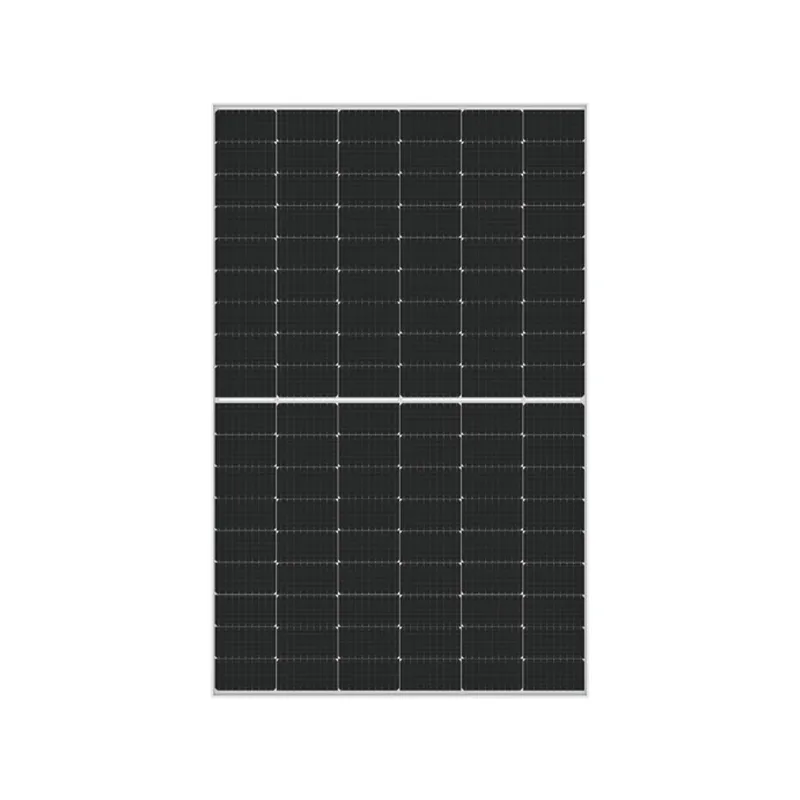
For residential installations, the most common solar panel size is around 65-67 inches long and 39-40 inches wide. These panels typically have a power output between 300W and 450W. The thickness of the panels generally ranges from 1.6 to 2 inches. These dimensions are chosen to balance efficiency, cost, and ease of installation on residential rooftops. Benjiu Solar offers several residential options fitting these standard sizes, designed for optimal performance in various climates.
Residential Panel Dimensions (Typical):
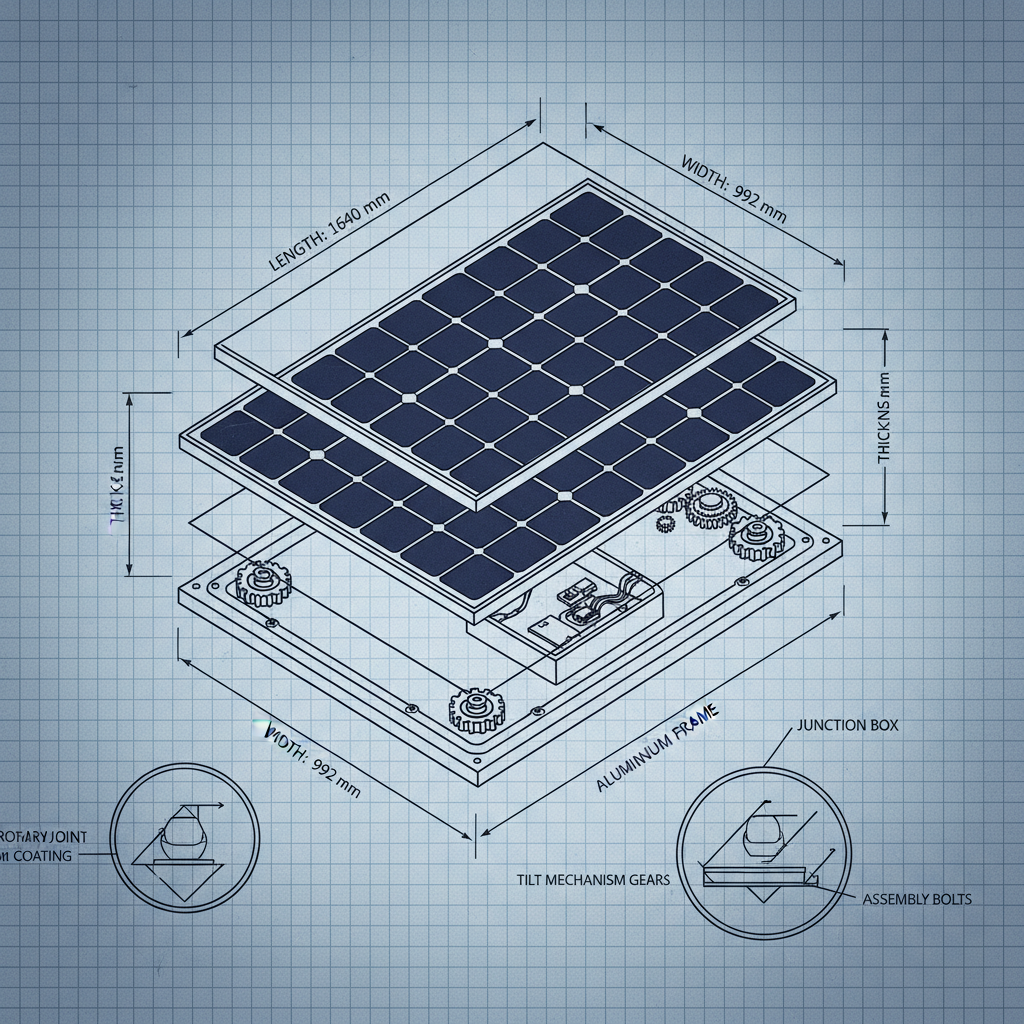
• Length: 65 - 67 inches (1651 - 1702 mm)
• Width: 39 - 40 inches (991 - 1016 mm)
• Thickness: 1.6 - 2 inches (40 - 50 mm)
Commercial vs. Residential Panel Dimensions
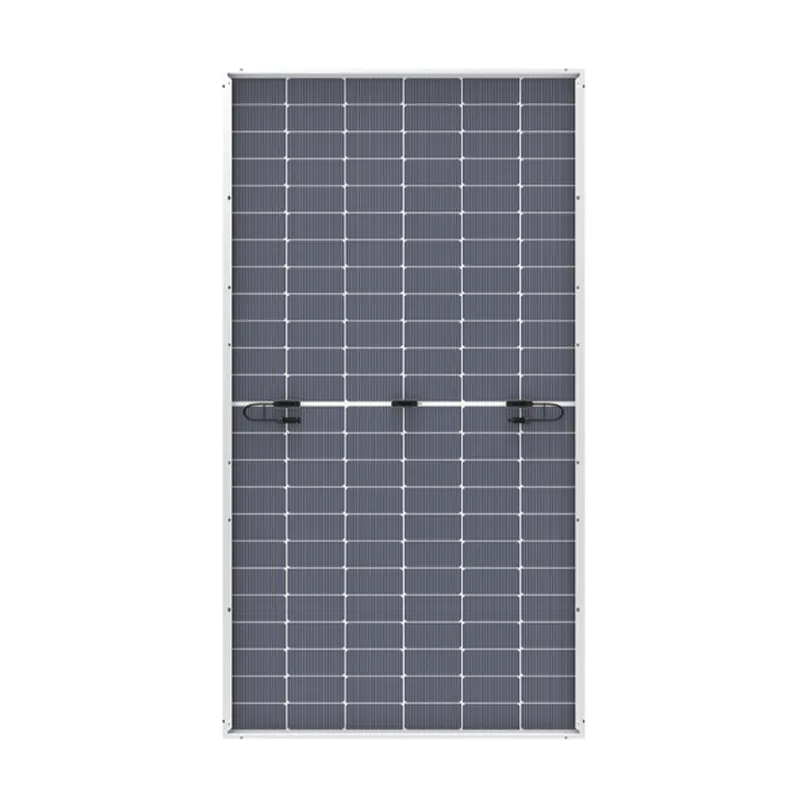
Commercial solar panels, used in large-scale installations, are often larger than residential panels to maximize power generation per unit area. They can range in length from 70 inches to over 90 inches and in width from 40 inches to over 47 inches. The increased size allows for higher wattage outputs, typically between 400W and 600W or even higher. Understanding these differences is crucial for planning commercial solar projects where space and efficiency are paramount. Here's a table summarizing the key differences:
Impact of Panel Dimensions on System Design
The dimensions of the solar panels directly influence the overall system design. Factors to consider include roof space limitations, shading issues, and structural load-bearing capacity. Accurate measurements and careful planning are essential to maximize energy production and ensure a safe and reliable installation. Working with a reputable solar installer, like Benjiu Solar, ensures a tailored solution to your specific needs.
Choosing the Right Panel Size for Your Needs
Selecting the appropriate solar panel size depends on your energy requirements, available space, and budget. Benjiu Solar provides expert consultation to help you determine the optimal panel size and configuration for your project. We offer a wide range of panels with varying dimensions and wattage to meet diverse energy needs.
Conclusion: Optimizing Your Solar Investment
Understanding the standard dimensions of solar panels is the first step toward a successful and efficient solar installation. By carefully considering your energy needs, space limitations, and available options, you can maximize your return on investment and contribute to a sustainable future. Benjiu Solar is dedicated to providing high-quality panels and expert guidance to help you achieve your solar energy goals.
Frequently Asked Questions (FAQs)
What factors influence the dimensions of a solar panel?
Several factors contribute to the dimensions of a solar panel. These include the number of solar cells used, the cell type (monocrystalline, polycrystalline, thin-film), and the desired power output. Larger panels generally have more cells and produce more power. Manufacturing techniques and frame design also play a role in the final dimensions. Understanding these factors allows for a more informed decision when selecting panels for your specific application. Choosing Benjiu Solar panels ensures optimized dimensions for maximum energy harvest.
Do different panel types have significantly different dimensions?
Yes, different solar panel types can have variations in dimensions. Thin-film panels, for example, are often more flexible and can come in larger sizes compared to crystalline panels. Monocrystalline panels tend to be slightly smaller than polycrystalline panels for the same wattage due to their higher efficiency. However, the standard dimensions discussed earlier generally apply to most commonly used panels. Benjiu Solar provides detailed specifications for each panel type, allowing you to compare dimensions and choose the best fit for your project.
How do panel dimensions affect installation costs?
Panel dimensions can influence installation costs in several ways. Larger panels may require more robust mounting systems and may be more challenging to handle during installation, potentially increasing labor costs. However, using fewer larger panels can sometimes reduce the overall number of connections and mounting points, offsetting some of those costs. Proper planning and efficient system design are crucial for minimizing installation expenses. Benjiu Solar offers comprehensive installation services and can help optimize system design for cost-effectiveness.
What should I consider when measuring for solar panel installation?
Accurate measurements are paramount for a successful solar panel installation. Measure the available roof space carefully, accounting for any obstructions like vents, chimneys, or trees. Consider the roof's pitch and orientation to maximize sunlight exposure. Check the structural integrity of the roof to ensure it can support the weight of the panels and mounting system. Benjiu Solar provides professional site assessments to ensure accurate measurements and optimal system design.
-
Designing a Modern Home Roof Made Out of Solar Panels GuideNewsApr.16,2026
-
Guide to the Size of 150 Watt Solar Panel for Your ProjectNewsApr.09,2026
-
Understanding the Dimensions and Applications of a 200W Solar PanelNewsApr.07,2026
-
Understanding the Dimensions and Factors of a 330W Solar Panel SizeNewsApr.04,2026
-
Understanding the Size and Dimensions of a 4kW Solar Panel System for Your HomeNewsMar.31,2026
-
Comprehensive Guide to Sizing Your Solar System for Optimal Energy ProductionNewsMar.28,2026