Understanding One Solar Panel Size: Global Impact & Practical Insights
Understanding One Solar Panel Size: Why It Matters Globally
When someone asks, “what is one solar panel size?” you might think, “Well, isn’t it just the physical dimensions of a solar panel?” And honestly, that’s the start of it, but it’s way more than a simple measurement. The size of a single solar panel influences everything from installation logistics to energy output and ultimately, the environmental benefits we see worldwide. Getting a handle on what one solar panel size means helps governments, businesses, and even homeowners to optimize solar energy solutions effectively. After all, as the UN’s Sustainable Development Goals push for greater renewable energy adoption, understanding the details — including panel size — becomes crucial.
Introduction: Why One Solar Panel Size Is a Big Deal Globally
According to the International Renewable Energy Agency (IRENA), global solar power capacity surpassed 1 TW in early 2023, with projections doubling by 2030. This swift growth spotlights the importance of standardizing and understanding solar panel dimensions for mass production, ease of deployment, and maintenance. Oddly enough, the diverse sizes available today often create challenges in installation compatibility and efficiency optimization. For example, a remote village in sub-Saharan Africa wanting to implement solar microgrids may struggle with mismatched panel sizes, delaying their transition to clean energy. So, knowing the typical dimensions of one solar panel size helps unify supply chains and accelerates global solar adoption.
Defining One Solar Panel Size
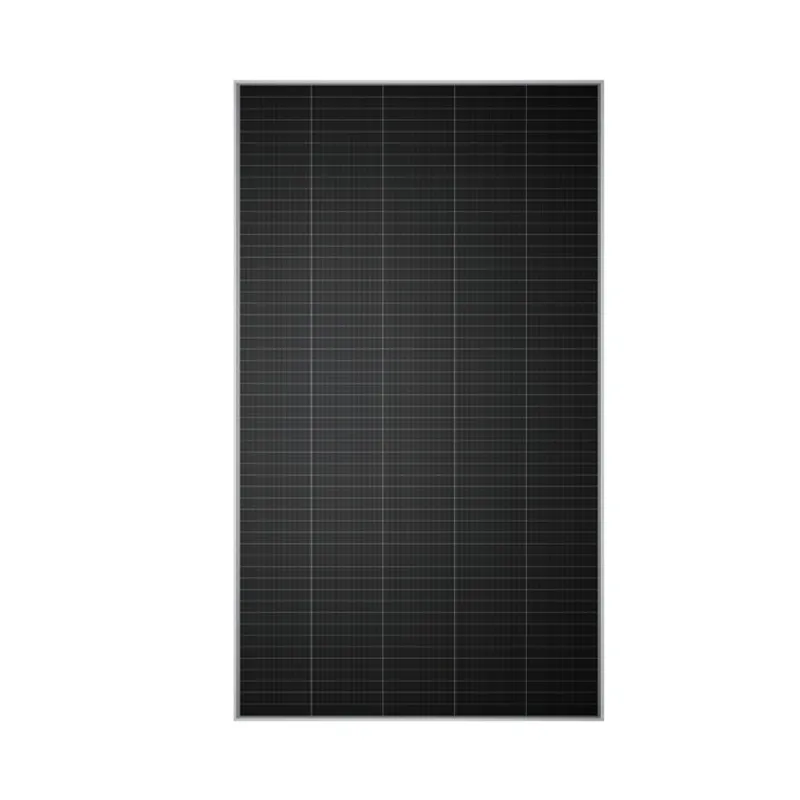
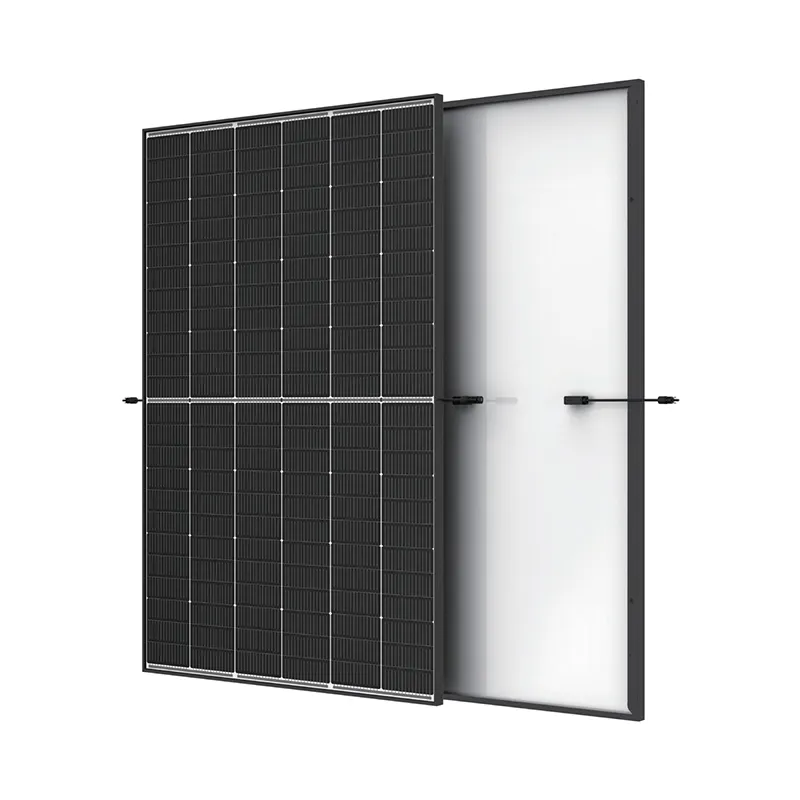
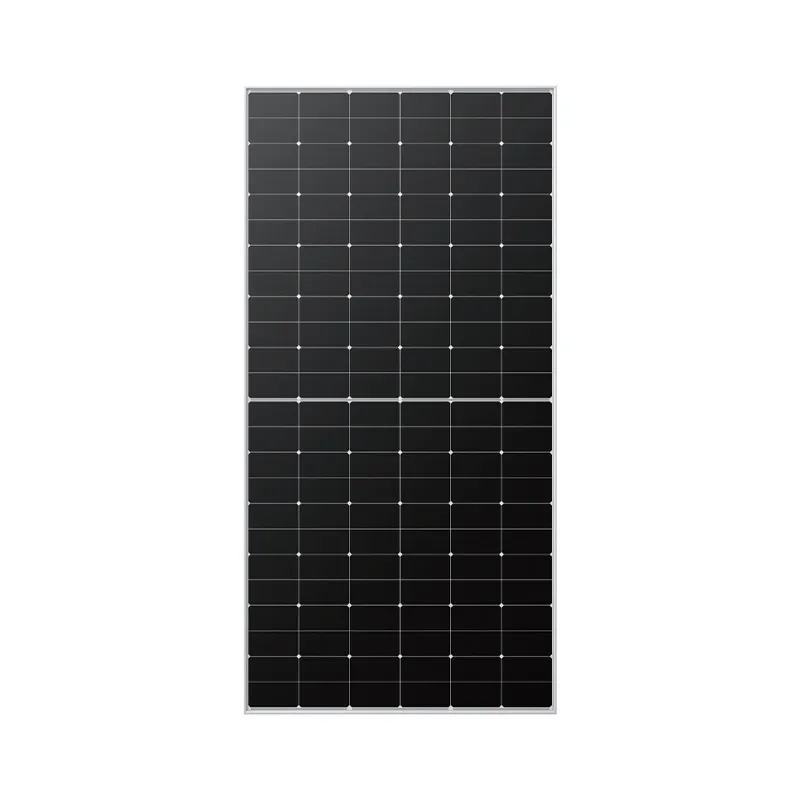
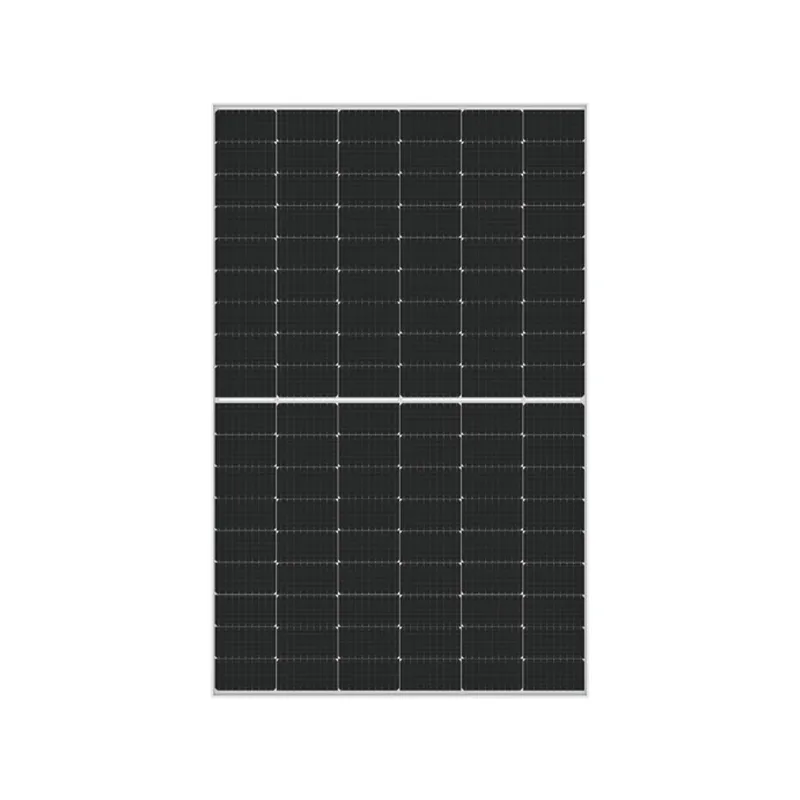
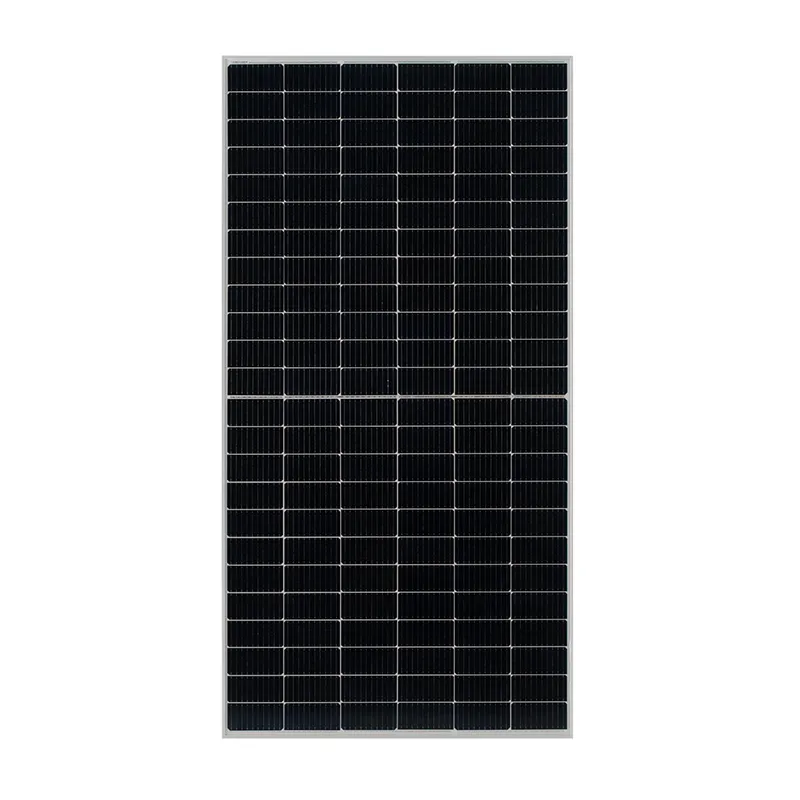
Put simply, one solar panel size refers to the length, width, and sometimes thickness of an individual photovoltaic (PV) panel. Most residential solar panels fall within a range approximately around 65 inches by 39 inches (about 1.65m by 1m), but commercial panels can be much larger. The size influences the wattage — bigger panels typically generate more power — but there’s a balance to strike because larger panels might be heavier and harder to handle. In humanitarian contexts, like solar kits for disaster relief, the panel size must be manageable for transport yet powerful enough to charge devices or power shelters.
Key Factors Affecting One Solar Panel Size
1. Durability and Materials
The panels need to withstand weather extremes, from desert heat to sudden hailstorms. Using tempered glass layers and sturdy aluminum frames often affects the size and thickness of each solar panel. For instance, some rugged panels designed for off-grid use might have reinforced frames slightly increasing their overall size.
2. Power Output and Efficiency
Size correlates somewhat with power — a larger surface area gathers more sunlight. However, thanks to technological advancements, smaller panels with high-efficiency monocrystalline cells can pack a punch power-wise, giving flexibility in sizes.
3. Installation and Scalability
The one solar panel size needs to be versatile enough for different mounting systems, roofs, or ground arrays. Easy scalability with standardized panel dimensions means that adding extra panels to an existing setup is simpler — a big consideration for expanding solar farms.
4. Cost Efficiency
Production is often optimized around common panel sizes. Companies manufacturing panels at scale benefit from reduced costs per unit when they standardize dimensions, passing savings to the buyers.
5. Transportation and Handling
Oddly enough, size matters a lot in logistics. Panels that are too big may be fragile or too heavy for certain regions to handle easily. For remote or disaster-prone areas, a common panel size that’s lightweight and portable can be critical.
Mini Takeaway
In short, the dimensions of one solar panel size affect everything from efficiency to deployment, making it a foundational piece of the global solar energy puzzle.
Typical One Solar Panel Size Specifications
| Specification | Typical Range | Notes |
|---|---|---|
| Length | ~65 inches (1.65 m) | Standard residential panel |
| Width | ~39 inches (1.0 m) | Varies slightly by brand |
| Thickness | ~1.5 to 2 inches (3.8–5 cm) | Includes glass and frame |
| Weight | ~40 lbs (18 kg) | Can impact installation effort |
| Power Output | 250W–400W | Depends on efficiency |
How Do Vendors Compare on One Solar Panel Size?
| Vendor | Standard Panel Size (inches) | Power Range (Watts) | Special Features |
|---|---|---|---|
| SolarTech Inc. | 65 x 39 | 280-350 | High-temp resistant frame |
| GreenVolt Systems | 66 x 40 | 300-400 | Integrated bypass diodes |
| SunPeak Solutions | 60 x 36 | 250-320 | Lightweight design for easy handling |
Global Applications & Use Cases of One Solar Panel Size
Around the world, the shape and size of a single solar panel dictate how solar power adapts across various settings. Look at Europe, where rooftops tend to be smaller and aesthetic regulations mean compact panels are preferred. Or consider India’s expanding rural electrification programs—portable, standardized panel sizes help NGOs deploy solar kits swiftly. Even in disaster relief, standardized panels can be combined into modular microgrids powering emergency shelters or clinics. Industrial zones in Australia also favor large panels with consistent sizing for expansive solar farms. Frankly, it’s everywhere — the right panel size simplifies logistics and maximizes impact.
Advantages and Long-Term Value
- Cost Savings: Standard panel sizes lower production and shipping costs.
- Sustainability: Optimized panel sizes reduce material waste and improve energy yield.
- Social Impact: Portable panels foster energy access in underserved communities, boosting dignity and safety.
- Reliability: Uniform sizing allows easier replacements and better maintenance schedules.
- Innovation: Standard sizes fuel R&D into more efficient cell layouts and hybrid solutions.
Future Trends & Innovations in Solar Panel Sizes
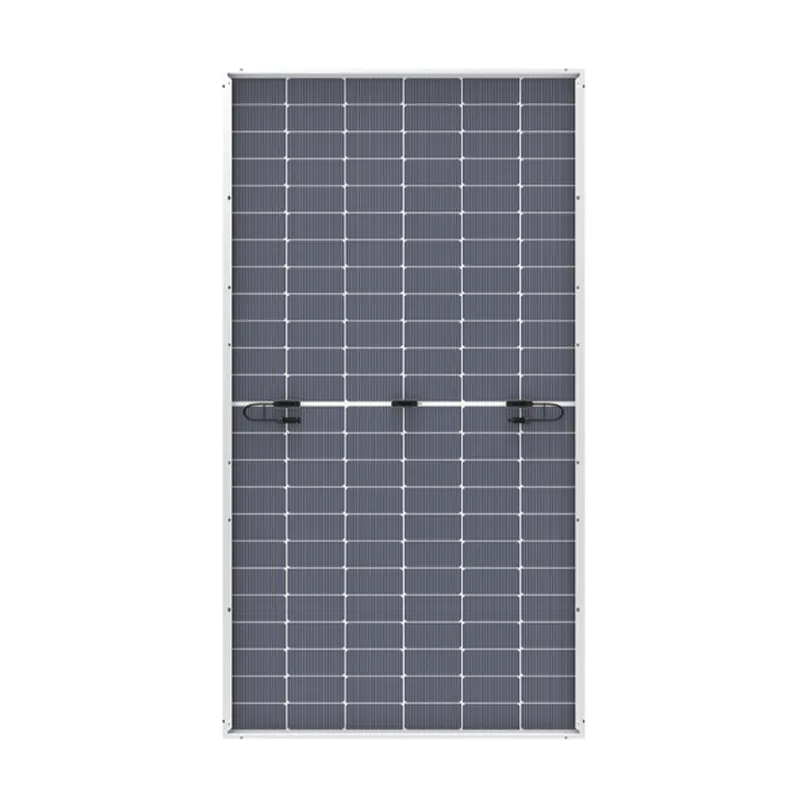
The solar industry is evolving fast. Think flexible, thin-film panels that can bend around curved roofs — these often come in smaller standardized sizes. Or bifacial panels that capture sunlight both front and back, influencing practical sizing and placement considerations. Digital twin technologies combined with AI also optimize installation by factoring in exact dimensions and angle adjustments. On the policy side, ISO standards for solar equipment sizes are working towards more harmonization, which could ease international trade and spur green energy adoption further. Oddly enough, standardization and innovation go hand in hand more than you might expect.
Challenges & Solutions Around One Solar Panel Size
Despite clear benefits, there are hurdles. Diverse climates and building structures require customization, meaning a one-size-fits-all approach isn’t always viable. Also, some manufacturers use proprietary sizes to lock customers in, limiting interoperability. Still, new modular framing systems and clip technologies are emerging that allow panels of slightly different sizes to coexist on arrays. Experts advise combining standard panel sizes with these adaptable mounting hardware solutions — pretty clever stuff. It’s a balancing act between uniformity and flexibility.
FAQ: Frequently Asked Questions About One Solar Panel Size
- What is the most common size of a residential solar panel?
- Typically, residential panels measure about 65 inches by 39 inches (1.65m x 1.0m). This size balances power output, ease of installation, and roof compatibility.
- Can solar panel size affect energy efficiency?
- Yes, while size matters because a larger panel collects more sunlight, efficiency mostly depends on cell technology. Smaller panels can be very efficient if they use advanced materials.
- Are there standard sizes globally for solar panels?
- There’s no single universal standard yet, but many manufacturers align around a few common sizes to simplify production and installation.
- How does one solar panel size impact off-grid solar kits?
- In off-grid scenarios, panel size affects portability and power generation. Balanced sizes optimize transport and enough output to charge devices reliably.
- Why might different vendors offer slightly different panel sizes?
- Companies tweak sizes to improve power density, durability, or for proprietary design reasons. That's why buying panels from multiple vendors can require adapters or custom mounts.
Conclusion & Call to Action
Understanding one solar panel size is more than measuring centimeters — it’s about appreciating how dimensions shape the efficiency, deployment, and sustainability of solar energy worldwide. Whether you’re a homeowner, an installer, or part of a global NGO, knowing these details empowers smarter choices. Interested in exploring solar solutions tailored to your needs with optimal panel sizing? Visit our website: one solar panel size offers more insights and custom solutions for every scale.
Reflection
Frankly, the journey of a solar panel from factory to roof is full of technical considerations that often go unnoticed. It feels like understanding just one small thing — like panel size — can unlock a lot of efficiency and sustainability potential. Hopefully, this quick dive offers a clearer view and sparks your curiosity.
References
-
Designing a Modern Home Roof Made Out of Solar Panels GuideNewsApr.16,2026
-
Guide to the Size of 150 Watt Solar Panel for Your ProjectNewsApr.09,2026
-
Understanding the Dimensions and Applications of a 200W Solar PanelNewsApr.07,2026
-
Understanding the Dimensions and Factors of a 330W Solar Panel SizeNewsApr.04,2026
-
Understanding the Size and Dimensions of a 4kW Solar Panel System for Your HomeNewsMar.31,2026
-
Comprehensive Guide to Sizing Your Solar System for Optimal Energy ProductionNewsMar.28,2026