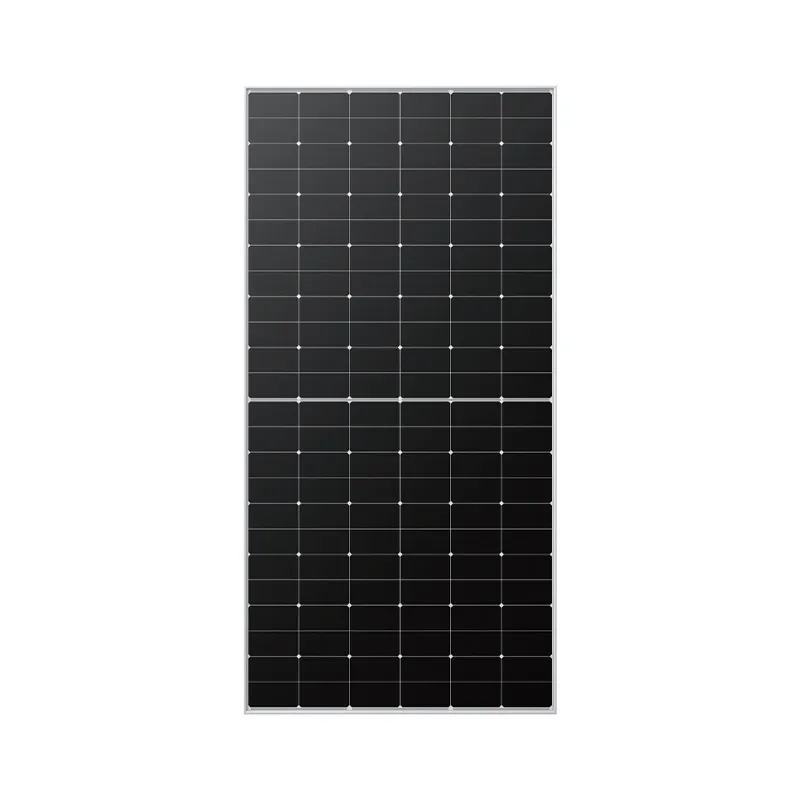
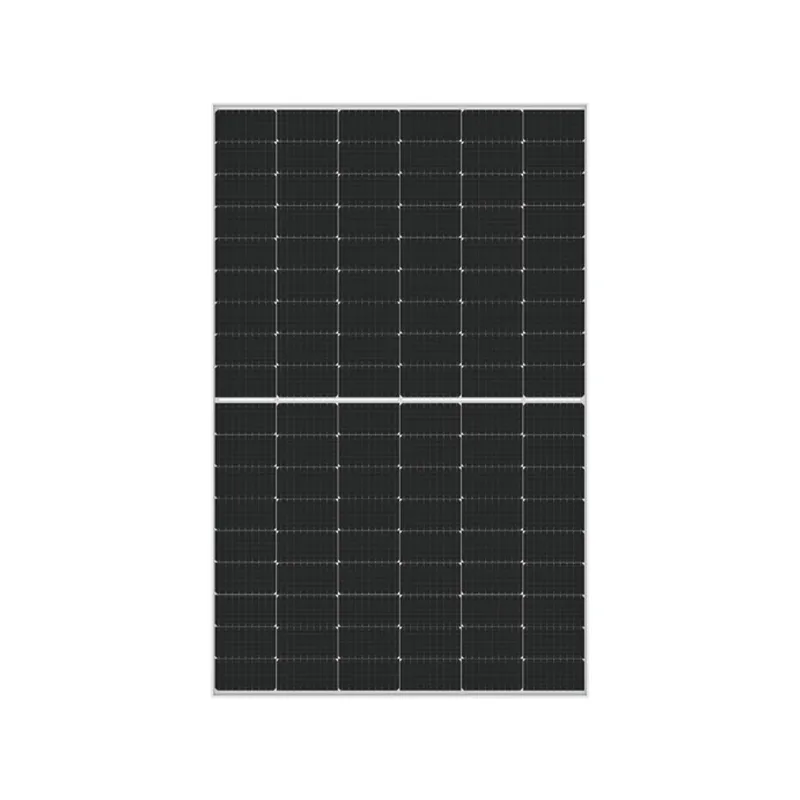
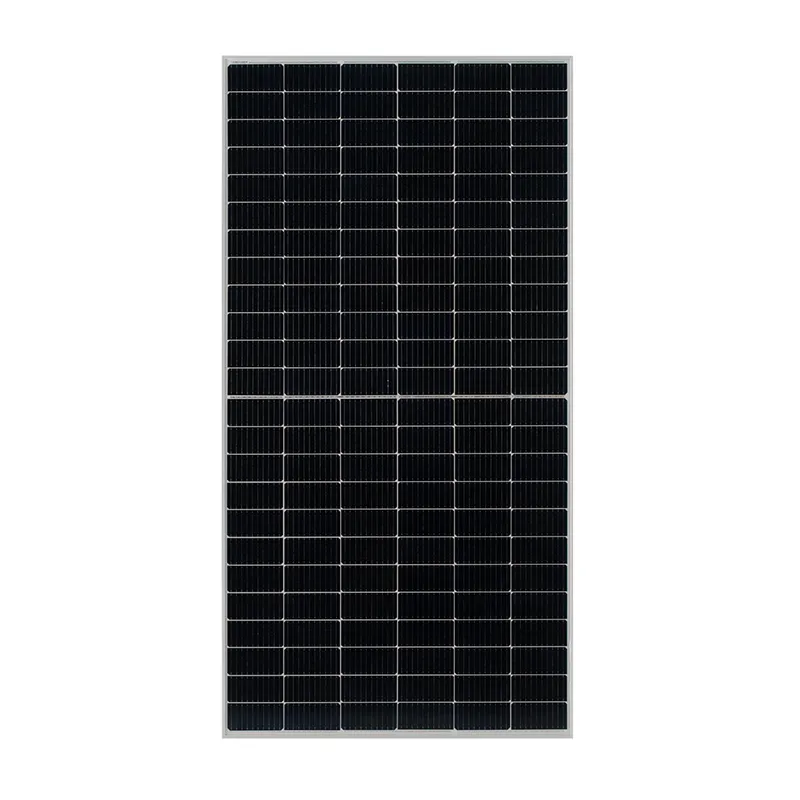
Understanding 325W Solar Panel Price: Trends, Benefits & Vendor Insights
The Rising Relevance of 325W Solar Panel Price in Today’s Global Energy Shift
Solar energy has firmly planted itself in the center of global discussions about clean energy. As countries and industries race toward sustainability, understanding the 325w solar panel price becomes key—not just for engineers and project planners, but for anyone interested in efficient, affordable solar power. Why? Because it’s a benchmark product that combines manageable size, decent output, and cost effectiveness. These panels are everywhere: rooftops of suburban homes, rural electrification projects, and even commercial installations. Knowing their price tags means more than budgeting; it’s about grasping the economics behind a cleaner future.
Why the 325W Solar Panel Price Matters Globally
According to the United Nations Climate Change Portal, renewable energy uptake is crucial to hit the 2030 climate goals. Solar power represents a prime candidate, especially in lower-middle income countries expanding access to electricity. Interestingly, the 325W panels hit a sweet spot in affordability and output—they’re not too big to install on small homes and not too small to be inefficient. Industry data from the World Bank’s energy reports shows solar has become the fastest-growing clean energy source worldwide.
Despite soaring demand, the tricky part is balancing cost with quality. As more companies enter the market, the 325w solar panel price can swing, sometimes confusing buyers who want reliable setups for their projects. Factoring in tariffs, shipping, and installation, understanding the base panel price becomes a must-have for strategic decision-making.
What Exactly Is the 325W Solar Panel Price?
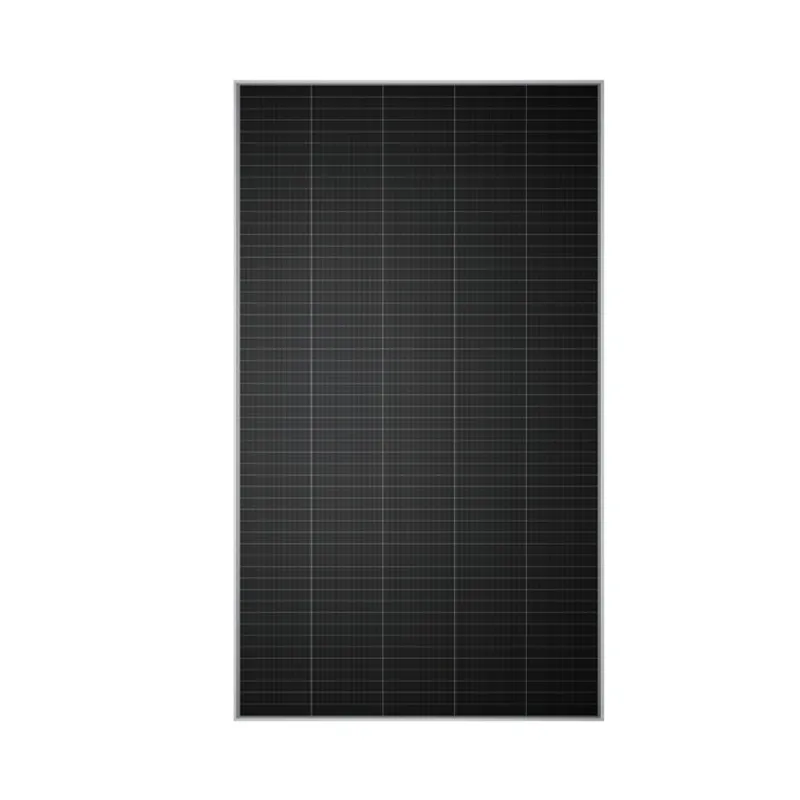
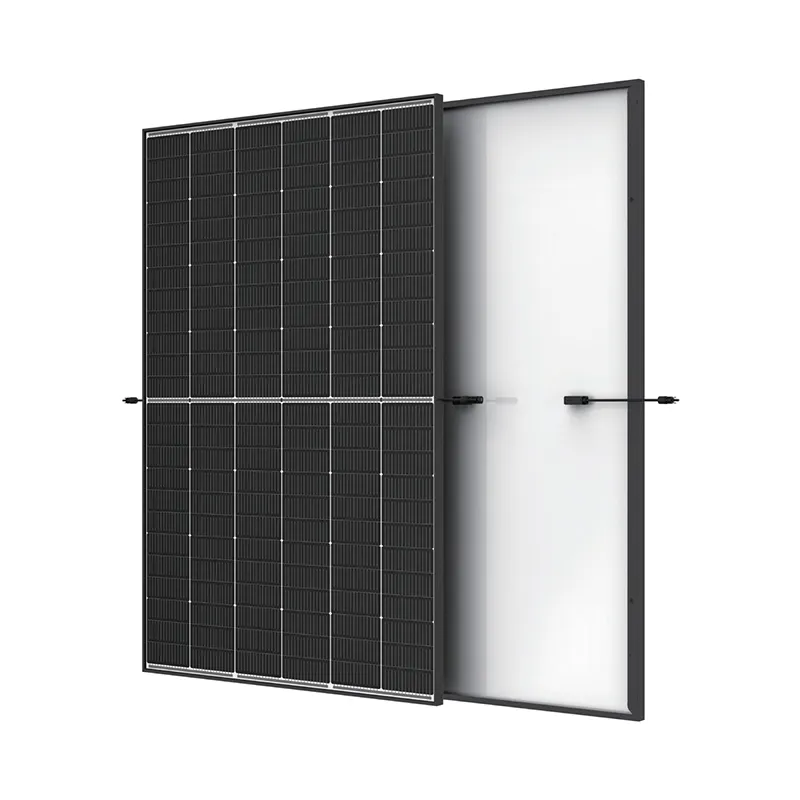
At heart, the 325W solar panel price refers to the retail cost of purchasing a solar photovoltaic panel that outputs 325 watts under standard test conditions. These panels are typically monocrystalline or polycrystalline, designed to convert sunlight into electric energy efficiently. The price can fluctuate based on quality of materials, manufacturer reputation, warranty terms, and quantity purchased.
In real terms, if you imagine equipping a house or a mini solar farm, these panels act like modular building blocks—you add enough according to energy needs and budget constraints. Their relatively moderate wattage keeps costs in check, making them relevant to residential users and small businesses alike.
Key Factors Influencing the 325W Solar Panel Price
1. Panel Durability and Warranty
Not all 325W panels are built equally. Some manufacturers offer 25-year performance warranties ensuring slow degradation in energy output, which obviously bumps the price a bit. Durability often comes from advanced tempered glass, corrosion-resistant frames, and robust encapsulants.
2. Efficiency and Technology
Higher-efficiency panels squeeze a bit more power out of the same sunlight, frequently at a premium price. Monocrystalline cells tend to be pricier than polycrystalline but deliver better longevity and efficiency values.
3. Supply Chain and Market Demand
Raw silicon prices, import duties, and shipping costs can all cause fluctuations in the 325w solar panel price. Seasonal demand or regional policy incentives (like feed-in tariffs or tax credits) can also sway costs unexpectedly.
4. Installation and Balance of System Components
Buyers often overlook the fact that the panel price is only part of the overall project cost. Mounting hardware, inverters, wiring, and labor can double or triple the final expenditure, making that initial panel price a starting puzzle piece.
Mini Takeaway:
The 325w solar panel price is shaped by durability, efficiency, supply chains, and siting factors, all of which feed into the broader economics of solar installations.
325W Solar Panel Typical Specifications
| Specification | Value |
|---|---|
| Power Output | 325 Watts |
| Cell Type | Monocrystalline / Polycrystalline |
| Efficiency | 16% - 19% |
| Dimensions | 1640 mm × 992 mm × 40 mm |
| Weight | 18-20 kg |
| Warranty | 10–25 years performance warranty |
Global Applications & Use Cases
The beauty of 325W solar panels lies in their adaptability. Fairly common in residential solar systems across North America and Europe, these panels also find huge roles in developing regions craving affordable and clean energy. African off-grid electrification programs rely heavily on panel kits with wattages around this range.
Industrial applications? Small-scale solar farms for commercial buildings or remote telecom towers benefit from these units due to their balance between output and transportability. In Asia-Pacific, 325W panels support microgrid solutions bringing power to villages where grid connectivity is spotty or nonexistent.
Oddly enough, post-disaster humanitarian aid has also leaned into these panels for quick-deploy power sources. NGOs working with solar kits choose 325W models for their portability and efficiency — it’s like powering hope where nothing else can.
Vendor Comparison: Popular 325W Solar Panels
| Vendor | Approx. Panel Price (USD) | Warranty | Efficiency |
|---|---|---|---|
| Benjiu Solar | $130 - $150 | 25 years | 18.2% |
| SolarMax | $140 - $160 | 20 years | 17.5% |
| SunBright | $125 - $145 | 15 years | 16.9% |
Advantages and Long-Term Value
The cost-effectiveness of 325W solar panels often surprises people on first glance. It’s not just about the upfront price; it’s about the return on investment and sustainability impact. With steadily dropping solar equipment prices globally (a trend the International Energy Agency highlights), these panels make clean energy more accessible than ever.
On personal and social levels, using these panels means relying less on unreliable grids or expensive fossil fuels. I’ve chatted with rural users saying how installing these panels gave them “energy freedom” — reliability that’s about dignity as much as it is about convenience. So, the value is both economic and emotional.
Future Trends & Innovations
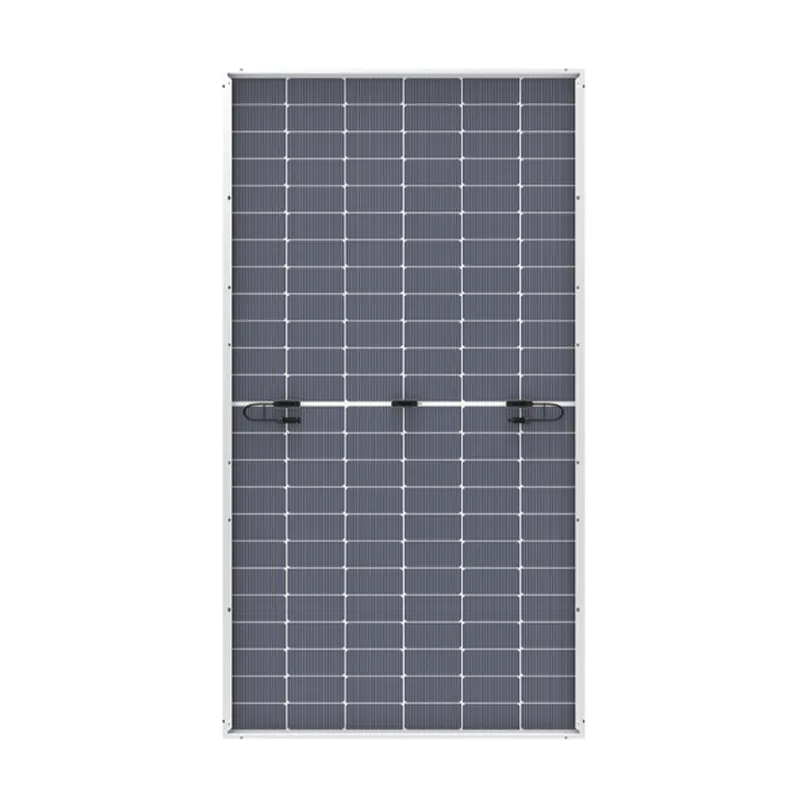
Keep an eye on bifacial solar technology as it trickles into the 325W category — panels that collect light on both sides to boost yield. Also, automation in production means costs may dip further, changing the 325w solar panel price dynamics again by late 2024. Meanwhile, new materials like perovskite coatings promise leaps in efficiency but are still a few years from broad commercial use.
Digital monitoring, AI-powered array optimization, and blockchain-driven energy trading are also nudging solar power to be smarter, not just cheaper.
Common Challenges & Practical Solutions
There’s no getting around short-term price spikes due to supply chain hiccups (hello, global geopolitics) or raw material shortages. Matching warranty periods with local weather extremes also remains a challenge—tempests, snow loads, or corrosive salt air can cut panel lifespan unexpectedly.
Solutions include sourcing panels with certifications like IEC 61215 and IEC 61730 for quality assurance, opting for vendors offering scalable warranties, and integrating smart tech to monitor panel health remotely.
FAQ: Common Queries About 325W Solar Panel Price
- Q: How does the 325W solar panel compare to other wattages in price and efficiency?
A: Generally, 325W panels strike a balance between price and output, making them more affordable per watt than smaller panels but easier to handle and install than larger ones. Efficiency varies by cell tech but usually ranges between 16-19%. - Q: Can I get a discount if I buy 325W panels in bulk?
A: Yes, most manufacturers and suppliers, including Benjiu Solar, offer volume discounts, which significantly reduce the per-panel cost. - Q: Are 325W panels suitable for off-grid solar systems?
A: Absolutely. Their size and output make them ideal for off-grid and hybrid setups, especially in remote areas requiring modular scalability and easy transport. - Q: How long does a 325W solar panel typically last?
A: With proper installation and maintenance, around 25 years or more—many come with warranties guaranteeing performance above 80% capacity at 25 years. - Q: Does the 325W solar panel price include installation?
A: Usually not. The price generally refers to just the panel. Installation costs are separate and depend on location, system complexity, and labor rates.
Conclusion: Why Staying Informed About 325W Solar Panel Price Pays Off
In the end, the 325w solar panel price is more than a number—it’s a window into the economics of solar power’s future. Whether you’re planning a residential rooftop or deploying panels in emerging markets, knowing the factors and trends behind the price empowers smarter decisions. And since solar energy is bound to become one of the largest power sources globally, staying a step ahead means sharper budgets and greener footprints.
Want to explore competitive offers or latest specs? Feel free to visit Benjiu Solar and get professional advice tailored for your project.
References:
-
Designing a Modern Home Roof Made Out of Solar Panels GuideNewsApr.16,2026
-
Guide to the Size of 150 Watt Solar Panel for Your ProjectNewsApr.09,2026
-
Understanding the Dimensions and Applications of a 200W Solar PanelNewsApr.07,2026
-
Understanding the Dimensions and Factors of a 330W Solar Panel SizeNewsApr.04,2026
-
Understanding the Size and Dimensions of a 4kW Solar Panel System for Your HomeNewsMar.31,2026
-
Comprehensive Guide to Sizing Your Solar System for Optimal Energy ProductionNewsMar.28,2026