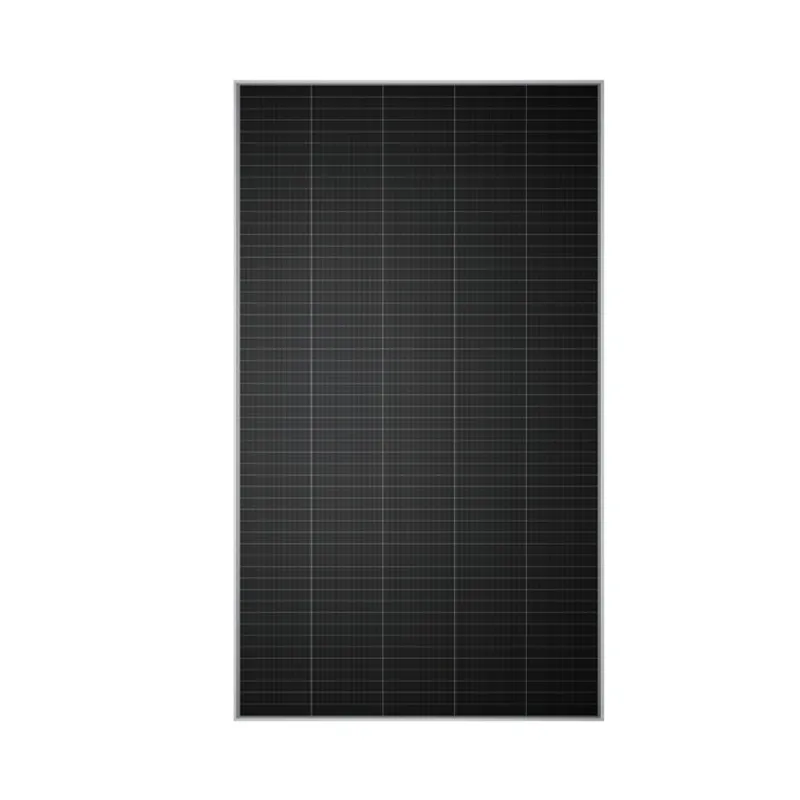
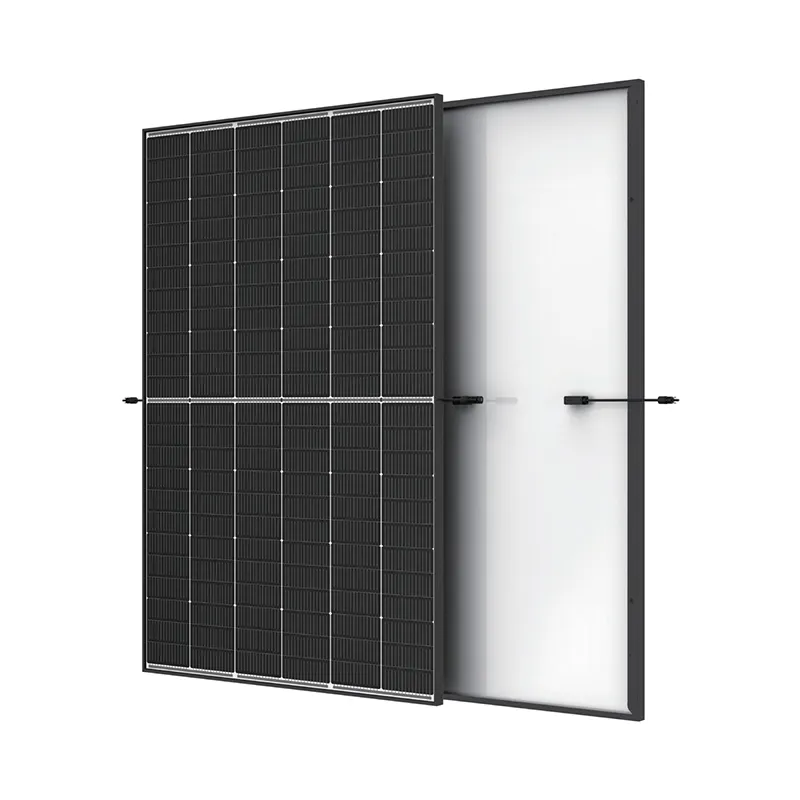
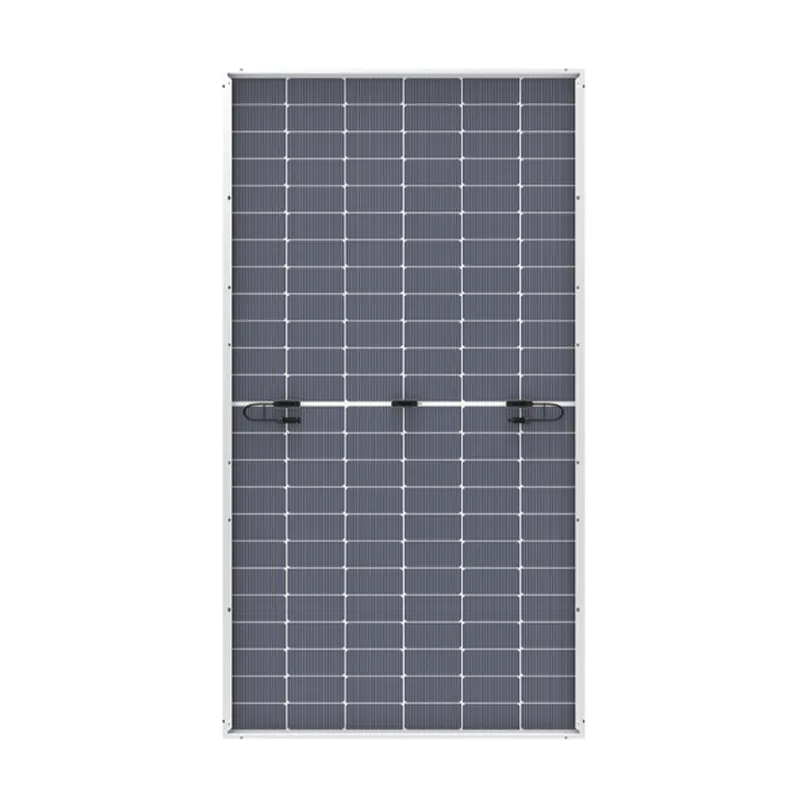
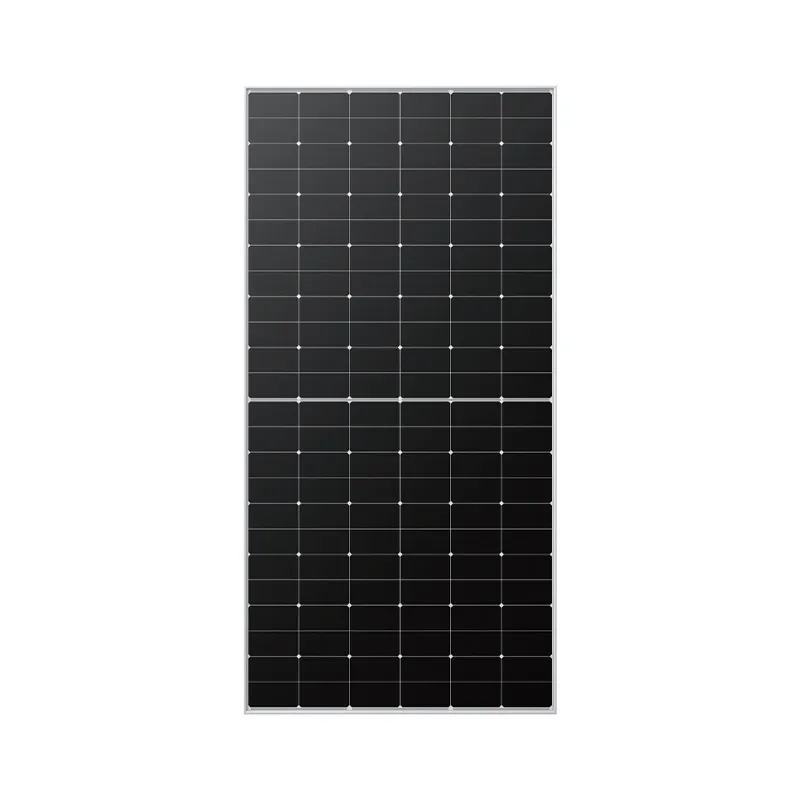
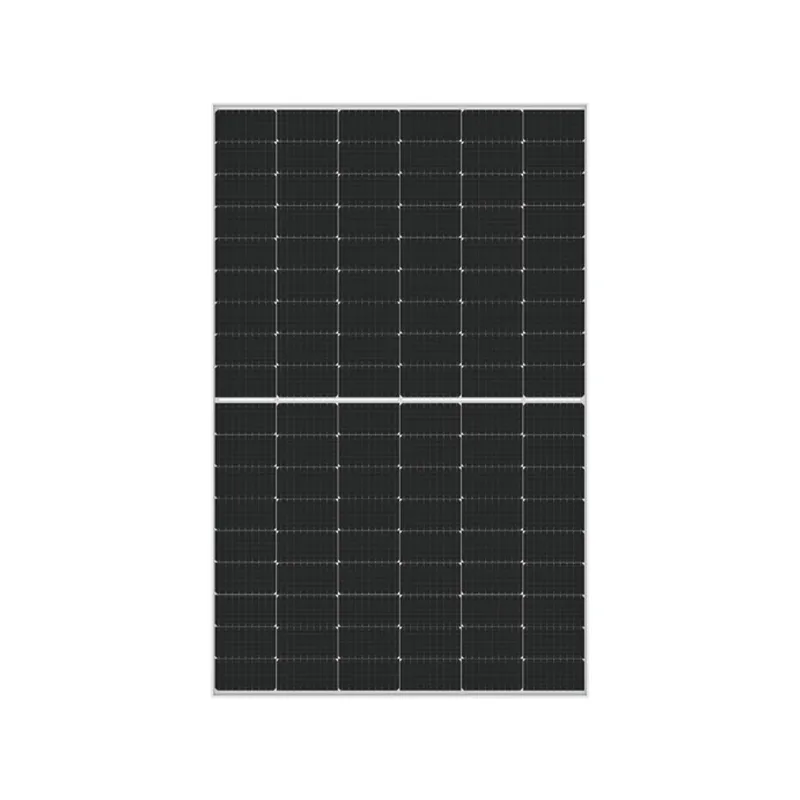
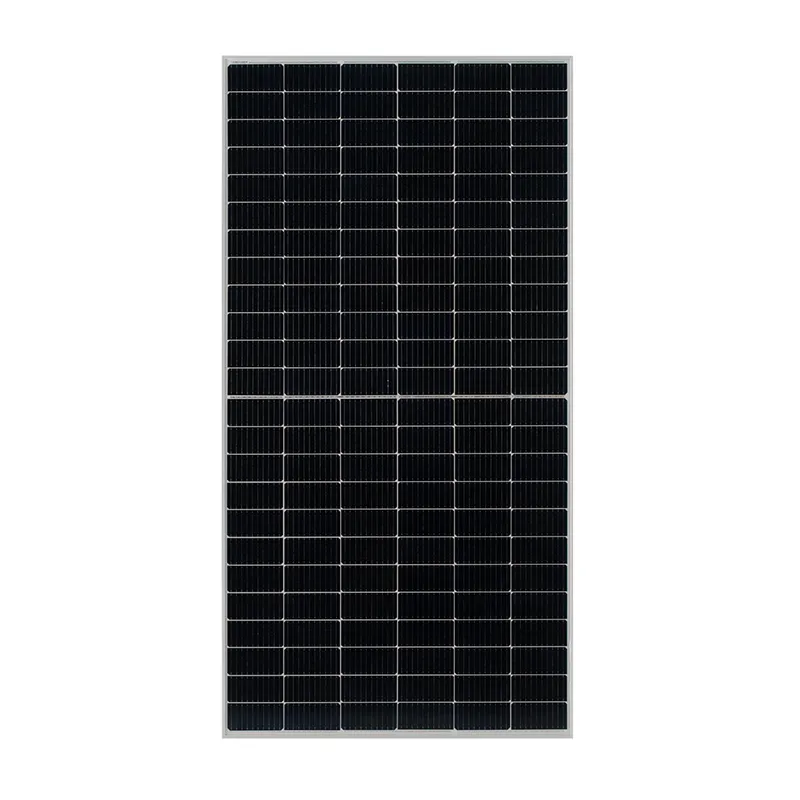
TRINA 5E 420-445W Shingled Monofacial Module Solar Panel HP
Field Notes on the TRINA 5E 420-445W Shingled Monofacial Module Solar Panel
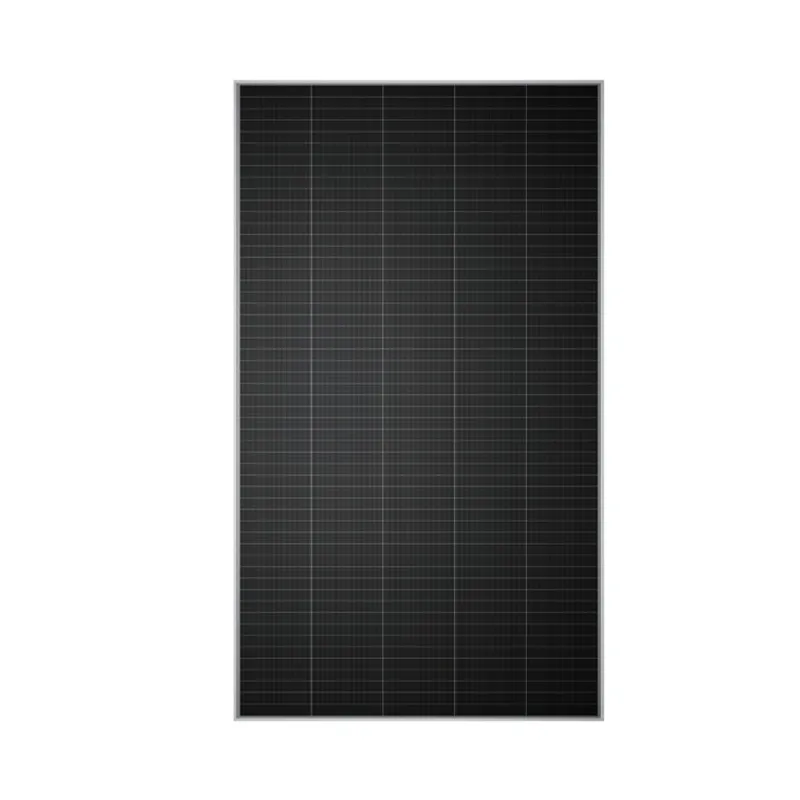
I’ve been tracking shingled-cell modules for a while, and—honestly—they’ve matured fast. The TRINA 5E 420-445W Shingled Monofacial Module Solar Panel lands right in that sweet spot for residential and commercial rooftops where high density, shade tolerance, and clean aesthetics matter. In fact, many customers tell me they’re surprised by the low mismatch loss in partial shade, which lines up with what shingled layouts typically deliver.
What’s trending, and why this module fits
Industry-wise, we’re seeing a tilt toward tighter module dimensions with higher watt density, safer wiring, and better durability under salt/ammonia. Shingled mono modules like the TRINA 5E 420-445W Shingled Monofacial Module Solar Panel also benefit from lower cell-to-cell resistance and fewer ribbon-induced hotspots. It seems that installers prefer how these pack into rooftops with fewer string layout compromises.
Specs at a glance
| Rated Power (Pmax) | 420–445 W (bins vary) |
| Module Efficiency | ≈ 20.6%–21.6% (real-world use may vary) |
| Cell Tech | Shingled mono (PERC), low-ribbon layout |
| Voc / Isc (STC) | ≈ 49–52 V / ≈ 10–11.5 A (by bin) |
| Temp Coeff (Pmax) | ≈ −0.34 %/°C |
| NOCT | ≈ 45 ± 2 °C |
| Dimensions / Weight | Around 1.7–1.9 m × 1.1 m; ≈ 21–23 kg |
| Mechanical Loads | Up to 5400 Pa (snow) / 2400 Pa (wind) |
| Certifications | IEC 61215, IEC 61730; IEC 61701 (salt mist), IEC 62716 (ammonia), IEC 62804 (PID) |
Note: Specs are indicative and may vary by batch and regional SKU. Always check the latest datasheet.
How it’s built (process flow in brief)
- Materials: high-grade mono cells, AR-coated tempered glass, POE/EVA encapsulant, anodized Al frame, ECA conductive adhesive, IP68 junction box.
- Methods: laser cutting into narrow strips, staggered shingling with ECA, vacuum lamination, automated bussing, then EL imaging to catch microcracks.
- Testing standards: IEC 61215/61730 type tests; PID per IEC 62804; salt mist (61701); ammonia (62716); dynamic mechanical and hail per IEC sequences.
- Service life: designed 25–30 years; typical linear power warranty with ≤0.5%/yr degradation after year one (varies by supplier).
- Industries: residential/C&I rooftops, carports, light ground-mount, agrivoltaics where shade patterns are a fact of life.
Real-world fit and feedback
Installers like the cleaner cable routing and the forgiving behavior under chimney shading. One customer run I reviewed (a 420 kW retail rooftop) showed ~1.8% higher yield versus a comparable half-cut array over a dusty autumn month—small, but persistent. To be honest, it’s the consistency that sells it.
Vendor landscape: quick comparison
| Module | Power | Tech | Eff. ≈ | Warranty (typ.) |
|---|---|---|---|---|
| TRINA 5E 420-445W Shingled Monofacial Module Solar Panel | 420–445W | Shingled mono PERC | 20.6–21.6% | 12–15 yr product / 25–30 yr power |
| Jinko 440W (Tiger series) | 430–445W | Half-cut, mono (PERC/N-type) | 20–22% | 12–15 / 25–30 yr |
| LONGi 440W (Hi-MO series) | 430–450W | Half-cut, mono | 20–22% | 12–15 / 25–30 yr |
| Canadian Solar 440W | 430–445W | Half-cut, mono | 20–21.5% | 12–15 / 25–30 yr |
Data varies by region and release cycle; always verify current datasheets.
Customization and supply
- Custom bins (420/425/430/435/440/445 W), frame color, cable lengths, MC4-compatible connectors.
- Pre-shipment QA: EL imagery, flash test at STC, AQL-based visual inspection, packaging integrity check.
- Origin: 2B01, Guomao Building, Zhongshan Road, Qiaoxi District, Shijiazhuang City, Hebei Province, China.
A quick case
A 500 kW C&I rooftop trial swapped in TRINA 5E 420-445W Shingled Monofacial Module Solar Panel arrays on the windward blocks. Over six months, PR held steady at ≈82–84% despite frequent partial shading from HVAC units. O&M noted fewer hotspot alarms—likely the shingled current pathways doing their job.
Where it shines
Rooftops with odd skylights, carports with crossbeams, and sites near coasts or farms. Salt and ammonia resistance testing (61701/62716) matters there. And yes, it looks good—customers mention that more than you’d expect.
Citations
- IEC 61215: Terrestrial PV modules – Design qualification and type approval. IEC Webstore.
- IEC 61730: PV module safety qualification. IEC Webstore.
- IEC 62804-1: PID test methods for crystalline silicon PV modules. IEC Webstore.
- IEC 61701: Salt mist corrosion testing of PV modules. IEC Webstore.
- IEC 62716: Ammonia corrosion testing of PV modules. IEC Webstore.
- UL 61730: PV module safety – North American standard. UL Standards.
- BloombergNEF, PV Module Tiering System (methodology overview).
-
Designing a Modern Home Roof Made Out of Solar Panels GuideNewsApr.16,2026
-
Guide to the Size of 150 Watt Solar Panel for Your ProjectNewsApr.09,2026
-
Understanding the Dimensions and Applications of a 200W Solar PanelNewsApr.07,2026
-
Understanding the Dimensions and Factors of a 330W Solar Panel SizeNewsApr.04,2026
-
Understanding the Size and Dimensions of a 4kW Solar Panel System for Your HomeNewsMar.31,2026
-
Comprehensive Guide to Sizing Your Solar System for Optimal Energy ProductionNewsMar.28,2026