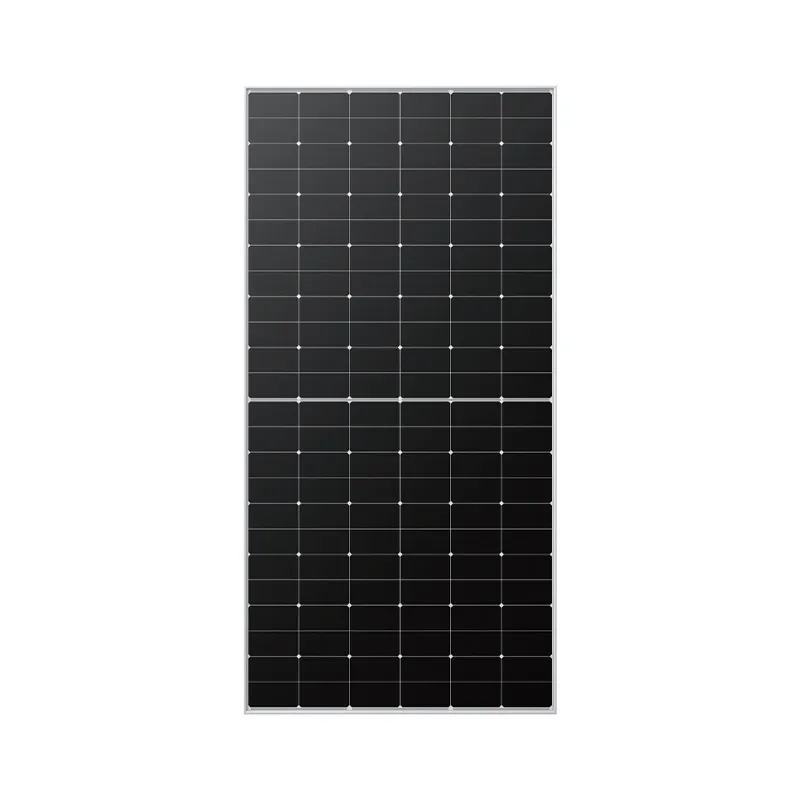
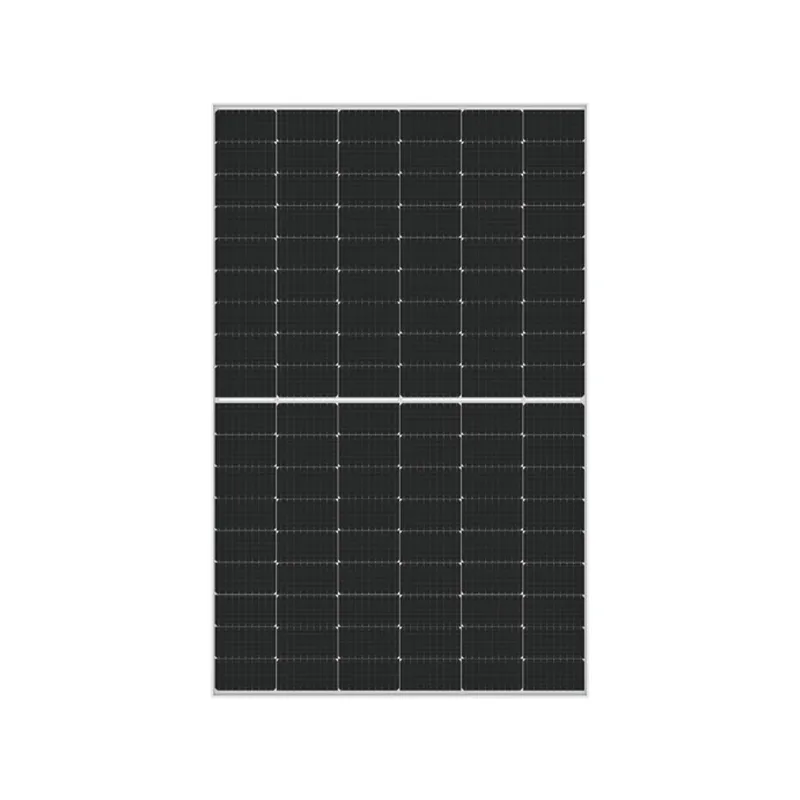
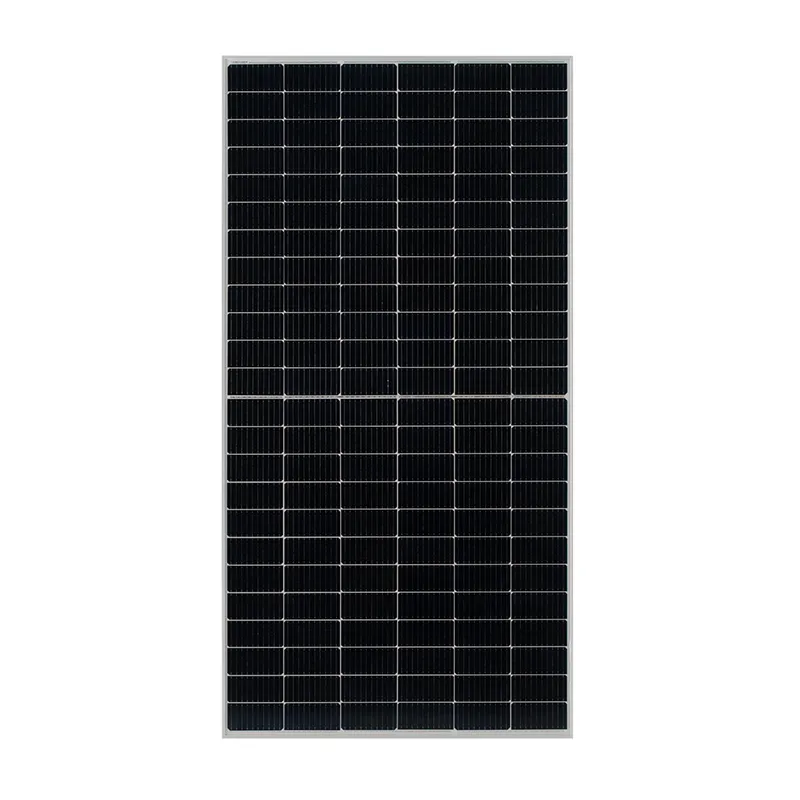
Trina 425-450W Dual Glass Monocrystalline Solar Panel
Navigating the Solar Energy Landscape: Trends and Technological Advancements
The global solar energy sector is experiencing unprecedented growth, driven by an urgent need for sustainable energy solutions, supportive government policies, and continuous technological breakthroughs that enhance efficiency and reduce costs. A pivotal trend defining this era is the widespread adoption of high-power, high-efficiency photovoltaic (PV) modules, particularly those leveraging advanced cell architectures like n-type TOPCon and HJT, alongside bifacial designs. These innovations are critical for achieving lower Levelized Cost of Electricity (LCOE) and improved power density in utility-scale, commercial, and industrial installations. The industry is witnessing a significant shift towards larger wafer sizes (e.g., 182mm and 210mm) and multi-busbar (MBB) technologies, which collectively contribute to higher power outputs and enhanced reliability. Furthermore, the emphasis on module durability and extended lifespan is paramount, leading to the increased popularity of dual glass configurations. These modules, by replacing the traditional polymer backsheet with a second sheet of glass, offer superior protection against environmental degradation, including micro-cracks, hotspots, and potential induced degradation (PID), thereby ensuring consistent performance over longer periods. This evolution is not merely about achieving higher wattage; it is fundamentally reshaping project economics by reducing the balance of system (BOS) costs through fewer modules required for the same capacity and simplifying installation processes. The integration of artificial intelligence (AI) and machine learning (ML) for predictive maintenance, smart grid management, and optimizing energy yield further exemplifies the industry’s commitment to intelligence and resilience. Beyond technical specifications, the market is also increasingly prioritizing the environmental footprint of manufacturing processes, demanding greater transparency and adherence to circular economy principles throughout the product lifecycle, from raw material sourcing to end-of-life recycling. The surge in energy storage solutions, particularly battery energy storage systems (BESS), complementing PV installations, signifies a move towards grid stability and energy independence, enabling greater dispatchability of renewable power. This holistic approach, combining high-performance modules with smart energy management and sustainable practices, positions the solar industry as a cornerstone of the future global energy mix, fostering energy security and mitigating climate change impacts on a truly transformative scale. Manufacturers like Trina Solar, with their relentless focus on innovation, are at the forefront of this revolution, delivering products that embody these advanced trends and meet the stringent demands of modern solar projects, pushing the boundaries of what is possible in renewable energy deployment and solidifying the economic viability of solar power on a global scale. The pursuit of even higher conversion efficiencies, pushing beyond the 23-24% mark for mass-produced modules, remains a primary research and development goal, promising further cost reductions and expanded application possibilities in constrained land areas.
Introducing the Trina 425-450W Dual Glass Monocrystalline Module Solar Panel: Precision Engineering and Performance
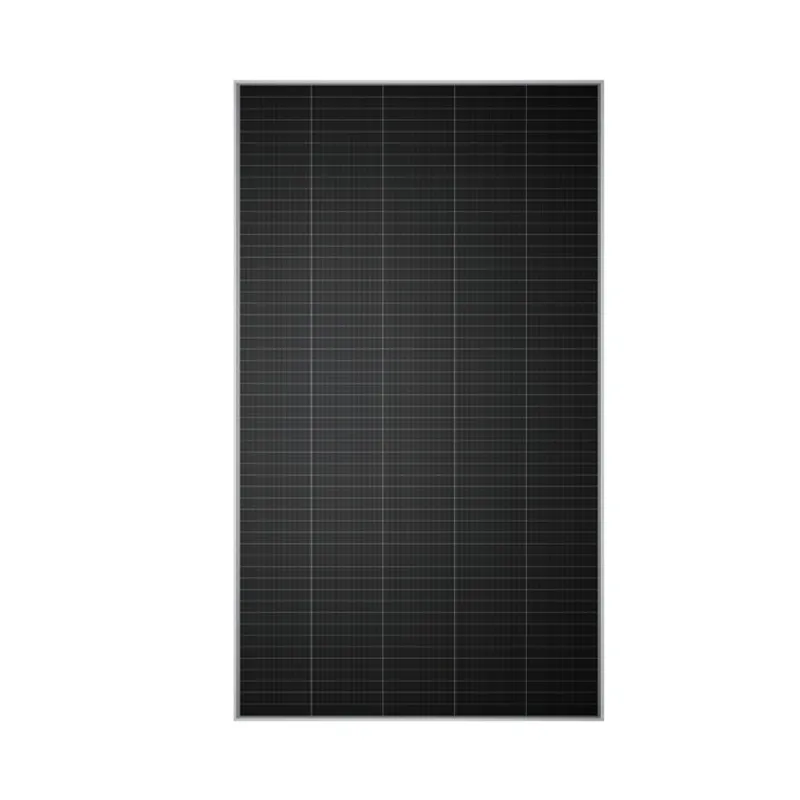
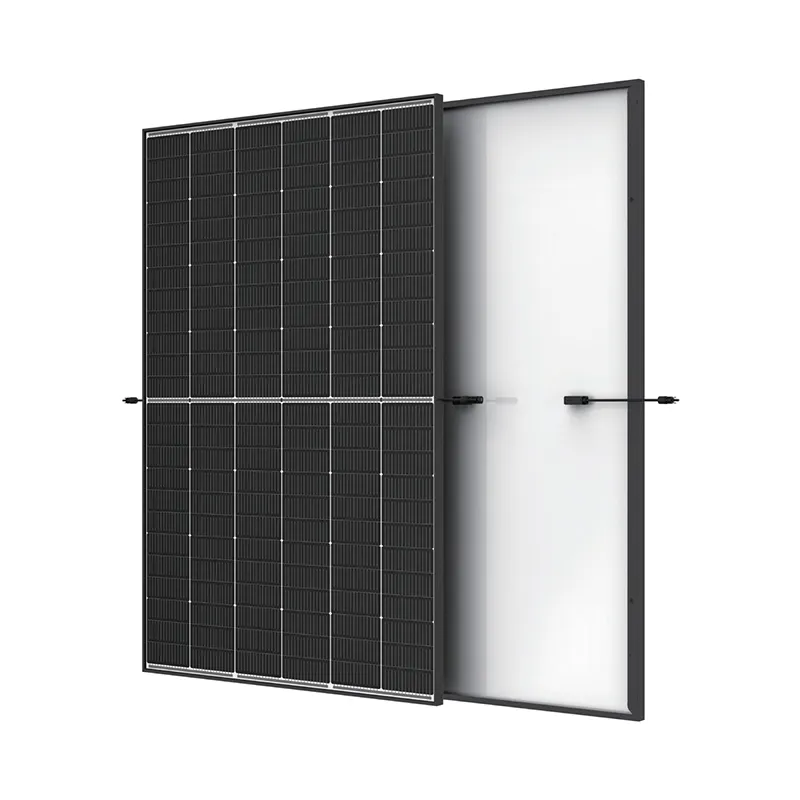
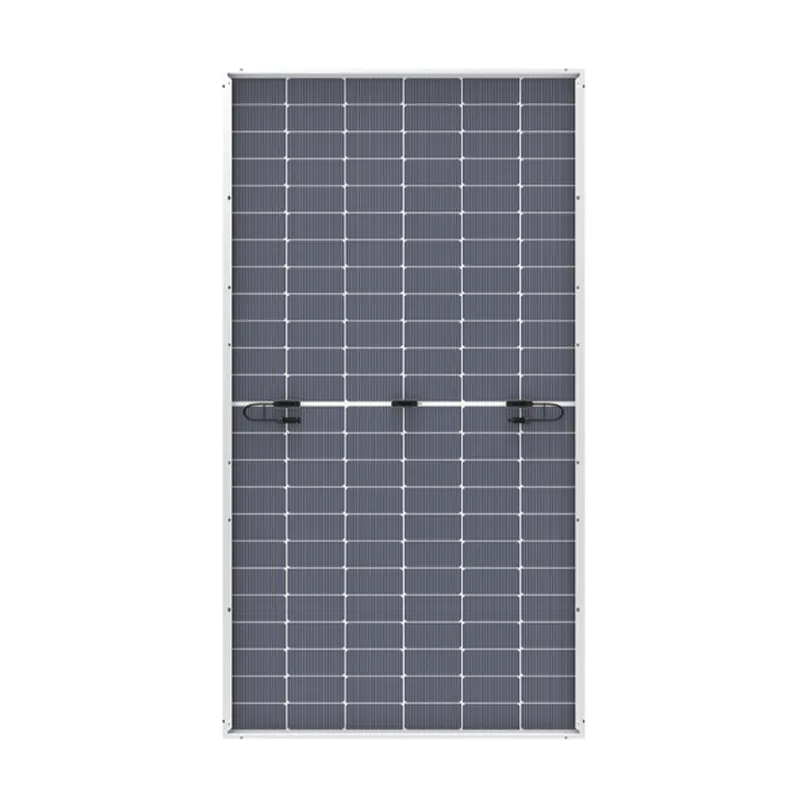
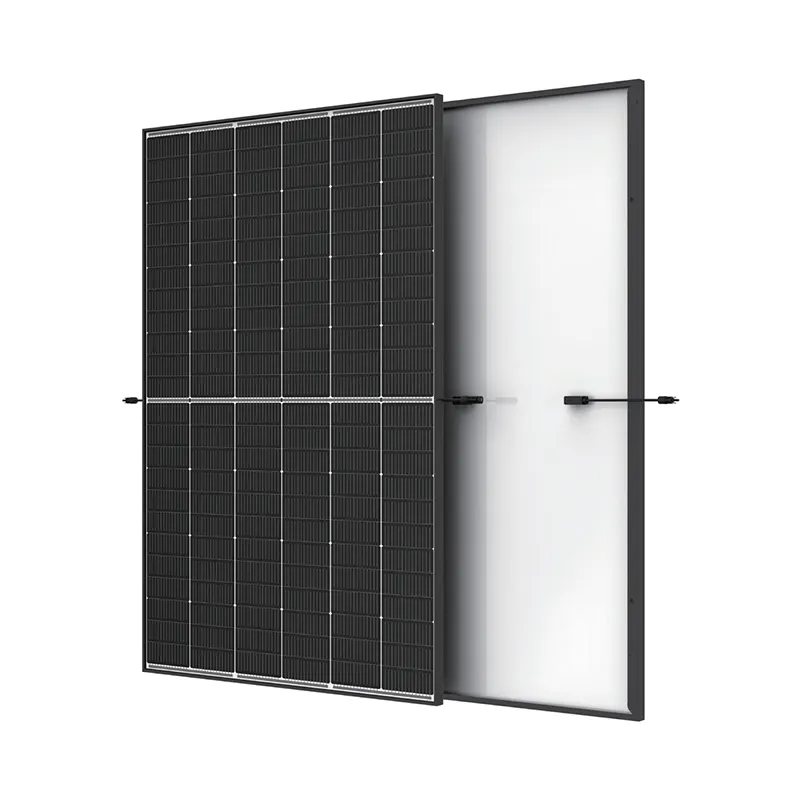
The Trina 425-450W Dual Glass Monocrystalline Module Solar Panel represents a pinnacle of solar photovoltaic technology, meticulously engineered to deliver exceptional performance and unmatched durability for a wide array of solar applications. This module range, leveraging the cutting-edge Vertex series technology, is designed to meet the rigorous demands of modern solar projects, from expansive utility-scale farms to complex commercial and industrial rooftop installations. Its power output of 425-450W signifies a substantial energy yield per unit area, directly translating to reduced balance-of-system (BOS) costs, including less cabling, fewer mounting structures, and shorter installation times. The core of its superior performance lies in its monocrystalline silicon cells, which are known for their high conversion efficiency and aesthetic uniformity. Furthermore, the integration of multi-busbar (MBB) technology enhances light trapping and current collection, significantly improving power output and module reliability by reducing internal resistance and micro-crack susceptibility. A defining feature of this Trina Solar module is its dual glass construction, which replaces the conventional polymer backsheet with a second sheet of heat-strengthened glass. This design choice imparts several critical advantages: it offers exceptional resistance to potential induced degradation (PID) and light-induced degradation (LID), two common phenomena that can reduce module performance over time. The dual glass structure also provides superior mechanical load resistance, allowing the modules to withstand extreme weather conditions such as heavy snow loads (up to 5400 Pa) and wind loads (up to 2400 Pa), ensuring robust operation in diverse climates. Moreover, the enhanced fire resistance of glass-glass modules adds an additional layer of safety, making them ideal for installations in high-risk environments or regions with strict fire safety regulations. The bifacial capability inherent in many dual glass designs also allows for energy harvesting from both the front and rear sides of the module, contributing an additional 5-25% energy gain depending on the ground reflection and installation configuration. This innovative design extends the module's operational lifespan, often exceeding 30 years with minimal degradation rates, ensuring a higher long-term return on investment (ROI). The optimized temperature coefficient of these modules also ensures stable performance even in elevated ambient temperatures, a crucial factor for energy yield in hot climates. Trina Solar’s commitment to quality is further evidenced by adherence to stringent international standards such as IEC 61215 and IEC 61730 for performance and safety, alongside ISO 9001 and ISO 14001 certifications for quality and environmental management systems. The thoughtful integration of these advanced features makes the Trina 425-450W Dual Glass Monocrystalline Module Solar Panel a preferred choice for developers, EPCs, and investors seeking high-efficiency, reliable, and durable solar solutions that promise enduring value and contribute significantly to global decarbonization efforts.
Craftsmanship Explained: The Manufacturing Process of Trina Dual Glass Modules
The manufacturing of the Trina 425-450W Dual Glass Monocrystalline Module Solar Panel is a highly intricate process that exemplifies precision engineering, advanced material science, and rigorous quality control, distinguishing it from conventional PV module production. The journey begins with high-purity silicon, typically sourced through a Siemens process to achieve metallurgical-grade silicon (MGS) which is then refined into polysilicon. This polysilicon undergoes a Czochralski method for growing large, cylindrical monocrystalline ingots, ensuring a highly uniform crystal structure that is critical for optimal electron flow and high efficiency. These ingots are then meticulously sliced into ultra-thin wafers using diamond wire saws, a process that minimizes material waste and achieves exceptional dimensional accuracy. Post-slicing, the wafers undergo chemical texturing to create microscopic pyramidal structures on their surface, which significantly reduces light reflection and enhances light absorption, a crucial step for maximizing energy capture. Doping, typically with phosphorus for n-type or boron for p-type, is then performed to create the necessary p-n junction, the fundamental semiconductor interface responsible for converting sunlight into electricity. This is followed by the application of anti-reflection coatings (ARCs), often silicon nitride, to further reduce light reflection and improve photon absorption. Metallization, through screen printing silver paste, forms the front and rear electrical contacts (busbars and fingers), crucial for current collection. The individual cells, now fully fabricated, are then interconnected in series to form strings using automated stringing machines, which solder the cells together. These cell strings are then carefully laid out on the front glass pane, followed by encapsulation layers (typically Ethylene Vinyl Acetate, EVA), and finally, the second sheet of heat-strengthened glass on the backside. This "dual glass" or "glass-glass" configuration is a key differentiator, offering superior protection against environmental stresses compared to traditional glass-backsheet modules. The entire assembly then undergoes a lamination process under vacuum and high temperature, permanently bonding all layers together, ensuring the encapsulation of cells and protection from moisture ingress. The lamination process is critical for preventing delamination and extending the module’s lifespan. After lamination, the module is framed (though some dual glass modules are frameless for certain applications) and a junction box is affixed to the back, containing bypass diodes that prevent power loss from shading or cell damage. Each module then undergoes a series of stringent quality control tests, including electroluminescence (EL) testing to detect micro-cracks or cell defects, insulation resistance tests, flash tests to measure actual power output under standard test conditions (STC), and thermal cycling tests. Trina Solar’s manufacturing facilities adhere to the highest international standards, including ISO 9001 for quality management, ISO 14001 for environmental management, and OHSAS 18001 (now ISO 45001) for occupational health and safety. The product itself complies with IEC 61215 for performance and IEC 61730 for safety certification, confirming its reliability and safety for global deployment. The use of robust materials, such as low-iron tempered glass for both front and back, ensures excellent light transmission and enhanced durability, contributing to the module's 30-year linear power warranty. The precise control over each manufacturing step, combined with Trina Solar's extensive experience and R&D capabilities, results in a Trina 425-450W Dual Glass Monocrystalline Module Solar Panel that delivers consistent, high-yield energy generation across its extended operational lifetime, proving particularly advantageous in industries where resilience and longevity are paramount, such as large-scale industrial deployments, or regions prone to harsh weather conditions.
Technical Specifications and Performance Metrics: Trina 425-450W Dual Glass Module
Understanding the comprehensive technical specifications of the Trina 425-450W Dual Glass Monocrystalline Module Solar Panel is crucial for engineers, project developers, and investors to accurately assess its suitability and optimize system design. This module typically operates within a power range of 425W to 450W, achieving module efficiencies that often exceed 21%, a testament to Trina Solar's advanced cell technology and meticulous manufacturing processes. The specific efficiency varies slightly depending on the exact wattage bin, but consistently places it among the top-tier modules in the market. The electrical characteristics under Standard Test Conditions (STC), which are 1000 W/m² irradiance, 25°C cell temperature, and AM 1.5 spectrum, include a maximum power voltage (Vmp) typically ranging from 41.5 V to 43.5 V and a maximum power current (Imp) from 10.2 A to 10.5 A. The open-circuit voltage (Voc) is generally between 49.5 V and 51.5 V, with a short-circuit current (Isc) ranging from 10.8 A to 11.2 A. These parameters are vital for inverter sizing and string design, ensuring compatibility and optimal energy harvest. For real-world performance evaluation, the Nominal Operating Cell Temperature (NOCT) parameters are equally important; under NOCT (800 W/m² irradiance, 20°C ambient temperature, 1 m/s wind speed), the module's power output naturally decreases due to higher cell temperatures, providing a more realistic baseline for energy yield predictions. The temperature coefficients are particularly critical for performance in hot climates: the power temperature coefficient (Pmax) is typically around -0.34%/°C, the voltage temperature coefficient (Voc) around -0.25%/°C, and the current temperature coefficient (Isc) around +0.04%/°C. A lower power temperature coefficient is highly desirable as it indicates less power degradation as module temperature rises, thereby ensuring better performance in hot conditions. The Trina 425-450W Dual Glass Monocrystalline Module Solar Panel’s robust mechanical design is highlighted by its dual 2.0 mm or 2.5 mm heat-strengthened glass layers, providing exceptional durability. This configuration allows for excellent static load resistance, often specified at 5400 Pa for front load (snow) and 2400 Pa for rear load (wind), surpassing industry standards and ensuring reliability in challenging weather environments. The module dimensions are typically around 1762 mm x 1134 mm x 30 mm (or similar, depending on the specific model within the range), with a weight of approximately 21-23 kg, making them manageable for installation while offering a substantial power footprint. The product comes with an impressive linear power warranty, usually guaranteeing 98% of nominal power in the first year and a degradation rate of no more than 0.45% per year thereafter, ensuring over 85% of nominal power after 30 years. This long-term performance assurance is a significant advantage for large-scale projects where longevity and stable power output are paramount. The module's fire class rating, typically Class C or Class A depending on local standards, further underscores its safety credentials. Trina Solar also ensures that its modules meet international certifications like IEC 61215, IEC 61730, UL, CE, and others, confirming compliance with global quality and safety benchmarks. The advanced cell technology, possibly n-type TOPCon or PERC-based cells, combined with multi-busbar technology and half-cut cell design, minimizes resistive losses and improves shading tolerance, further enhancing the module's energy generation capabilities. This detailed technical profile underscores why the Trina 425-450W Dual Glass Monocrystalline Module Solar Panel is considered a high-performance, durable, and reliable choice for demanding solar energy projects across the globe, providing a robust foundation for long-term energy generation and investment returns.
Key Specifications Table: Trina 425-450W Dual Glass Monocrystalline Module
Strategic Advantages of the Trina Dual Glass Module in Diverse Applications
The Trina 425-450W Dual Glass Monocrystalline Module Solar Panel is not merely a component; it is a strategic asset designed to deliver unparalleled performance and return on investment across a multitude of application scenarios. In utility-scale solar farms, the high power output of these modules significantly reduces the land area required for a given capacity, a critical factor in projects where land acquisition costs are substantial. Fewer modules per megawatt also mean reduced balance-of-system (BOS) costs, including less wiring, fewer combiner boxes, and optimized tracker designs, leading to substantial CAPEX savings. The enhanced durability of the dual glass construction makes these modules exceptionally resilient to environmental stressors like sandstorms in desert regions, high humidity, and ammonia corrosion in agricultural settings, ensuring long-term reliability and minimal maintenance. For commercial and industrial (C&I) rooftop installations, where space is often limited, the high power density of the Trina 425-450W Dual Glass Monocrystalline Module Solar Panel maximizes energy generation within a constrained footprint, allowing businesses to offset a greater portion of their energy consumption and achieve faster payback periods. The superior fire resistance of glass-glass modules also aligns with stringent building codes, providing an additional layer of safety for commercial properties. Furthermore, the robust mechanical load capacity ensures they can withstand snow loads common in northern latitudes and high wind pressures on tall buildings. In residential applications, particularly for homeowners seeking premium solutions, the aesthetic appeal of frameless or sleek black-framed dual glass modules, combined with their superior efficiency and longevity, makes them a compelling choice. The reduced degradation rates and extended warranty periods offer peace of mind, assuring consistent energy savings over decades. Moreover, the enhanced safety features contribute to higher property value and greater energy independence for residential users. Specialized applications also benefit immensely from the unique attributes of the Trina 425-450W Dual Glass Monocrystalline Module Solar Panel. In floating solar projects (floatovoltaics), the exceptional resistance to moisture ingress and corrosion from saline or humid environments is paramount, making these modules an ideal fit for water-based installations that conserve land resources. For agricultural solar installations, such as agrivoltaics where panels are elevated to allow farming underneath, the ammonia resistance of dual glass modules protects against degradation from animal waste, ensuring sustained performance in challenging agricultural environments. The bifacial capability of many dual glass modules further enhances energy yield in ground-mounted and elevated installations by capturing reflected light from the ground or snow, providing an additional 5-25% energy gain depending on the albedo and mounting structure. This additional yield significantly boosts the LCOE of projects, making them more financially attractive. Beyond these direct benefits, the long-term reliability and minimal maintenance requirements of these modules translate into predictable operational expenditures (OPEX) and consistent energy production, vital for long-term power purchase agreements (PPAs) and financing structures. Trina Solar's global service network and technical support further bolster confidence in deploying these advanced modules, ensuring that projects worldwide receive comprehensive assistance from design to commissioning and beyond, cementing the module's position as a versatile and high-performing solution across the entire spectrum of solar energy applications.
Manufacturer Comparison: Trina Solar Versus Industry Peers
In the highly competitive global solar PV market, selecting the right module manufacturer is as critical as choosing the module technology itself. Trina Solar consistently ranks as a Tier 1 manufacturer by BloombergNEF, a testament to its bankability, robust financial health, and vertically integrated manufacturing capabilities that span from silicon ingots to full module assembly. This Tier 1 status signifies that Trina Solar's products are widely accepted by financial institutions, making it easier for large-scale projects using their modules to secure financing. When comparing the Trina 425-450W Dual Glass Monocrystalline Module Solar Panel with offerings from other leading Tier 1 manufacturers such as JinkoSolar, LONGi Solar, JA Solar, and Canadian Solar, several distinctions become apparent. While all these companies offer high-efficiency monocrystalline modules, Trina Solar often differentiates itself through its aggressive adoption of cutting-edge technologies and its relentless pursuit of higher power outputs. For instance, Trina's Vertex series, which includes the 425-450W dual glass variants, was one of the first to widely commercialize larger wafer sizes (210mm) and incorporate innovative multi-busbar (MBB) and half-cut cell technologies to achieve industry-leading power and efficiency. JinkoSolar, another formidable player, has gained significant market share with its Tiger and Tiger Neo series, focusing heavily on N-type TOPCon technology, offering excellent low-light performance and temperature coefficients. While their dual glass products are robust, Trina's experience with large-format modules might offer certain logistical and BOS cost advantages in specific project designs. LONGi Solar, a long-standing leader in monocrystalline technology, excels in P-type PERC modules and has also transitioned strongly into N-type TOPCon with its Hi-MO series. Their dual glass options are highly reliable, but Trina often pushes the boundaries in terms of power output per module. JA Solar, known for its high-performance DeepBlue series, provides strong competition with its half-cell, multi-busbar, and gallium-doped technologies for enhanced anti-LID performance. Canadian Solar, with its extensive global presence and diverse product portfolio, including bifacial and dual-glass modules, focuses on reliability and comprehensive energy solutions. The key distinction for Trina Solar often lies in its strategic commitment to innovation and rapid deployment of next-generation technologies. Their R&D investments have consistently yielded record-breaking cell and module efficiencies in laboratory settings, which then translate into commercially viable products like the Trina 425-450W Dual Glass Monocrystalline Module Solar Panel. This proactive approach ensures that Trina modules are at the forefront of performance. Furthermore, Trina Solar's global manufacturing footprint and strong supply chain resilience contribute to reliable delivery schedules, a critical consideration for large projects. Their rigorous internal quality control processes, exceeding standard certifications, further enhance product trustworthiness. The 30-year linear power warranty offered for their dual glass modules is among the most competitive in the industry, underscoring their confidence in the long-term durability and performance of their products. This extended warranty, coupled with the proven bankability and technological leadership, makes the Trina 425-450W Dual Glass Monocrystalline Module Solar Panel a compelling choice for investors and developers seeking a balanced combination of high performance, long-term reliability, and financial security in their solar projects, positioning Trina as a preferred partner for sustainable energy development globally.
Competitive Landscape: Dual Glass Module Comparison
Tailored Solutions and Proven Success: Customization and Application Cases
Leveraging the versatility and robust performance of the Trina 425-450W Dual Glass Monocrystalline Module Solar Panel, Benjiu Solar excels in providing customized solar solutions that precisely meet the unique requirements of diverse B2B clients, from large-scale energy developers to industrial facility managers. Understanding that no two projects are identical, our approach begins with a comprehensive site assessment and detailed energy consumption analysis. This initial phase allows us to design a PV system that optimizes energy yield, minimizes balance-of-system (BOS) costs, and ensures seamless integration with existing infrastructure. Customization can involve precise module selection based on specific site constraints, such as available roof area or land footprint, ensuring the optimal wattage and dimensions are chosen for maximum power density. For example, in regions with high ambient temperatures, the superior temperature coefficient of the Trina 425-450W Dual Glass Monocrystalline Module Solar Panel becomes a critical selection criterion, ensuring sustained performance even under extreme heat. Similarly, for projects in coastal areas or agricultural zones, the module's excellent resistance to salt mist and ammonia corrosion, inherent in its dual glass design, is a key advantage that ensures long-term durability and minimal degradation. Our engineering team also specializes in designing optimal mounting structures, whether it's fixed-tilt, single-axis trackers, or complex rooftop integration, to maximize solar irradiance capture. This also includes careful consideration of inverter and energy storage system (ESS) integration, configuring them to match the module characteristics for peak system efficiency and grid stability. We offer tailored financing solutions and support with navigating local incentives and regulatory frameworks, further streamlining the project development process for our clients. Beyond design, our end-to-end service includes logistics, installation supervision, commissioning, and ongoing operation and maintenance (O&M) support, ensuring that every solar investment delivers consistent, long-term returns.
Application Case Study 1: Large-Scale Industrial Rooftop PV System in Southeast Asia
A prominent manufacturing facility in Southeast Asia, facing escalating energy costs and a mandate for carbon reduction, sought to implement a large-scale rooftop solar solution. The primary challenges included significant rooftop area, high ambient temperatures, and the need for a system with minimal long-term degradation. Benjiu Solar proposed a solution utilizing over 5,000 units of the Trina 425-450W Dual Glass Monocrystalline Module Solar Panel. The choice of dual glass was critical due to the region's high humidity and potential for accelerated degradation of traditional modules. The high power output per module significantly reduced the number of modules required, streamlining installation and lowering BOS costs. Post-installation, the system has consistently exceeded projected energy yields, providing over 3.5 GWh of clean electricity annually, leading to substantial operational savings and a significant reduction in the client's carbon footprint. The client reported exceptional reliability and minimal maintenance, attributing it to the robust design of the Trina modules.
Application Case Study 2: Agrivoltaic Project in Southern Europe
An agricultural cooperative in Southern Europe aimed to integrate solar power generation with agricultural activities. The unique requirements included maintaining sufficient light for crops underneath the panels while maximizing energy generation and ensuring resistance to ammonia from livestock farming. Benjiu Solar designed an innovative agrivoltaic system using bifacial Trina 425-450W Dual Glass Monocrystalline Module Solar Panel modules mounted on elevated structures. The bifacial capability allowed for significant energy gain from ground reflections, boosting overall output. Crucially, the dual glass construction provided superior protection against ammonia corrosion, a common issue in farming environments. The solution not only provided clean energy, fulfilling a substantial portion of the cooperative’s energy needs, but also offered partial shading for crops, improving yield in hot summers, demonstrating a successful synergy between agriculture and renewable energy, all while ensuring the long-term durability of the solar assets. These case studies underscore Benjiu Solar's expertise in designing and deploying tailored solar solutions with the Trina 425-450W Dual Glass Monocrystalline Module Solar Panel, delivering tangible economic and environmental benefits to our B2B partners across diverse industrial and commercial landscapes.
Ensuring Trust and Transparency: FAQ, Delivery, Warranty, and Support
At Benjiu Solar, we understand that for B2B clients, trust and transparency are paramount in making significant investment decisions like adopting solar energy. Our commitment to these principles extends across every facet of our operations, from product selection to post-sales support. The Trina 425-450W Dual Glass Monocrystalline Module Solar Panel is backed by an industry-leading warranty and robust support infrastructure, ensuring peace of mind for our clients. We address common inquiries through a comprehensive FAQ section, designed to demystify technical aspects and clarify logistical procedures.
Frequently Asked Questions (FAQ):
Q1: What is the typical lifespan of the Trina 425-450W Dual Glass Monocrystalline Module Solar Panel?
A1: The dual glass construction significantly enhances durability, allowing these modules to have an operational lifespan often exceeding 30 years. Trina Solar provides a 30-year linear power output warranty, guaranteeing at least 85% of the nominal power after three decades of operation. This extended lifespan contributes to a lower Levelized Cost of Electricity (LCOE) over the project's lifetime.
Q2: How does dual glass technology improve module performance and durability?
A2: Replacing the traditional polymer backsheet with a second sheet of glass offers superior protection against environmental degradation, including moisture ingress, UV radiation, and mechanical stress. This design greatly reduces phenomena like Potential Induced Degradation (PID) and Light Induced Degradation (LID), which can severely impact traditional modules. It also provides enhanced fire resistance and improved resistance to ammonia and salt mist corrosion, making the modules highly reliable in diverse and challenging environments.
Q3: Is the Trina 425-450W Dual Glass Monocrystalline Module Solar Panel suitable for bifacial energy generation?
A3: Yes, many modules within this wattage range from Trina Solar, particularly those with a dual glass structure, are bifacial. This means they can generate electricity from both the front and rear sides by capturing reflected light, typically adding 5-25% extra energy yield depending on the ground albedo and mounting system, thus maximizing power output from a given footprint.
Q4: What are the typical delivery times for large orders of these modules?
A4: Delivery cycles are optimized for efficiency, typically ranging from 4-8 weeks from order confirmation, depending on the order volume, destination, and current stock availability. Benjiu Solar maintains robust supply chain logistics and works closely with Trina Solar to ensure timely and secure delivery of modules to your project site. We provide transparent tracking and communication throughout the shipping process.
Q5: What kind of customer support does Benjiu Solar provide after purchase?
A5: Our commitment to our clients extends far beyond the point of sale. Benjiu Solar provides comprehensive post-purchase support, including technical assistance for installation and commissioning, troubleshooting, and guidance on operation and maintenance. We also facilitate warranty claims with Trina Solar and offer spare parts support where applicable. Our dedicated support team is available to ensure the smooth, long-term operation of your solar investment. We are proud of our service reputation built over many years.
Warranty Commitment: The Trina 425-450W Dual Glass Monocrystalline Module Solar Panel comes with a standard 12-year product workmanship warranty and an exceptional 30-year linear power output warranty. The product warranty covers material and manufacturing defects, while the power warranty guarantees that the module's power output will not decline by more than 0.45% per year after the first year (with an initial first-year degradation typically less than 1-2%), ensuring robust long-term performance. This long warranty period reflects Trina Solar's confidence in the product's quality and durability, offering excellent long-term security for your investment.
Delivery Cycle and Logistics: Benjiu Solar leverages a well-established global logistics network to ensure efficient and reliable delivery of the Trina 425-450W Dual Glass Monocrystalline Module Solar Panel. From order placement, our team provides detailed timelines, handles all necessary customs documentation for international shipments, and manages freight forwarding to your specified project location. We prioritize secure packaging to prevent transit damage and offer flexible delivery options to accommodate project schedules.
Customer Support: Our technical support team comprises experienced solar engineers and project managers who are ready to assist with any queries, from system design validation to on-site installation challenges. We offer remote technical assistance, documentation, and, where feasible, on-site support. Our objective is to ensure that your solar project with the Trina 425-450W Dual Glass Monocrystalline Module Solar Panel operates at peak performance throughout its lifecycle, demonstrating our unwavering commitment to client success and reinforcing the trustworthiness of partnering with Benjiu Solar. We believe in building lasting relationships through consistent, high-quality service and support.
Conclusion: The Future of Solar with Trina Dual Glass Modules
The Trina 425-450W Dual Glass Monocrystalline Module Solar Panel stands as a testament to the ongoing innovation and technological progression within the solar photovoltaic industry, embodying the essential characteristics of high efficiency, exceptional durability, and long-term reliability that are critical for future energy infrastructures. This module range, with its cutting-edge dual glass construction and integration of advanced cell technologies like multi-busbar and half-cut designs, is strategically positioned to meet the escalating demands of diverse solar applications, from expansive utility-scale projects requiring robust, high-yield solutions to space-constrained commercial and industrial rooftops demanding maximal power density. Its superior resistance to environmental degradation factors such as PID, LID, salt mist, and ammonia corrosion ensures consistent performance over an extended operational lifespan, mitigating risks and guaranteeing predictable energy output for decades. The remarkable 30-year linear power warranty provided by Trina Solar, a leading Tier 1 manufacturer, further solidifies the investment security, making these modules a financially sound choice for project developers, EPC contractors, and investors worldwide. As global energy transitions accelerate, driven by climate change imperatives and the pursuit of energy independence, the role of high-performance, resilient solar modules becomes increasingly vital. The Trina 425-450W Dual Glass Monocrystalline Module Solar Panel directly addresses these evolving needs, offering a compelling blend of advanced technical specifications, proven field performance, and competitive economics that contribute to a lower Levelized Cost of Electricity (LCOE) and enhanced project profitability. Benjiu Solar, as a dedicated partner, leverages these state-of-the-art products to engineer customized solutions that not only fulfill specific project requirements but also maximize returns and uphold the highest standards of quality and service. Our commitment extends beyond mere product provision, encompassing comprehensive support throughout the entire project lifecycle, from initial consultation and design to logistics, installation guidance, and ongoing operational support, thereby fostering enduring partnerships built on trust and mutual success. The continued advancements in PV technology, exemplified by products like the Trina 425-450W Dual Glass Monocrystalline Module Solar Panel, are pivotal in driving the widespread adoption of clean energy, facilitating the transition away from fossil fuels, and securing a sustainable, electrified future for industries and communities globally. This module is not just a power generator; it is a foundational component for resilient and high-performing solar assets that will shape the energy landscape for generations to come, symbolizing a critical step towards achieving global decarbonization targets and fostering a truly sustainable planet.
References and Further Reading
-
Designing a Modern Home Roof Made Out of Solar Panels GuideNewsApr.16,2026
-
Guide to the Size of 150 Watt Solar Panel for Your ProjectNewsApr.09,2026
-
Understanding the Dimensions and Applications of a 200W Solar PanelNewsApr.07,2026
-
Understanding the Dimensions and Factors of a 330W Solar Panel SizeNewsApr.04,2026
-
Understanding the Size and Dimensions of a 4kW Solar Panel System for Your HomeNewsMar.31,2026
-
Comprehensive Guide to Sizing Your Solar System for Optimal Energy ProductionNewsMar.28,2026