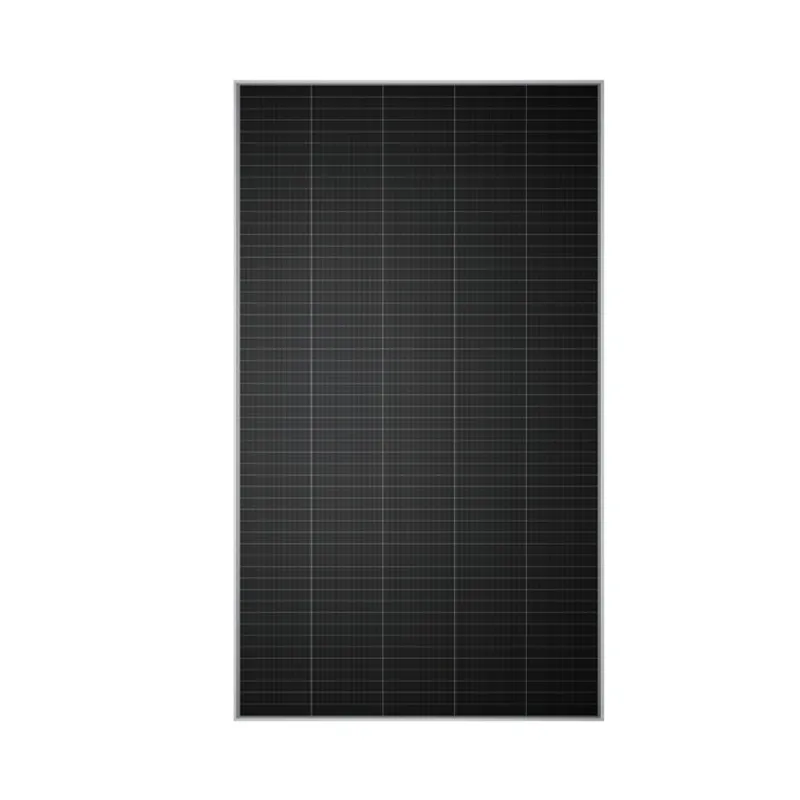
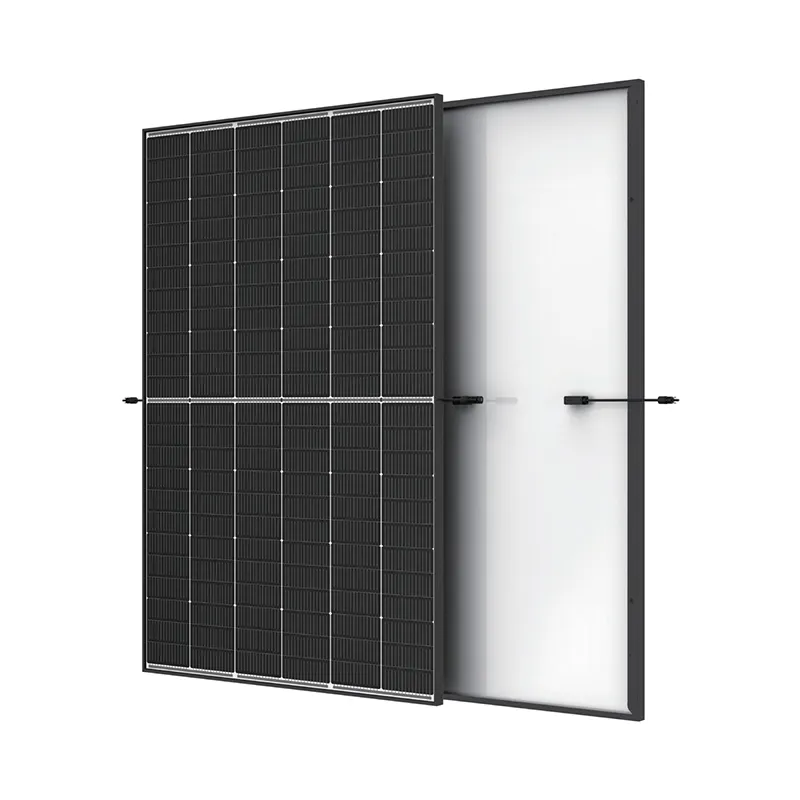
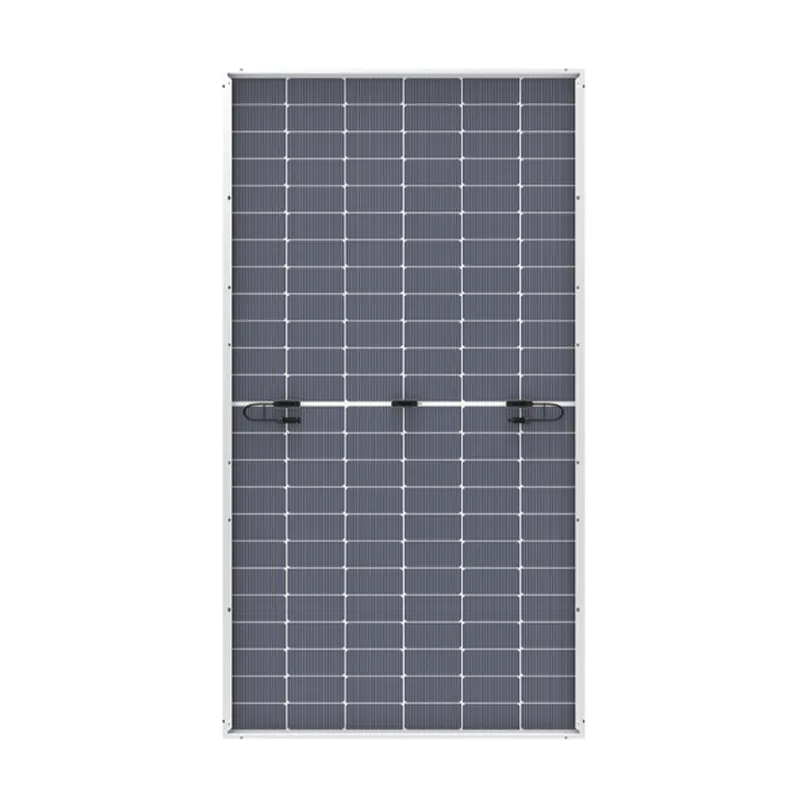
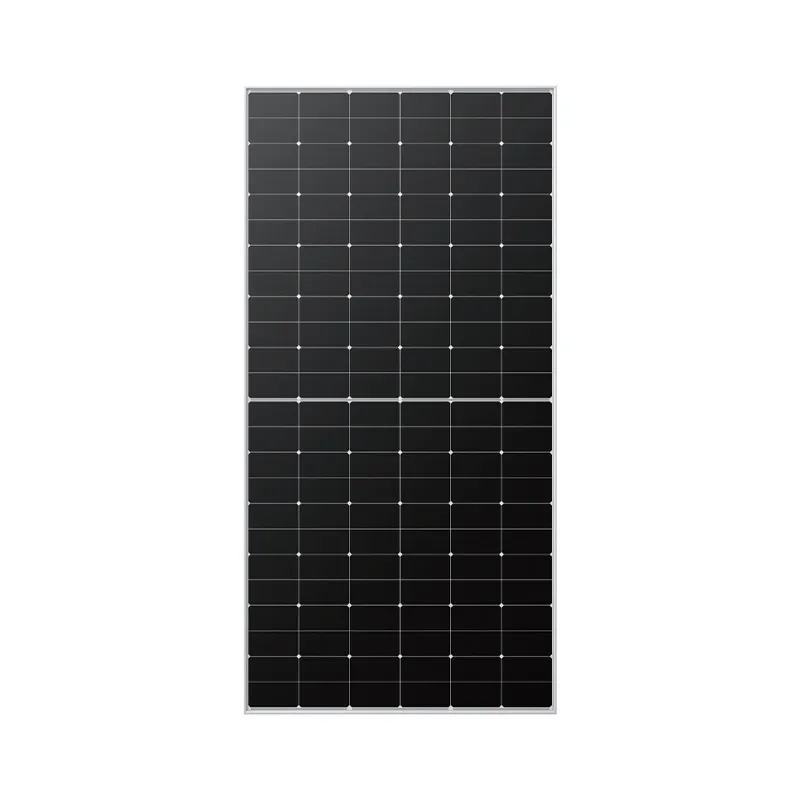
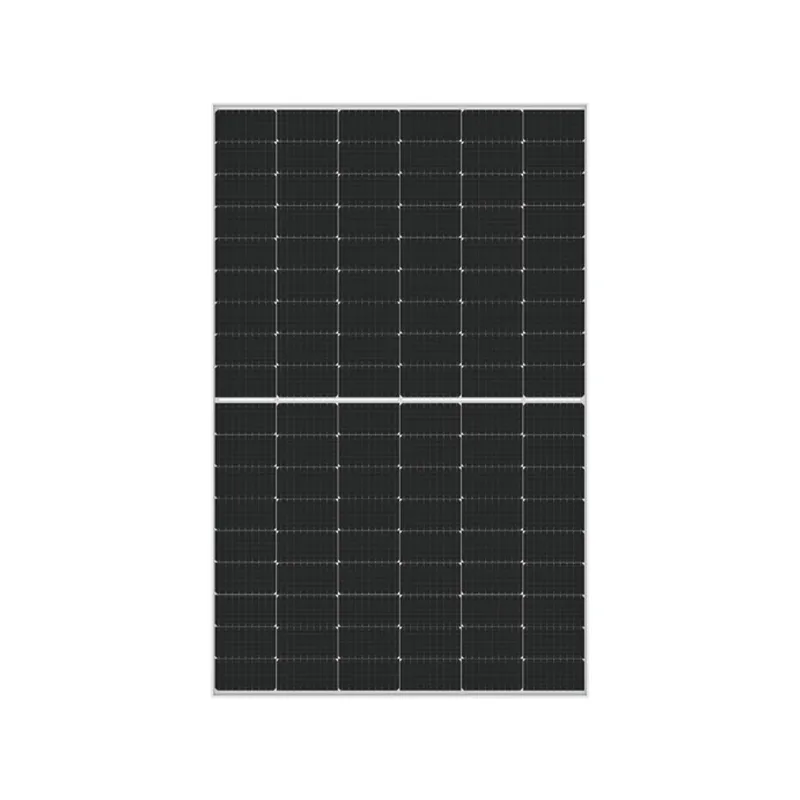
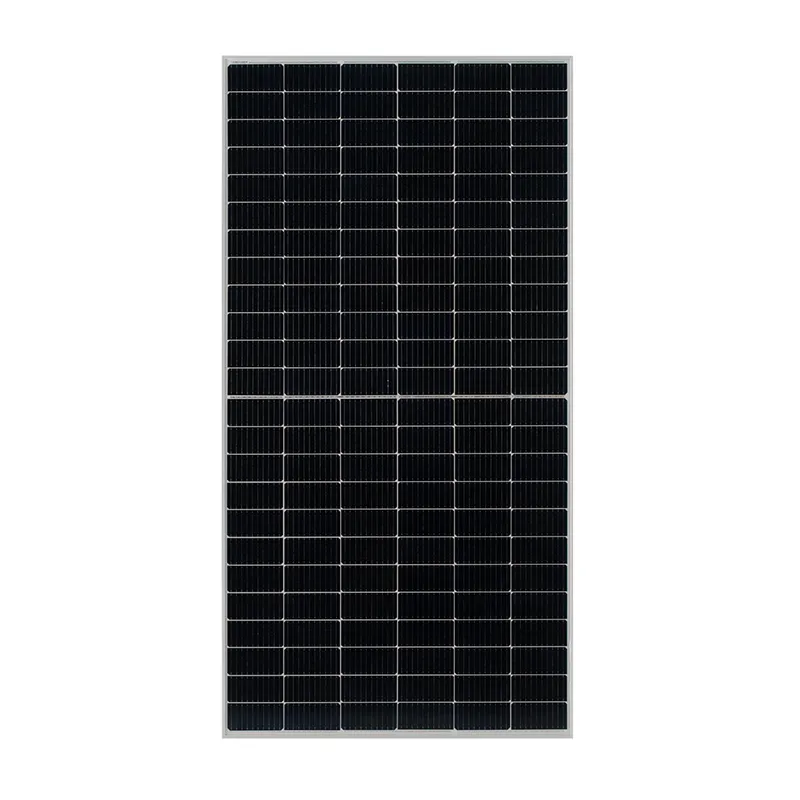
Trina 425-450W Dual Glass Mono Solar Panels | High Efficiency
The Advanced Frontier of Solar Energy: Trina 425-450W Dual Glass Monocrystalline Module Solar Panel
In the rapidly evolving landscape of renewable energy, the demand for high-performance, durable, and efficient solar solutions is paramount. Leading this innovation is the Trina 425-450W Dual Glass Monocrystalline Module Solar Panel, a product engineered to meet the stringent requirements of modern industrial and commercial applications. This module represents a significant leap forward in solar photovoltaic (PV) technology, integrating advanced cell structures with robust dual-glass construction to ensure exceptional energy yields and extended operational lifespans. Its design addresses critical challenges faced by traditional modules, offering enhanced resistance to environmental stressors and long-term degradation. For B2B decision-makers and technical personnel, understanding the intricate details of this technology is crucial for optimizing energy investments and achieving sustainable operational goals. The integration of cutting-edge materials and manufacturing precision positions this module as a cornerstone for future energy infrastructure.
The global shift towards clean energy sources is accelerating, driven by both environmental imperatives and economic benefits. Within this transition, dual glass monocrystalline modules are gaining traction due to their superior reliability and performance, particularly in harsh climates or demanding industrial settings. The underlying industry trend emphasizes not just peak power output but also the module's ability to maintain high efficiency over decades, a factor where advanced designs like the Trina 425-450W Dual Glass Monocrystalline Module Solar Panel truly excel. This trend also involves a strong focus on reducing the Levelized Cost of Electricity (LCOE), making durable and high-yield panels like this one an economically sound choice for large-scale deployments.
Technical Deep Dive: Key Specifications and Performance Metrics
The performance of any solar panel hinges on its precise technical specifications. The Trina 425-450W Dual Glass Monocrystalline Module Solar Panel is designed with meticulous attention to detail, leveraging advanced cell technology to achieve its impressive power output. This module typically incorporates high-efficiency PERC (Passivated Emitter Rear Cell) or N-type monocrystalline cells, which are renowned for their enhanced light absorption and superior performance in low-light conditions. The dual-glass construction replaces the traditional backsheet with another layer of tempered glass, providing unparalleled durability and significantly reducing degradation rates over time. This design choice contributes to improved resistance against micro-cracks, hotspots, and environmental factors like sand, dust, and moisture, which are common culprits for performance degradation in conventional modules.
Understanding the detailed parameters is essential for system integrators and project developers. Below is a comprehensive table outlining typical specifications for the Trina 425-450W Dual Glass Monocrystalline Module Solar Panel, illustrating its robust design and high-efficiency capabilities. These parameters are crucial for energy yield simulations and long-term financial modeling.
| Parameter | Typical Value (Trina 425-450W Series) | Explanation / Significance |
|---|---|---|
| Peak Power (Pmax) | 425-450W | Maximum power output under Standard Test Conditions (STC: 1000 W/m², 25°C cell temperature, AM 1.5). |
| Module Efficiency | 20.8% - 21.6% (approx.) | Percentage of incident sunlight converted into electricity. Higher efficiency means more power from a smaller area. |
| Power Tolerance | 0 ~ +5W | Guaranteed positive power output. Modules will perform at or above their rated power. |
| Temperature Coefficient of Pmax | -0.34% / °C (approx.) | Indicates how much power output decreases for every degree Celsius rise above 25°C. Lower values are better for hot climates. |
| Open Circuit Voltage (Voc) | 50.0 V (approx.) | The maximum voltage produced by a solar cell when no current is flowing (open circuit). Critical for inverter sizing. |
| Short Circuit Current (Isc) | 10.8 A (approx.) | The maximum current produced when the solar cell is short-circuited. Important for array string sizing and fuse protection. |
| Module Dimensions | 1903 × 1134 × 30 mm (approx.) | Physical size of the module, critical for system layout and structural considerations. |
| Weight | 24.5 kg (approx.) | Module weight, influencing transportation costs, installation logistics, and roof load capacity. |
| Front/Rear Glass Thickness | 2.0 mm / 2.0 mm (approx.) | Thickness of the highly transparent, low-iron tempered glass used on both sides, providing structural integrity and superior protection. |
| Max. System Voltage | 1500 V DC (IEC) | The maximum voltage that can be applied to the PV system. Higher voltage systems allow for longer strings and reduced balance-of-system (BOS) costs. |
| Operating Temperature | -40°C to +85°C | The temperature range within which the module is designed to operate safely and effectively. |
These specifications highlight the premium design and engineering that define the Trina 425-450W Dual Glass Monocrystalline Module Solar Panel. The low temperature coefficient, in particular, ensures consistent performance even in regions experiencing significant temperature fluctuations, which is critical for maintaining high annual energy yields.
Manufacturing Excellence: The Trina Solar Production Process
The superior performance and durability of the Trina 425-450W Dual Glass Monocrystalline Module Solar Panel are a direct result of Trina Solar's stringent manufacturing processes and quality control. The production of these advanced modules involves several meticulous stages, ensuring each panel meets the highest international standards. The journey begins with the purification of silicon to semiconductor-grade purity, followed by the growth of monocrystalline ingots using the Czochralski (CZ) method. These ingots are then precisely sliced into ultra-thin wafers, which form the foundational photovoltaic cells.
The subsequent cell processing involves doping, texturing, and passivation steps, crucial for enhancing light absorption and reducing electron recombination, thereby maximizing cell efficiency. For dual-glass modules, specialized processes like PERC or TOPCon cell technology are integrated to optimize efficiency and bifacial performance. Once the cells are manufactured and individually tested, they are precisely connected in series and encapsulated between two layers of highly durable, low-iron tempered glass. This encapsulation is performed under vacuum and high temperature, using advanced EVA (Ethylene Vinyl Acetate) or POE (Polyolefin Elastomer) encapsulants to protect the cells from moisture and environmental degradation. Unlike traditional modules with a backsheet, the dual-glass structure offers superior resistance to PID (Potential Induced Degradation) and LID (Light Induced Degradation), common issues that can reduce power output over time.
Throughout the entire manufacturing pipeline, Trina Solar adheres to rigorous international quality management systems, including ISO 9001 (Quality Management System) and ISO 14001 (Environmental Management System). Each Trina 425-450W Dual Glass Monocrystalline Module Solar Panel undergoes comprehensive electrical and mechanical testing, including electroluminescence (EL) inspection to detect micro-cracks, insulation tests, and stringent power output verification under simulated sunlight conditions. Panels are also subjected to extended stress tests, such as damp heat and thermal cycling, far exceeding standard IEC (International Electrotechnical Commission) requirements, ensuring a projected lifespan exceeding 30 years. While industries like petrochemical, metallurgy, and water supply/drainage are not direct applications for solar panel materials (e.g., casting or forging), these sectors significantly benefit from reliable, long-lasting solar energy solutions for remote power supply, grid stabilization, and reducing operational carbon footprints. The superior anti-corrosion properties of dual-glass modules make them particularly advantageous for deployment in industrial environments where chemical exposure or high humidity might accelerate degradation of conventional panels.
Application Scenarios and Strategic Deployment
The versatility and robust performance of the Trina 425-450W Dual Glass Monocrystalline Module Solar Panel make it an ideal choice for a diverse range of B2B applications. These modules are perfectly suited for large-scale utility projects, where maximum power density and long-term reliability are critical for investment returns. Their durability against harsh weather conditions, including high wind loads and snow loads, ensures consistent performance in varied geographical locations.
For commercial and industrial (C&I) rooftop installations, the high efficiency of the Trina 425-450W Dual Glass Monocrystalline Module Solar Panel translates to higher energy generation within limited space, optimizing the return on investment for businesses aiming to reduce operational costs and achieve energy independence. The dual-glass design also offers improved fire safety characteristics compared to traditional modules with plastic backsheets, which can be a critical consideration for commercial buildings. Furthermore, these panels are increasingly deployed in innovative applications such as solar carports, agricultural facilities (e.g., agrivoltaics), and remote power solutions for critical infrastructure in the telecommunications, oil & gas, or mining sectors, where consistent and reliable power is paramount and grid access may be limited.
The long lifespan and minimal degradation rates of the Trina 425-450W Dual Glass Monocrystalline Module Solar Panel significantly lower the Levelized Cost of Energy (LCOE) over the project's lifetime, making it an economically attractive choice for long-term power purchase agreements (PPAs) and self-consumption models. Its robust nature also reduces maintenance requirements, contributing to lower operational expenditures (OpEx) for asset owners.
Comparative Advantages and Market Leadership
In a highly competitive solar market, the Trina 425-450W Dual Glass Monocrystalline Module Solar Panel stands out due to Trina Solar's unwavering commitment to innovation, quality, and sustainability. Trina Solar is consistently ranked among the top-tier global PV manufacturers, distinguished by its vertically integrated manufacturing capabilities, extensive R&D investments, and robust financial health. This allows for rigorous control over the entire supply chain, from silicon ingot to finished module, ensuring consistent product quality and reliable supply.
Compared to many competitors, Trina's dual-glass technology offers a superior long-term performance guarantee, with significantly lower linear power degradation (typically 0.45% per year after the first year, compared to 0.5% or more for standard modules). This translates to greater energy yield and revenue over the 30-year performance warranty period. Furthermore, the bifacial capability inherent in many dual-glass designs means the module can capture sunlight from both the front and rear sides, potentially adding 5-30% additional energy gain depending on the ground surface and installation type. This bifacial gain is a critical differentiator for maximizing energy output from a given footprint.
Trina Solar's global presence and extensive network of certified partners and installers provide unparalleled technical support and service, ensuring successful project execution from design to commissioning and beyond. Their proven track record, backed by decades of industry experience and countless successful projects worldwide, instills confidence in B2B clients seeking reliable, high-performing solar investments. The bankability of Trina Solar, as assessed by independent financial analysts, further underscores the low risk associated with investing in their products, including the Trina 425-450W Dual Glass Monocrystalline Module Solar Panel.
Tailored Solutions and Seamless Integration
While the Trina 425-450W Dual Glass Monocrystalline Module Solar Panel offers standardized high performance, its integration into specific projects often requires tailored solutions. Solar project development is not a one-size-fits-all endeavor; it demands a deep understanding of site-specific conditions, energy consumption patterns, regulatory frameworks, and financial objectives. For B2B clients, this means collaborating with experienced solar providers who can design and implement a system that precisely meets their unique needs.
Customization can involve optimizing array layouts to maximize sunlight capture on complex rooftops, selecting appropriate mounting structures for ground-mounted systems, or integrating advanced energy storage solutions (batteries) to enhance grid independence and peak shaving capabilities. The high power output of the Trina 425-450W Dual Glass Monocrystalline Module Solar Panel allows for fewer modules to achieve desired power capacities, potentially simplifying installation and reducing balance-of-system (BOS) costs such as cabling, racking, and labor. Professional solar integrators leverage sophisticated design software to simulate energy yield, shading impacts, and financial returns, ensuring that the chosen configuration delivers optimal performance and cost-effectiveness over the project's lifespan.
We offer comprehensive consulting, design, and implementation services, guiding clients through every stage of their solar journey. This includes feasibility studies, detailed engineering design, procurement of high-quality components including the Trina 425-450W Dual Glass Monocrystalline Module Solar Panel, project management, installation, and ongoing operation and maintenance. Our approach ensures that each customized solar solution is not only technically sound but also economically viable and aligned with the client's long-term sustainability goals.
Illustrative Application Cases and Success Stories
The proven reliability and superior energy yield of the Trina 425-450W Dual Glass Monocrystalline Module Solar Panel have led to its successful deployment in various demanding environments globally. For instance, a major industrial complex in the Middle East, seeking to reduce its substantial electricity costs and carbon footprint, installed a ground-mounted solar farm utilizing thousands of these modules. The dual-glass design proved critical in withstanding extreme temperatures, high dust exposure, and intense UV radiation, maintaining high performance levels despite the challenging conditions. The project achieved its projected energy output, leading to significant operational savings and meeting the company’s stringent environmental targets.
In another instance, a large commercial logistics center in Europe opted for a rooftop installation featuring the Trina 425-450W Dual Glass Monocrystalline Module Solar Panel. The high power density of these modules was crucial for maximizing energy generation on limited roof space, allowing the facility to offset a substantial portion of its daily electricity consumption. The enhanced fire safety characteristics of dual-glass modules provided additional peace of mind for the facility management. The successful implementation enabled the logistics center to achieve carbon neutrality goals for its operations, setting a precedent for sustainable logistics in the region.
These cases underscore the versatility and tangible benefits of deploying the Trina 425-450W Dual Glass Monocrystalline Module Solar Panel in real-world B2B scenarios, demonstrating its capacity to deliver long-term value, enhance sustainability, and provide a robust return on investment for diverse industrial and commercial stakeholders.
Ensuring Longevity and Trust: Warranties and Support
Investing in solar technology is a long-term commitment, and robust warranty provisions coupled with comprehensive customer support are crucial for mitigating risks and ensuring peace of mind. Trina Solar, as a Tier 1 manufacturer, offers industry-leading warranties for its Trina 425-450W Dual Glass Monocrystalline Module Solar Panel. This typically includes a 12-year enhanced product workmanship warranty, covering defects in materials and manufacturing. More significantly, a 30-year linear power output performance warranty is provided, guaranteeing that the module will produce at least 87.4% of its nominal power after 30 years, showcasing the exceptional durability and minimal degradation rates of the dual-glass technology.
Our commitment extends beyond product delivery. We understand that timely project completion and reliable long-term operation are vital for B2B clients. Typical delivery cycles for high-volume orders of the Trina 425-450W Dual Glass Monocrystalline Module Solar Panel are managed efficiently through established logistics networks, with transparent communication on lead times and shipping schedules. In terms of customer support, a dedicated team of technical experts is available to assist with system design, troubleshooting, and post-installation inquiries. This comprehensive support structure ensures that any operational challenges are promptly addressed, minimizing downtime and maximizing energy generation.
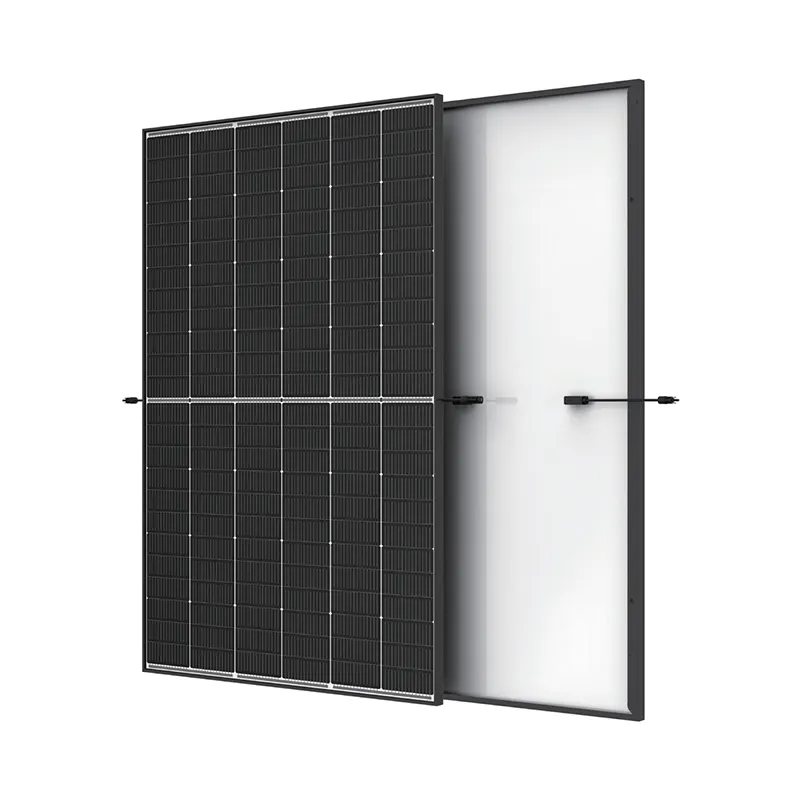 Our partnerships with leading manufacturers like Trina Solar are built on shared values of quality, reliability, and customer satisfaction. This ensures that every Trina 425-450W Dual Glass Monocrystalline Module Solar Panel we supply is backed by a reputable global leader and complemented by our dedicated local support, providing a seamless and trustworthy experience for all our industrial and commercial clients.
Frequently Asked Questions (FAQ)
-
Q1: What is the main advantage of dual glass technology in the Trina 425-450W Dual Glass Monocrystalline Module Solar Panel?
A1: The primary advantage is enhanced durability and longevity. Dual glass construction significantly reduces susceptibility to micro-cracks, environmental stressors like humidity and salt mist, and degradation mechanisms such as PID (Potential Induced Degradation) and LID (Light Induced Degradation). This leads to a lower degradation rate and a longer effective lifespan for the module.
-
Q2: How does the power output of this module compare to standard panels?
A2: The Trina 425-450W Dual Glass Monocrystalline Module Solar Panel offers a high power output in its class, meaning more electricity generated per square meter. This high power density is crucial for optimizing space utilization, especially on commercial rooftops or land-constrained utility projects. The high efficiency, coupled with lower degradation, ensures a greater energy yield over the system's lifetime.
-
Q3: Is the Trina 425-450W Dual Glass Monocrystalline Module Solar Panel suitable for harsh climates?
A3: Absolutely. The robust dual-glass design provides excellent resistance to extreme temperatures, high humidity, salt spray corrosion (making it ideal for coastal areas), and strong wind/snow loads. Its superior resistance to environmental factors makes it exceptionally well-suited for deployment in challenging climate zones.
-
Q4: What is the typical warranty period for this Trina module?
A4: The Trina 425-450W Dual Glass Monocrystalline Module Solar Panel typically comes with a 12-year product warranty for materials and workmanship and a 30-year linear power performance warranty, guaranteeing a minimum of 87.4% of its nominal power after 30 years. This comprehensive warranty package reflects Trina Solar's confidence in the module's long-term reliability.
Conclusion
The Trina 425-450W Dual Glass Monocrystalline Module Solar Panel stands as a testament to advanced solar PV engineering, delivering exceptional performance, unparalleled durability, and long-term economic value. Its innovative dual-glass construction, coupled with high-efficiency monocrystalline cells, positions it as a premier choice for commercial, industrial, and utility-scale solar projects. By offering enhanced reliability, superior energy yield in diverse conditions, and a robust warranty, this module significantly lowers the Levelized Cost of Energy (LCOE) and maximizes return on investment for B2B stakeholders. As the world accelerates its transition to sustainable energy, the strategic adoption of such high-caliber solar solutions will be pivotal in achieving energy independence and environmental stewardship goals.
References
- International Electrotechnical Commission (IEC) Standards for Photovoltaic Modules.
- Institute of Electrical and Electronics Engineers (IEEE) Journal of Photovoltaics.
- Renewable and Sustainable Energy Reviews.
- Solar Energy Materials and Solar Cells (Elsevier).
- Fraunhofer Institute for Solar Energy Systems ISE.
-
Designing a Modern Home Roof Made Out of Solar Panels GuideNewsApr.16,2026
-
Guide to the Size of 150 Watt Solar Panel for Your ProjectNewsApr.09,2026
-
Understanding the Dimensions and Applications of a 200W Solar PanelNewsApr.07,2026
-
Understanding the Dimensions and Factors of a 330W Solar Panel SizeNewsApr.04,2026
-
Understanding the Size and Dimensions of a 4kW Solar Panel System for Your HomeNewsMar.31,2026
-
Comprehensive Guide to Sizing Your Solar System for Optimal Energy ProductionNewsMar.28,2026