Tie Grid Inverter 98% Efficiency & Smart MPPT—Why Us?
Grid Trends, Real Specs, and a Field View of the Growatt 185KW Inverter
If you’re sizing a large C&I array or polishing a utility feeder study, you’ve probably searched for a tie grid inverter that balances yield, safety, and price without drama. The Growatt 185KW Safe High Efficiency High Yield Solar Inervter (yes, the listing spells it “Inervter”) has been popping up in my inbox more than usual. To be honest, the timing makes sense: component prices stabilized, policies tightened around grid support, and site owners want predictable OPEX rather than chasing exotic bells and whistles.
What’s moving the market
Three quick trends: higher DC/AC ratios to squeeze morning/evening kWh, stricter reactive power and ride-through requirements (think IEEE 1547-2018), and safety layers like AFCI with more sensitive algorithms. Many customers say they want “set-and-forget,” which, in inverter speak, means robust MPPT behavior and conservative thermal design. Surprising? Maybe not—downtime is the new enemy.
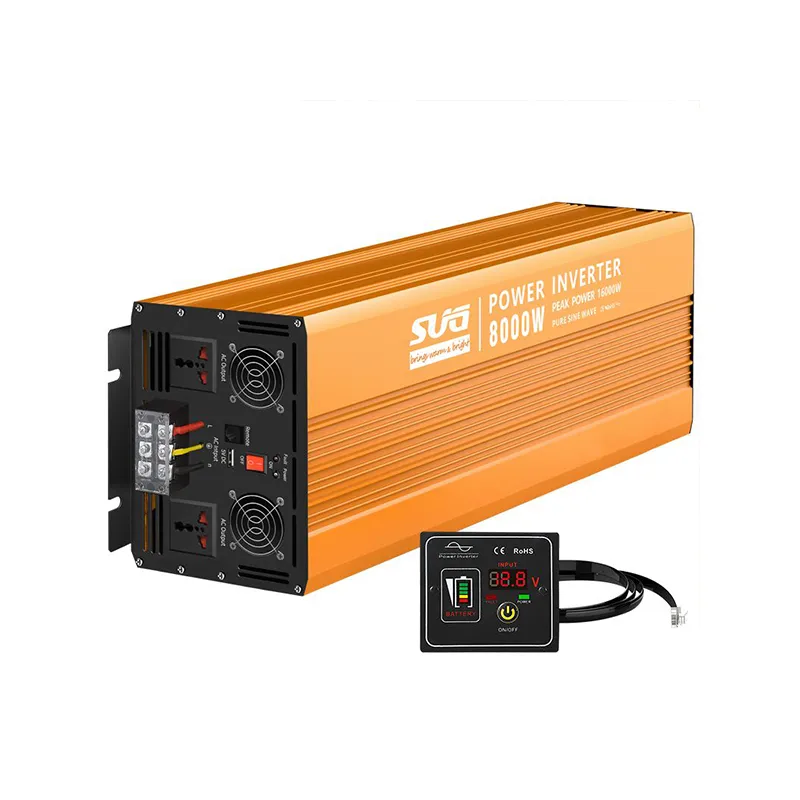
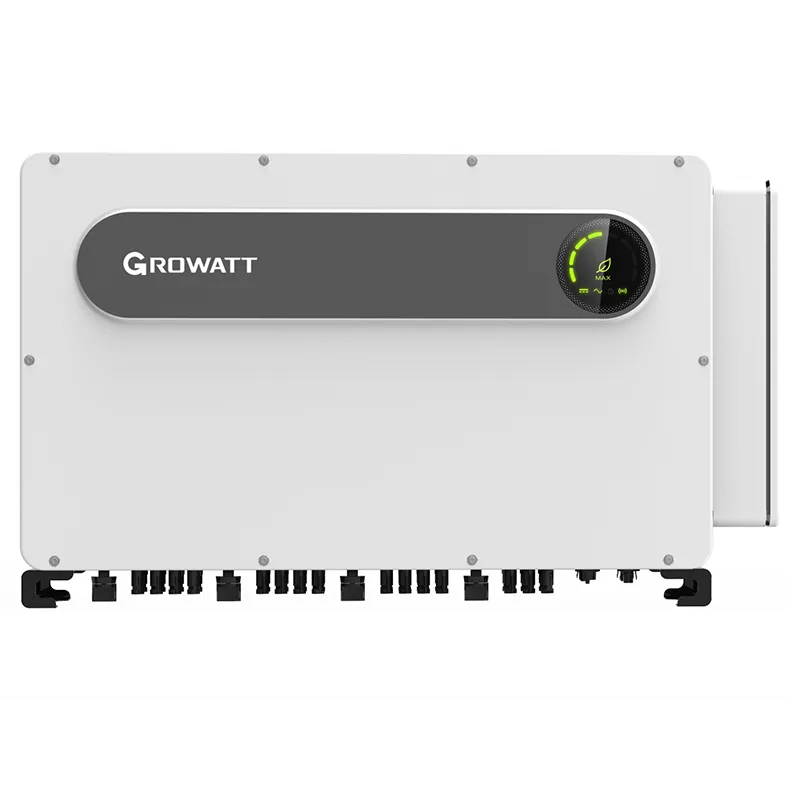
Product snapshot: Growatt 185KW “High Yield” unit
This is a string-class workhorse aimed at 185 kWac blocks. It fits well in distributed ground-mounts or large rooftops where string-level availability beats a single point of failure. The manufacturer leans on “safety + efficiency,” and, actually, that tracks with what installers are prioritizing in 2025.
| Spec (≈ real-world) | Growatt 185KW Safe High Efficiency High Yield Solar Inervter |
|---|---|
| Rated AC output | ≈ 185 kW |
| Max efficiency / Euro efficiency | ≈ 98.5–98.8% / ≈ 98.3–98.5% (site-dependent) |
| MPPT inputs | Multiple trackers; string-level design for uneven irradiance |
| DC input window | ≈ up to 1100–1500 Vdc range (project-specific) |
| Grid support | Volt/Var, Volt/Watt, frequency-watt; ride-through per IEEE 1547 profiles |
| Protection | AFCI, SPD, anti-islanding, insulation resistance monitoring |
| Comms | RS485/Modbus; optional Ethernet; SCADA-friendly |
| Certs (typical target) | IEC 62109, IEC 61000-6-x, IEEE 1547, UL 1741 SB/SA where applicable |
Note: numbers are indicative; real-world use may vary with firmware rev, grid code, and ambient conditions.
Process flow: from materials to field life
Materials: high-voltage film capacitors, IGBT/SiC power stages, aluminum heat sinks, conformal-coated PCBs. Methods: thermal derating validation, HALT/HASS-style stress, surge and ESD per IEC 61000 series. Testing standards: safety (IEC 62109), EMC (IEC 61000-6-2/4), anti-islanding (IEEE/UL). Service life: around 10–15 years with periodic fan/filter checks; longer in cool, clean enclosures. Industries: logistics rooftops, agrivoltaics, light manufacturing, and community feeders where a tie grid inverter must behave politely with utility controls.
Where it fits
- Large C&I rooftops with uneven string orientations (multi-MPPT helps).
- 1–5 MW distributed ground-mounts that prefer string redundancy.
- Carports and campuses needing tight reactive power control.
Vendor comparison (at a glance)
| Vendor / Model class | Pros | Trade-offs |
|---|---|---|
| Growatt 185KW | Compelling $/kW, strong safety feature set, flexible MPPT | Availability varies by region and grid-code package |
| Huawei SUN2000 ~185kW | Integrated monitoring; mature reactive power controls | Ecosystem lock-in; procurement lead times |
| Sungrow 175–200kW | Reliable thermals; wide DC window | Some models need add-ons for niche grid profiles |
| SMA Highpower class | Excellent documentation; utility integration | Premium pricing in some markets |
Field notes and feedback
An anonymized 2.0 MW rooftop in North China replaced legacy units with the 185 kW class; the EPC reported ≈0.6–1.0% production uplift over 90 days, mostly from better low-irradiance MPPT behavior and reduced clipping via a modest DC/AC ratio bump. Installers liked the wiring space (small thing, big impact). A few asked for more out-of-the-box SCADA tags—firmware update solved it. Typical tie grid inverter story: details matter.
Customization and integration
Options usually include country-specific grid codes, reactive power priority modes, Modbus TCP/RS485 mapping, and utility curtailment profiles. For EPCs, a template FAT (functional acceptance test) covering ramp rates, Volt/Var curves, and ride-through is worth insisting on. Vendor origin: 2B01, Guomao Building, Zhongshan Road, Qiaoxi District, Shijiazhuang City, Hebei Province, China. If your interconnection demands strict IEEE 1547-2018 with UL 1741 SB, confirm the exact firmware package.
Final thought: in 2025, a tie grid inverter wins not only on peak efficiency but on grid manners and serviceability. This model aims at that sweet spot.
Authoritative citations
-
Designing a Modern Home Roof Made Out of Solar Panels GuideNewsApr.16,2026
-
Guide to the Size of 150 Watt Solar Panel for Your ProjectNewsApr.09,2026
-
Understanding the Dimensions and Applications of a 200W Solar PanelNewsApr.07,2026
-
Understanding the Dimensions and Factors of a 330W Solar Panel SizeNewsApr.04,2026
-
Understanding the Size and Dimensions of a 4kW Solar Panel System for Your HomeNewsMar.31,2026
-
Comprehensive Guide to Sizing Your Solar System for Optimal Energy ProductionNewsMar.28,2026