String Inverter Solar - High Efficiency, Safe, Smart
Field Notes: How a 7kW Single‑Phase String Inverter Punches Above Its Weight
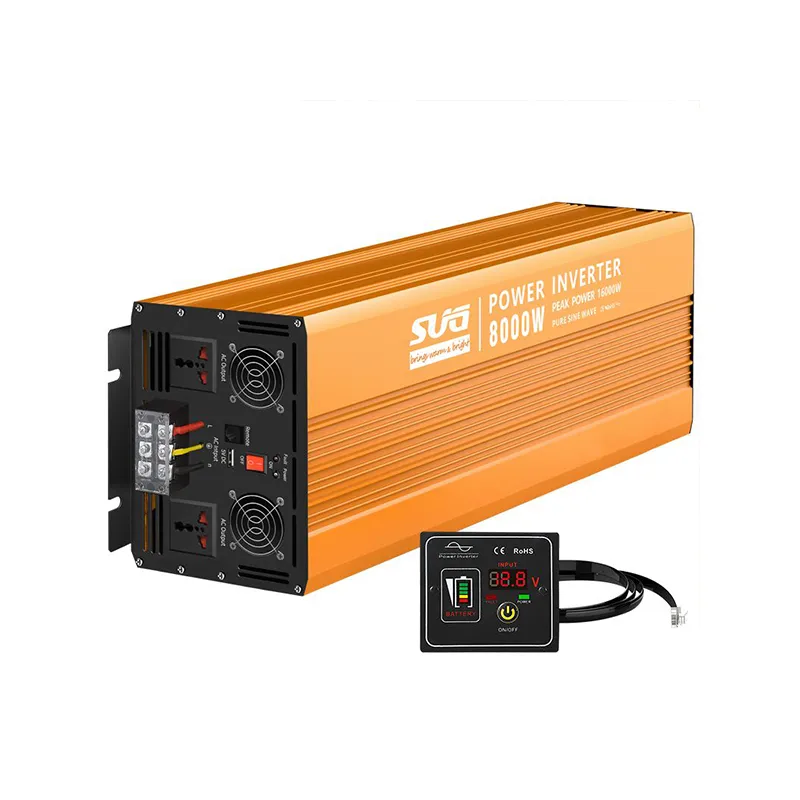
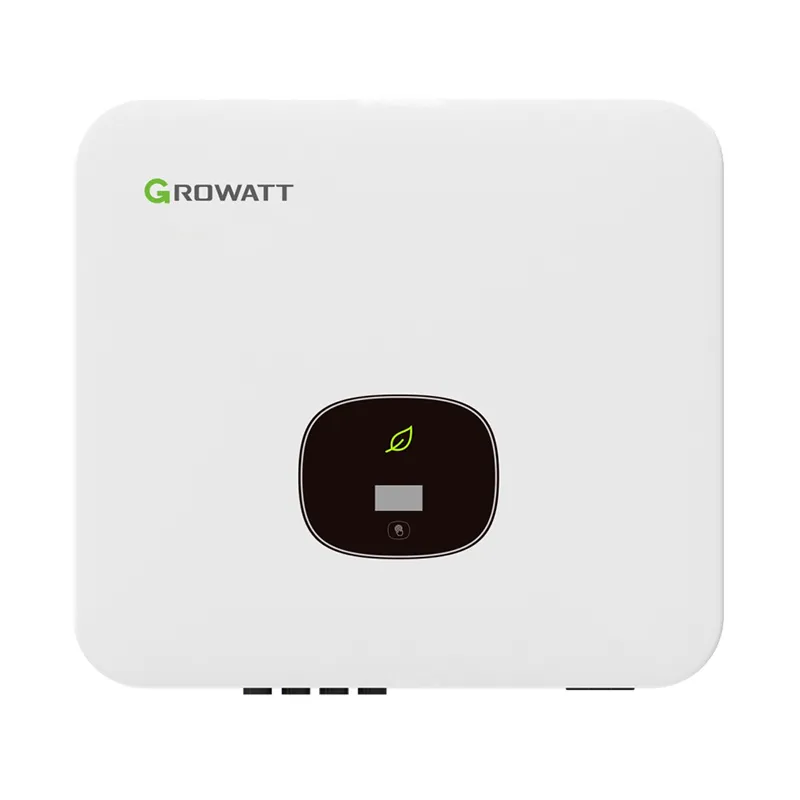
People still ask me whether a String Inverter Solar beats micros in 2025. Short answer: it depends. Long answer: models like the Growatt 7000W Single Phase High Efficiency “Inervter” (yes, spelled like that on the label) have quietly leveled up. In fact, in suburban roofs with tidy strings and decent sun, they’re delivering excellent yield at a sane price point.
What’s trending (and why installers care)
The industry trend is more MPPT channels, higher DC input windows, and better thermal design. Also—smarter firmware. To be honest, the whole “string vs micro” debate softened as vendors added rapid shutdown, AFCI, and sleek monitoring apps. For many rooftops, a String Inverter Solar is still the most bankable route, especially where shade is modest and O&M teams want one brain, not 20.
Quick spec snapshot (real-world may vary)
| Parameter | Growatt 7000W Single Phase High Efficiency String Solar Inervter |
|---|---|
| DC Input (V) | ≈120–550 V window; start-up around 120 V |
| MPPT / Strings | 2 MPPTs; 1–2 strings per MPPT (site design dependent) |
| Max DC Power | ≈7.7 kWdc (oversizing allowed, check thermal limits) |
| AC Output | 7 kW nominal, 230 V, 50/60 Hz single phase |
| Max Efficiency | up to ≈98.2%; Euro ≈97.8% |
| THD | ≤3% (typical) |
| Protection | AFCI, DC/AC SPD Type II, anti‑islanding (IEC 62116) |
| Connectivity | Wi‑Fi / 4G options, app + web portal |
Materials, build, and testing flow
Under the hood: FR‑4 PCBs with conformal coating, IGBTs/MOSFETs on an aluminum heat sink, silicone thermal pads, UV‑resistant enclosure. Process: SMT → wave solder → conformal coat → thermal pad placement → enclosure assembly → potting (selected joints) → burn‑in (≈8–12 hrs) → grid simulation tests. Standards commonly referenced: IEC 62109‑1/‑2 (safety), IEC 62116 (anti‑islanding), EN 50549‑1 (EU grid), and in North America, UL 1741 SB + IEEE 1547-2018. Salt‑mist and damp‑heat per IEC 60068 where coastal installs are expected. Service life? Around 10–15 years with normal maintenance; I’ve seen units cruising past that, honestly.
Where it fits
- Residential rooftops (5–9 kWdc arrays)
- Light commercial shops and cafés
- Agrivoltaics: barn roofs, irrigation pumps
- Telecom and remote micro‑offices (with storage downstream)
Advantages users keep noting
Many customers say the app is intuitive and the MPPT tracking reacts quickly to cloud edge effects. Noise is low; thermal throttling is rare in temperate climates. I guess the big win is cost per watt, plus simple O&M—classic reasons people choose a String Inverter Solar.
Vendor comparison (indicative only)
| Vendor / Model | Power | MPPTs | Max Eff. | Warranty | Notes |
|---|---|---|---|---|---|
| Growatt 7000W (BenjiuSolar) | 7 kW | 2 | ≈98.2% | 5–10 yrs (region‑dependent) | Strong value; broad app support |
| Huawei SUN2000‑6KTL‑L1 | 6 kW | 2 | ≈98.4% | 10 yrs typical | AFCI and rapid shutdown options |
| SMA Sunny Boy 6.0‑US | 6 kW | 2 | ≈97.5% | 10–12 yrs | Premium support; strong UL/NEC alignment |
Values are approximate; real‑world use may vary by market and firmware.
Customization and options
OEM skin, DC switch on/off, SPD type options, Wi‑Fi vs 4G dongle, and pre‑configured grid codes. Packaging can be coastal‑grade with desiccant. Factory address for BenjiuSolar: 2B01, Guomao Building, Zhongshan Road, Qiaoxi District, Shijiazhuang City, Hebei Province, China.
Case notes and feedback
- Residential, 7.6 kWdc: yield ≈10.8 MWh in year one; PR hovered around 83%—mild coastal climate.
- Farm pump retrofit: soft‑start via VFD downstream, zero nuisance trips after firmware v1.x update.
- Shopfront array: owner said, “Set it and forget it—just the way I like my String Inverter Solar.”
Certifications and compliance
Typical marks: CE, TÜV, RoHS; grid compliance under EN 50549‑1 (EU) and, where applicable, UL 1741 SB + IEEE 1547‑2018 (NA). Anti‑islanding per IEC 62116; safety per IEC 62109‑1/‑2. Always check your exact model’s datasheet and country listing.
Bottom line
If your strings are clean and shading is mild, a modern String Inverter Solar like this 7 kW unit is hard to beat on ROI and serviceability. And yes, I still like micros—just not everywhere.
References
- IEC 62109‑1/‑2: Safety of power converters for use in photovoltaic power systems.
- IEC 62116: Test procedure of islanding prevention measures for utility‑interconnected PV inverters.
- UL 1741 SB and IEEE 1547‑2018: Interconnection and interoperability of distributed energy resources.
- EN 50549‑1: Requirements for generating plants to be connected in parallel with distribution networks.
-
Designing a Modern Home Roof Made Out of Solar Panels GuideNewsApr.16,2026
-
Guide to the Size of 150 Watt Solar Panel for Your ProjectNewsApr.09,2026
-
Understanding the Dimensions and Applications of a 200W Solar PanelNewsApr.07,2026
-
Understanding the Dimensions and Factors of a 330W Solar Panel SizeNewsApr.04,2026
-
Understanding the Size and Dimensions of a 4kW Solar Panel System for Your HomeNewsMar.31,2026
-
Comprehensive Guide to Sizing Your Solar System for Optimal Energy ProductionNewsMar.28,2026