Solar Panels That Look Like Roof Tiles: Innovative Green Energy Solutions
Understanding Solar Panels That Look Like Roof Tiles: A Modern Energy Solution
Solar panels that look like roof tiles are more than just a stylish idea—they represent a meaningful shift in how we harness renewable energy in our homes and businesses. Globally, with the rising urgency to transition from fossil fuels, such innovations contribute significantly to sustainable living and climate mitigation efforts. Not only do these panels blend seamlessly into building aesthetics, but they also offer another layer of utility: powering structures efficiently while preserving the architectural integrity we cherish.
The appeal of these integrated solar roofing solutions goes beyond looks. According to the International Energy Agency (IEA), solar power accounted for nearly 11% of global electricity generation in 2023, and building-integrated photovoltaics (BIPV) are expected to grow exponentially in the coming decade. Addressing challenges like urban aesthetics and installation space constraints, solar panels that mimic roof tiles help accelerate this trend without compromising curb appeal.
Takeaway: Solar panels designed like roof tiles creatively combine beauty with utility, helping mass adoption of green energy worldwide.
What Exactly Are Solar Panels That Look Like Roof Tiles?
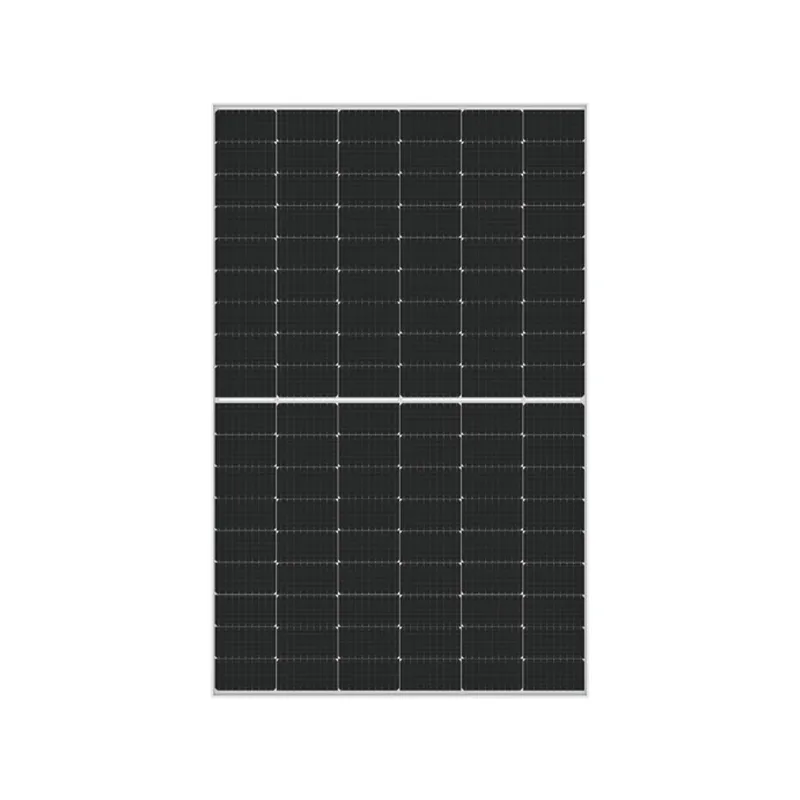
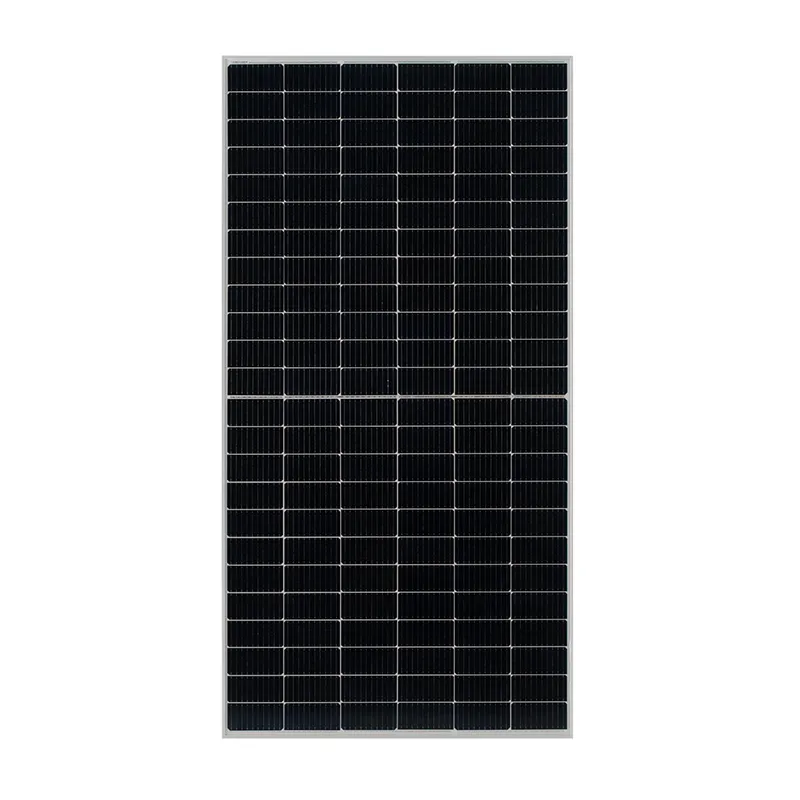
Put simply, these are solar modules crafted to resemble traditional roofing materials—such as ceramic, slate, or concrete tiles—while functioning as photovoltaic panels. Instead of bulky, mounted solar arrays, these panels become the actual roofing material, generating electricity invisibly. This design is particularly crucial for architects, homeowners, and regulatory bodies that prioritize aesthetics along with sustainability.
In humanitarian terms, this technology supports energy independence in places where extending grid infrastructure is costly or impractical. Modern industry is also experimenting with these panels to meet corporate sustainability goals while maintaining brand image.
Takeaway: These panels are a fusion of roofing and energy hardware, making solar power a part of the building’s skin.
Key Aspects That Define These Unique Solar Panels
Durability
Since they're part of the roof’s protective layer, these solar tiles must withstand weather extremes—rain, hail, heat, and cold—for 25 years or more. Materials used often include tempered glass and robust encapsulants, making them comparable or even superior in durability to standard roof tiles.
Efficiency & Power Output
While their form factor imposes some efficiency trade-offs compared to standard flat solar panels, advancements in monocrystalline cells help these tiles achieve respectable conversion rates around 17-20%. Frankly, the slight dip in peak efficiency is often balanced by wider installation possibilities and design flexibility.
Installation & Integration
Installation can be trickier due to the unique shape and need to replace entire roofing sections. Skilled installers familiar with both roofing and solar tech are essential—an extra upfront cost that pays off with long-term gains.
Cost Efficiency
Initial costs are higher compared to traditional rooftop panels plus separate roofing. But when you factor in savings from avoided roofing materials and the value of a visually harmonious finish, the overall investment can be justified—especially in upscale or historic neighborhoods.
Scalability
These systems lend themselves well to new constructions or major renovations rather than retrofits, which can limit scale. However, recent modular designs aim to change that by simplifying integration on existing homes.
| Specification | Details |
|---|---|
| Material | Tempered glass with monocrystalline cells |
| Power Output (per tile) | 12–15 Watts |
| Efficiency | 17–20% |
| Weight | 1.2 kg per tile |
| Warranty | 25 years for power output |
| Installation | Specialized roof mounting system |
Global Applications & Use Cases
These solar roof tiles are gaining traction across Europe and North America, especially in municipalities with strict aesthetic codes. For example, parts of California require solar integration in new homes but discourage bulky arrays visible from the street. Over in Europe, countries like France and Germany use these tiles in urban renovations to preserve heritage appearances while boosting green energy.
In humanitarian efforts, imagine remote villages benefiting from rooftops generating their own power, reducing reliance on diesel generators or scarce grid access. In industrial zones where land is limited, such solutions offer neatly tucked away energy without sacrificing valuable operational space.
Takeaway: These panels solve real-world problems, whether urban, rural, or humanitarian.
Advantages and Long-Term Value
- Enhanced Property Value: Integrated solar roofing increases home resale worth by marrying function and style.
- Environmental Benefits: By generating clean electricity, it reduces carbon footprint and helps meet sustainability targets.
- Reliability and Safety: Designed as roof tiles, they protect against leaks and harsh weather better than some retrofitted panel systems.
- Emotional Connection: Homeowners feel pride knowing their house contributes actively to combating climate change, all without the “solar panel” stigma.
Future Trends in Solar Roof Tile Technology
Looking ahead, expect more flexible and lightweight materials, like thin-film photovoltaics, to reduce weight and cost. Integration with smart home systems and battery storage is becoming the norm—allowing homeowners to monitor and optimize energy usage in real time. Government incentives and stricter green building codes will further boost adoption globally.
Also, solar panels that look like roof tiles increasingly come with digital tracking for performance diagnostics, predictive maintenance via AI, and are part of net-zero energy buildings.
Challenges & Solutions
The biggest practical hurdle right now is upfront cost and complex installation. Often, trained roofers aren’t yet paired with solar specialists, leading to longer project timelines or installation errors. Also, warranty issues can get murky if manufacturers don’t clearly delineate roofing versus solar system coverage.
Innovative companies are addressing this by developing modular kits that drop in like traditional tiles and by offering bundled roofing plus solar contracts. Training programs to cross-skill roofing and solar installation professionals are growing as well.
| Brand | Material Type | Efficiency | Warranty | Price Range |
|---|---|---|---|---|
| Tesla Solar Roof | Glass Ceramic | 17-19% | 25 years | High |
| SunTegra | Tempered Glass | 18-20% | 25 years | Medium |
| Luma Solar | Textured Glass | 15-17% | 20 years | Medium-Low |
FAQ: Solar Panels That Look Like Roof Tiles
1. How do solar roof tiles compare in energy output to traditional solar panels?
Solar roof tiles typically have slightly lower energy output per square meter because of their shape and integration, usually around 17–20% efficiency compared to 20–23% for traditional panels. However, their seamless integration means they can be deployed where panels aren’t feasible, often balancing overall generation.
2. Are these solar tiles suitable for all roof types?
Mostly, they’re ideal for pitched roofs and new constructions or full roof replacements. Flat roofs or very irregular shapes may not be suitable. It’s best to consult with manufacturers or installers about your specific roof.
3. What maintenance do solar tiles require?
Like regular roofs, minimal cleaning and inspections are suggested, especially to check for cracks or debris buildup. Since they’re part of your roof, repairs should be handled by certified professionals familiar with the integration.
4. How long does installation usually take?
Installation times vary but generally take longer than traditional solar panel mounting—often a few weeks—due to roofing complexity. Planning ahead and using certified installers helps speed the process.
5. Can existing homes easily upgrade to solar roof tiles?
It depends on the roof condition and structure. If a roof needs replacement soon, it’s a good opportunity. However, retrofitting solar tiles on a relatively new roof may be cost-prohibitive compared to traditional panels.
Conclusion: A Smart Step Toward Sustainable, Beautiful Power
Solar panels that look like roof tiles embody the future of renewable energy—where efficiency meets design, and sustainability fits naturally into our everyday environments. As technology advances and costs come down, this approach will become more accessible, helping communities everywhere reduce carbon footprints while preserving architectural beauty.
If you’re curious about integrating this innovative solar solution, visit our website: https://www.benjiusolar.com to explore products and expert guidance.
Reflection: In writing about solar roof tiles, I noticed a convergence of technology, design, and environmental values—reminding us that sometimes the best innovations slide right over our heads, literally. Truly, the future of energy might just be on our rooftops.
-
Designing a Modern Home Roof Made Out of Solar Panels GuideNewsApr.16,2026
-
Guide to the Size of 150 Watt Solar Panel for Your ProjectNewsApr.09,2026
-
Understanding the Dimensions and Applications of a 200W Solar PanelNewsApr.07,2026
-
Understanding the Dimensions and Factors of a 330W Solar Panel SizeNewsApr.04,2026
-
Understanding the Size and Dimensions of a 4kW Solar Panel System for Your HomeNewsMar.31,2026
-
Comprehensive Guide to Sizing Your Solar System for Optimal Energy ProductionNewsMar.28,2026