Solar Panels Sizes and Prices Explained: Your Guide to Smarter Solar Investment
Understanding Solar Panels Sizes and Prices: A Key to Smarter Energy Choices
In today’s rapidly changing world, solar energy is no longer just a niche alternative — it’s central to tackling climate change, increasing energy independence, and even driving rural electrification. You might think: why focus so much on solar panels sizes and prices? Well, it turns out that having a solid grasp of the intricacies behind panel dimensions and their cost can make or break the effectiveness of your solar setup — whether it’s a small home system or a large industrial array.
From the sunny rooftops of Europe to sprawling deserts in Africa, the way solar panels are sized and priced directly impacts accessibility, scalability, and long-term sustainability of renewable energy projects. And beyond economics, those variables influence installation logistics, maintenance, and system lifespan.
Solar Panels Sizes and Prices: Why It Matters Globally
The UN estimates that nearly 789 million people worldwide still don’t have access to electricity (UN SDG7), highlighting a global energy disparity. Solar panels, with their modularity and dropping prices, offer a possible solution. But not all solar panels are created equal. The size of a panel correlates with wattage output (think bigger panel, more power), while price depends on manufacturing technology, materials, region, and supplier economics.
In real terms, selecting the right solar panel size and price balance is a puzzle for NGOs, industrial operators, and residential buyers alike. The World Bank notes that cost-efficient renewable energy installations help lift entire communities out of energy poverty. Yet many customers struggle with confusing jargon and a wide price spread — it’s like shopping for a car without knowing the engine specs.
What Exactly Are Solar Panels Sizes and Prices?
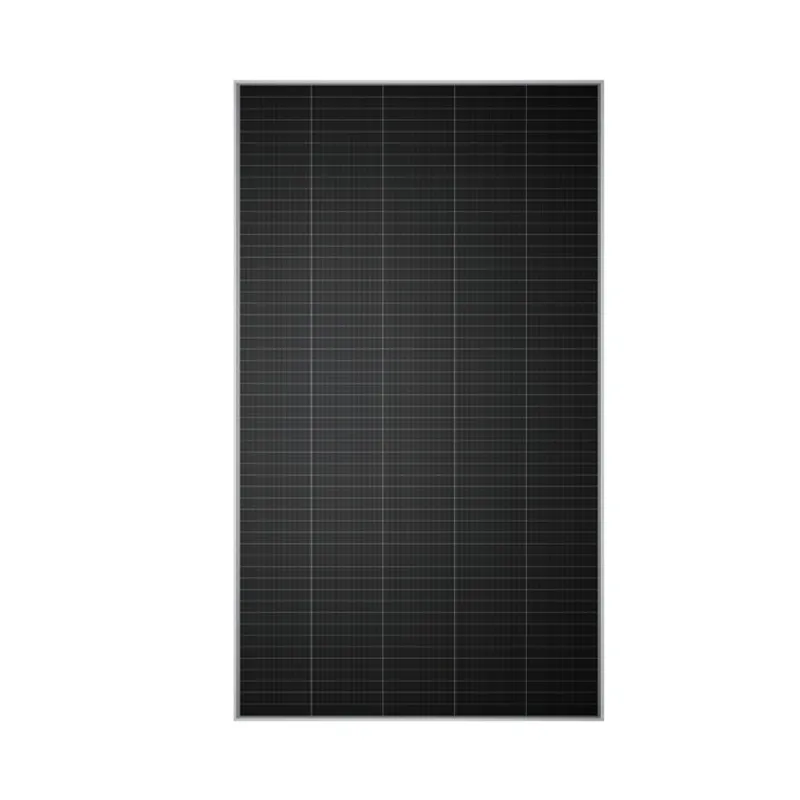
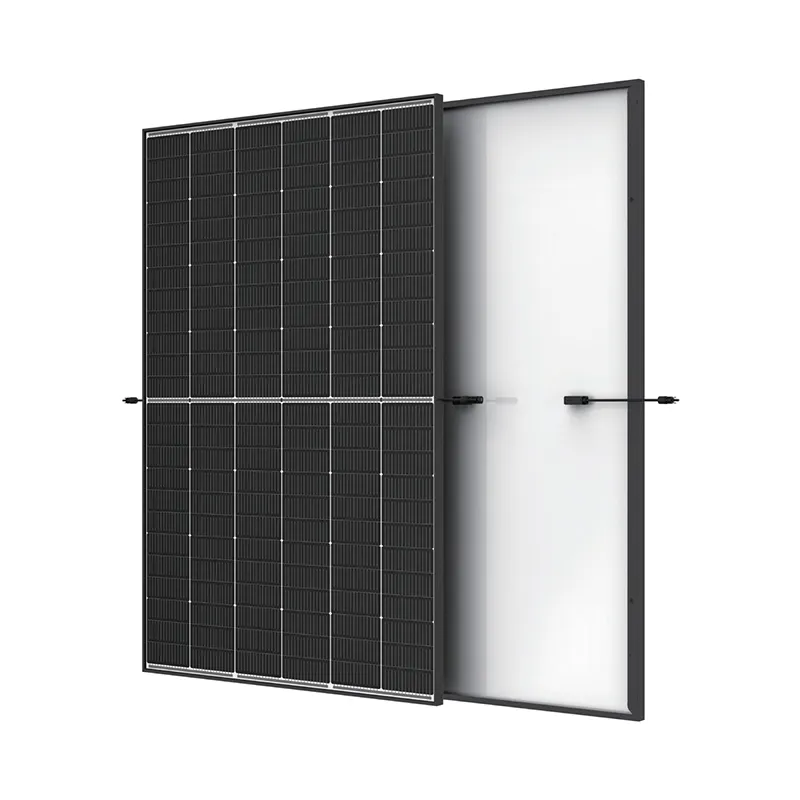
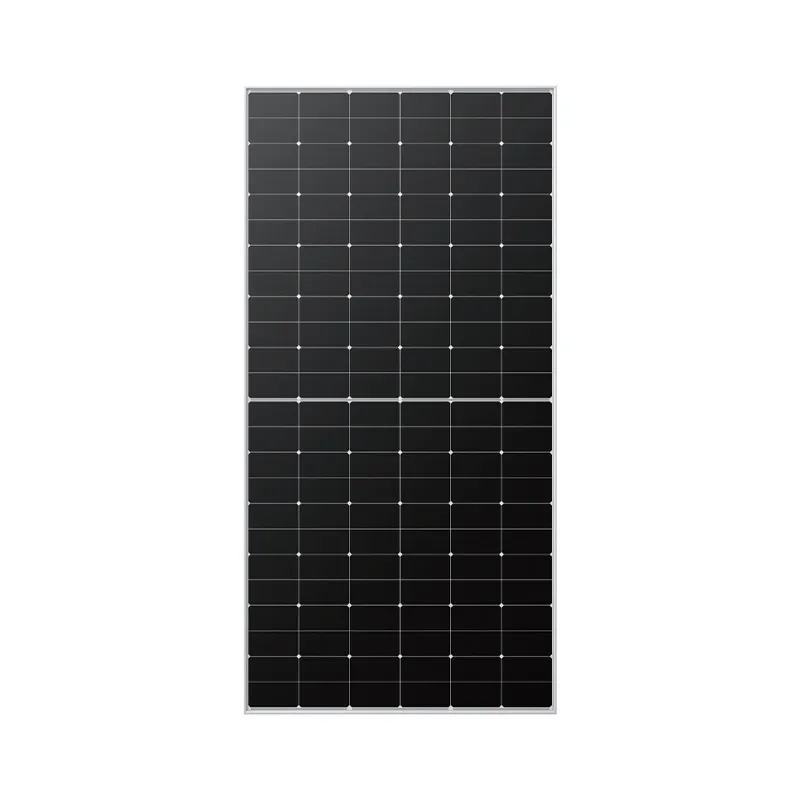
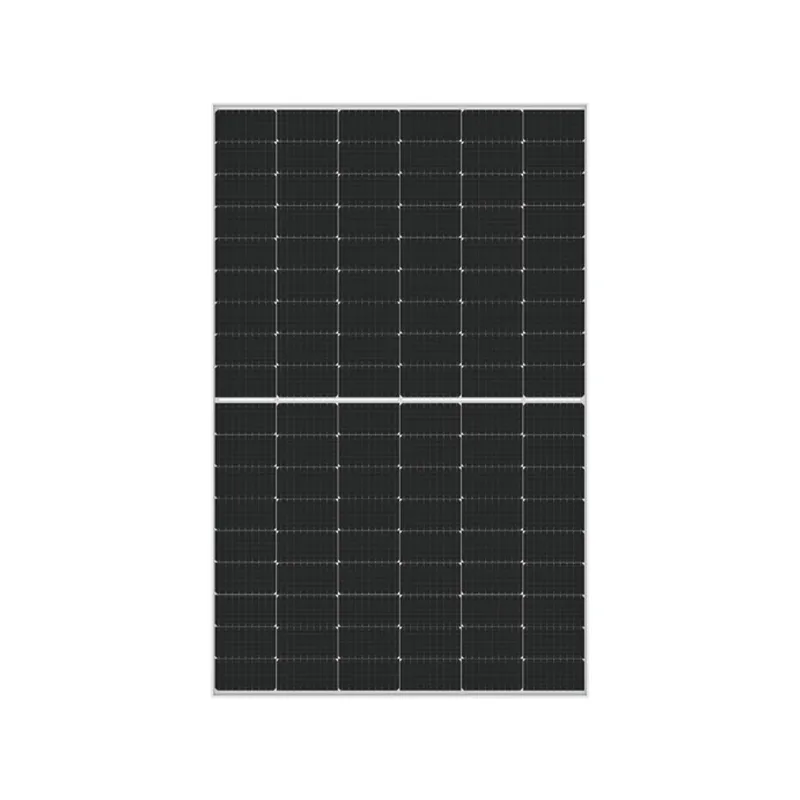
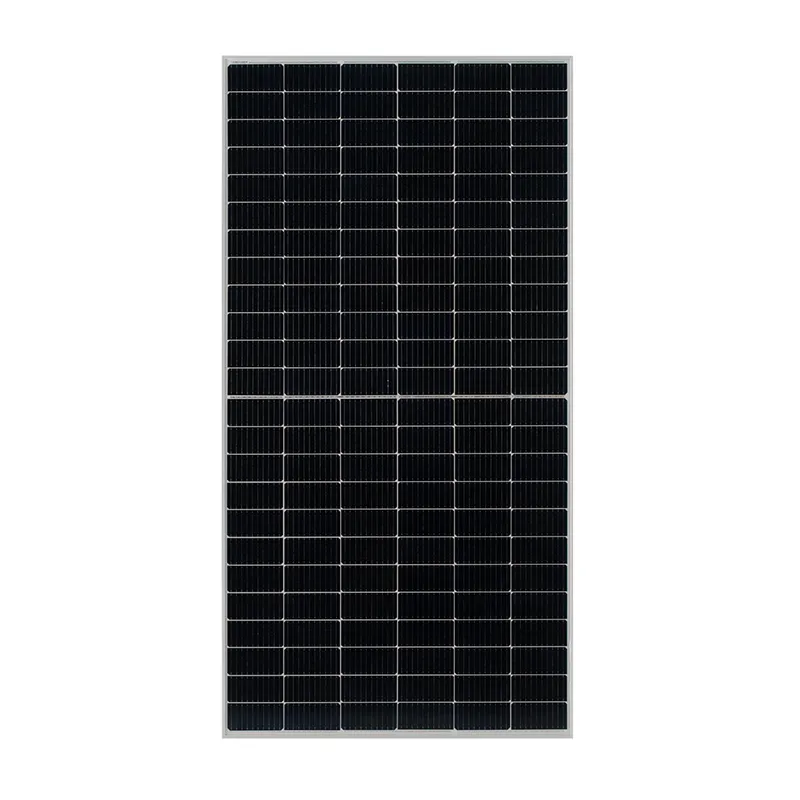
Simply put, solar panels sizes refer to the physical dimensions and power capacity of the photovoltaic modules. Most residential panels range from about 1.6 meters by 1 meter (~65 inches by 39 inches), and can produce anywhere from 250 to over 400 watts. Larger or modular panels can power entire farms or factories.
Prices vary — influenced by cell technology (monocrystalline vs polycrystalline), brand reputation, manufacturing scale, and even shipping logistics. Basically, size and price are interconnected; bigger panels cost more, but often save on overall cost per watt in larger installations.
This measly little device is now at the heart of humanitarian efforts, sustainable urban planning, and commercial energy management — a literal foundation for modern energy independence around the world.
Key Factors Influencing Solar Panels Sizes and Prices
1. Power Output and Efficiency
Higher wattage panels mean more energy, but often come with higher upfront prices. Efficient panels save space, which matters in urban settings.
2. Durability and Material Quality
Tougher panels stand up to harsh weather — hail, wind, salt air — but add to cost. Some manufacturers use tempered glass and advanced polymers to boost lifespan.
3. Scalability and Installation Flexibility
Smaller panels are easier to transport and install, but may require more wiring and labor, slightly inflating total system cost.
4. Brand and Market Availability
Big brands often command premium pricing due to trust and warranties; lesser-known vendors may offer bargains but with uncertain quality.
5. Technological Advances
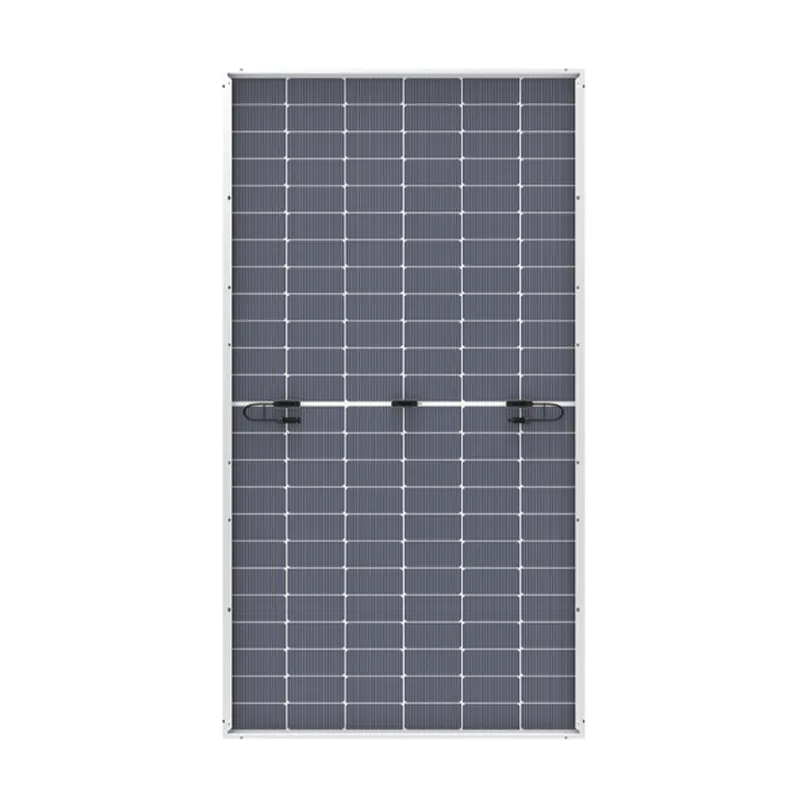
Innovations like bifacial panels or perovskite coatings promise better power density but at novel cost points — a trade-off many consider carefully.
6. Warranty and After-Sales Support
Good warranties (25 years is common) protect your investment and influence price as manufacturers build predicted maintenance costs into pricing.
Real-World Applications of Solar Panel Sizes and Prices
Consider a rural electrification program in sub-Saharan Africa, where compact, affordable 250-300 watt panels enable off-grid homes to have reliable lighting. Or a large solar farm in India using standardized 400W panels to feed industrial zones. Even humanitarian agencies deploying mobile disaster relief units depend on quick-to-install, mid-sized panels balancing cost and capability.
Architects designing green buildings rely on precision sizing to optimize rooftop space and meet LEED certifications. Industrial players factor in price when scaling multi-megawatt installations.
In short, understanding solar panels sizes and prices lets stakeholders—from architects to aid workers—choose options tailored for their unique needs and budgets.
Product Specification Table: Typical Residential Solar Panels
| Specification | Model A | Model B | Model C |
|---|---|---|---|
| Panel Size (L×W × H) | 1650×992×40 mm | 1700×1000×35 mm | 1580×808×40 mm |
| Power Output | 320 W | 370 W | 280 W |
| Efficiency | 19.5% | 21.2% | 17.8% |
| Weight | 18.5 kg | 20 kg | 15.8 kg |
| Warranty | 25 years | 25 years | 20 years |
| Average Price per Panel | $225 | $280 | $185 |
Comparing Top Vendors: Price, Warranty, and Tech
| Vendor | Price Range ($/Watt) | Warranty (Years) | Cell Type | Available Sizes |
|---|---|---|---|---|
| SunTech | $0.60–$0.85 | 25 | Monocrystalline | 300 W – 450 W |
| EcoVolt | $0.55–$0.75 | 20 | Polycrystalline | 250 W – 360 W |
| BrightFuture | $0.62–$0.90 | 25 | PERC Mono | 320 W – 400 W |
Advantages & Long-Term Value of Knowing Solar Panels Sizes and Prices
- Cost Efficiency: You avoid overpaying or buying underpowered panels, optimizing your return on investment.
- Sustainability: Appropriately sized panels mean less waste, longer lifespan, and fewer replacements.
- Social Impact: Affordable, well-sized panels empower off-grid communities and stimulate green job growth.
- Reliability & Trust: Clear pricing and sizing reduce confusion, increase adoption rates, and build confidence.
- Emotional Satisfaction: Knowing you got it right feels good — it’s like finally solving that tricky puzzle.
Emerging Trends and Innovations
Curiously enough, the solar industry is speeding towards integrated smart panels that self-monitor performance and predict maintenance needs, making size and price decisions more data-driven. Also, flexible thin-film panels are finding niche uses where weight and shape matter more than peak power.
Policy-wise, incentives such as feed-in tariffs and tax credits often depend on panel capacity, so sizing affects financial viability. Meanwhile, new materials like perovskites promise cheaper production, though we’re not quite there yet for mass rollout.
Challenges and Expert Solutions
One big hurdle? Price volatility due to supply chain hiccups and raw material cost swings (think silicon shortages). Also, improper sizing can lead to underperformance or overspending—both costly mistakes.
Experts recommend comprehensive site assessments, iterative design, and using software tools to simulate outputs before buying panels. In humanitarian contexts, modular kits that balance size and price for quick deployment have made a world of difference.
FAQs: Common Questions About Solar Panels Sizes and Prices
Q1: How do I determine the right solar panel size for my home?
A1: Start by assessing your daily electricity consumption (in kWh). Then consider available roof space and your budget. Typically, an average U.S. home requires 5 kW system capacity, often around 15-20 panels depending on wattage. Using solar calculators or consulting installers helps refine this based on location and shading.
Q2: Why do prices vary so much between different solar panel brands?
A2: Price differences come from panel efficiency, manufacturing quality, warranty coverage, and brand reputation. Premium brands may charge more but offer better long-term reliability and support. Cheaper options might save upfront but risk earlier failure or lower performance.
Q3: Are smaller solar panels less efficient or just less powerful?
A3: Smaller panels typically produce less power due to surface area but can be just as efficient if made with quality materials. Efficiency relates to how well sunlight converts to electricity, while size impacts total wattage.
Q4: Can solar panels still produce electricity on cloudy days?
A4: Yes, panels generate reduced power during cloudy weather due to diffused sunlight. Modern panels retain around 10-25% of typical output on cloudy days, which is better than many expect.
Q5: Is it better to buy solar panels now or wait for prices to drop further?
A5: While prices have dropped steadily, waiting can mean missing out on immediate energy savings and incentives that may expire. Prices are now quite competitive, so buying sooner often yields faster returns.
Conclusion: Harnessing the Power of Knowledge Around Solar Panels Sizes and Prices
Ultimately, understanding how solar panels sizes and prices interplay empowers smarter choices, whether you’re a homeowner, an NGO worker, or a business leader. It’s a surprisingly personal decision in the broad green energy narrative — one that shapes the outcomes on rooftops, rural communities, and entire power grids.
If you want to dive deeper or shop smart, check out our detailed guides on solar panels sizes and prices — because good solar decisions start with solid info.
References
-
Designing a Modern Home Roof Made Out of Solar Panels GuideNewsApr.16,2026
-
Guide to the Size of 150 Watt Solar Panel for Your ProjectNewsApr.09,2026
-
Understanding the Dimensions and Applications of a 200W Solar PanelNewsApr.07,2026
-
Understanding the Dimensions and Factors of a 330W Solar Panel SizeNewsApr.04,2026
-
Understanding the Size and Dimensions of a 4kW Solar Panel System for Your HomeNewsMar.31,2026
-
Comprehensive Guide to Sizing Your Solar System for Optimal Energy ProductionNewsMar.28,2026