Solar Panels Size for Home: A Complete Guide to Choosing and Optimizing Residential Solar Power
Understanding Solar Panels Size for Home: What You Need to Know
Solar panels have become a cornerstone of sustainable energy solutions worldwide. But when it comes to off-the-shelf or custom solar setups, solar panels size for home is a critical factor. It determines everything from energy output to installation feasibility. Getting a handle on this topic isn't just a matter of tech curiosity—it’s essential for cost savings, efficiency, and long-term sustainability. Whether you’re a homeowner, a developer, or just about anyone interested in green energy, knowing how the size of solar panels impacts your home’s power generation helps you make smarter decisions.
Global Context: Why Solar Panel Size Matters Today
The global push towards renewable energy is more urgent than ever—energized by governments, NGOs, and industry alike. According to the International Energy Agency (IEA), solar power is expected to contribute over 60% of new renewable capacity additions by 2026—a staggering growth fueled by improved tech and cost reductions. Still, a nagging challenge persists: optimizing the physical size of solar installations for homes worldwide. You see, not every roof can fit the same panel size or number; regional sunlight availability, space constraints, and household power needs all vary. In real terms, this means figuring out solar panels size for home is no trivial task but a critical one that unlocks the potential of clean energy.
Framing this globally, the United Nations estimates over 1 billion people currently live without reliable electricity. Tailoring solar panel sizes specifically to homes can help bridge this gap efficiently and sustainably—especially in off-grid or disaster-prone regions.1
Defining Solar Panels Size for Home
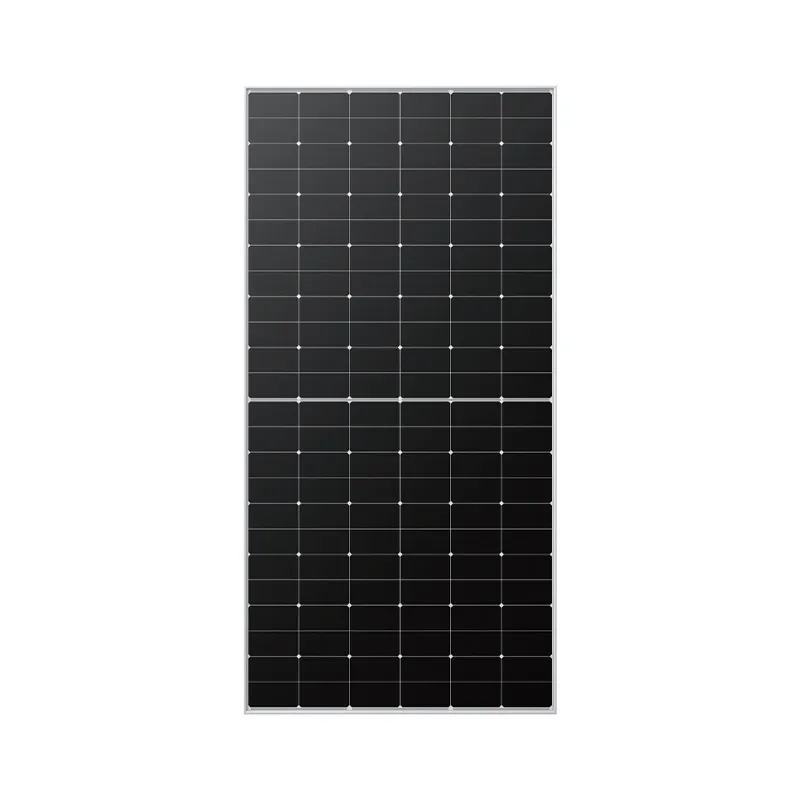
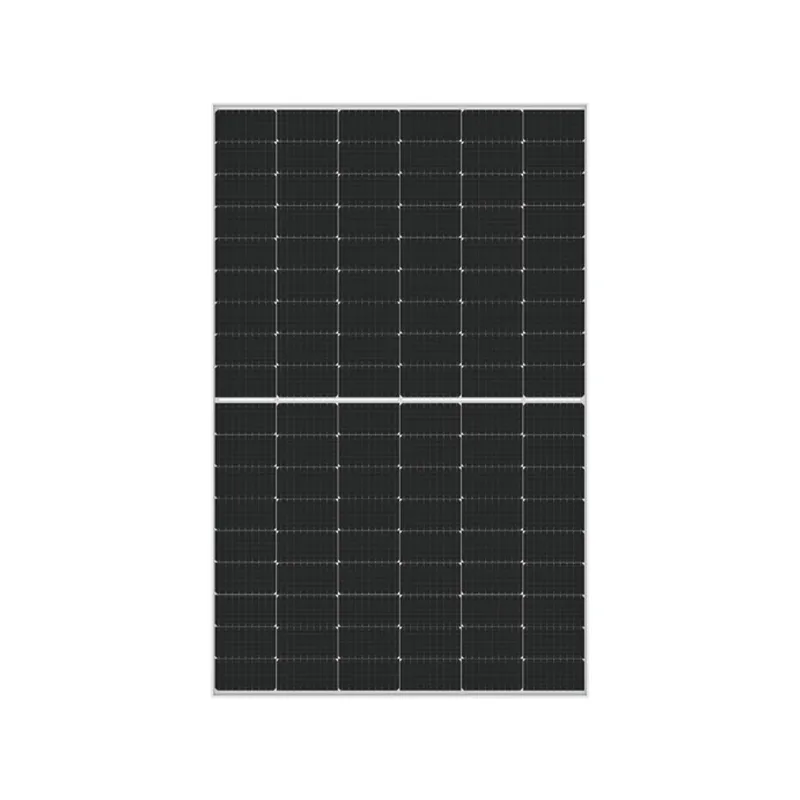
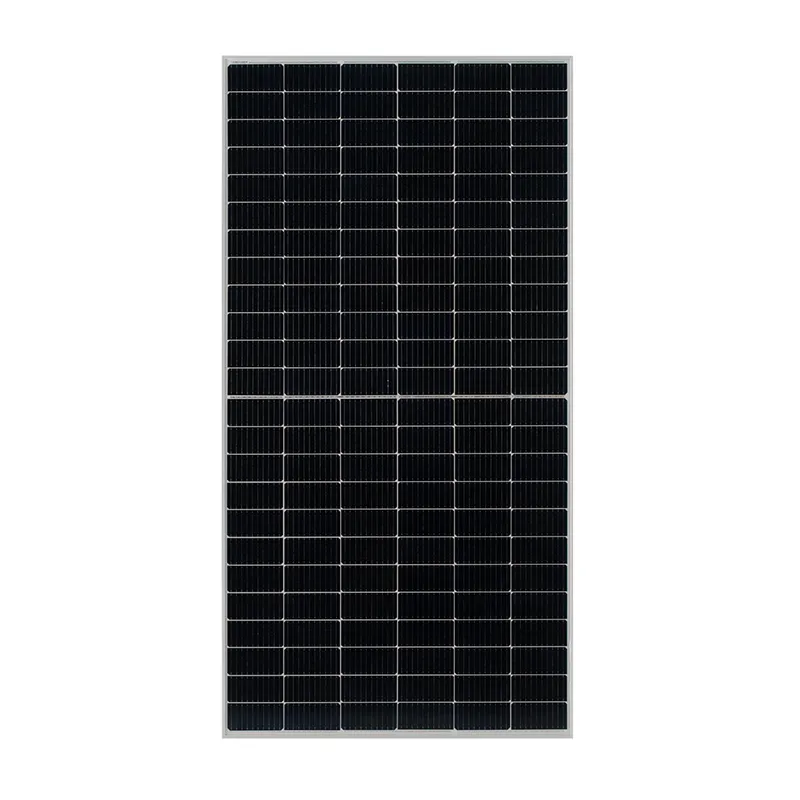
Simply put, “solar panels size for home” refers to the physical dimensions and total surface area of photovoltaic (PV) panels installed on residential properties. This includes the length, width, and sometimes thickness, plus the total panel count needed to meet a home’s energy demand.
The size directly impacts power output since larger panels can capture more sunlight; however, bigger isn’t always better. The goal is to tailor panel size and quantity to the homeowner’s energy needs, roof space, and budget.
Oddly enough, this sizing process lies at the intersection of engineering, environmental science, and even social needs. A humanitarian project might prioritize smaller, modular panels for quick deployment, while a suburban homeowner could opt for large panels maximizing energy independence.
Key Factors Influencing Solar Panels Size for Home
1. Energy Consumption Patterns
Your household's average daily electricity usage is the starting point. This sets how many kilowatt-hours you need to generate and, by extension, the number and size of panels.
2. Roof Space and Orientation
It’s straightforward but often overlooked: the available area largely limits panel size. South-facing roofs in the northern hemisphere typically get the most sun, affecting how many panels fit and function well.
3. Climatic Conditions
Sunlight hours, shading, and weather patterns impact which panel sizes make sense. For instance, in lower sunlight regions, larger panels might compensate for less intense solar radiation.
4. Cost Efficiency
The price per watt generated typically balances out across panel sizes. But system installation, maintenance, and replacement costs can vary with size, which is critical to long-term savings.
5. Durability and Material Quality
Panels come in various materials—monocrystalline, polycrystalline, thin-film designs. Each has different sizing norms and lifespans, so you want to pick a size that fits your expectations for reliability.
Mini Takeaway
Choosing the right solar panels size for home is a balancing act of consumption needs, rooftop space, climate, and cost-related concerns. Each factor nudges the decision in a slightly different direction.
Global Applications & Use Cases of Solar Panel Sizing
- Urban Residential Installations: In crowded cities like Tokyo or New York, homeowners maximize solar output with medium-sized high-efficiency panels to deal with limited roof space.
- Remote Rural Homes: In regions like Sub-Saharan Africa or parts of India, modular smaller panels supply essential power off-grid—useful in humanitarian aid and basic electrification projects.
- Disaster Relief Deployments: Portable solar arrays with adjustable panel sizes enable fast power restoration for temporary shelters.
- Industrial Edge Cases: In remote mining or agricultural sites, solar setups balance large-scale panel arrays for continuous, reliable power.
Advantages & Long-Term Value of Correct Solar Panel Sizing
Opting for the right solar panels size brings multiple benefits:
- Cost Savings: Avoid overspending on unnecessary panel area while harnessing optimized energy generation.
- Sustainability: Reduced carbon footprint through efficient energy use, contributing to climate change mitigation.2
- Energy Security: Smartly sized panels mean fewer interruptions and greater independence from grid fluctuations.
- Human Dignity & Safety: Reliable power at home offers better lighting, communication, and comfort.
Future Trends & Innovations
Exciting developments are reshaping solar panel sizing for homes:
- Bifacial Panels: Capture sunlight from both sides, allowing slimmer profiles and smaller footprint.
- Building-integrated Photovoltaics (BIPV): Panels embedded in roof tiles and windows—blurring the lines between architecture and energy generation.
- AI & Smart Management: Algorithms optimize panel size and positioning dynamically, factoring in weather and consumption data.
- New Materials: Perovskite cells could revolutionize efficiency and reduce panel sizes dramatically.
Challenges & Solutions
Of course, sizing solar panels for homes isn’t without hurdles:
- Space Constraints: Many homes just don’t have enough roof space. Solutions include ground mounts or community solar programs.
- Initial Investment: Some feel panel costs, especially larger or high-efficiency types, are prohibitive upfront. Leasing and financing options help.
- Weather Variability: Seasonal changes challenge optimal sizing. Hybrid systems combining battery storage can smooth out inconsistencies.
Product Specification Table: Popular Solar Panel Sizes for Homes
| Panel Model | Dimensions (mm) | Wattage | Efficiency (%) | Type |
|---|---|---|---|---|
| Renogy 320W | 1640 x 992 | 320W | 19.3% | Monocrystalline |
| LG NeON 2 360W | 1686 x 1016 | 360W | 21.1% | Monocrystalline |
| Canadian Solar 310W | 1755 x 1048 | 310W | 18.7% | Polycrystalline |
Vendor Comparison Table: Choosing Your Panel Supplier
| Vendor | Price Range | Warranty | Average Efficiency | Customer Rating |
|---|---|---|---|---|
| Renogy | $250 - $350 per panel | 25 years | 19% | 4.2/5 |
| LG Solar | $300 - $400 per panel | 25 years | 21% | 4.5/5 |
| Canadian Solar | $220 - $320 per panel | 20 years | 18.5% | 4.0/5 |
Frequently Asked Questions About Solar Panels Size for Home
- Q1: How do I determine the right solar panel size for my home?
- Start by assessing your average monthly electricity usage (kWh). Then, factor in your location’s solar irradiance and roof space. It can help to consult a solar installer who will perform a site analysis to recommend the most efficient panel size and configuration tailored to your needs.
- Q2: Can I install solar panels larger than recommended to future-proof my energy needs?
- While oversizing panels might seem like a good idea, it can lead to inefficiencies and higher upfront costs. Your inverter and roof space limit total capacity. Instead, consider a modular system that allows upgrades over time.
- Q3: Are smaller solar panels less efficient than larger ones?
- Panel efficiency depends more on technology and material quality than size alone. Sometimes smaller panels are more efficient if they use newer cells. It's best to evaluate performance specs rather than just dimensions.
- Q4: How does shading affect solar panel size and placement?
- Shading can drastically reduce output, necessitating adjustments in panel layout or use of microinverters to optimize each panel's performance. Larger panels won’t overcome shading issues, so careful sizing and positioning are crucial.
Conclusion: Investing in the Right Solar Panels Size for Home
In the end, picking the right solar panels size for home is about blending technical specs with your personal energy goals and physical realities. It’s a tightrope walk that balances future savings, environmental impact, and practicality. From bustling cities to remote villages, the right panel sizing is a quiet revolution powering our way forward.
If you’re considering solar solutions tailored to your home, or want to dive deeper into sizing and types, do check out our resources here. The future’s bright—let’s size it right.
Mini Reflection
Reflecting on all this, it's interesting to see how something as seemingly straightforward as "size" actually touches almost every layer of solar power adoption—from tech to society.
References
-
Designing a Modern Home Roof Made Out of Solar Panels GuideNewsApr.16,2026
-
Guide to the Size of 150 Watt Solar Panel for Your ProjectNewsApr.09,2026
-
Understanding the Dimensions and Applications of a 200W Solar PanelNewsApr.07,2026
-
Understanding the Dimensions and Factors of a 330W Solar Panel SizeNewsApr.04,2026
-
Understanding the Size and Dimensions of a 4kW Solar Panel System for Your HomeNewsMar.31,2026
-
Comprehensive Guide to Sizing Your Solar System for Optimal Energy ProductionNewsMar.28,2026