Solar Panels for Appliances: Powering Sustainability and Convenience Worldwide
Why Solar Panels for Appliances Matter — on a Global Scale
Solar panels for appliances might sound niche at a glance. But if you peel back the layers, you'll see these little powerhouses are quietly transforming energy access worldwide. From remote villages to urban homes, and even industrial zones, powering devices reliably with solar means reducing carbon footprints, slashing electricity costs, and boosting resilience against an unpredictable grid. According to the United Nations, solar energy is a cornerstone to limiting global warming — and when it’s tailored to appliances, it hits right at improving daily lives.
The appeal is simple: appliances—fridges, fans, lights—are basic to modern comfort, health, and productivity. Having solar panels designed especially to power these tools is not just a tech upgrade; it’s a global shift towards sustainability and independence.
The Big Picture: Understanding Solar Panels for Appliances
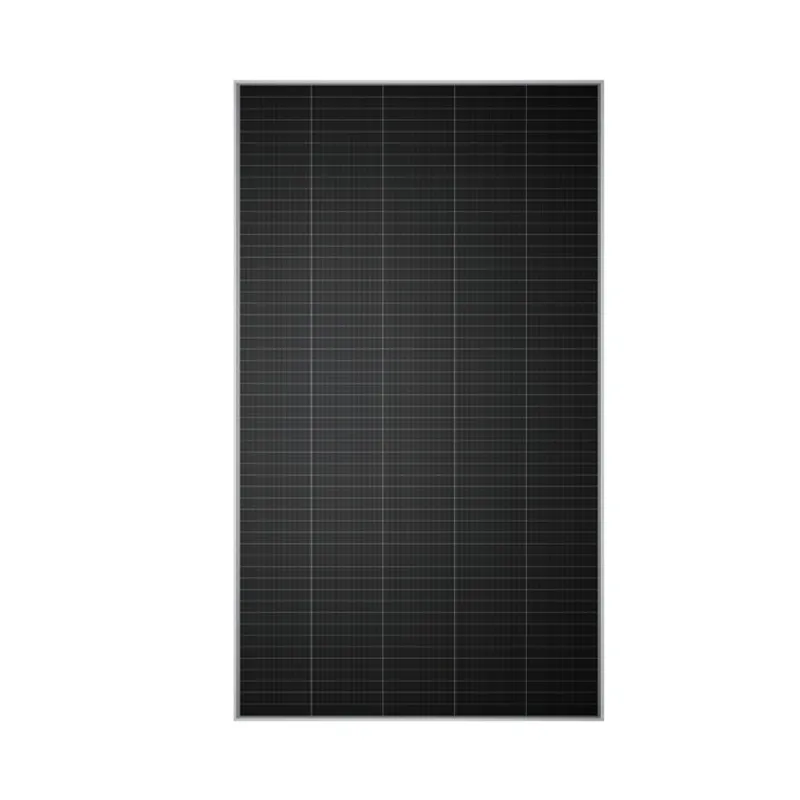
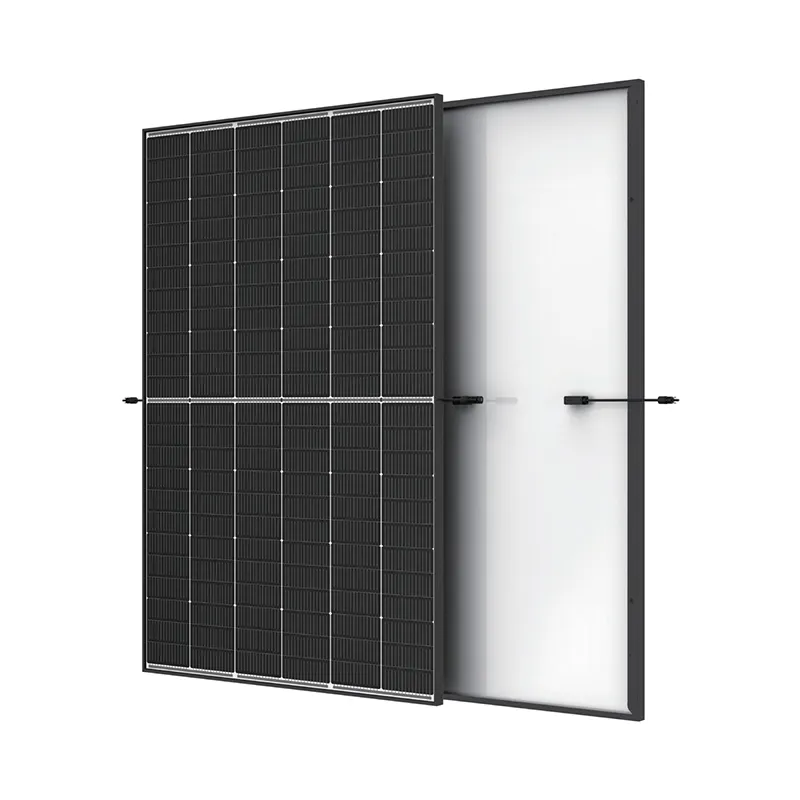
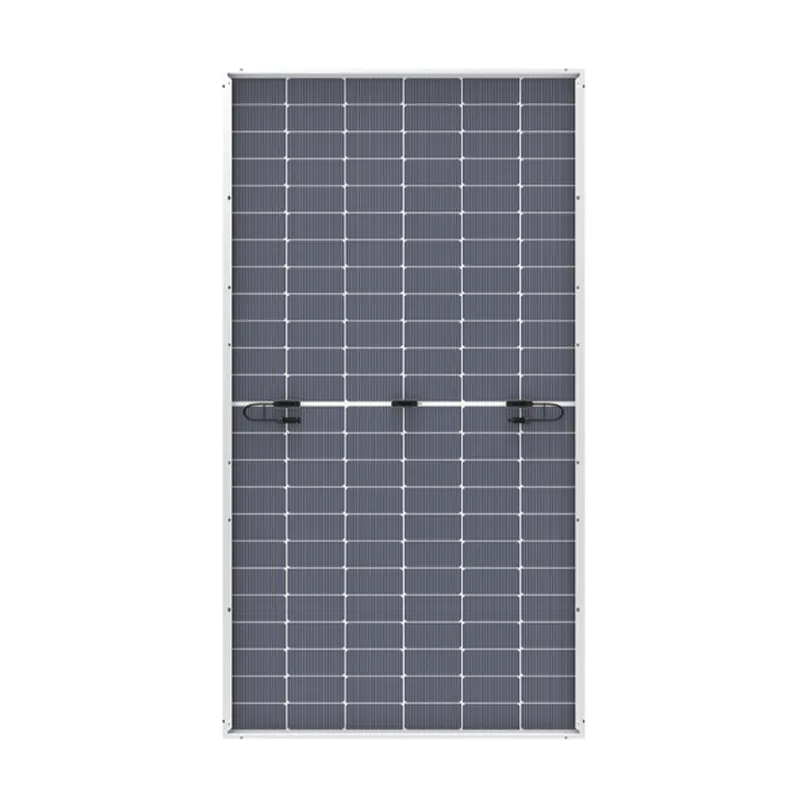
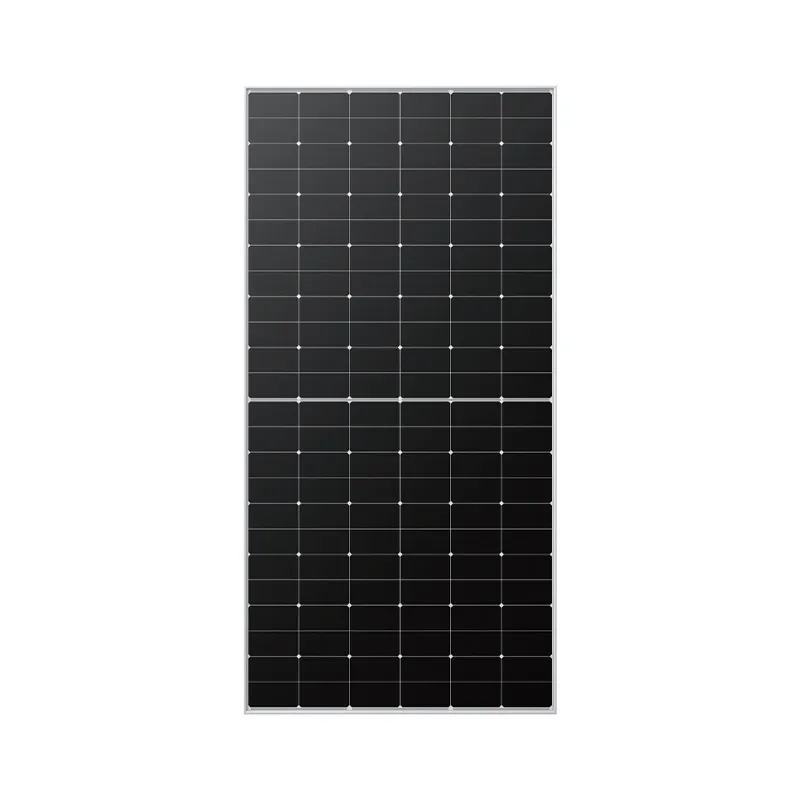
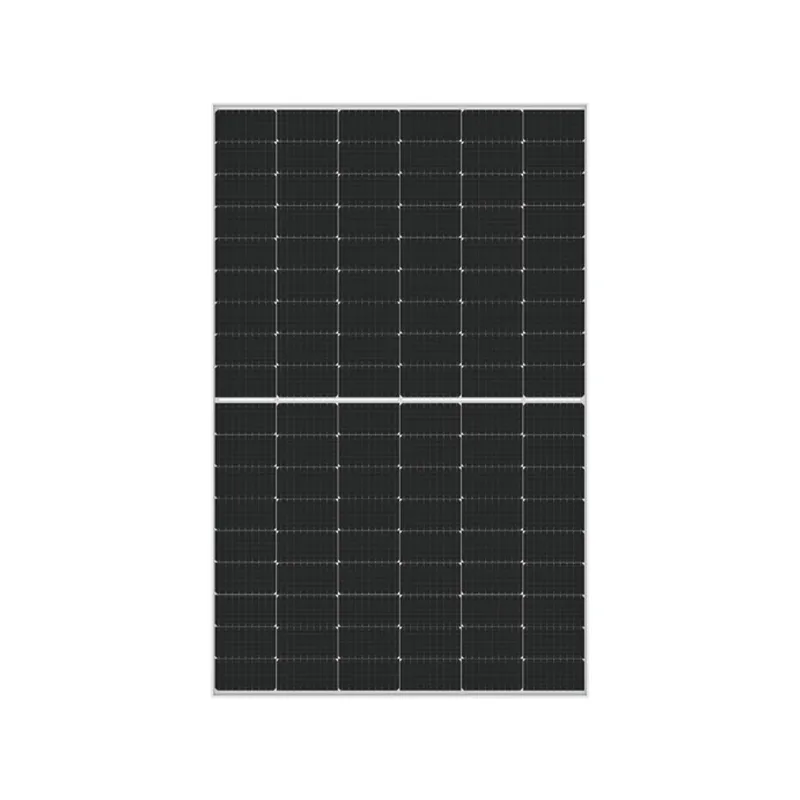
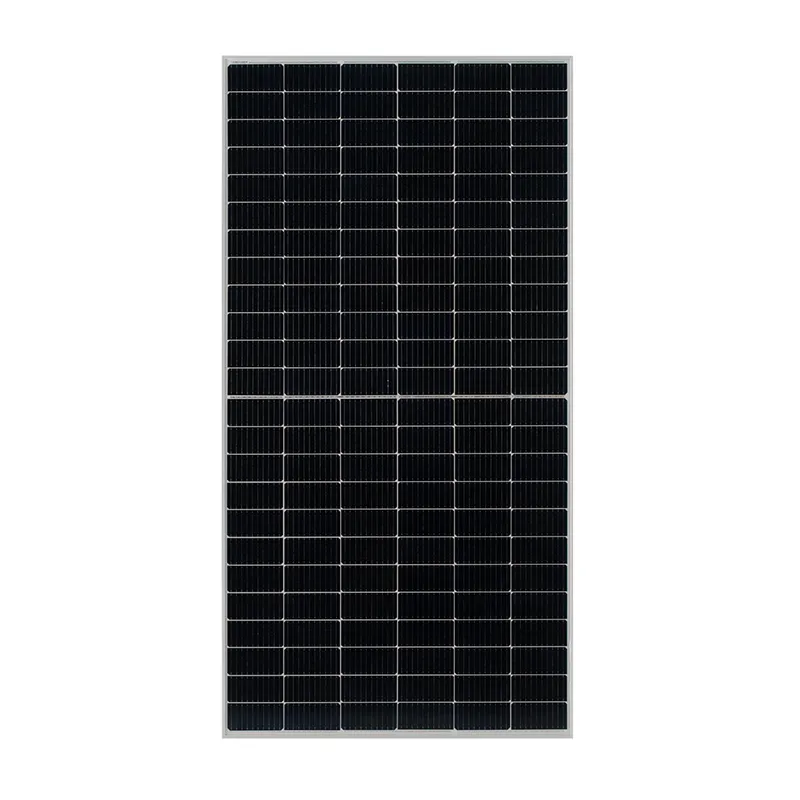
At its core, a solar panel for appliances is a photovoltaic (PV) device calibrated to generate enough electricity specifically for household or portable machines. Instead of a massive solar farm, think compact systems designed for refrigerators, water pumps, or even charge points for phones — devices that draw moderate but steady power.
Industries worldwide are recognizing this tailored approach as a key to decentralizing energy. The World Bank estimates that nearly 770 million people lack access to reliable electricity, many in places where grids are fragile or nonexistent — here, solar panels for appliances are lifesavers literally and figuratively.
Oddly enough, this segment bridges high-tech progress with humanitarian action. Solar panels supporting appliances enable hospitals to keep vaccines cold, farmers to irrigate sustainably, and families to light their homes without burning kerosene lamps.
Key Factors When Choosing Solar Panels for Appliances
Durability
Solar setups for appliances often face harsh conditions — extreme heat, heavy rains, dust, or salty air near coastlines. Choosing panels with robust frames, tempered glass, and corrosion-resistant back sheets makes a real difference. It’s not just about surviving a season; many engineers say these panels need to perform reliably for 20+ years.
Scalability
One advantage I’ve noticed: modular solar panel kits can grow with your needs. Start with enough power for essentials, then add more panels if you acquire new appliances. This flexibility is especially invaluable in areas where budgets and power demands evolve.
Cost Efficiency
Initial investments may seem hefty, but when you compare the lifetime savings—zero fuel costs, minimal maintenance—it quickly pays off. Plus, subsidies and green energy incentives have made solar for appliances more affordable globally.
Energy Storage
Let’s not forget batteries. Solar panels alone don’t guarantee round-the-clock power. Integrating quality lithium-ion or lead-acid batteries ensures that appliances run even in cloudy weather or at night. Battery tech improvements have been game changers here.
Compatibility & Installation
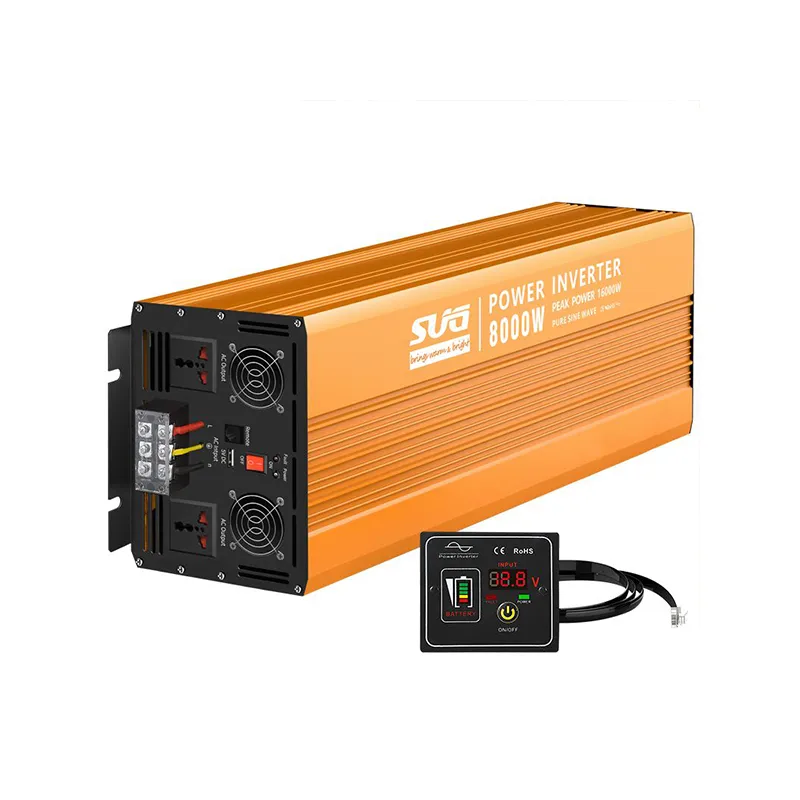
Each appliance has specific voltage and power requirements. Matching the solar panel output and inverter capacity exactly prevents damage and optimizes efficiency. Installation ease matters too — plug-and-play systems are becoming popular for quick deployment.
Real-World Use Cases: Solar Panels in Action
- Post-Disaster Relief: In hurricane-hit regions, solar panels for appliances quickly restore power for critical medical devices and communication gear, bypassing damaged grids.
- Remote Agricultural Communities: Farmers in Sub-Saharan Africa use solar-powered water pumps, reducing manual labor and improving crop yields.
- Off-Grid Homes and Cabins: For tiny homes or wilderness huts, solar panels provide dependable lighting, refrigeration, and heating support.
- Industrial Sites: Mining or drilling operations in isolated areas rely on solar plus batteries to power communications and safety equipment.
Even organizations like UNICEF have piloted solar-appliance kits in refugee camps, enhancing dignity and safety in tough conditions.
Advantages You Can Count On
Here comes the part where logic meets heart. Financially, the switch to solar reduces or eliminates monthly power bills. Environmentally, every appliance powered by solar cuts CO₂ emissions, which frankly feels good these days. Practically, solar-powered appliances boost safety — no dangerous fuels or unsteady grids.
On an emotional level, there’s a compelling dignity in knowing your family or workers have reliable light, refrigeration, or cooling. For NGOs and governments, it signals innovation and trust — investing in forward-looking solutions with sustainability built in.
Product Specification Table: A Typical Solar Panel System for Appliances
| Specification | Value |
|---|---|
| Panel Type | Monocrystalline Silicon |
| Power Output | 150W per panel |
| Dimensions | 780 x 540 x 30 mm |
| Weight | 9.5 kg |
| Operating Temp. | -40°C to +85°C |
| Efficiency | 20.5% |
| Warranty | 25 years power output guarantee |
Comparing Top Vendors for Solar Panels for Appliances
| Vendor | Panel Quality | Price Range | Battery Integration | Warranty |
|---|---|---|---|---|
| SolarTech Pro | High efficiency (20%) | $$$ | Lithium-ion | 25 years |
| EcoAppliance Power | Good (18.8%) | $$ | Lead-acid & Li-ion options | 20 years |
| SunnySource | Moderate (17.5%) | $ | Limited battery options | 10 years |
Future Trends Shaping Solar Panels for Appliances
The solar industry never rests. New materials like perovskite promise cheaper, more flexible panels that could power appliances on curved surfaces or portable gear. Automation is also stepping in — smart panels that communicate with home systems for optimized energy use.
Policies worldwide push for tougher energy efficiency standards too, meaning next-gen appliance-compatible solar panels will need to be both smarter and greener. Of course, battery advancements continue to accelerate, improving capacity and safety.
Common Challenges and How to Tackle Them
Solar panels for appliances aren’t a magic fix. You’ve got shading issues, initial cost hurdles, battery waste concerns, and grid compatibility questions. Experts recommend combining solar with hybrid systems or community energy storage to tackle intermittency. Plus, developing recycling paths for batteries and panels is critical as adoption grows.
Installation quality can’t be underestimated either. I’ve seen cases where panels underperfomed simply due to poor tilt angles or inadequate wiring. Skilled installers paired with quality products make all the difference.
FAQ: Your Questions About Solar Panels for Appliances Answered
1. Can solar panels fully power home appliances or just supplement energy?
Solar panels designed for appliances often provide full power for designated devices, especially smaller ones like LED lights, fans, and fridges. However, the system size matters — larger appliances or whole-home setups require bigger panels and battery banks. Typically, solar for appliances targets partial or complete off-grid usage depending on system specs.
2. How long do solar panels for appliances typically last?
Most quality panels come with warranties around 20 to 25 years, meaning they’ll produce at least 80% of rated output after two decades. Batteries have shorter lifespans (5-15 years), so expect to replace these more frequently. Proper maintenance can extend the system’s effective life.
3. What maintenance do solar panels for appliances need?
Solar panels essentially require cleaning a few times a year to remove dust and debris to keep peak efficiency. Batteries need more attention, like checking electrolyte levels in lead-acid types, or monitoring health in lithium-ion systems. Regular inspections ensure wiring and mounting hardware remain secure and safe.
4. Are solar panels for appliances cost-effective in cloudy or cold regions?
While sunlight intensity affects output, solar panels still generate significant power in diffuse or cold conditions, because solar cells can operate better in cooler temps. However, costs and system size may increase to compensate for reduced solar irradiance. Battery storage is critical in these locations.
5. How can I buy solar panels for appliances suited to my needs?
Consulting with manufacturers or installers who specialize in appliance-centric solar solutions is best. They’ll assess your appliances’ power draw, location conditions, and budget to craft tailored systems. Also, keep an eye on solar panels for appliances suppliers with good reputations and after-sales service.
Wrapping Up: Harnessing Solar Power, One Appliance at a Time
The promise of solar panels for appliances isn’t vague or distant — it’s happening now, across continents and communities. They represent not just energy independence but social progress: cleaner air, safer homes, and brighter futures. If you’re considering your own energy solution, it’s worth exploring these specialized solar options.
Ready to start? Visit our website: https://www.benjiusolar.com to find out how solar panels for appliances can empower your lifestyle or organization today.
References
-
Designing a Modern Home Roof Made Out of Solar Panels GuideNewsApr.16,2026
-
Guide to the Size of 150 Watt Solar Panel for Your ProjectNewsApr.09,2026
-
Understanding the Dimensions and Applications of a 200W Solar PanelNewsApr.07,2026
-
Understanding the Dimensions and Factors of a 330W Solar Panel SizeNewsApr.04,2026
-
Understanding the Size and Dimensions of a 4kW Solar Panel System for Your HomeNewsMar.31,2026
-
Comprehensive Guide to Sizing Your Solar System for Optimal Energy ProductionNewsMar.28,2026