Solar Panel Sheet Price: Key Factors, Trends, and Global Impact Explained
Understanding Solar Panel Sheet Price: What Drives the Cost and Why It Matters
Solar energy isn’t just a fad or the future—it’s very much the present. But if you’ve ever looked into going solar or worked in renewable industries, you know that the solar panel sheet price can wildly vary. This cost influences the feasibility of solar projects worldwide—from sprawling industrial arrays to off-grid humanitarian setups. Getting a handle on what shapes the price helps governments, businesses, and communities make smarter decisions that balance cost with efficiency and sustainability.
Global Context: Why Solar Panel Sheet Price Matters
According to the International Renewable Energy Agency (IRENA), solar costs have plummeted by about 85% in the last decade, making clean energy a serious contender globally. But even still, upfront costs—largely driven by the solar panel sheet price—remain a barrier, especially in developing regions and disaster recovery zones.
For example, the United Nations estimates that affordable solar technology could power up to 1 billion people suffering from energy poverty. Here’s where the cost of solar panel sheets shapes the global adoption curve: too high, and installations stall; reasonable prices, and clean energy blooms sustainably.
What Is Solar Panel Sheet Price?
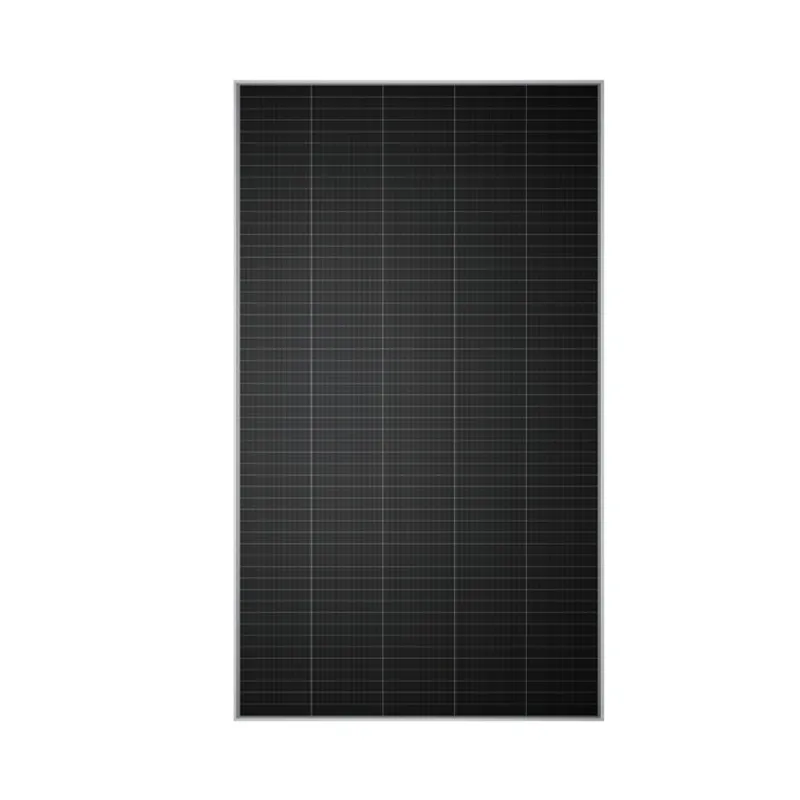
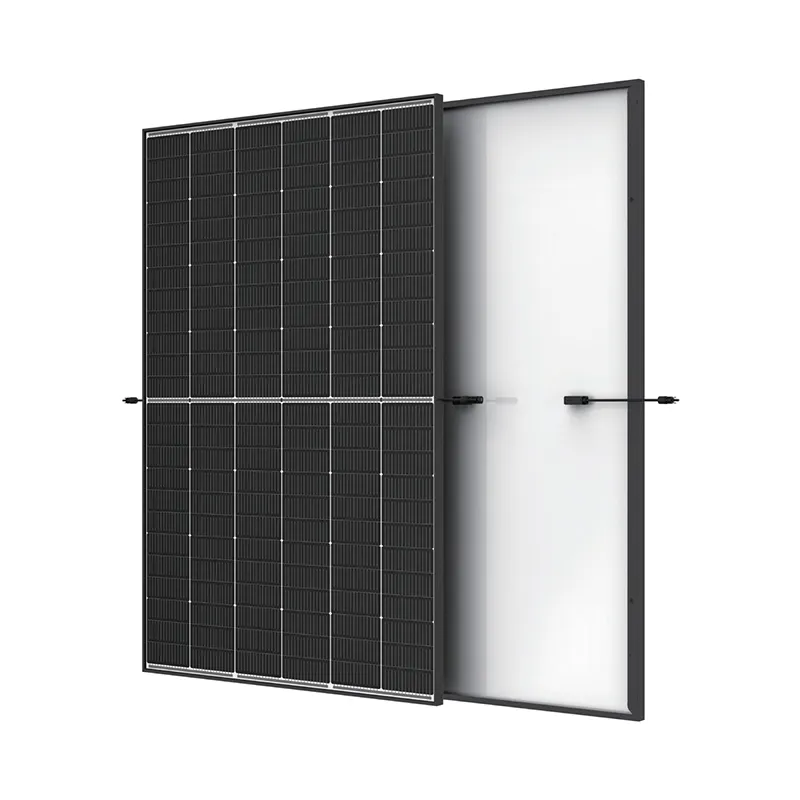
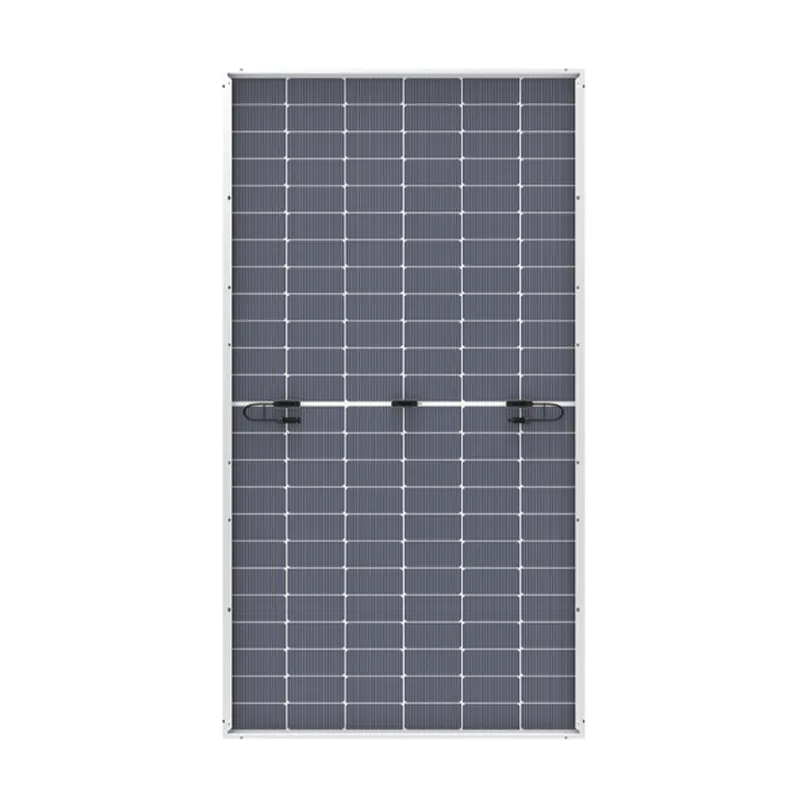
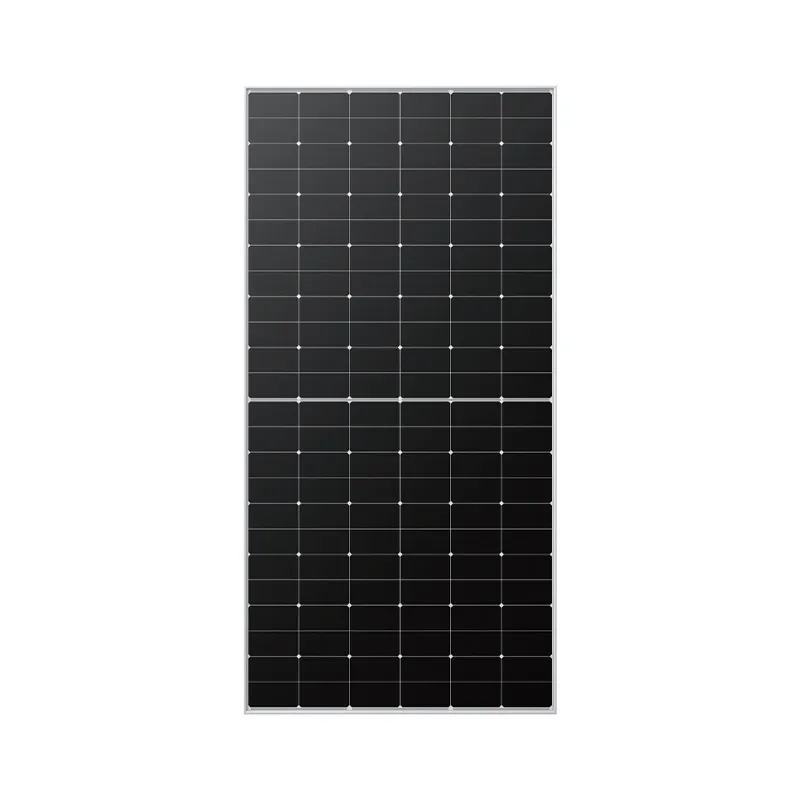
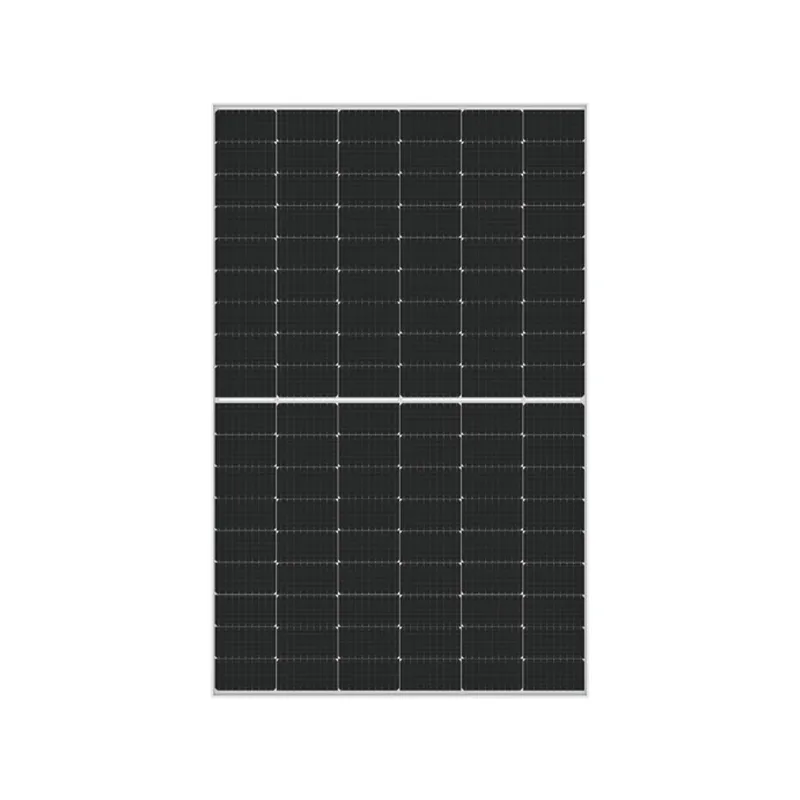
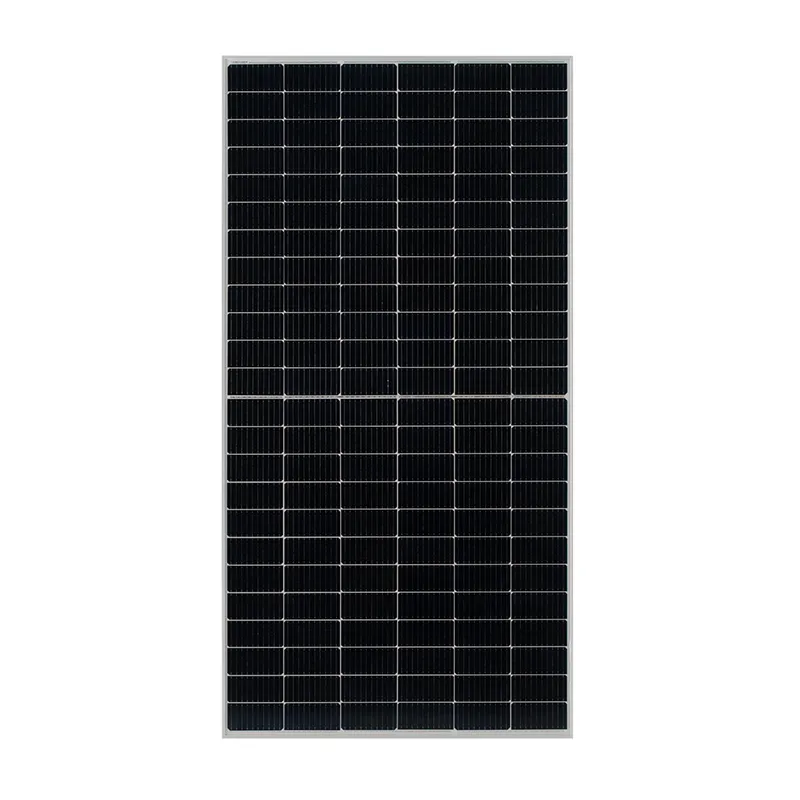
Simply put, the solar panel sheet price refers to the cost of the photovoltaic (PV) sheet components used to manufacture a solar panel. These sheets—commonly monocrystalline or polycrystalline silicon wafers—convert sunlight into electricity. The price captures raw material costs, manufacturing complexity, yield rates, and even market demand fluctuations.
This price tag impacts everything downstream: how much a solar farm costs, how affordable solar roofing becomes, and importantly, how viable solar-powered solutions can be in urgent humanitarian aid or remote industrial contexts.
Key Factors Influencing Solar Panel Sheet Price
1. Material Quality and Type
Monocrystalline sheets tend to be more efficient and therefore pricier than polycrystalline ones. Their purity level and silicon sourcing affect costs too—higher purity means better efficiency but a more expensive manufacturing process.
2. Manufacturing Technology
Advancements in wafer slicing and doping technologies, like diamond wire sawing or P-type to N-type conversions, can increase upfront sheet costs but improve performance and longevity, which is crucial for ROI calculations.
3. Supply Chain and Geopolitical Factors
Raw silicon supply disruptions, tariffs, and logistical bottlenecks can spike sheet prices globally. The COVID-19 pandemic showed us how fragile these supply chains can be.
4. Scale of Production
Bulk purchasing and mass production generally bring prices down, meaning smaller projects might pay a premium per sheet compared to utility-scale installations.
5. Durability and Testing Standards
Sheets tested against harsh weather, salt mist, or UV exposure might come at a higher price but enable longer, more reliable performance in challenging environments.
Mini Takeaway:
The solar panel sheet price isn’t just a number—it’s a complex reflection of technology, supply, and intended use. Understanding these factors can guide smarter investments and expectations.
Global Applications & Real-World Examples
- Industrial Solar Farms: Large-scale projects in China and India benefit from low sheet prices due to massive volume manufacturing.
- Disaster Relief: NGOs deploying solar units in hurricane-hit Caribbean islands rely on reasonably priced but highly durable sheets.
- Remote Mining Operations: Australian mining companies use solar sheets to power remote equipment, reducing diesel dependence and costs.
- Residential Solar Panels: Homeowners in Europe increasingly choose mid-range priced solar sheets balancing performance and appearance.
Oddly enough, the same solar sheet type can command different prices depending on where and how it’s used.
Advantages & Long-Term Value
Low solar panel sheet prices mean:
- Cost Savings: Reduced upfront investment spurs faster project payback times.
- Sustainability: Cheaper panels create more adoption, lowering carbon footprints worldwide.
- Social Impact: Affordable solar power uplifts energy-poor regions, improving health and education outcomes.
- Reliability: Modern sheets offer decades of stable electricity generation with minimal maintenance.
There’s an emotional dimension too: communities gain dignity and independence through clean electricity—no longer at the mercy of unreliable grids or expensive fuels.
Technological Trends Shaping Future Solar Panel Sheet Prices
Exciting innovations could further shift costs:
- Perovskite Solar Sheets: Potentially cheaper and more efficient than silicon, still under R&D but promising.
- Recycling & Circular Economy: Recovering materials from old panels to reduce raw material costs.
- Automation: AI-driven manufacturing reduces labor costs and defects.
- Policy Incentives: Subsidies and carbon pricing influence sheet prices indirectly.
Current Challenges & Emerging Solutions
Challenges are still real:
- Price volatility due to geopolitical tensions disrupting silicon supply.
- Balancing cost with durability, especially for harsh environments.
- Import tariffs impacting affordability in some countries.
Experts suggest diversified sourcing, local manufacturing, and smarter supply chains can ease these pains. Some innovators explore modular sheets customized for specific climates and applications — adding upfront cost but enhancing system longevity.
Product Specification Snapshot
| Specification | Monocrystalline Sheet | Polycrystalline Sheet |
|---|---|---|
| Efficiency | 20–22% | 15–17% |
| Typical Price per Sheet | $25–$35 | $15–$25 |
| Lifespan | 25+ years | 20+ years |
| Common Usage | Residential, Commercial | Mass utility-scale farms |
Solar Panel Sheet Vendors: A Quick Comparison
| Vendor | Price Range (per sheet) | Warranty | Production Capacity | Certifications |
|---|---|---|---|---|
| Benjiu Solar | $18–$30 | 25 years | 2 GW/year | ISO 9001, IEC |
| Global Solar Co. | $20–$35 | 20 years | 1.5 GW/year | UL, IEC |
| SunTech Panels | $22–$33 | 25 years | 2.2 GW/year | ISO, CE |
FAQ: Your Top Questions About Solar Panel Sheet Price
- Q: How does solar panel sheet price impact the overall cost of a solar installation?
- A: The sheets are a core component, often accounting for 30-40% of panel costs. Changes in sheet price ripple through project budgets, influencing system size, payback period, and financing options.
- Q: Are cheaper solar panel sheets less reliable or durable?
- A: Not necessarily. Lower cost sheets often have slightly reduced efficiency or shorter warranties but can still be reliable if properly certified. It’s about matching quality with application.
- Q: Can NGOs purchase solar panel sheets directly for humanitarian projects?
- A: Many vendors, including Benjiu Solar, offer bulk sales and support international shipping, making procurement for NGOs feasible but worth planning in advance for customs and logistics.
- Q: What trends should I watch for that could lower solar panel sheet prices soon?
- A: Keep an eye on emerging perovskite technology, increased automation in manufacturing, and recycled silicon usage, all poised to cut costs in the next 5-10 years.
- Q: Does the solar panel sheet price vary much between countries?
- A: Yes, prices fluctuate based on tariffs, transport costs, and local demand. Bulk importers or domestic manufacturers sometimes reduce costs for large-scale users.
Conclusion: Why Understanding Solar Panel Sheet Price Makes a Difference
At the end of the day, knowing what shapes the solar panel sheet price empowers smarter decision-making, whether you’re planning a utility-scale farm, a remote off-grid system, or supporting sustainable development efforts across the globe. It bridges the gap between innovation and affordability, pushing clean energy from concept to reality.
For reliable pricing, technical specifications, and supplier options, check out Benjiu Solar’s portfolio. They blend quality with fair pricing, taking much of the guesswork—and risk—out of your solar investments.
Feel free to dig in and power your project with confidence—because clean energy shouldn’t be complicated.
Quick reflection: While solar panel sheet prices have dropped impressively, ongoing supply chain agility and tech innovation remain key to expanding access. As the solar landscape evolves, so too must our understanding of its cost drivers and benefits.
References
-
Designing a Modern Home Roof Made Out of Solar Panels GuideNewsApr.16,2026
-
Guide to the Size of 150 Watt Solar Panel for Your ProjectNewsApr.09,2026
-
Understanding the Dimensions and Applications of a 200W Solar PanelNewsApr.07,2026
-
Understanding the Dimensions and Factors of a 330W Solar Panel SizeNewsApr.04,2026
-
Understanding the Size and Dimensions of a 4kW Solar Panel System for Your HomeNewsMar.31,2026
-
Comprehensive Guide to Sizing Your Solar System for Optimal Energy ProductionNewsMar.28,2026