Solar Panel Orientation Efficiency: Maximizing Industrial Solar Output
Optimizing Solar Panel Orientation Efficiency: What Every Industrial Pro Should Know
After spending well over a decade in the industrial equipment scene, I've come to appreciate the subtle but impactful nuances that decide whether a solar installation not only works—but thrives. And frankly, one factor that’s consistently under-discussed outside the engineering circles is solar panel orientation efficiency. It’s not just about plopping down some panels and hoping for the best.
Oddly enough, where and how your panels face dramatically shifts your system’s yield. Many engineers say getting the tilt and azimuth right isn’t rocket science—but the payoff? Enormous. In real terms, a panel oriented optimally can produce 10-25% more energy annually compared to a poorly aligned one.
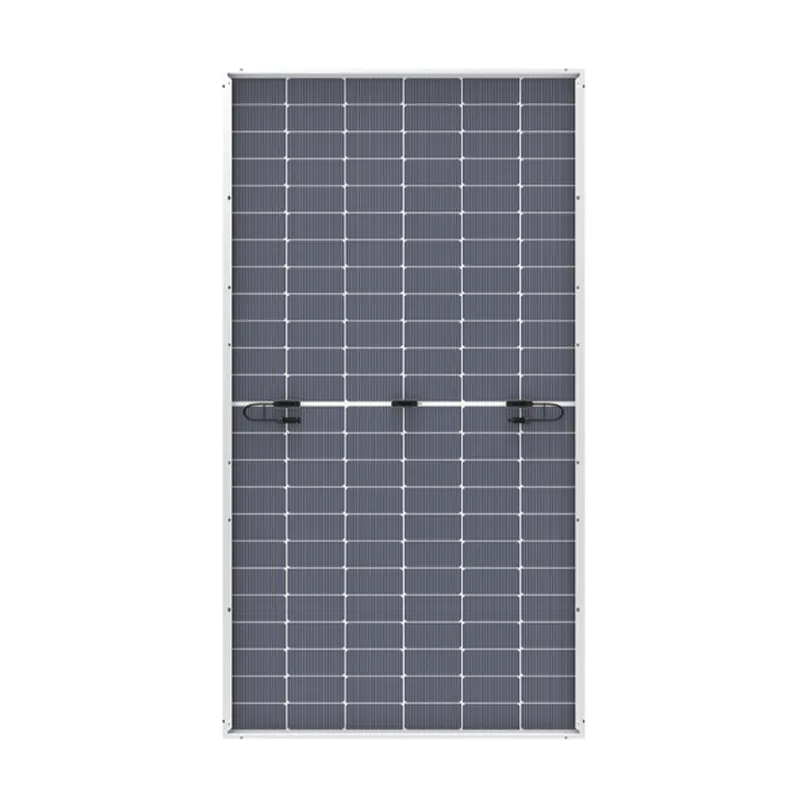
Typically, in the Northern Hemisphere, true south-facing panels tend to get the most sun. But, the industry is evolving—with bifacial panels and tracking systems changing the old game. Tracking units adjust the panel position throughout the day, wringing more juice out of the same sunlight, albeit with increased upfront cost and maintenance. For fixed mounts, tilt angle calculations usually lean on latitude, seasonal sunlight angles, and site-specific shading analysis.
From experience, one tricky aspect is local weather patterns. Clouds, dust, and air pollution often mess with theoretical models. I've seen solar farms in dusty regions losing efficiency despite perfect orientation—where regular cleaning schedules and anti-soiling coatings actually tipped the scales.
Now, not all panels are created equal, and orientation strategy sometimes needs to be tailored with the product specs in mind. For example, thin-film panels handle diffuse light differently than crystalline silicon panels, which might influence the ideal tilt. And then there’s temperature coefficients—panels that perform better under heat may behave differently according to angle that affects heat dissipation.
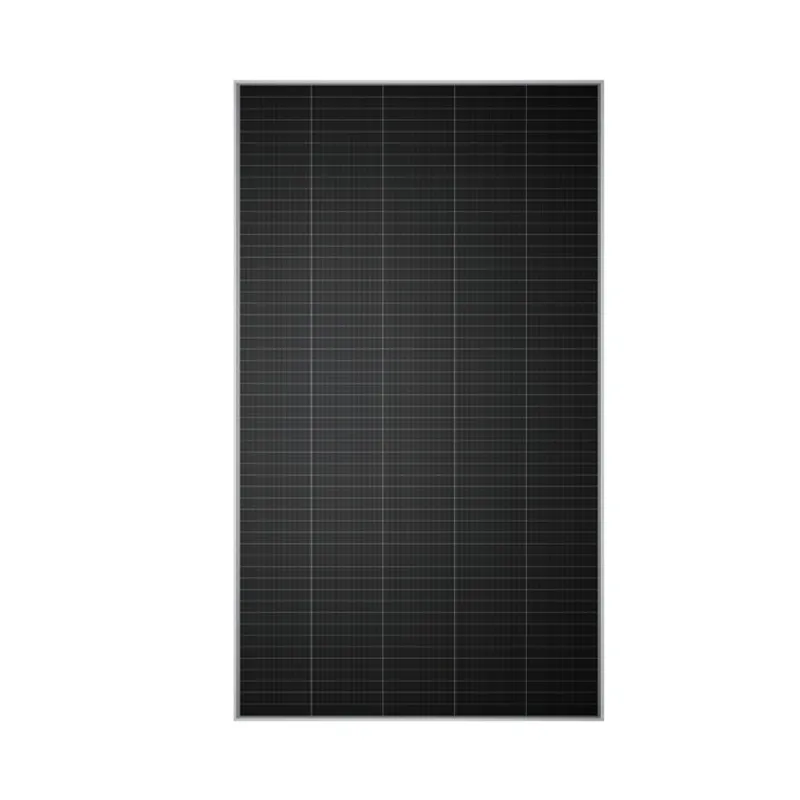
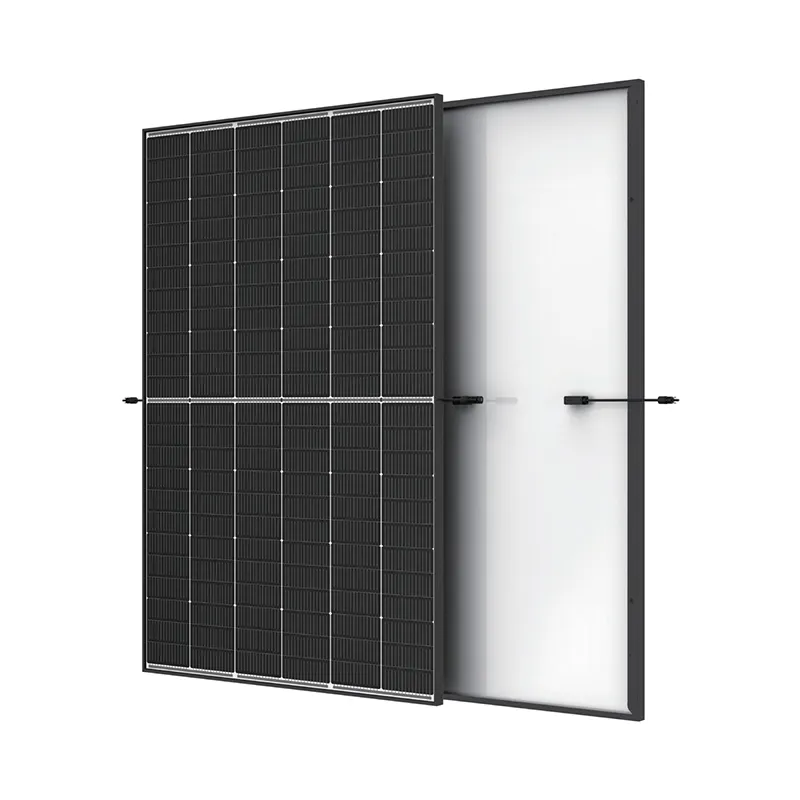
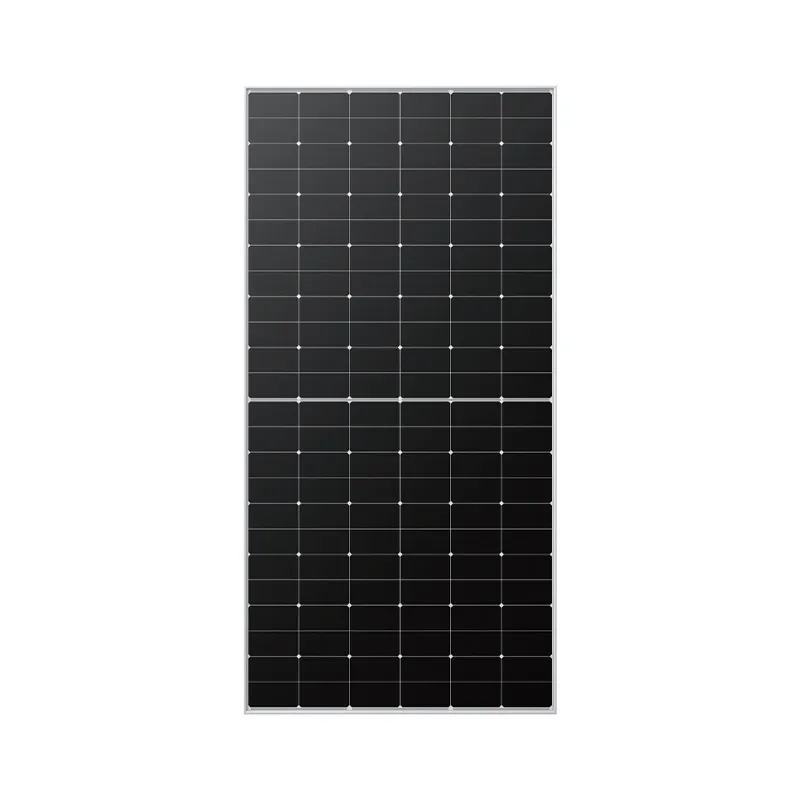
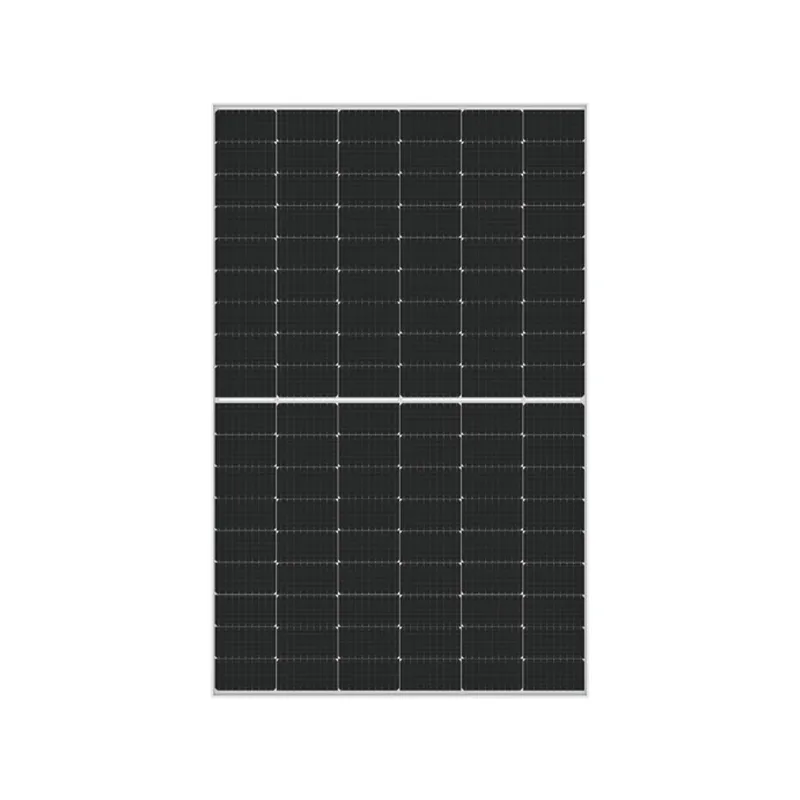
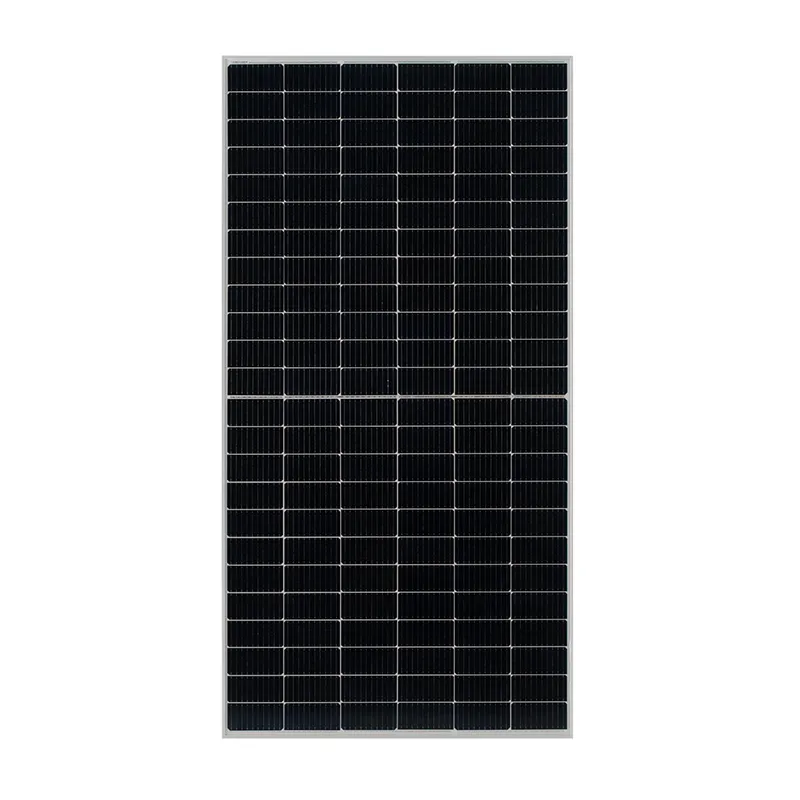
Here's a quick rundown of typical product specs from a trusted industrial-grade panel to give you a clearer picture:
| Feature | Specification |
|---|---|
| Panel Type | Monocrystalline Silicon |
| Efficiency | 21–22% |
| Power Output | 330 Wp |
| Temperature Coefficient | -0.38% / °C |
| Mounting Type | Fixed Tilt / Single Axis Tracking |
Having worked alongside various suppliers, I really started noticing how vendors differ—not just in product quality but in their approach to orientation advice and system design. For a quick glance, here’s how three popular vendors stack up from my perspective:
| Vendor | Orientation Support | Product Range | Warranty | Cost |
|---|---|---|---|---|
| Benjiu Solar | Comprehensive consulting + custom system design | Wide, including bifacial & trackers | 25 years performance + 12 years product | Competitive mid-range |
| SolarMax Co. | Standard orientation guides | Mostly fixed panels | 20 years performance | Budget-friendly |
| EcoVolt Systems | Onsite audits and proprietary software | High-efficiency panels and trackers | 25 years performance | Premium priced |
One particular project sticks out—installing a solar set-up for a large agricultural operation. The client was skeptical about investing in trackers due to cost. But after we modeled projected gains with adjusted panel orientations and single-axis trackers, the increase in output convinced them. It felt more than just the numbers; seeing their immediate reduction in energy bills was rewarding.
In short, if you’re involved in planning or maintaining solar installations, don’t underestimate orientation efficiency. It’s a straightforward lever for improving returns if you have the right data and product advice. And if you want to dive deeper, I recommend checking out Benjiu Solar’s resources —they blend solid tech with practical, hands-on wisdom.
At the end of the day, it's one of those details that, if done right, quietly powers your entire system's success.
References:
1. National Renewable Energy Laboratory (NREL), PV Performance Modeling
2. Solar Energy Industries Association (SEIA), Best Practices for Panel Installation
3. Benjiu Solar Company Data and Product Specs
-
Designing a Modern Home Roof Made Out of Solar Panels GuideNewsApr.16,2026
-
Guide to the Size of 150 Watt Solar Panel for Your ProjectNewsApr.09,2026
-
Understanding the Dimensions and Applications of a 200W Solar PanelNewsApr.07,2026
-
Understanding the Dimensions and Factors of a 330W Solar Panel SizeNewsApr.04,2026
-
Understanding the Size and Dimensions of a 4kW Solar Panel System for Your HomeNewsMar.31,2026
-
Comprehensive Guide to Sizing Your Solar System for Optimal Energy ProductionNewsMar.28,2026