Solar Panel Improvements Over Time – Insights From Industry Experts
Solar Panel Improvements Over Time: A Veteran’s Perspective
Having spent well over a decade in the industrial equipment sector, particularly around renewable energy sources, I can tell you one thing: solar panels have come a heck of a long way from where they started. It’s funny, when I first got involved, these panels were almost clunky, fragile things, and frankly, pretty costly for what they offered. But innovations—both small and grand—have changed the game entirely.
Now, I’ve seen panels that feel like they could survive a hailstorm the size of golf balls (and yes, I’ve witnessed a few storms), with efficiency rates steadily climbing. Efficiency might sound like just a number, but in real terms, it translates to more power from the same patch of roof or field—something industrial users really value.
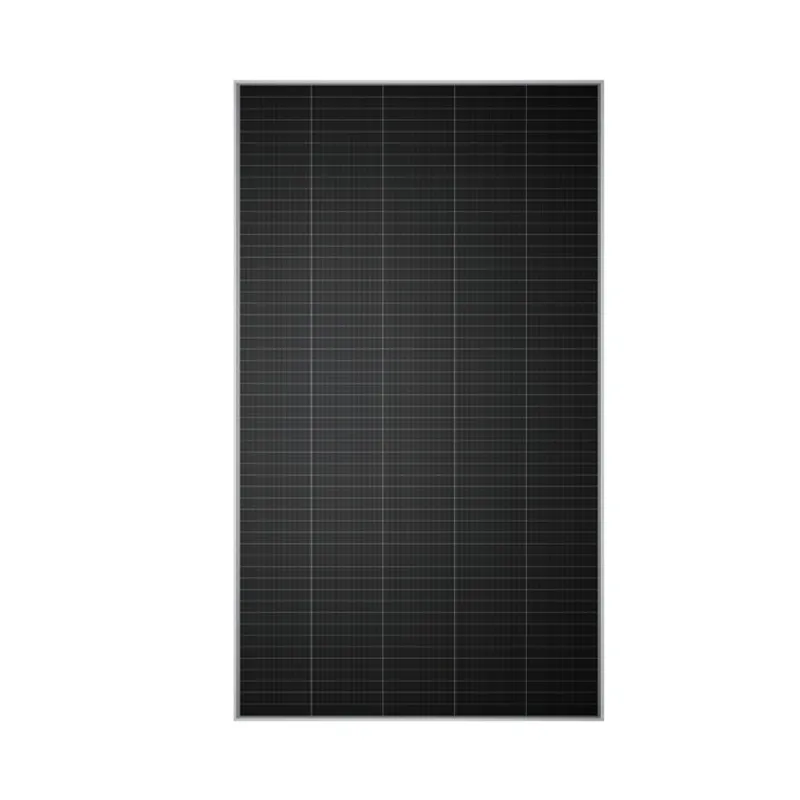
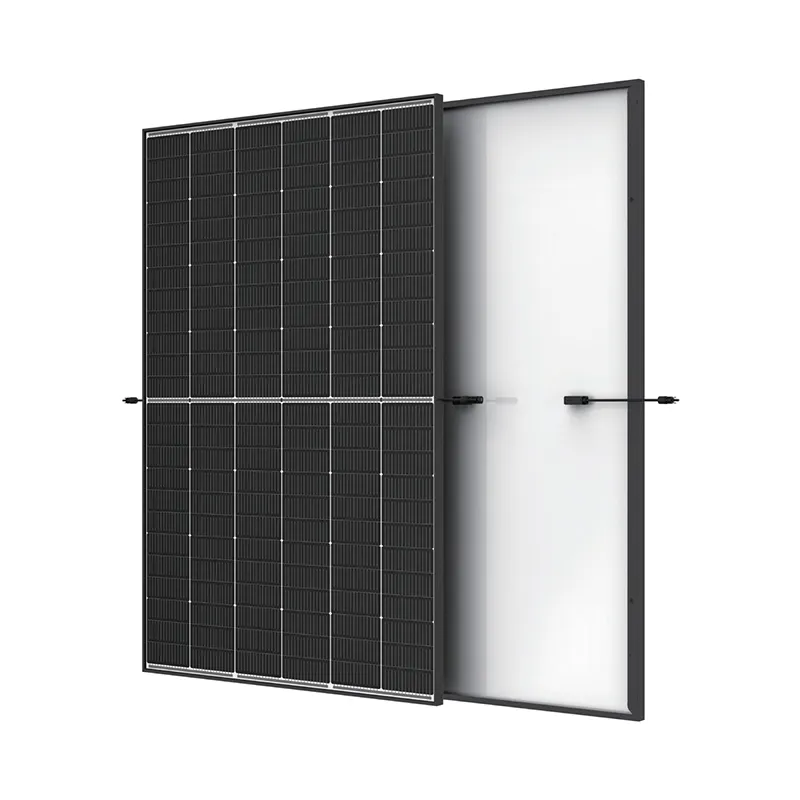
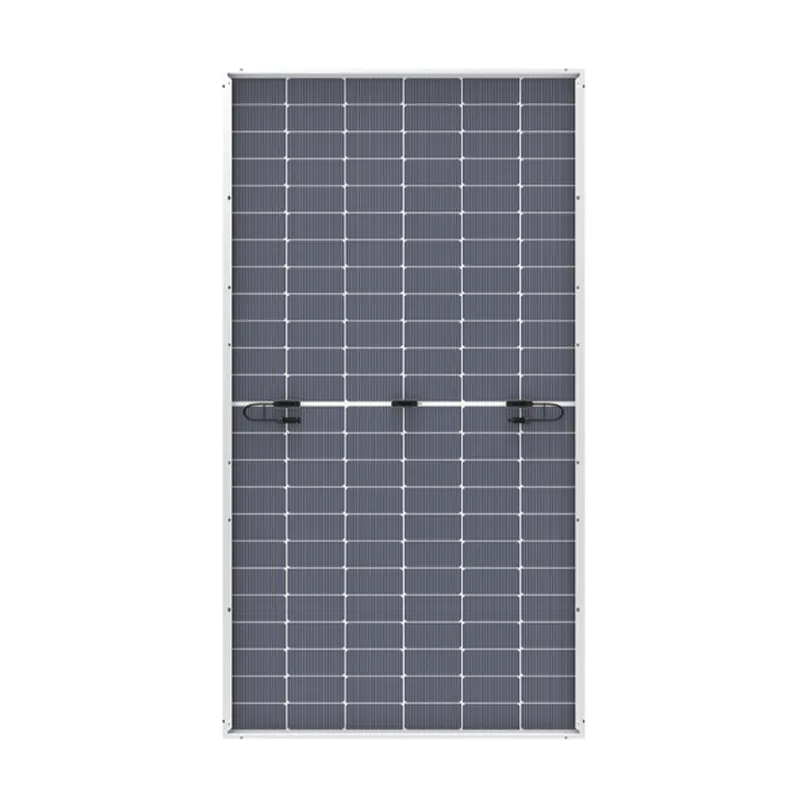
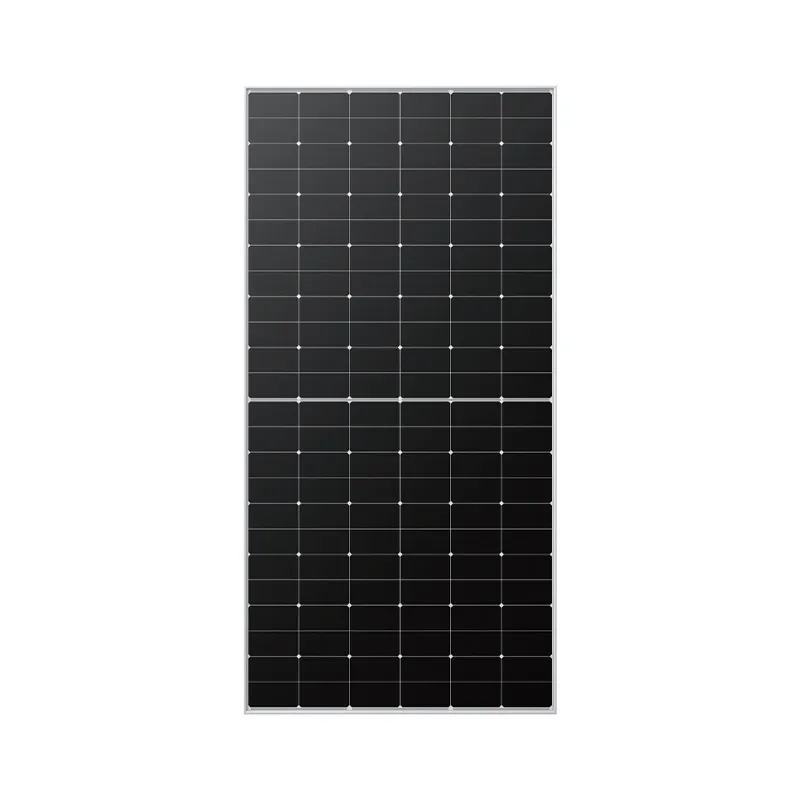
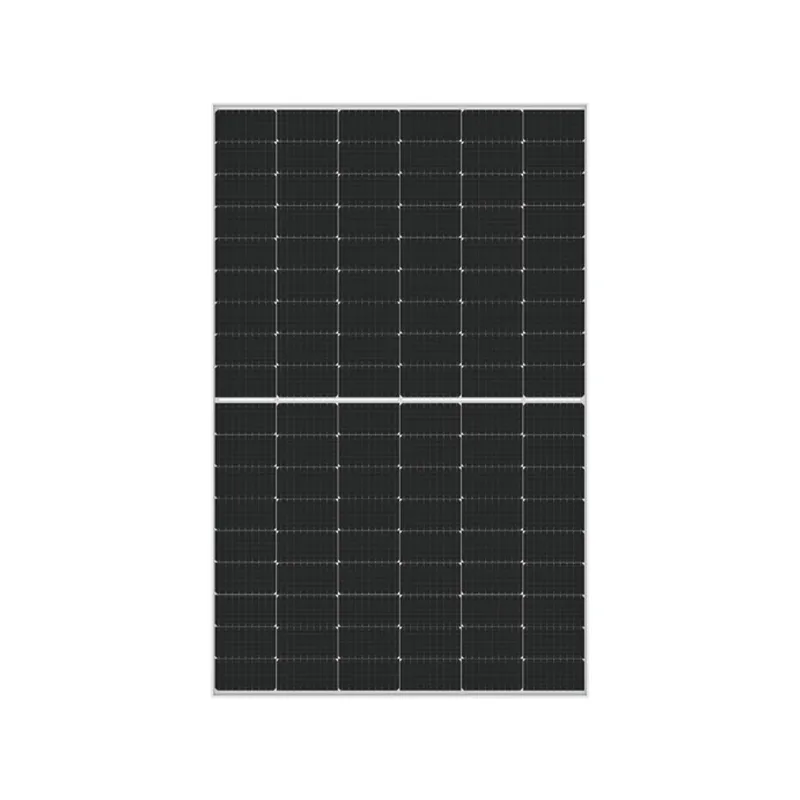
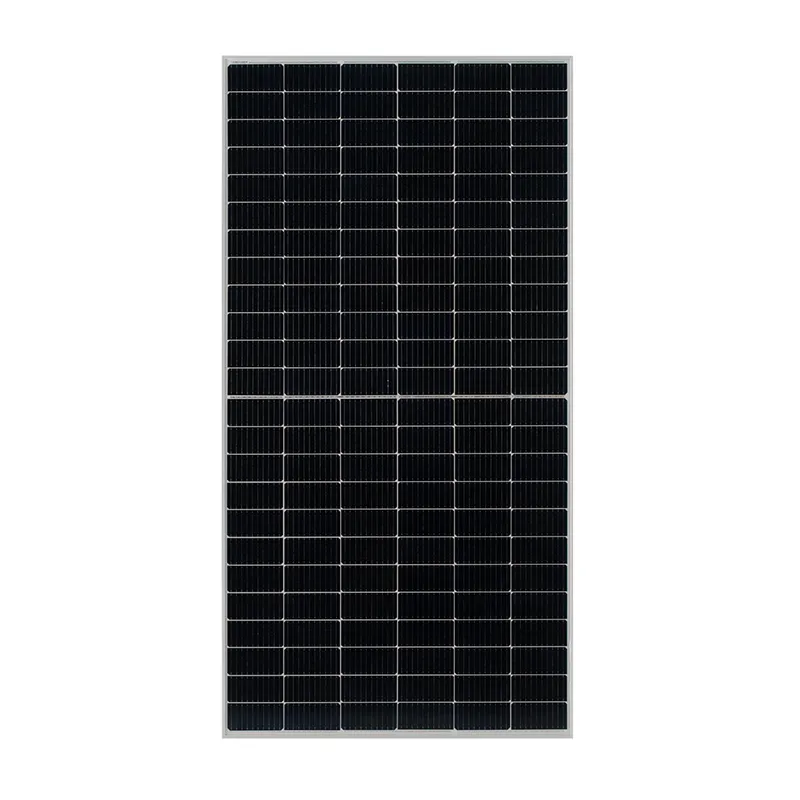
Solar panel improvements have touched nearly every aspect of their design and manufacturing process. First up: the materials. Earlier panels mostly relied on standard monocrystalline or polycrystalline silicon. Today, manufacturers use refined silicon wafers and sometimes incorporate bifacial designs, capturing light from both sides—a neat trick I hadn’t seen when I started.
Another notable upgrade is the durability of the panels themselves. Tempered glass has become standard; not just any glass but ones treated for anti-reflective properties and increased impact resistance. That means less cleaning and more energy absorption. I recall a facility in Arizona where the panels went years without a single failure, despite the punishing heat and dust. That’s not luck—it’s engineering.
Manufacturers now run rigorous testing for thermal cycling and humidity, so the panels won’t prematurely degrade just because of long-term exposure. Many engineers say it’s one of the biggest leaps forward—ensuring a lifespan that comfortably hits 25 years or more, which is essential for ROI calculations.
On the installation side, customizability is better than ever. We’re not just talking about size or shape; companies are molding panels to fit curved surfaces—think glass buildings or the roofs of industrial vehicles. It’s odd how this customization breaks the old “one-size-fits-all” model, making solar accessible for more niche applications.
Just the other month, a client mentioned how upgrades in panel efficiency and integration options helped reduce their energy costs by over 30%. It’s always satisfying to see the impact in the real world—beyond just specs on a datasheet.
| Model | Efficiency | Power Output (Watts) | Warranty (Years) | Dimensions (mm) |
|---|---|---|---|---|
| BS-Mono550 | 22.5% | 550 | 25 | 2100 x 1048 |
| BS-Bifacial450 | 20.8% | 450 (+rear gain) | 25 | 1750 x 1030 |
| BS-Flex320 | 18.5% | 320 | 10 | Flexible Sheet |
Choosing the right vendor is another piece of the puzzle. Industrial clients nowadays are not just looking at specs; they want solid supply chains and responsive service. Here’s a quick rundown of a few popular vendors I’ve worked with or researched lately:
| Vendor | Warranty | Lead Time | Price Range | Customization |
|---|---|---|---|---|
| Benjiu Solar | 25 years | 4-6 weeks | Mid | High |
| SunPower | 25 years | 6-8 weeks | High | Medium |
| Canadian Solar | 12-25 years | 3-4 weeks | Low-Mid | Low |
These days, I find it’s less about just “getting a solar panel” and more about tailoring an energy solution that fits operation specifics. Whether it’s a rooftop farm warehouse or a remote industrial site, panel technology improvements let us think creatively. They’re tougher, they produce more, and they last longer—qualities that frankly, make the transition to solar much more comfortable for big businesses.
In closing, for anyone in the industrial arena weighing solar options, I’d say: dig a little deeper than price. Look at durability, warranty, and how well vendors like Benjiu Solar support customization. Those are keys to long-term success. It feels like solar tech has finally caught up to the expectations industrial users have had for years.
Takeaway: Solar panel technology today blends art and science—stronger materials, smarter designs, and adaptable solutions that just weren’t around a decade ago.
- International Renewable Energy Agency, “Solar PV Capacity and Costs,” 2023.
- Industry engineers interview series, 2022-2023.
- Benjiu Solar official technical specifications and warranties, accessed June 2024.
-
Designing a Modern Home Roof Made Out of Solar Panels GuideNewsApr.16,2026
-
Guide to the Size of 150 Watt Solar Panel for Your ProjectNewsApr.09,2026
-
Understanding the Dimensions and Applications of a 200W Solar PanelNewsApr.07,2026
-
Understanding the Dimensions and Factors of a 330W Solar Panel SizeNewsApr.04,2026
-
Understanding the Size and Dimensions of a 4kW Solar Panel System for Your HomeNewsMar.31,2026
-
Comprehensive Guide to Sizing Your Solar System for Optimal Energy ProductionNewsMar.28,2026