Solar Panel for 1.5 Ton AC Price: A Comprehensive Guide to Sustainable Cooling Costs
Understanding Solar Panel for 1.5 Ton AC Price: Why It Matters Today
Heating, ventilation, and air conditioning (HVAC) systems, particularly 1.5 ton AC units, have become a staple of modern comfort. But powering them sustainably is an ongoing challenge. The “solar panel for 1.5 ton AC price” is a term you’re probably starting to hear more often, and for good reason — it encapsulates the cost of using solar energy to run mid-sized air conditioners, which are common in households and offices worldwide. As global energy demand rises and we face climate change realities, understanding this price point isn't just about dollars; it’s about shaping how we cool our spaces more efficiently and responsibly.
Globally, air conditioning accounts for roughly 10% of residential electricity use, according to the International Energy Agency (IEA), with numbers climbing fast in developing countries. Shifting to solar-powered cooling solutions aligns perfectly with international goals like the United Nations Sustainable Development Goal 7, which promotes affordable and clean energy for all.[1] So businesses, homeowners, and governments worldwide are curious: How much would it cost to harness solar panels that can efficiently power a 1.5 ton AC unit?
Mini takeaway: It's not just about the initial price, but also how the solar panel for 1.5 ton AC price factors into long-term energy savings, environmental impact, and growing demand for eco-friendly cooling solutions.
The Global Context: Why Solar Panels for 1.5 Ton AC Units Are Gaining Traction
Electricity consumption for air conditioning is exploding—demand is expected to triple by 2050 if we don't shift gears. Countries near the equator, like India and parts of Africa, are especially vulnerable to power grid stresses during hot months, often experiencing blackouts that disrupt daily life and business. Solar panels, especially ones scaled to power moderate loads like 1.5 ton air conditioners, offer localized energy independence that can relieve these strains.
But here's the crux: The solar panel for 1.5 ton AC price isn’t just a fixed figure. It carries varying weight depending on technology maturity, supply chain disruptions, local subsidies, and raw material costs. According to the World Bank’s recent reports on renewable energy investment, solar panel installations have become more affordable — dropping nearly 85% since 2010.[2] However, the price to set up a system that consistently suits a 1.5 ton AC unit’s demand can still puzzle many consumers and businesses alike.
Mini takeaway: Understanding price fluctuations and global energy trends helps you make smarter choices when comparing solar setups for air conditioning.
What Exactly Does “Solar Panel for 1.5 Ton AC Price” Mean?
At its simplest, we're talking about the total cost involved in installing solar panels sufficient to power a 1.5 ton AC — a unit roughly equivalent to 18,000 BTU/h cooling capacity. That includes the panels themselves, supporting hardware (like inverters and batteries), installation, and sometimes government taxes or incentives. Knowing this price gives you a realistic idea of your upfront investment for a system capable of handling that specific load.
Why 1.5 ton? Because it’s the sweet spot for most average homes and small to medium commercial spaces. This size covers typical cooling needs without overkill, making it a perfect test bed to understand solar affordability. The solar panel for 1.5 ton AC price basically bridges the gap between traditional power consumption and sustainable solar-powered cooling.
Mini takeaway: It’s a practical lens that lets you break down the often-complicated costs of going solar for one of the most common AC sizes worldwide.
Key Factors Influencing Solar Panel Costs for 1.5 Ton AC Units
1. System Size and Efficiency
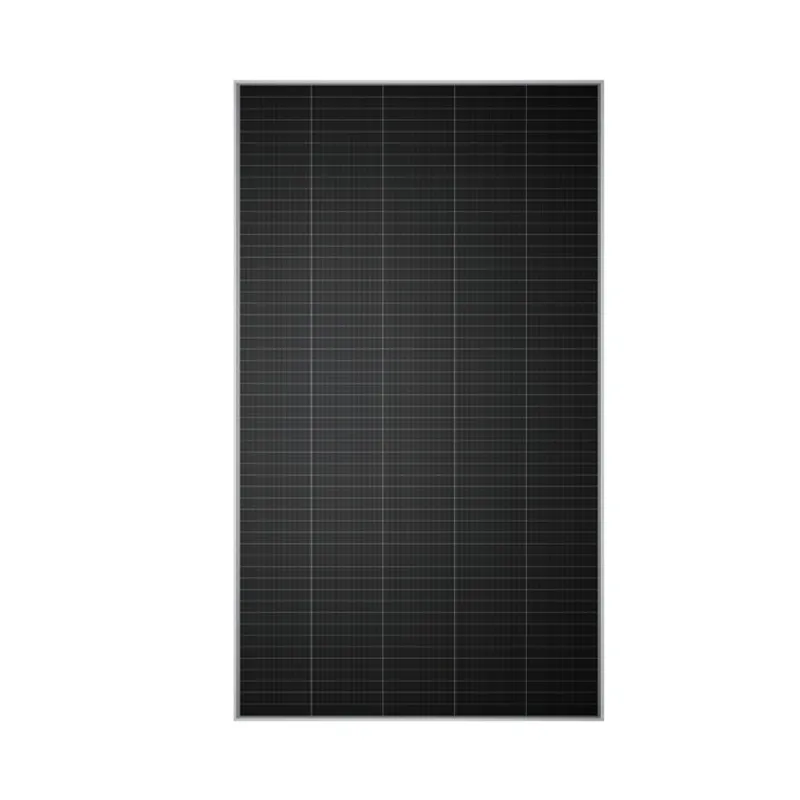
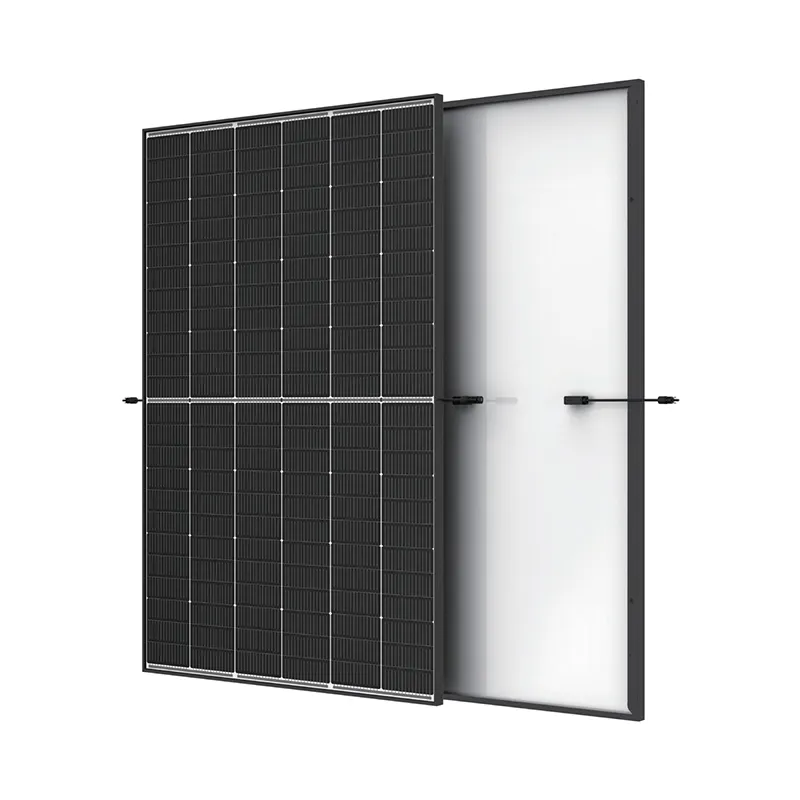
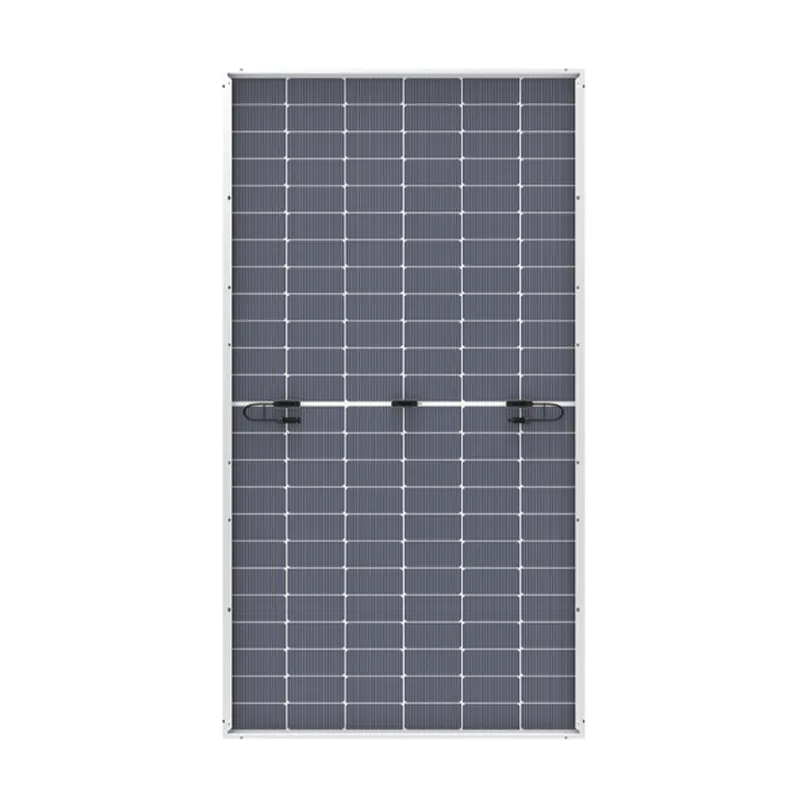
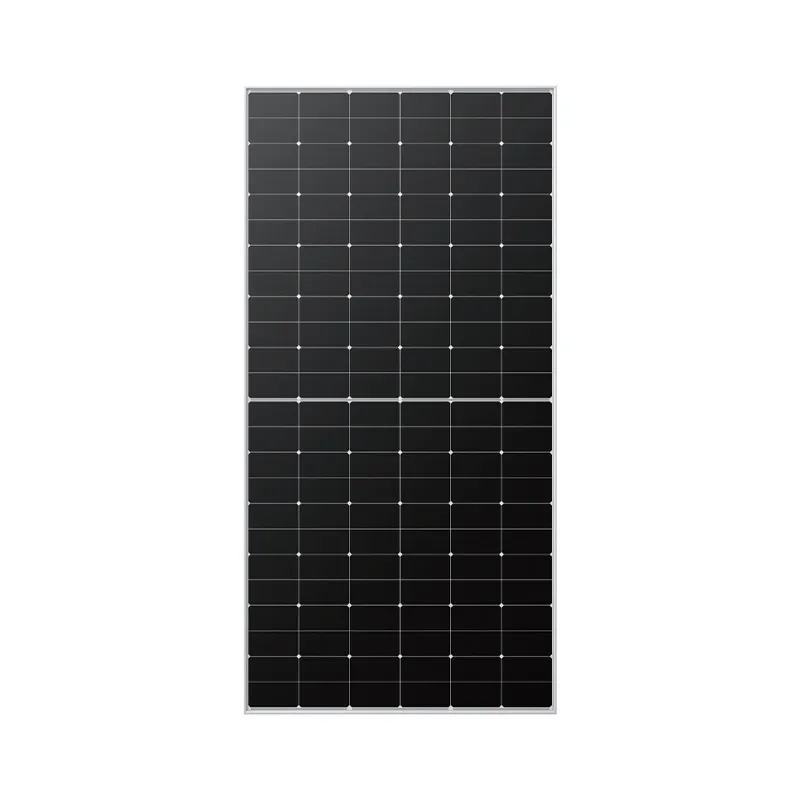
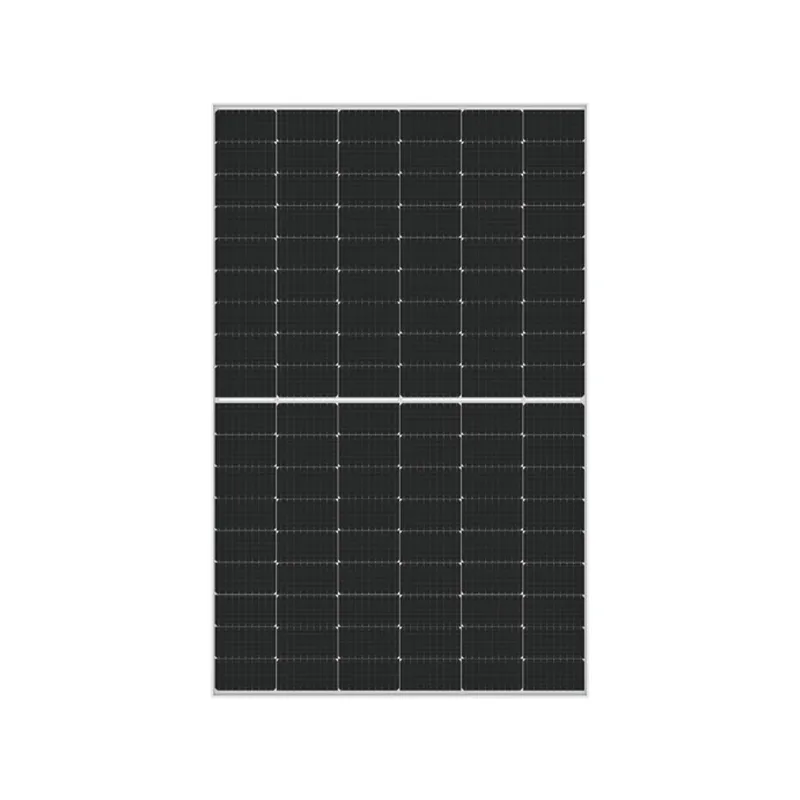
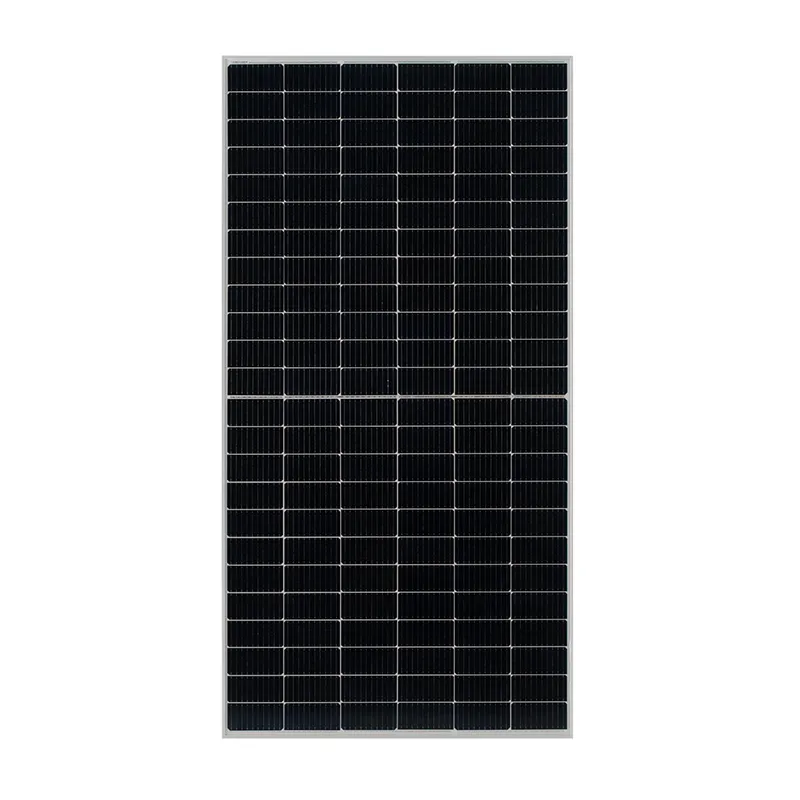
The capacity of solar panels is measured in watts (W). For a 1.5 ton AC, the system typically needs around 1.8 to 2.5 kW of solar panels, depending on the inverter and other components. Panels with higher efficiency cost more upfront but generate more power per square meter, which is critical if roof space is limited.
2. Quality and Durability
Panels from reputable manufacturers tend to last 25 years or more, backed by warranties. Cheaper panels may save money initially but degrade faster or underperform in harsh weather. The solar panel for 1.5 ton AC price often reflects these quality differences.
3. Installation and Balance of System
Mounting hardware, inverters, wiring, and labor charges significantly shape the final price. Sometimes these “hidden” elements can be as costly as the panels themselves.
4. Battery Storage and Backup
If you want your 1.5 ton AC to keep running at night or during cloudy days, batteries are non-negotiable. This can add 30-50% more to the initial price but offers real independence from the grid.
5. Country-Specific Subsidies and Tariffs
Government incentives can dramatically cut the solar panel for 1.5 ton AC price. For instance, India’s solar policies have made residential solar more affordable, while some countries impose import tariffs that add to costs.
| Specification | Typical Value | Notes |
|---|---|---|
| System Size | 2.0 kW | Adequate for 1.5 ton AC units |
| Panel Efficiency | 18-22% | High-efficiency monocrystalline panels |
| Estimated Total Installation Cost | $1,800 - $2,500 | Varies by region and technology |
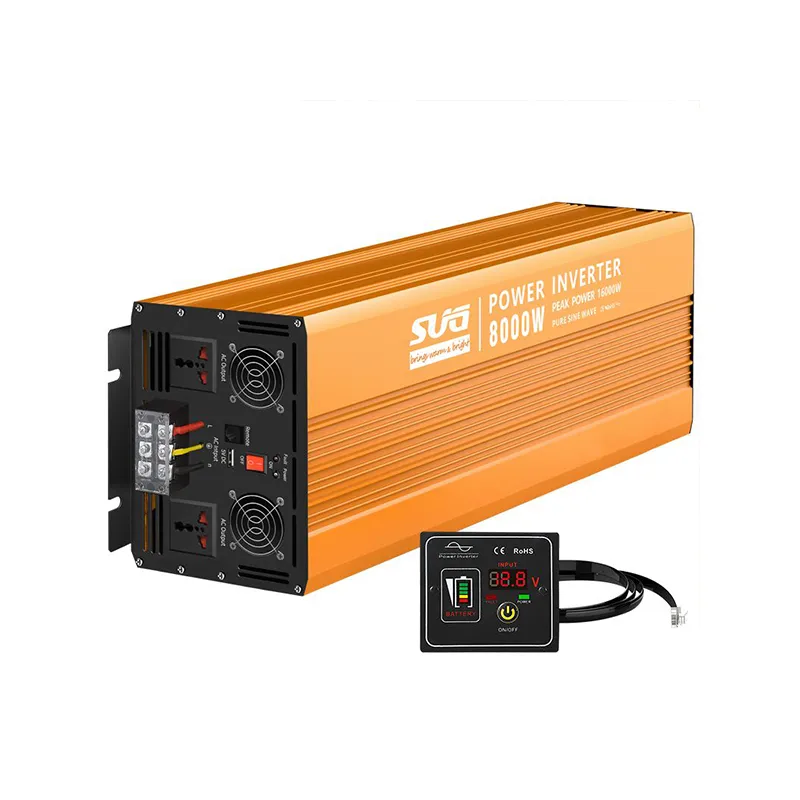
| Inverter Type | String inverter | Common for residential setups |
| Warranty | 25 years (performance) | Standard in premium panels |
Mini takeaway: Several interlocking factors shape the ultimate solar panel for 1.5 ton AC price — from specs to regional economics — making thorough research essential.
Where Are Solar-Powered 1.5 Ton AC Systems Making an Impact?
Solar-powered cooling solutions are expanding fast, especially in regions where electricity grids are unreliable or expensive. For example:
- India: Solar-powered AC units are increasingly popular in commercial buildings, where demand charges and peak tariffs are high.
- Middle East: Countries like UAE are investing heavily in solar+cooling to reduce fossil fuel dependence and meet climate targets.
- Africa: Remote industrial zones and off-grid communities use solar panels sized for 1.5 ton ACs to boost worker comfort without straining local grids.
- Disaster Relief: Portable solar setups help power cooling systems in temporary shelters, preserving medicines and improving living conditions.
For a real-world example, a small NGO in Kenya implemented solar-powered 1.5 ton ACs for its healthcare facility. The shift cut monthly electricity costs by nearly 60%, instantly improving service reliability during power cuts.
Mini takeaway: The use cases span from dense urban areas to far-flung places, and the savings — both financial and social — are impressively tangible.
Advantages of Choosing Solar Panels to Power Your 1.5 Ton AC
- Cost Savings: Reduced electricity bills and less exposure to volatile fuel prices.
- Environmental Sustainability: Lower carbon footprint aligns with global climate targets.
- Energy Independence: Greater resilience during grid outages or peak usage times.
- Comfort and Dignity: Reliable cooling means better living and working conditions.
- Investment Value: Solar systems typically increase property value.
Emotionally, the comfort you get from cool air powered by your own clean energy feels like owning part of the solution — not just another consumer of power.
Looking Forward: Innovations Changing the Solar Panel for 1.5 Ton AC Price Landscape
What’s on the horizon?
- Higher-Efficiency Panels: New perovskite-based or tandem solar cells promise to push efficiencies above 30%, potentially lowering price per watt.
- Smart Inverters: Automated energy management adjusts panel output and battery storage in real time for optimum performance.
- Energy Storage Breakthroughs: Solid-state batteries and cheaper lithium-ion alternatives could bring affordable 24/7 solar cooling.
- Policy Shifts: More nations are implementing feed-in tariffs and subsidies, influencing installation rates and prices dramatically.
Mini takeaway: The solar panel for 1.5 ton AC price isn’t static; it’s evolving with tech advances that gradually make green cooling easier on the wallet.
Challenges and Smart Solutions
Of course, solar-powered AC systems aren’t perfect:
- High Initial Cost: Upfront investment can be daunting, even if payback is good long-term.
- Space Constraints: Not every rooftop can fit the needed panels easily.
- Weather Dependency: Cloudy or rainy days reduce output unless you have batteries.
To overcome these, engineers suggest:
- Financing models like leasing or power purchase agreements to reduce upfront burdens.
- Hybrid systems combining grid and solar for uninterrupted cooling.
- Innovative mounting solutions maximizing limited space.
Frequently Asked Questions About Solar Panel for 1.5 Ton AC Price
- Q: How much roof space do I need for solar panels to run a 1.5 ton AC?
- A: Roughly 150 to 200 square feet of high-efficiency panels (about 2 kW) will typically cover the energy needs of a 1.5 ton AC unit. Exact size depends on panel efficiency and location sunlight availability.
- Q: Can I run a 1.5 ton AC on solar power alone without grid backup?
- Yes, but only if your system includes sufficient battery storage and is sized accurately. Otherwise, most installations use grid-tied solar to ensure electricity anytime.
- Q: What’s the average lifespan of a solar setup for 1.5 ton AC?
- Panels commonly last 25+ years with warranties covering performance, but inverters and batteries may need replacement or upgrades every 5-10 years.
- Q: How does climate affect solar panel prices?
- Regions with high sun exposure generally get better returns, making solar panels more cost-effective over time. Conversely, cloudy or snowy regions might see slower payback periods.
Vendor Comparison: Options for Your Solar Panel Setup
| Vendor | Product Type | Estimated Price Range | Warranty | Special Features |
|---|---|---|---|---|
| SunPower | High-efficiency Monocrystalline | $2,200 - $2,800 | 25 years | Best warranty & high output |
| Canadian Solar | Polycrystalline | $1,600 - $2,200 | 20 years | Cost-effective, mid-range quality |
| Trina Solar | Monocrystalline | $1,900 - $2,400 | 25 years | Trusted brand, reliable performance |
Wrapping Up: Your Next Steps
Deciding on a solar panel for 1.5 ton AC price is more than crunching numbers; it’s about locking in comfort, sustainability, and resilience for the years to come. As technology improves and more vendors compete, the sweet spot for solar-powered cooling moves closer to mainstream accessibility. If you’re sizing up options or just curious about the investment, digging into current market prices and factoring in your location’s incentives will be your smartest move.
Ready to explore further? Check out solar panel for 1.5 ton ac price and compare products that fit your needs and budget.
After all, keeping cool in a hot world doesn’t have to come at a high environmental or financial cost.
References
-
Designing a Modern Home Roof Made Out of Solar Panels GuideNewsApr.16,2026
-
Guide to the Size of 150 Watt Solar Panel for Your ProjectNewsApr.09,2026
-
Understanding the Dimensions and Applications of a 200W Solar PanelNewsApr.07,2026
-
Understanding the Dimensions and Factors of a 330W Solar Panel SizeNewsApr.04,2026
-
Understanding the Size and Dimensions of a 4kW Solar Panel System for Your HomeNewsMar.31,2026
-
Comprehensive Guide to Sizing Your Solar System for Optimal Energy ProductionNewsMar.28,2026