Solar Panel 180 Watt Price Guide: What Influences Cost & Why It Matters Globally
Understanding the Solar Panel 180 Watt Price: What You Need to Know
Solar energy is no longer just a buzzword; it’s a fundamental shift in how we power our lives. Among the many options available, the solar panel 180 watt price often becomes a focal point for businesses, homeowners, and humanitarian groups alike. Why? Because this size of solar panel strikes a practical balance between cost, efficiency, and usability. In a world increasingly conscious of climate change and energy security, understanding this price—not just the number itself, but the factors that shape it—matters globally. It impacts everything from energy access in remote villages to cost-effective power solutions in industrial areas.
In this article, we’ll break it all down—what does the solar panel 180 watt price really mean? How it’s shaped, what to look out for, where it’s making a difference, and what the future might hold. Plus, we’ll peek into vendor comparisons and specs to help you get a feel for the market.
Why the Solar Panel 180 Watt Price is Globally Relevant
According to the International Renewable Energy Agency (IRENA), solar capacity has grown exponentially, with small-to-medium sized panels like 180 watts becoming essential for off-grid and decentralized power solutions. The UN’s Sustainable Development Goal 7 highlights affordable and clean energy as a worldwide necessity; thus, understanding pricing at accessible sizes is crucial. The solar panel 180 watt price touches on affordability, deployment speed, and delivers just enough power for many appliances without the bulk of larger panels.
However, price fluctuations often confuse newcomers: is a lower price a bargain or a compromise on quality? Are price differences justified? These questions are not just academic—they affect policies, aid programs, and investment decisions in solar tech worldwide.
Defining the Solar Panel 180 Watt Price
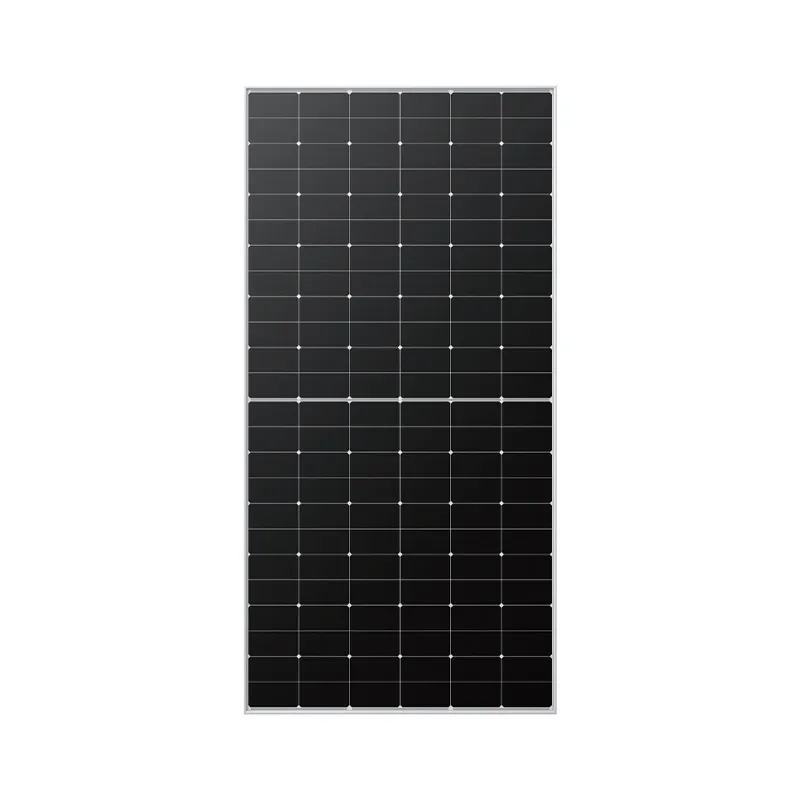
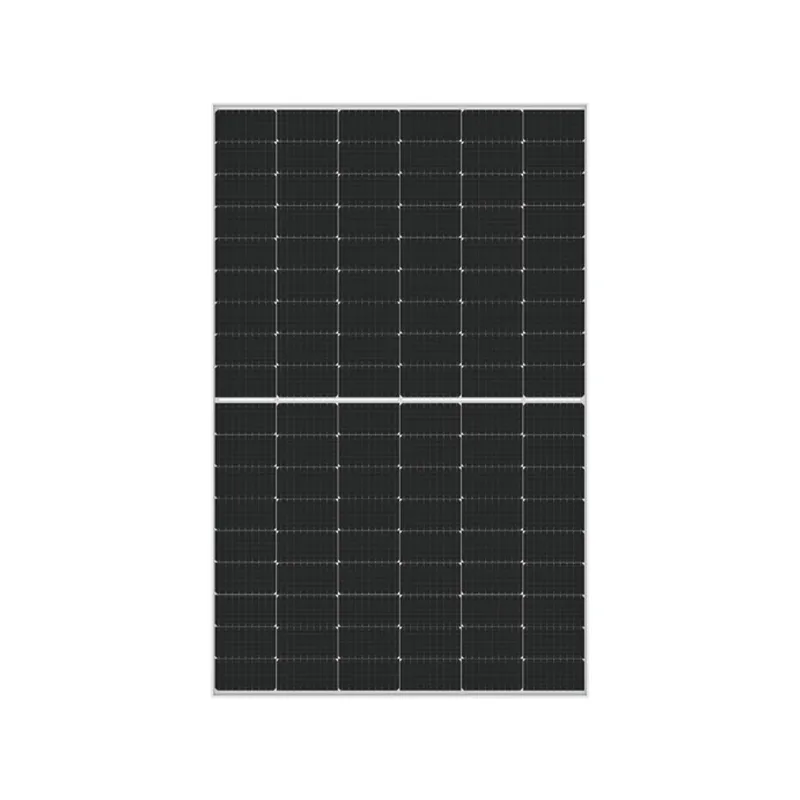
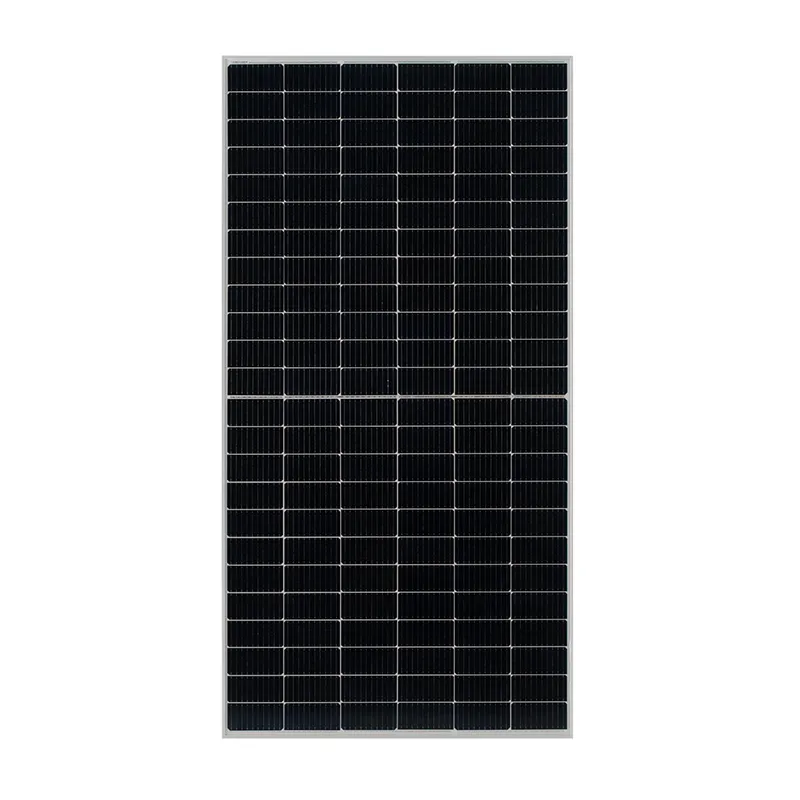
Simply put, the solar panel 180 watt price refers to the retail or supplier cost for a photovoltaic panel that generates approximately 180 watts of power under standard test conditions. This wattage is modest compared to larger panels used in residential solar roofs but ideal for smaller systems like portable solar kits, standalone lighting, or small off-grid setups.
Considering humanitarian needs—for example, powering water pumps or lights in rural clinics—180 watt panels provide a nice middle ground. They're neither too hefty nor too expensive, making renewable energy inclusion more feasible for many societies while reducing carbon footprints.
Key Factors Influencing Solar Panel 180 Watt Price
1. Material Quality and Efficiency
Monocrystalline panels tend to be pricier but pack more efficiency, whereas polycrystalline types are often cheaper but slightly less efficient. The 180 watt category includes both, and your price will reflect these variations.
2. Durability & Warranty
Panels designed with robust frames and tempered glass come with warranties extending 20-25 years. Higher upfront price often means peace of mind against harsh weather and long-term degradation.
3. Brand and Vendor Location
Global supply chains influence pricing. A 180 watt panel from a local vendor might cost more due to import duties on cheaper foreign models, but frankly, faster delivery and better service can justify the extra cost.
4. Certification & Compliance
ISO, IEC, and UL certifications add credibility but also cost. Certified panels assure regulatory compliance and quality for residential or industrial projects.
5. Volume & Bulk Purchasing
Buying in bulk typically lowers the per-unit solar panel 180 watt price, which is crucial for nonprofits and businesses scaling solar deployment quickly.
6. Market Demand & Technological Trends
As technologies improve, prices steadily decline; however, supply interruptions or spikes in raw materials like silicon can reverse the trend temporarily.
Mini Takeaway:
The solar panel 180 watt price depends on a composite of efficiency, build quality, certifications, and logistics. Understanding these can help avoid common pitfalls when sourcing panels for projects or personal use.
Global Applications and Use Cases
- Remote Rural Electrification: In parts of Africa and Asia, 180 watt panels power homes, schools, and clinics where grid extension would be prohibitively expensive.
- Disaster Relief Operations: NGOs deploy portable 180 watt panels quickly for emergency lighting and communication — a lifeline in crises.
- Industrial Monitoring Stations: Remote weather or pipeline sensors often rely on small solar arrays; 180 watt modules offer reliable uptime without overspending.
- Residential Use: As part of modular solar systems, 180 watt panels enable homeowners to start small and expand energy capacity gradually.
Advantages & Long-Term Value
It’s not just about upfront money. These panels offer several lasting benefits:
- Cost Efficiency: Cheaper than larger high-capacity panels, while still providing meaningful wattage for essential loads.
- Sustainability: Clean energy reduces reliance on fossil fuels, cutting greenhouse emissions long term.
- Reliability: Less complexity means fewer points of failure in small off-grid or backup systems.
- Social Impact: Facilitating energy access improves education, healthcare, and livelihoods.
- Emotional Resonance: Users feel empowered and secure knowing they have reliable, green energy sources.
Future Trends & Innovations
Several innovations promise to affect pricing and performance:
- Perovskite Solar Cells: Potentially cheaper and more efficient materials replacing silicon layers.
- Smart Integration: Panels embedded with IoT sensors for remote performance monitoring or predictive maintenance.
- Automation in Manufacturing: Reduces labor costs, improving availability and affordability globally.
- Recycling Advances: Developing circular economies to reclaim materials and reduce wastage.
Challenges & Solutions
One challenge is balancing affordability with quality. Many low-cost 180 watt panels flood the market but underperform or degrade rapidly. Choosing certified vendors and verified product specs helps avoid this.
Another issue is seasonal variability affecting output — pairing 180 watt panels with efficient storage or hybrid systems mitigates this problem, ensuring a steady power supply.
Product Specifications at a Glance
| Specification | Details |
|---|---|
| Rated Power | 180 Watts |
| Panel Type | Monocrystalline / Polycrystalline |
| Efficiency | 17% - 20% |
| Dimensions | 950 x 670 x 35 mm (varies by vendor) |
| Weight | ~10-12 kg |
| Warranty | 20-25 Years Performance Guarantee |
Vendor Comparison: Selected 180 Watt Solar Panel Offerings
| Vendor | Price per Panel (USD) | Warranty | Certification | Notes |
|---|---|---|---|---|
| Benjiu Solar | $80 - $95 | 25 Years | IEC, UL | High efficiency, solid after-sales |
| SolarTech Corp | $75 - $90 | 20 Years | IEC | Affordable, limited warranty support |
| GreenSun Panels | $85 - $100 | 25 Years | UL, ISO9001 | Premium grade, strong certification |
Frequently Asked Questions (FAQ) About the Solar Panel 180 Watt Price
- Q1: What affects the price of a 180 watt solar panel the most?
- A: Material type (mono vs. polycrystalline), warranties, and certification standards heavily impact costs. Monocrystalline tends to be pricier but more efficient, while some cheaper panels may lack durability.
- Q2: Can a 180 watt panel power an average household appliance?
- A: Yes, but usually not continuously for high-consumption devices. They work well for lights, fans, or charging small electronics, especially in off-grid or hybrid configurations.
- Q3: How long do 180 watt solar panels last?
- A: With proper care and quality manufacturing, most last 20–25 years with gradual efficiency decline rather than sudden failure.
- Q4: Is buying in bulk worth it for 180 watt solar panels?
- A: Absolutely. Bulk orders typically lower the per-unit solar panel 180 watt price and support larger projects or resale.
- Q5: How do I verify the authenticity of a solar panel vendor’s price?
- A: Request certifications, warranty details, and customer references. Also, compare prices across a few trusted suppliers to spot unusually low or high offers.
Conclusion: Why the Solar Panel 180 Watt Price Matters for Your Next Project
So, if you’re considering solar energy investments or designing off-grid solutions, grasping the solar panel 180 watt price helps you balance cost and performance effectively. You’re not just buying a number on a tag—you’re choosing equipment tied to durability, sustainability, and sometimes, lives improved by clean energy.
For a reliable, competitively priced option, explore what Benjiu Solar offers for 180 watt panels. Their consistent quality, customer service, and certifications make them a trusted partner in your sustainable journey.
Let’s keep pushing forward—because affordable solar energy isn’t just a goal, it’s a necessity.
Casual takeaway: Solar panel prices aren’t just numbers—think of them as markers of technology, trust, and tomorrow’s hope.
References
-
Designing a Modern Home Roof Made Out of Solar Panels GuideNewsApr.16,2026
-
Guide to the Size of 150 Watt Solar Panel for Your ProjectNewsApr.09,2026
-
Understanding the Dimensions and Applications of a 200W Solar PanelNewsApr.07,2026
-
Understanding the Dimensions and Factors of a 330W Solar Panel SizeNewsApr.04,2026
-
Understanding the Size and Dimensions of a 4kW Solar Panel System for Your HomeNewsMar.31,2026
-
Comprehensive Guide to Sizing Your Solar System for Optimal Energy ProductionNewsMar.28,2026