Small Roof Solar Panels: Compact Renewable Power Solutions for Homes & Industries
Understanding Small Roof Solar Panels: Compact Powerhouses for a Sustainable Future
Solar energy is no longer just for vast open fields or sprawling residential roofs — the wave of small roof solar panels is transforming rooftops everywhere, from dense cities to remote villages. These compact systems bring energy independence, cost savings, and environmental benefits right where it’s most needed, proving that size doesn’t limit impact. But what exactly makes these panels important on a global scale, and why should industries and homeowners closely understand their potential?
The Global Context: Why Small Roof Solar Panels Matter
Globally, renewable energy has become a top priority. According to the United Nations, nearly 789 million people still lack access to electricity, and small solar installations on rooftops offer a practical path to closing this gap. Small roof solar panels uniquely address space constraints and the urgent need for clean energy in urban and rural areas alike. The International Energy Agency reports that distributed solar systems, particularly small modules, are projected to grow by 20% annually over the next decade, making them vital players in the energy transition.
That growth reflects key challenges: how to provide reliable, affordable power where large-scale solar farms aren’t feasible; how cities can sustainably energize billions more inhabitants; and how industries can reduce their carbon footprint. Compact solar panels help untangle these problems by fitting neatly on smaller rooftops or limited structures.
Mini takeaway: Small roof solar panels are pivotal in tackling global energy access and sustainability, offering a scalable low-carbon solution where space is at a premium.
Defining Small Roof Solar Panels
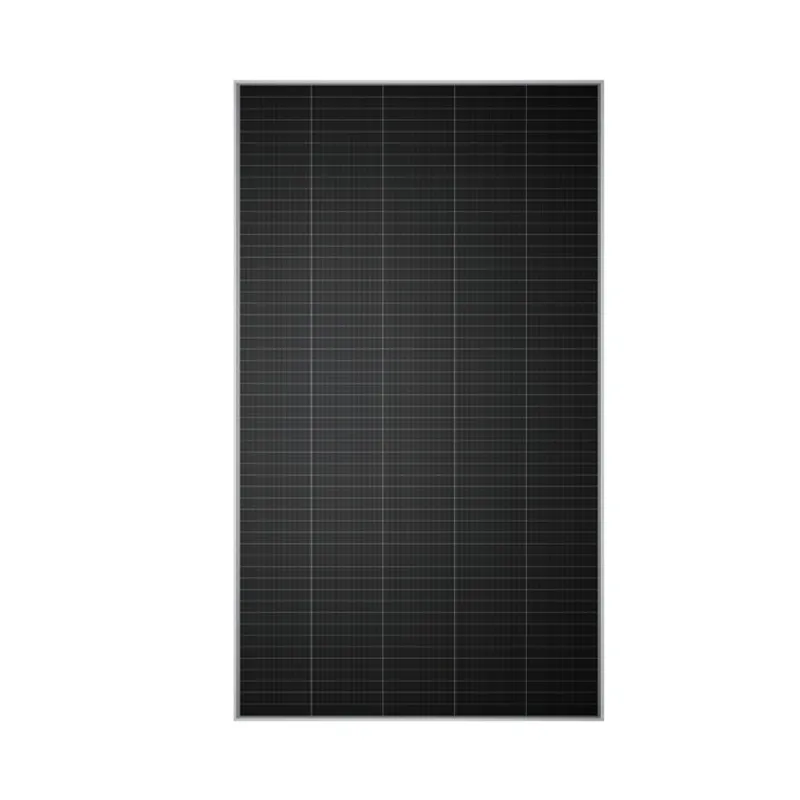
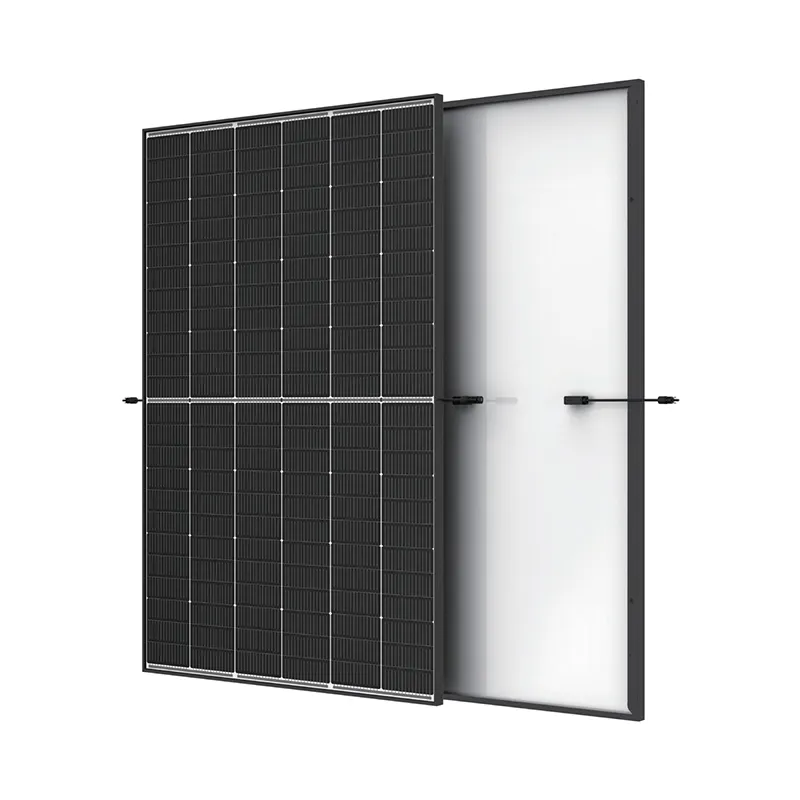
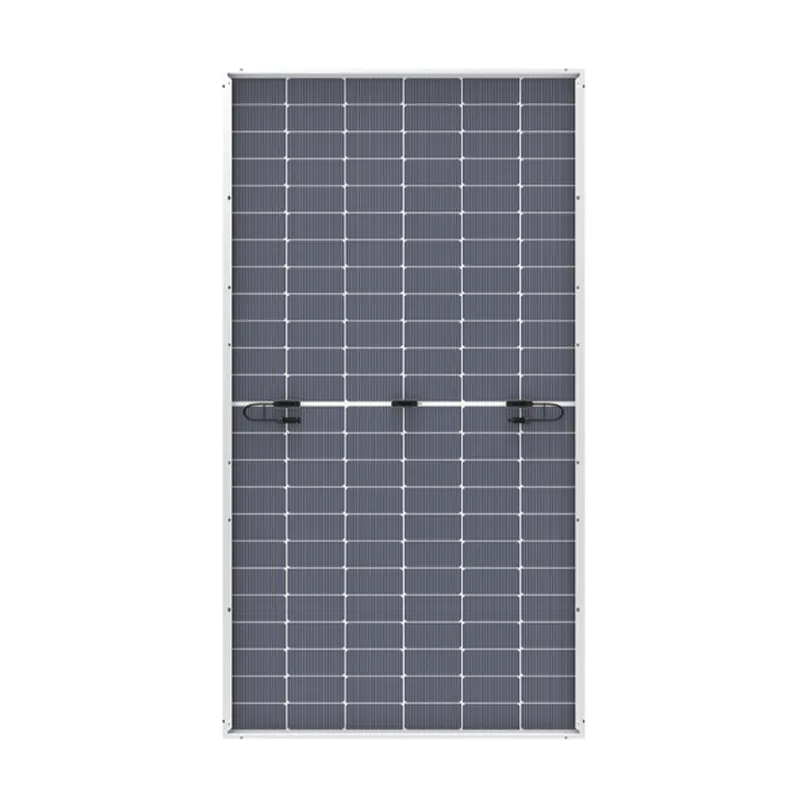
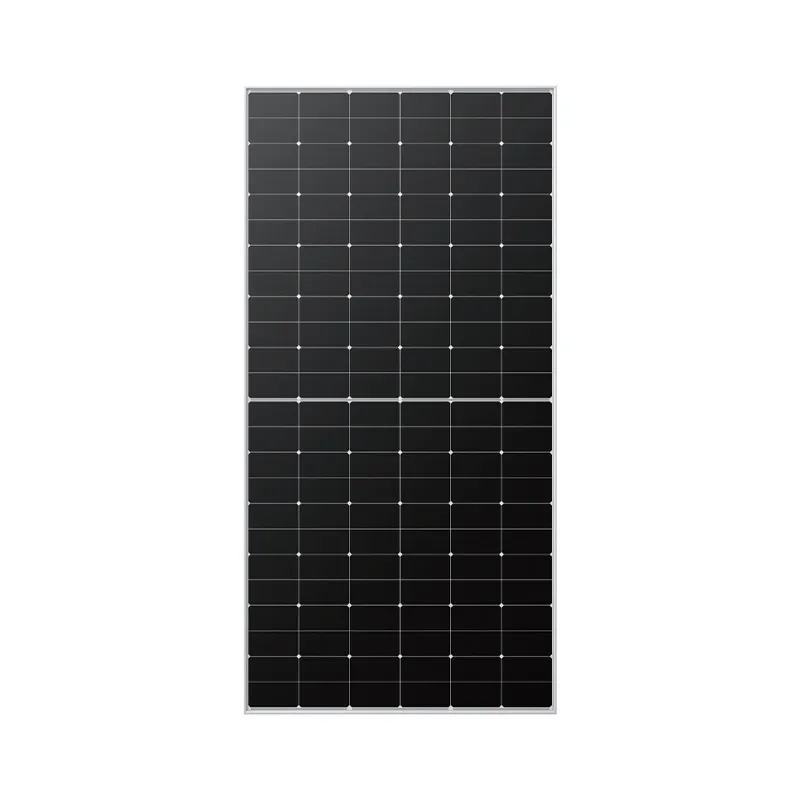
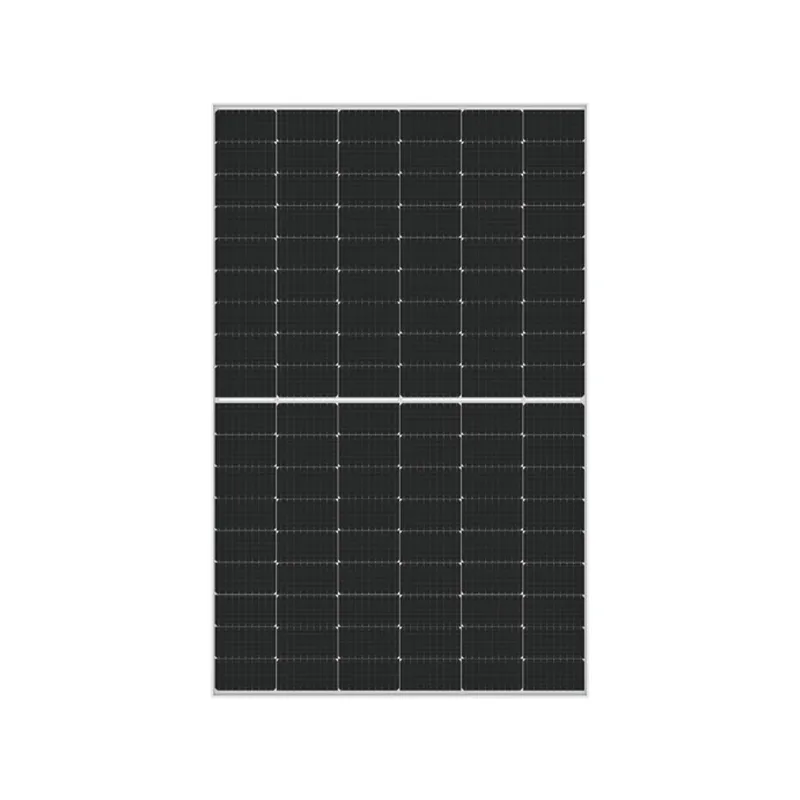
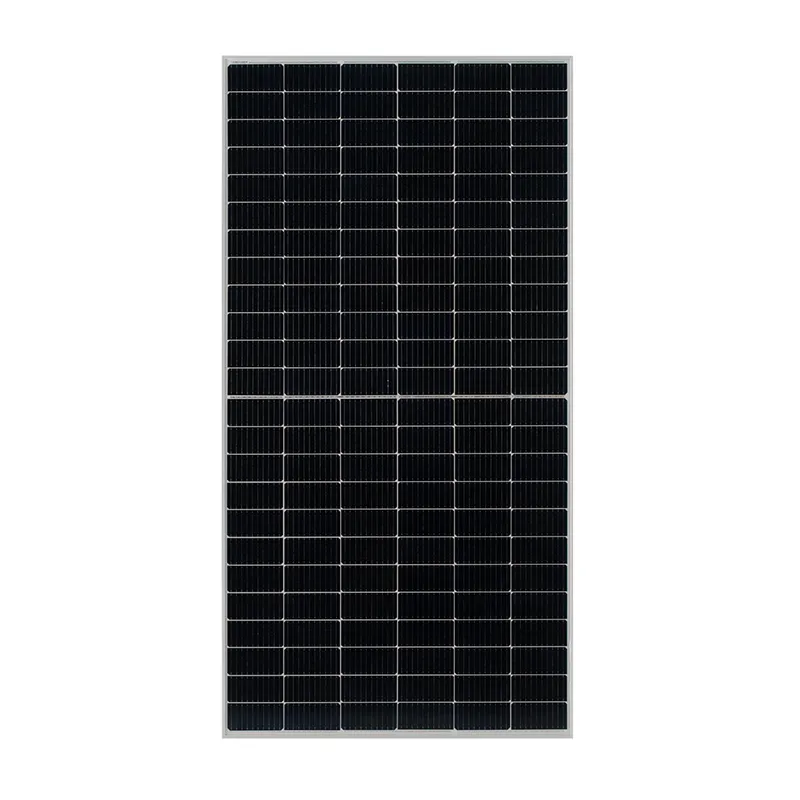
Put simply, small roof solar panels are photovoltaic modules designed specifically for installation on limited or compact rooftop spaces. Usually ranging between 50 to 250 watts per panel, these systems prioritize efficient energy conversion in an accessible footprint. They’re crafted to meet the needs of homes, small businesses, disaster relief shelters, and even mobile or off-grid units.
Interestingly, the trend aligns well with evolving humanitarian needs—imagine quick-deploy solar setups on disaster-response shelters that must provide immediate power for medical devices, lighting, or communication. On the industrial side, small roof solar panels assist companies in decentralized power generation, improving operational resilience and sustainability metrics.
Core Components & Key Factors of Small Roof Solar Panels
1. Durability and Weather Resistance
Because these panels often endure harsh environmental conditions—from intense sun to rain or wind—robust materials like tempered glass, corrosion-resistant frames, and sealed junction boxes are critical. Longevity typically exceeds 25 years, assuring ongoing performance.
2. Scalability and Modularity
Small panels are often configured in arrays that suit the exact energy demands and roof dimensions. This modular setup allows users to start small and expand capacity gradually — a huge plus for budget-conscious or evolving needs.
3. Cost Efficiency
Unlike larger, centralized solar farms, small roof solar panels require less upfront investment and pose fewer bureaucratic headaches. Plus, their ease of installation reduces labor costs and time.
4. Energy Output and Efficiency
Modern small panels boast conversion efficiencies between 18% and 22%, which is quite respectable given their size. Newer bifacial and PERC cell technologies push these boundaries even further.
5. Installation Flexibility
These panels can be mounted on flat or sloped roofs, integrated into building facades, or even used in portable setups, offering unmatched versatility.
| Specification | Details |
|---|---|
| Power Output | 50W - 250W per panel |
| Module Efficiency | 18% - 22% |
| Dimensions | ~0.5 m² per panel (varies) |
| Weight | around 6 - 10 kg |
| Warranty | Typically 10-25 years |
Global Applications and Use Cases
Oddly enough, the versatility of small roof solar panels means they’re popping up everywhere—from private homes in European cities to refugee camps in Africa. For instance:
- Urban rooftops: Many city apartments with limited space install these panels for energy self-sufficiency, reducing monthly electricity bills.
- Disaster relief and humanitarian aid: Nonprofits use portable small solar systems to power field hospitals, water purification units, and communication gear during emergencies.
- Remote industrial zones: Mining operations and telecom repeaters often rely on small solar panels for reliable off-grid power without noisy generators.
- Agricultural use: Small solar-powered irrigation pumps and cold storage units help farmers increase yield and reduce waste.
Even government incentives in countries like India and Australia promote small roof solar panel adoption to increase renewable capacity in residential and commercial sectors.
Mini takeaway: These panels have become essential tools across widely different regions and sectors, proving their global importance beyond just sustainability.
Advantages & Long-Term Value of Small Roof Solar Panels
One clear upside is cost savings over the system's lifetime, especially as panels tend to require minimal maintenance. The reduction in greenhouse gas emissions outright feels like a moral win, which is no small thing when considering our planet’s future.
From an emotional perspective, there’s a satisfying sense of independence that comes with generating your own power — reducing vulnerability during outages or disasters. Socially, communities gain dignity and safety, especially where traditional grid access is unreliable.
Innovation-wise, small panels often integrate smoothly with battery storage, smart meters, and home automation, creating a powerful, clean-energy microcosm. It’s reliability and sustainability rolled in one.
Future Trends & Innovations
The future holds exciting possibilities. Perovskite solar cells, which promise higher efficiencies at lower costs, could redefine small roof solar panels within a decade. Additionally, recycled and organic photovoltaic materials are being explored for greener production methods.
Policy frameworks are evolving too—net metering and feed-in tariffs encourage more people to install these systems. Plus, advances in IoT and digital energy management mean owners can monitor and optimize solar output in real-time, further enhancing value.
Challenges & Practical Solutions
Of course, no technology is perfect. Space limitations still challenge some urban dwellers, while shading and weather conditions can reduce energy yield. Upfront costs, though dropping, remain a barrier for some.
Experts suggest combining solar with energy efficiency upgrades, or community solar projects, to circumvent space issues. Financial schemes like micro-loans and leasing improve affordability. Technologically, emerging panel coatings and tracking systems help optimize output and durability.
Frequently Asked Questions About Small Roof Solar Panels
- Q: How much energy can small roof solar panels realistically produce for a household?
A: Depending on size and location, a modest small panel system (around 1kW total) can supply 30–50% of a typical home’s electricity needs, reducing utility bills significantly. - Q: Are these panels easy to install myself?
A: While some kits are designed for DIY installation, professionals recommend expert installation to ensure safety, optimal angle, wiring, and warranty validity. - Q: Can small roof solar panels power backup batteries?
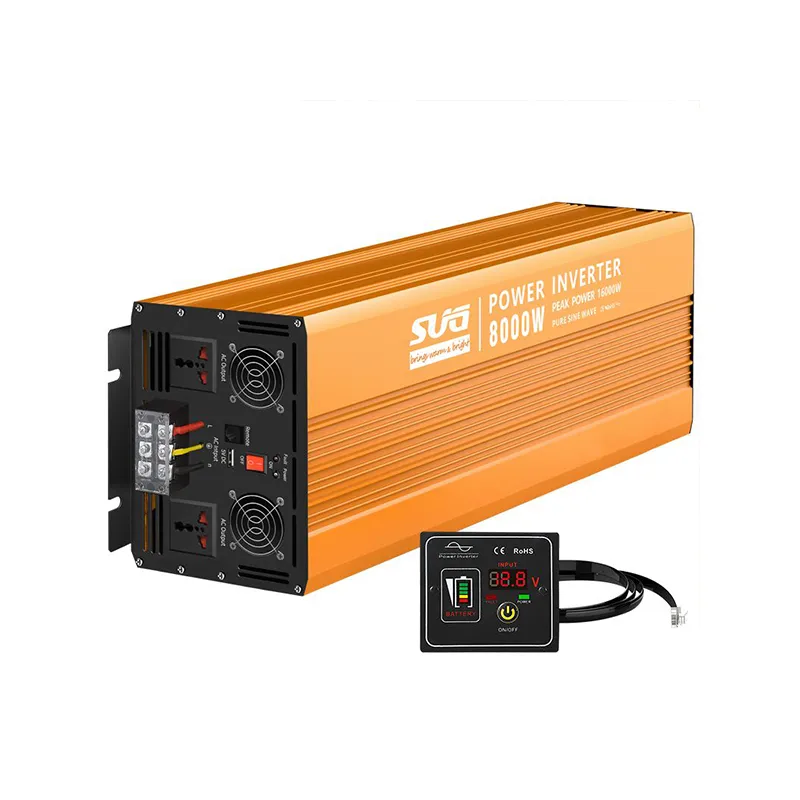
A: Absolutely! Many systems integrate with home battery banks, storing surplus energy for use during nighttime or outages. - Q: What maintenance do small solar panels require?
A: Minimal—typically just occasional cleaning and a checkup every few years to verify connections and integrity. - Q: How long do typical panels last?
A: Most last 25+ years, with gradual efficiency decline; warranties often guarantee ~80% performance after 25 years.
| Vendor | Panel Wattage Range | Warranty Period | Average Cost per Watt ($) | Special Features |
|---|---|---|---|---|
| SunTech Power | 100W - 200W | 15 years | 0.85 | High-efficiency monocrystalline cells |
| EcoVolt | 50W - 150W | 20 years | 0.90 | Flexible panel designs for curved surfaces |
| HelioTech | 120W - 250W | 25 years | 0.95 | Integrated smart-monitoring systems |
Conclusion and Next Steps
Small roof solar panels encapsulate a future where clean energy fits into the nooks and crannies of our built environments — lending power to the smallest rooftops or temporary shelters alike. Their compact size masks a big contribution: energy savings, sustainability, and resilience. If you’re curious about upgrading to renewable power on your own rooftop, this is the moment to explore options. The technology is mature, the incentives are growing, and the benefits are tangible.
Want to learn more or get started? Check out small roof solar panels for tailored solutions that combine quality, affordability, and expert guidance.
In real terms, whether for your home, humanitarian project, or business, small roof solar panels are more than just equipment – they’re a step towards a more sustainable, empowered future.
-
Designing a Modern Home Roof Made Out of Solar Panels GuideNewsApr.16,2026
-
Guide to the Size of 150 Watt Solar Panel for Your ProjectNewsApr.09,2026
-
Understanding the Dimensions and Applications of a 200W Solar PanelNewsApr.07,2026
-
Understanding the Dimensions and Factors of a 330W Solar Panel SizeNewsApr.04,2026
-
Understanding the Size and Dimensions of a 4kW Solar Panel System for Your HomeNewsMar.31,2026
-
Comprehensive Guide to Sizing Your Solar System for Optimal Energy ProductionNewsMar.28,2026