Single Solar Panel: Key Benefits, Specs, and Global Applications
Why a Single Solar Panel Matters More Than Ever
In a world that’s waking up to the urgent need for sustainable energy, the humble single solar panel often gets overlooked. But this one piece of tech holds a world of promise—whether you’re running a tiny off-grid home, equipping relief efforts in disaster zones, or just trying to cut a little bit off your energy bill. Understanding how a single solar panel fits into the bigger global picture isn’t just for engineers or environmentalists; it’s a key step for anyone interested in future-proofing their energy choices.
The Global Context: Why Single Solar Panels Are Making Waves
According to the International Energy Agency (IEA), solar energy capacity worldwide grew by nearly 22% in 2023 alone. This surge isn’t just about massive solar farms or mega-projects—often, it begins one panel at a time. Single solar panels play a foundational role in expanding access to electricity, especially in remote regions where traditional grids simply don’t reach. The United Nations estimates that close to 800 million people worldwide still lack reliable electricity access, underscoring the critical opportunity for solar tech at the micro-level.
However, challenges remain—such as affordability, quality control, and ensuring durability in harsh climates. The single solar panel often addresses these by providing modular, cost-effective, and scalable energy solutions.
What Exactly Is a Single Solar Panel?
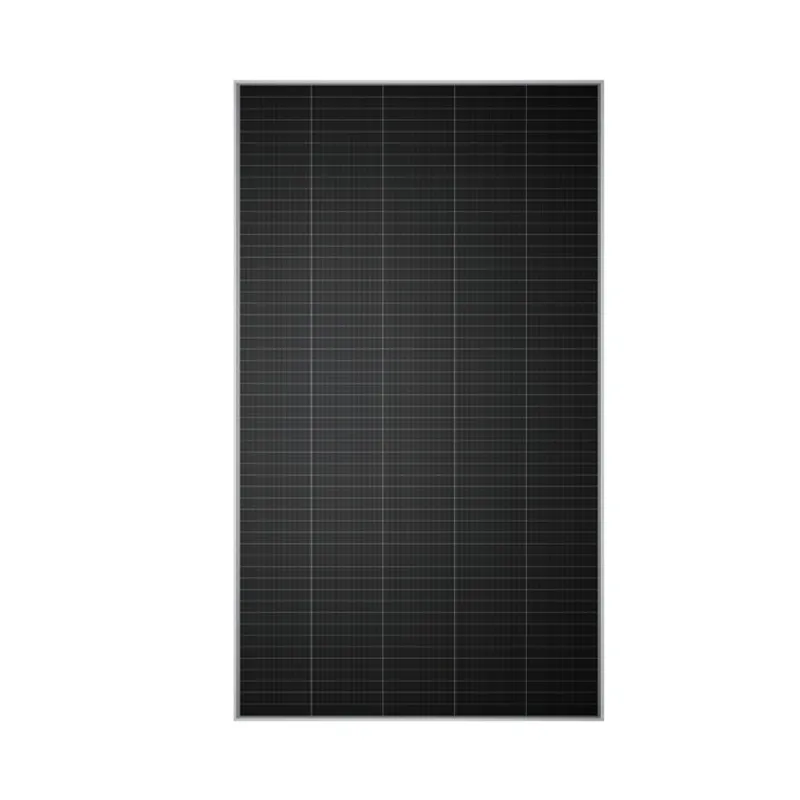
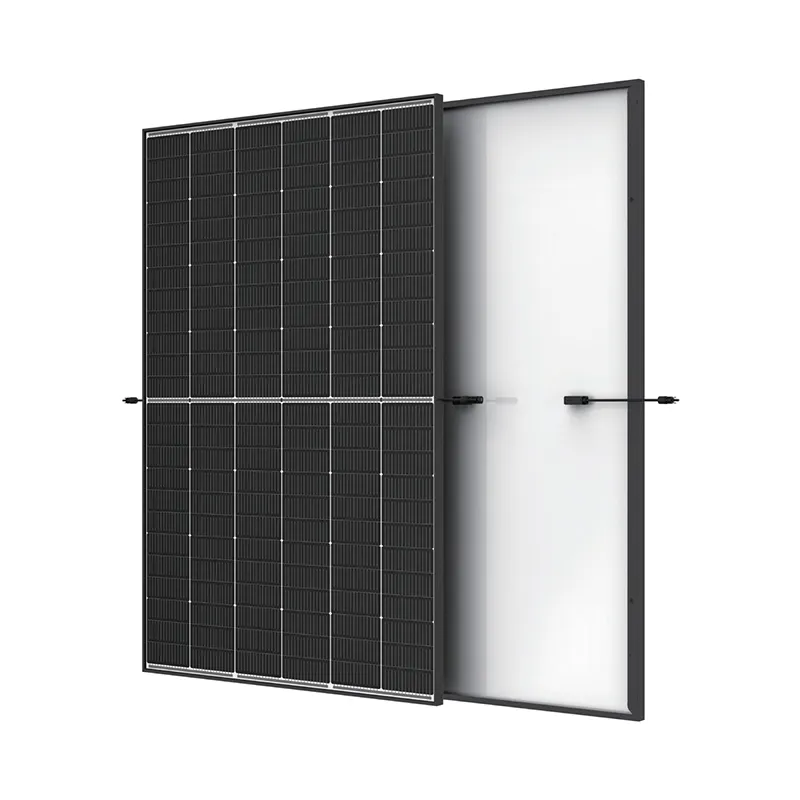
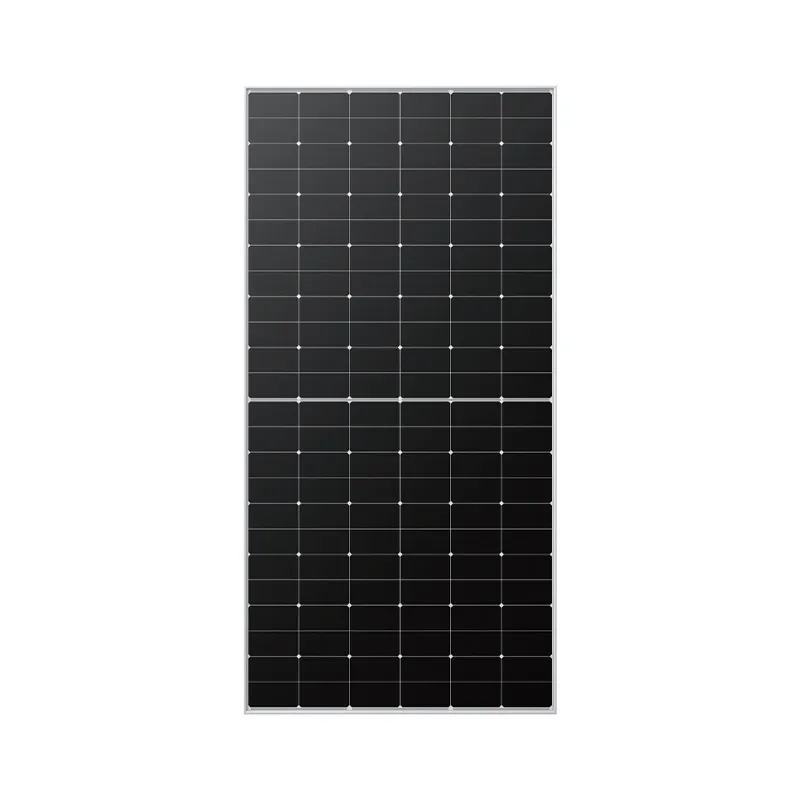
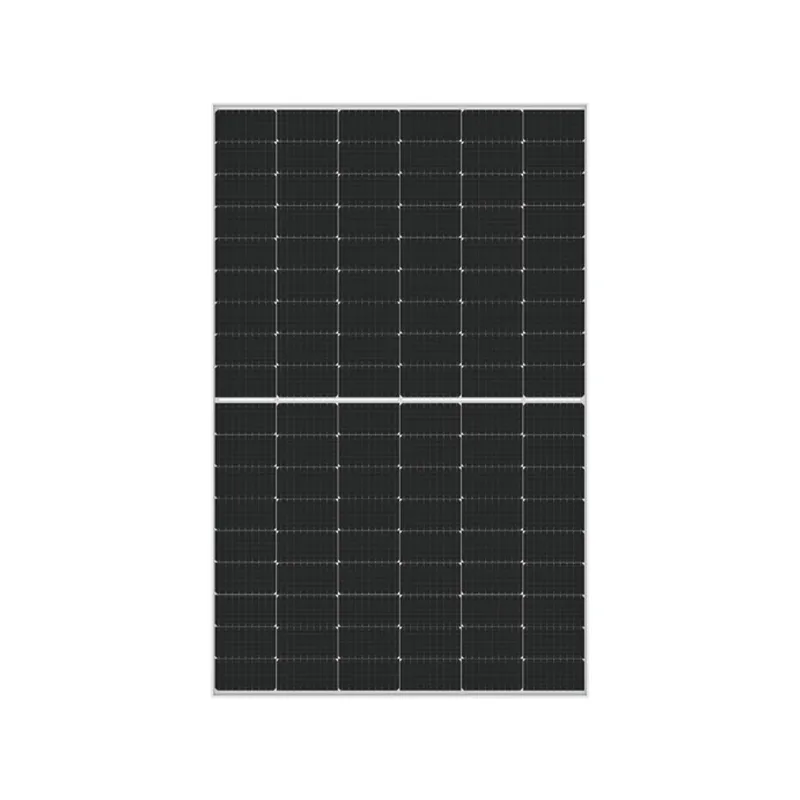
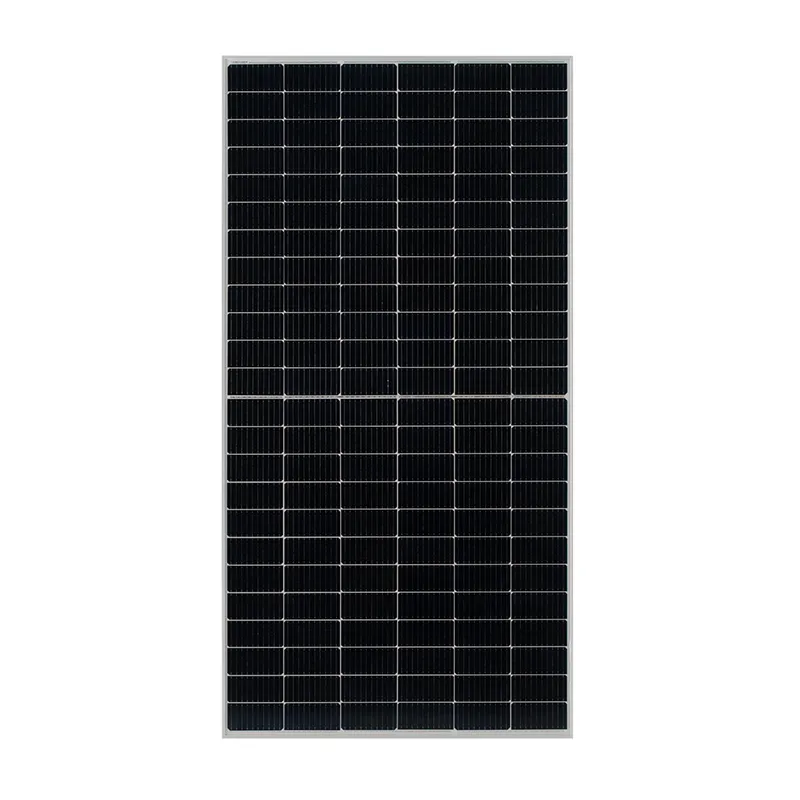
Simply put, a single solar panel is a device that converts sunlight into electrical energy using photovoltaic cells, usually silicon-based. Each panel consists of multiple solar cells connected to produce a usable amount of power, typically between 250 to 400 watts for residential or small commercial applications. The interesting bit is that one panel may seem small but can either serve as a standalone energy source or be combined with several others to build larger systems.
In industrial settings or humanitarian projects, individual panels offer flexibility—you can deploy just what’s needed, tailored to the situation. Think of a single solar panel as the basic building block on a broader journey towards clean energy adoption.
Core Features of Single Solar Panels and Why They Matter
Durability
Panels today often come with tempered glass, corrosion-resistant frames, and robust encapsulation to withstand weather extremes from tropical storms to desert heat. This means fewer replacements and longer service life—which turns out to be a crucial factor in areas where maintenance can be tricky.
Efficiency
Efficiency ratings vary, typically from 15% up to around 23%, showing how well a panel converts sunlight to electricity. Efficiency matters because the more you get from less space, the easier it is to install panels on limited rooftops or cramped sites.
Scalability
Since a single solar panel can be linked with others, it’s scalable by design. You can start small and expand later—no need for giant upfront investment, which is great for communities, industries, or field operations trying to test the waters.
Cost Efficiency
Unit costs have dropped dramatically, making a single solar panel affordable enough to be stocked by smaller vendors or even shipped globally to developing regions.
Ease of Installation
Most single panels are designed to be plug-and-play compatible with various mounting systems and controllers. This ease speeds up deployments, especially for emergency or mobile power setups.
Environmental Impact
One solar panel eliminates a portion of carbon emissions that would have come from fossil-fueled electricity, which—as you know—is a big deal given the climate crisis we're facing. Every panel counts.
Mini takeaway: Single solar panels blend reliability, flexibility, and sustainability, making them an indispensable tool in the global clean energy toolbox.
Real-World Uses of Single Solar Panels
Across continents and industries, the single solar panel has found diverse applications:
- Disaster Relief: After hurricanes or earthquakes, a few portable solar panels can power communication gear, medical devices, and emergency lighting. It’s often the difference between chaos and organized response on the ground.
- Rural Electrification: Remote villages, especially in Sub-Saharan Africa and South Asia, rely on solar panels for lighting, phone charging, and powering small appliances—sometimes for the first time ever.
- Industrial Zones: Off-grid mining or agricultural operations deploy panels singly or in clusters to reduce diesel consumption and operational costs.
- Residential Use: Homeowners looking to cut utility bills or reduce carbon footprints often start with a single solar panel as a test before expanding.
In all these scenarios, the single solar panel’s modularity shines.
Single Solar Panel Product Specifications
| Specification | Typical Range | Notes |
|---|---|---|
| Power Output | 250W – 400W | Varies by cell type & quality |
| Efficiency | 15% – 23% | Mono or polycrystalline |
| Dimensions | Approx. 1m x 1.7m | Standardized but varies slightly |
| Weight | 18–25 kg | Depends on frame materials |
| Warranty | 10 – 25 years | Manufacturer dependent |
Comparison of Popular Single Solar Panel Vendors
| Vendor | Panel Efficiency | Price per Panel | Warranty | Special Features |
|---|---|---|---|---|
| HelioTech | 21.5% | $230 | 25 years | Anti-reflective coating |
| SolarEdge | 18.2% | $190 | 20 years | Integrated microinverter |
| SunRise | 16.5% | $150 | 15 years | Lightweight frame |
The Advantages and Long-Term Value of a Single Solar Panel
Frankly, having a single solar panel can feel like a modest investment with outsized rewards. From a financial standpoint, it helps reduce electricity bills and uncouples you from grid volatility. Around the world, solar power adoption has demonstrated significant reductions in greenhouse gas emissions, a clear win for the planet.
On the social side, it can restore dignity and safety where electricity was scarce or absent—a night illuminated safely, devices charged for communication or education, or refrigeration to keep medicines safe.
In a way, it’s empowering at a personal level and transformational globally. Many engineers say the scalability and modularity of single panels are what really push innovation forward—because you can start small but dream big.
Emerging Trends and Innovations
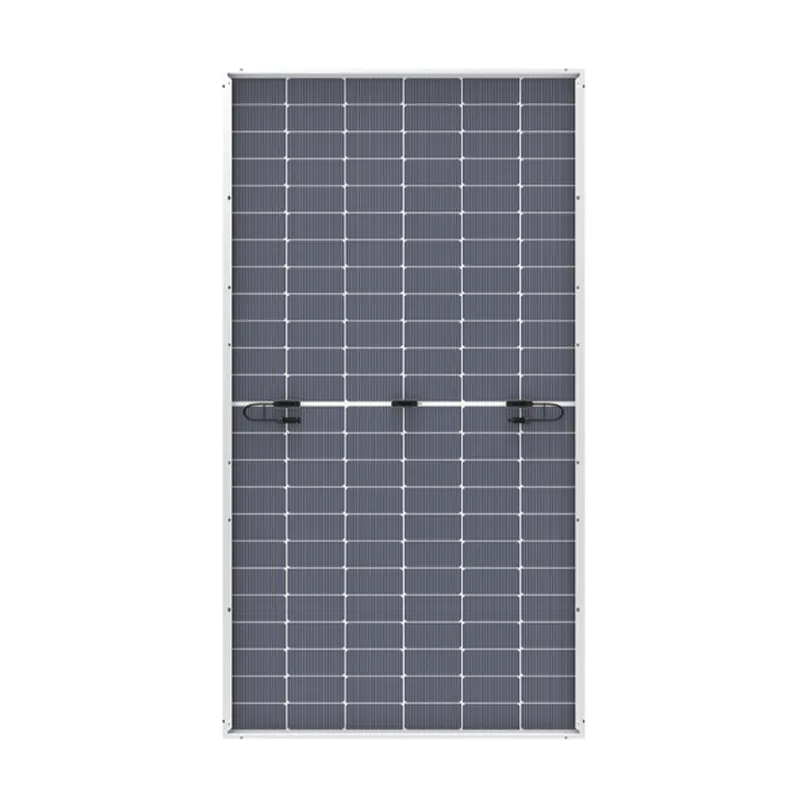
Technological leaps keep coming. I noticed flexible and bifacial solar panels gaining traction—meaning you get energy from light hitting both sides of the panel, increasing yield without increasing footprint. Then there’s the digital transformation: smart panels monitor themselves and report on performance in real time, making maintenance easier.
Material science is also moving fast—perovskite solar cells promise cheaper, lighter panels though still in testing phases. Governments aligned with the UN's Sustainable Development Goals (SDG7: Affordable and Clean Energy) are increasingly supporting solar programs, so the policy tailwinds can’t be ignored.
Facing Challenges Head-On
Of course, it’s not all smooth sailing. Inconsistent sunlight, potential damage, and upfront costs still pose hurdles. Yet some vendors now offer panel recycling programs, and hybrid solar-storage systems make energy available even when the sun isn’t shining.
Experts recommend careful site analysis to maximize placement, and modular installation allows replacing a single panel without overhauling entire systems—kind of smart thinking to future-proof investments.
FAQs About Single Solar Panels
Q1: How much energy can a single solar panel realistically produce?
A1: A typical residential panel generates between 250W to 400W under ideal conditions, translating roughly to 1–2 kWh per day depending on sunlight hours and location.
Q2: Can a single solar panel power a small home?
A2: Usually not entirely, but it can supplement energy needs, powering LED lighting or charging devices. Full home coverage typically requires multiple panels.
Q3: How long do these panels last?
A3: Most come with a warranty of 10–25 years, and many continue operating beyond that with gradually declining efficiency.
Q4: Are single solar panels easy to install and maintain?
A4: Yes—installation is generally straightforward, especially when paired with compatible mounts and controllers. Maintenance mostly involves occasional cleaning and inspections.
Q5: How do I know if a particular panel fits my needs?
A5: Consider your energy requirements, location (sunlight availability), budget, and whether you plan to expand your system later. Consulting with suppliers or using online calculators is a wise move.
Closing Thoughts: Why Single Solar Panels Are Just the Beginning
At the end of the day, a single solar panel might seem like a small step, but in the bigger story of sustainable energy, it’s a crucial one. Whether powering a village in remote Africa or adding a green touch to your home, it embodies accessibility, innovation, and hope for a cleaner future.
If you’re curious to explore single solar panel options, or interested in how they can meet your specific needs, drop by our website: https://www.benjiusolar.com. Because sometimes, the most powerful energy revolution begins a panel at a time.
References:
-
Designing a Modern Home Roof Made Out of Solar Panels GuideNewsApr.16,2026
-
Guide to the Size of 150 Watt Solar Panel for Your ProjectNewsApr.09,2026
-
Understanding the Dimensions and Applications of a 200W Solar PanelNewsApr.07,2026
-
Understanding the Dimensions and Factors of a 330W Solar Panel SizeNewsApr.04,2026
-
Understanding the Size and Dimensions of a 4kW Solar Panel System for Your HomeNewsMar.31,2026
-
Comprehensive Guide to Sizing Your Solar System for Optimal Energy ProductionNewsMar.28,2026