Optimized Tie Grid Inverter for Smart Solar Energy Systems
The Evolution and Impact of tie grid inverter Technology in Modern Energy Systems
Grid-tie inverters are indispensable components in any renewable energy system connected to the utility grid. They convert direct current (DC) generated by solar panels or wind turbines into alternating current (AC) that matches the grid's voltage and frequency, enabling seamless integration and energy export. The demand for advanced and reliable tie grid inverter solutions is rapidly accelerating, driven by global energy transition initiatives and the push for decentralized power generation.
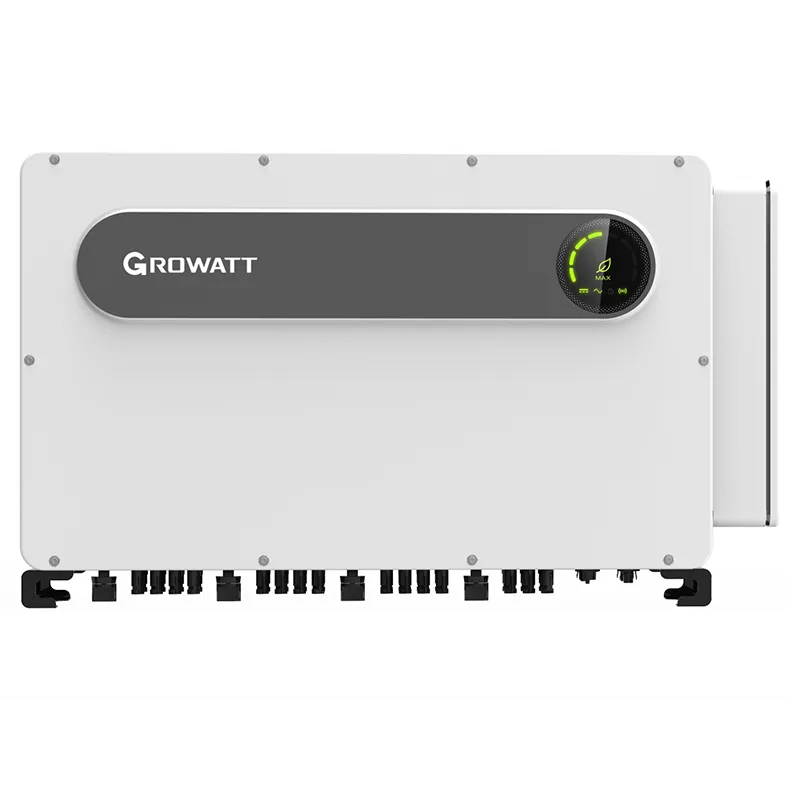
The market is witnessing a significant shift towards higher efficiency, greater intelligence, and enhanced safety features. From compact micro tie grid inverter units for residential applications to robust utility-scale systems like the Growatt 185KW Safe High Efficiency High Yield Solar Inverter, these devices are at the heart of the solar revolution. The global solar inverter market, valued at approximately USD 9.5 billion in 2022, is projected to grow at a compound annual growth rate (CAGR) of over 10% from 2023 to 2030, underscoring the critical role of these technologies in future energy landscapes.
Manufacturing Process Flow of a High-Performance Grid-Tie Inverter
The production of a high-quality on grid solar inverter involves a multi-stage, precision-engineered process designed to ensure durability, efficiency, and strict adherence to international standards. This meticulous flow guarantees optimal performance across various demanding industrial and commercial applications, from petrochemical facilities requiring stable power to metallurgy plants with high energy demands, and water supply & drainage systems needing continuous operation.
1. Component Sourcing and Material Verification
High-grade electronic components (IGBTs, capacitors, DSPs) and robust enclosure materials (e.g., marine-grade aluminum alloys for superior corrosion resistance) are sourced from certified suppliers. Incoming materials undergo rigorous quality control, including spectral analysis for metal purity and electrical characteristic testing for semiconductors, ensuring compliance with ISO 9001 standards.
2. Printed Circuit Board (PCB) Assembly
Automated Surface Mount Technology (SMT) lines populate PCBs with thousands of components. This includes precise soldering, often using lead-free processes, followed by Automated Optical Inspection (AOI) to detect any defects in component placement or solder joints. Critical control boards are typically multi-layered for enhanced signal integrity and reduced electromagnetic interference.
3. Power Module Fabrication and Integration
Key power components, such as IGBT modules and high-frequency transformers, are often manufactured in-house or by specialized partners. This involves precision CNC machining for heatsinks, ensuring optimal thermal management, and advanced winding techniques for inductors. These modules are then carefully integrated onto the main power board, with emphasis on robust electrical connections and thermal compound application.
4. Enclosure Manufacturing and Treatment
The inverter's enclosure, crucial for protection and thermal dissipation, is fabricated through processes like precision sheet metal forming or die-casting for complex components. For outdoor units, multi-stage surface treatments such as phosphating, electro-deposition coating, and powder coating are applied to achieve IP65/IP66 ingress protection and superior corrosion resistance, extending service life to over 20 years even in harsh environments.
5. Final Assembly and Wiring
All sub-assemblies (PCBs, power modules, display interfaces) are integrated into the prepared enclosure. Internal wiring follows strict safety and electromagnetic compatibility (EMC) guidelines, ensuring minimal signal interference and maximum operational reliability. Each connection is checked for torque and continuity.
6. Comprehensive Testing and Quality Assurance
Every inverter undergoes extensive testing to comply with international standards such as IEC 62109, UL 1741, and IEEE 1547. This includes:
- Functional Testing: Verifying power conversion efficiency, MPPT accuracy, grid synchronization, and anti-islanding protection.
- Burn-in Testing: Operating the inverter under full load for extended periods (typically 24-72 hours) to identify early failures and stabilize components.
- Environmental Testing: Exposure to extreme temperatures, humidity, and vibration (per ANSI/NEMA standards) to simulate real-world operational conditions.
- Safety and EMC Testing: Dielectric strength tests, ground bond tests, and electromagnetic compatibility tests to ensure safety and prevent interference.
Only after passing all stringent quality checks is the tie grid inverter cleared for packaging and shipment. This rigorous process contributes to significant energy saving for end-users and ensures long-term, reliable operation in critical infrastructure.
Key Technical Specifications and Parameters
Understanding the technical specifications of a tie grid inverter is paramount for system designers and engineers. These parameters dictate the inverter's performance, compatibility, and suitability for various applications. For instance, the Growatt 185KW Safe High Efficiency High Yield Solar Inverter exemplifies cutting-edge technology designed for large-scale commercial and industrial deployments.
| Parameter | Value / Description |
|---|---|
| Max. DC Input Power | 277500 W |
| Max. DC Input Voltage | 1500 V |
| MPPT Voltage Range | 500 V - 1500 V |
| Rated AC Output Power | 185000 W |
| Max. Efficiency | 99.0% |
| European Efficiency | 98.5% |
| Number of MPPTs | 9 |
| AC Output Voltage Range | 3L/N/PE, 230/400V (Configurable) |
| THD (Total Harmonic Distortion) | |
| Protection Degree | IP66 |
| Operating Temperature Range | -30°C to +60°C |
| Cooling Method | Smart Forced Air Cooling |
| Communication Interfaces | RS485, USB, WiFi/GPRS (optional) |
| Safety Standards | IEC 62109, EN 50549, CE, AS/NZS 4777.2 |
These specifications highlight critical aspects such as maximum efficiency, which directly impacts energy yield, and the wide MPPT (Maximum Power Point Tracking) voltage range, allowing for greater flexibility in PV array design. Low Total Harmonic Distortion (THD) is crucial for grid compliance and maintaining power quality. The IP66 rating signifies superior protection against dust and powerful water jets, vital for outdoor installations.
Application Scenarios and Technical Advantages
The versatility of modern tie grid inverter technology allows for deployment across a broad spectrum of industrial and commercial environments. These systems are designed to maximize energy harvesting and ensure stable, reliable power delivery.
Typical Application Scenarios:
- Commercial & Industrial Rooftop PV Systems: Integrating solar PV into factories, warehouses, and large office buildings to reduce operational energy costs and achieve sustainability targets.
- Utility-Scale Solar Farms: Large central inverters or multiple string inverters are deployed to feed massive amounts of renewable energy directly into the national grid.
- Agricultural Facilities: Powering irrigation systems, cold storage, and processing units with clean energy, reducing reliance on fluctuating grid prices.
- Water Treatment Plants: Ensuring continuous power supply for critical pumps and purification processes, where energy saving and reliability are paramount.
- Petrochemical and Metallurgy Sectors: While not directly in explosive environments, inverters power support facilities, offices, and auxiliary systems, offering robust energy solutions in challenging industrial settings where corrosion resistance is crucial due to atmospheric conditions.
Technical Advantages:
- High Conversion Efficiency: Advanced topologies and sophisticated control algorithms achieve efficiencies up to 99%, minimizing energy losses during DC-to-AC conversion. This directly translates to greater energy yield and faster ROI.
- Multi-MPPT Design: Multiple Maximum Power Point Trackers (MPPTs) optimize energy harvest from different solar array orientations or strings affected by varying shading or soiling conditions. For example, a 9-MPPT design in a 185KW inverter can significantly boost overall system performance.
- Advanced Grid Management Functions: Features like active and reactive power control, low voltage ride-through (LVRT), and grid frequency support ensure seamless integration with the utility grid, enhancing grid stability and compliance.
- Robust Protection Features: Comprehensive safety mechanisms including over/under voltage protection, over current protection, anti-islanding, and surge protection ensure the safety of personnel and equipment, extending the service life of the entire system.
- Intelligent Monitoring and Diagnostics: Integrated communication interfaces (RS485, Ethernet, Wi-Fi/GPRS) enable real-time performance monitoring, remote diagnostics, and firmware updates, reducing downtime and maintenance costs.
- Superior Thermal Management: Smart forced air cooling systems and optimized internal layouts ensure components operate within safe temperature limits, even under high ambient temperatures, prolonging the lifespan of the inverter.
- Corrosion Resistance and Durability: For industrial environments, enclosures with specialized coatings (e.g., epoxy paint, marine-grade aluminum) and sealed designs offer exceptional corrosion resistance, crucial for applications in coastal areas or chemical processing plants.
Vendor Comparison and Customized Solutions
Choosing the right on grid solar inverter vendor is a critical decision for any B2B project. Factors like product reliability, technical support, and the ability to provide tailored solutions significantly influence long-term system performance and financial returns. Companies like Growatt, with products such as their 185KW inverter, are known for robust engineering and market presence, but a comprehensive comparison is essential.
Vendor Comparison: High-Power Commercial Inverters
| Feature | Growatt MAX 185KTL3-X | Competitor A (e.g., Sungrow SG185CX) | Competitor B (e.g., Huawei SUN2000-185KTL) |
|---|---|---|---|
| Rated AC Power | 185 kW | 185 kW | 185 kW |
| Max. Efficiency | 99.0% | 99.0% | 98.8% |
| MPPTs | 9 | 9 | 9 |
| Protection Degree (IP) | IP66 | IP66 | IP66 |
| AFCI (Arc Fault Circuit Interrupter) | Integrated | Integrated | Integrated |
| Monitoring | Web/App, Local, Cloud | Web/App, Local, Cloud | Web/App, Local, Cloud |
| Warranty (Standard) | 10 Years | 5-10 Years | 5-10 Years |
While core specifications often appear similar among top-tier manufacturers, differentiators emerge in areas like advanced diagnostic capabilities, specific grid code compliance for different regions, and the robustness of after-sales support networks. The choice depends heavily on project-specific requirements, budget, and local service availability.
Customized Solutions for Complex Projects
For large-scale or niche industrial applications, off-the-shelf inverters may require customization. Leading manufacturers, often with ISO 9001:2015 certification for their design and manufacturing processes, offer tailored solutions including:
- Specialized Grid Code Compliance: Adapting firmware to meet specific national or regional grid requirements (e.g., enhanced reactive power capabilities or frequency response).
- Environmental Hardening: Providing enhanced enclosures with additional anti-corrosion treatments (e.g., C5-M rated coatings for marine environments) or specialized cooling systems for extreme temperatures.
- Integrated Communication Protocols: Developing custom communication gateways to interface with existing SCADA systems or industrial control networks (e.g., Modbus TCP/IP, Profinet).
- Containerized Solutions: Offering pre-fabricated container111 solutions for rapid deployment in remote locations or utility-scale projects, integrating multiple inverters, transformers, and switchgear.
- Hybrid System Integration: Designing inverters compatible with battery energy storage systems (BESS) for peak shaving, load shifting, or uninterrupted power supply (UPS) capabilities, crucial for critical infrastructure.
Such customization requires deep engineering expertise and close collaboration between the client and the inverter manufacturer, ensuring the solution aligns perfectly with operational demands and long-term strategic goals.
Real-World Application Case Studies and Customer Feedback
The practical impact of reliable on grid solar inverter technology is best demonstrated through real-world applications. Our experience over 15 years in the solar energy sector, partnering with numerous industrial clients, showcases consistent performance and significant return on investment.
Case Study 1: Large-Scale Industrial Manufacturing Plant
A major automotive parts manufacturer sought to offset substantial electricity consumption at their primary production facility. We deployed a 5 MW rooftop and ground-mount PV system utilizing Growatt 185KW inverters. The facility, operating 24/7, required an inverter solution with exceptional efficiency and robust grid support functions to avoid production interruptions. The Growatt inverters’ 9-MPPT design effectively managed varying solar irradiation across the complex rooftop layout, ensuring maximum yield. Customer feedback highlights a consistent 20% reduction in electricity bills, leading to an estimated payback period of 4.5 years, surpassing initial projections.
Case Study 2: Remote Agricultural Processing Facility
A food processing plant located in a region with unstable grid supply and high utility costs implemented a 1.2 MW solar array with a combination of string and central inverters, including our featured 185KW units. The primary objective was energy independence and cost predictability. The inverters' advanced anti-islanding protection and reactive power compensation capabilities proved crucial in maintaining grid stability. Over two years of operation, the facility has experienced a 60% decrease in peak demand charges and significantly fewer grid outages affecting production, demonstrating the inverter's reliability in challenging operational environments. The client praised the remote monitoring capabilities which allowed for proactive maintenance and minimal on-site intervention.
Customer Testimonial Excerpt:
"The integration of the Growatt 185KW inverters into our energy infrastructure was seamless. The units have performed consistently, even under peak load conditions, directly contributing to our operational efficiency and sustainability goals. The efficiency ratings are truly impressive, and the support team has been responsive and knowledgeable."
Trustworthiness and Support Information
Establishing trust with B2B clients requires transparency in product reliability, clear commitments, and robust after-sales support. We adhere to the highest standards to ensure customer satisfaction and long-term partnerships.
Frequently Asked Questions (FAQ)
- Q: What is the typical lead time for a Growatt 185KW tie grid inverter order?
- A: Standard lead time for stock items is generally 2-4 weeks. For large project orders or custom configurations, lead times can range from 8-12 weeks, depending on volume and specific requirements. We always provide a detailed production and delivery schedule upon order confirmation.
- Q: What warranty is provided for your grid-tie inverters?
- A: All our Growatt grid-tie inverters come with a standard 10-year product warranty, covering material and workmanship defects. Extended warranties of up to 20 years are available upon request for enhanced peace of mind, reflecting our confidence in product longevity.
- Q: How do you handle customer support and technical issues?
- A: We offer comprehensive customer support including 24/7 online technical assistance, a dedicated service hotline, and a network of certified field service engineers. Our online portal provides extensive documentation, troubleshooting guides, and a ticketing system for prompt resolution of inquiries.
- Q: Are your inverters compliant with international grid codes?
- A: Yes, our inverters, including the Growatt 185KW model, are certified to major international standards such as IEC 62109, UL 1741, IEEE 1547, and various regional grid codes (e.g., VDE-AR-N 4105, AS/NZS 4777.2). We can provide specific compliance documentation upon request.
Lead Time and Fulfillment
Our supply chain is optimized for efficiency and reliability. Through strategic partnerships with logistics providers, we ensure timely delivery globally. For large project rollouts, we work closely with clients to develop phased delivery schedules, aligning with construction timelines and minimizing on-site storage requirements. Our manufacturing facilities operate with high automation and capacity, ensuring fulfillment even for substantial orders.
Warranty Commitments
The standard 10-year warranty is a testament to the robust design and rigorous quality control applied to every on grid solar inverter we supply. This warranty covers critical components and guarantees performance within specified parameters. Detailed warranty terms and conditions are provided with every purchase order, outlining coverage, service procedures, and extended options.
Customer Support and After-Sales Service
Our commitment extends beyond the sale. We provide comprehensive after-sales support including remote troubleshooting, on-site technical assistance, spare parts management, and continuous product training for client maintenance teams. Our global service network ensures that expert help is always accessible, minimizing downtime and maximizing the operational lifespan of your investment. Client satisfaction, evidenced by long-standing relationships with authoritative partners in the energy sector, is our priority.
References
- International Electrotechnical Commission (IEC) - Standards for Photovoltaic Systems.
- Institute of Electrical and Electronics Engineers (IEEE) - Standards for Interconnecting Distributed Resources with Electric Power Systems.
- Solar Energy Journal - Official journal of the International Solar Energy Society.
- Renewable Energy World - Industry news and analysis for renewable energy professionals.
- U.S. Department of Energy - Research and development in renewable energy technologies.
-
Designing a Modern Home Roof Made Out of Solar Panels GuideNewsApr.16,2026
-
Guide to the Size of 150 Watt Solar Panel for Your ProjectNewsApr.09,2026
-
Understanding the Dimensions and Applications of a 200W Solar PanelNewsApr.07,2026
-
Understanding the Dimensions and Factors of a 330W Solar Panel SizeNewsApr.04,2026
-
Understanding the Size and Dimensions of a 4kW Solar Panel System for Your HomeNewsMar.31,2026
-
Comprehensive Guide to Sizing Your Solar System for Optimal Energy ProductionNewsMar.28,2026