Off-Grid Solar Inverter: Reliable Power with Battery Backup
Elevating Energy Independence: The Critical Role of Off-Grid Solar Inverters
In an era defined by the imperative for sustainable energy solutions and robust power independence, the off grid solar inverter stands as a foundational component. These sophisticated devices are the heart of any standalone solar power system, transforming the direct current (DC) generated by photovoltaic panels into usable alternating current (AC) for homes, businesses, and critical infrastructure.
The demand for reliable and efficient inverter offgrid solutions is rapidly escalating, driven by several key industry trends:
- Global Electrification Initiatives: Millions globally still lack access to reliable electricity, making off-grid solar solutions vital for remote communities and developing regions.
- Grid Instability and Resilience: Developed economies face increasing challenges from aging grids, extreme weather events, and cybersecurity threats, prompting a shift towards localized, resilient power sources.
- Cost-Effectiveness of Solar: Declining costs of solar panels and associated equipment have made off-grid systems an economically viable alternative to grid extension or diesel generators.
- Environmental Mandates: Growing global pressure to reduce carbon footprints accelerates the adoption of renewable energy technologies.
Companies operating in remote locations, critical service providers, and anyone seeking complete energy autonomy are increasingly turning to advanced off grid solar inverter with battery systems to ensure uninterrupted power supply.
Technical Deep Dive: The SGPE 8000W Series Pure Sine Wave Inverter
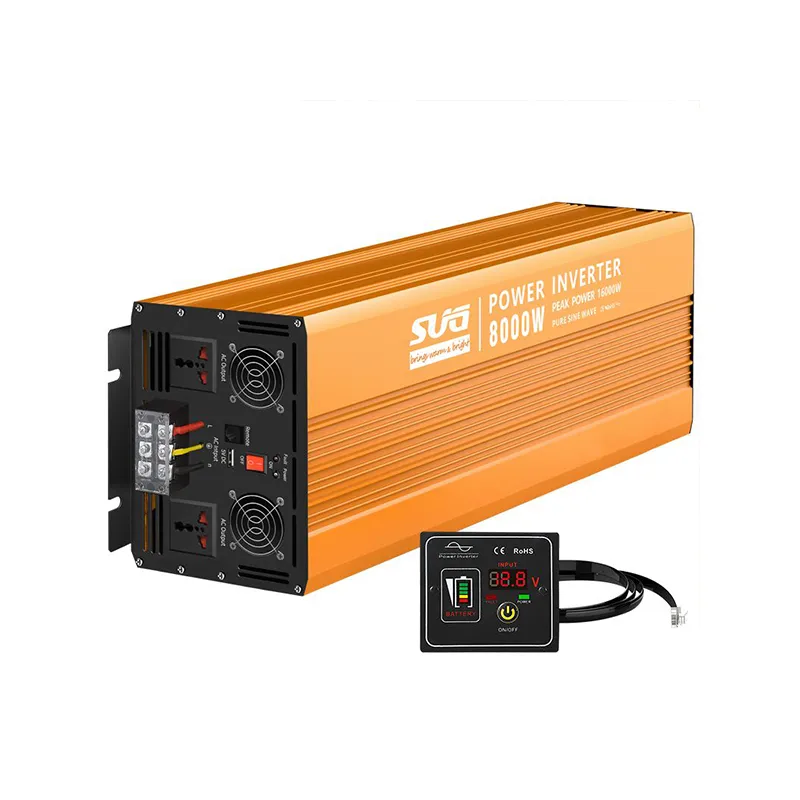
At the core of a robust off-grid power infrastructure is a high-performance inverter. The SGPE 8000W SGPE Series Pure Sine Wave Inverter with E Display exemplifies modern engineering in this domain. This unit is designed for maximum efficiency and reliability, crucial for demanding B2B applications.
The SGPE 8000W series boasts a true pure sine wave output, essential for sensitive electronic equipment, motors, and appliances that require clean, stable power identical to or better than grid utility. Unlike modified sine wave inverters, a pure sine wave prevents harmonic distortion, reduces heat buildup in devices, and extends the lifespan of connected loads. Key features often include:
- Integrated MPPT Charge Controller: Maximizing energy harvest from solar panels by dynamically adjusting to their optimal voltage and current.
- High Surge Capacity: Capable of handling peak loads for starting inductive devices like pumps and refrigerators.
- Comprehensive Protection: Overload, short circuit, over-voltage, under-voltage, and over-temperature safeguards ensure system longevity and safety.
- Advanced Battery Management: Optimized charging algorithms for various battery chemistries (e.g., Lead-Acid, Lithium-ion), critical for a reliable off grid solar inverter with battery system.
- User-Friendly E Display: Provides real-time operational data, fault codes, and configurable settings.
SGPE 8000W Key Specifications
| Parameter | Specification (SGPE 8000W Series) |
|---|---|
| Rated Power | 8000W |
| Peak Power (Surge) | 16000W (20ms) |
| Waveform | Pure Sine Wave |
| DC Input Voltage | 48V DC |
| AC Output Voltage | 220/230/240V AC (configurable) |
| Frequency | 50/60 Hz (auto sensing) |
| Efficiency (Peak) | >93% |
| Transfer Time | <10 ms (UPS mode) |
| MPPT Voltage Range | 60-145V DC |
| Max PV Array Power | 10000W |
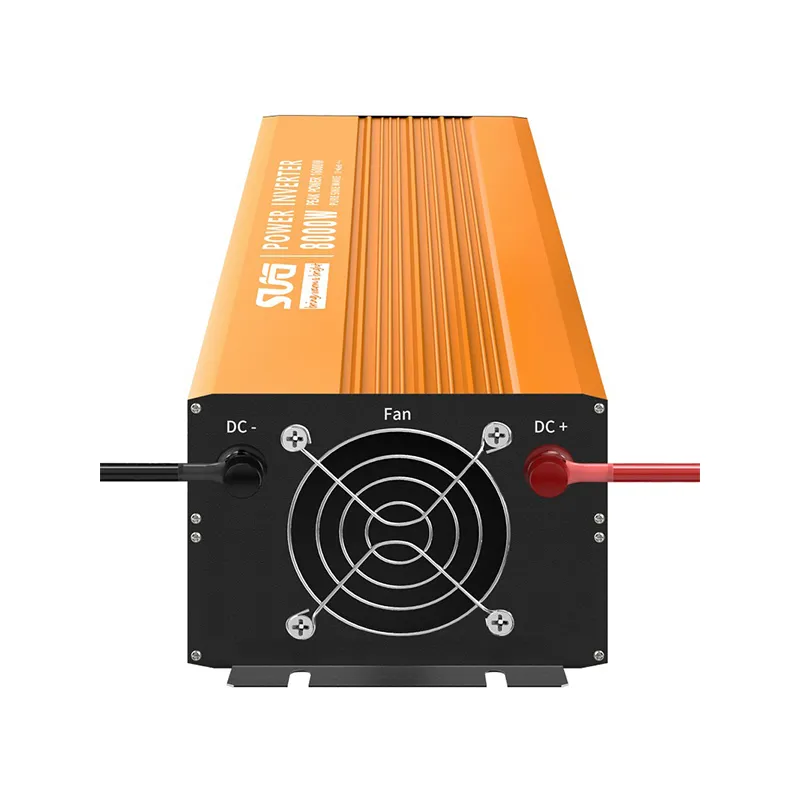
Figure 1: High-efficiency design of a modern off grid solar inverter unit.
Precision Manufacturing of Off-Grid Solar Inverters
The reliability and longevity of an off grid solar inverter are directly proportional to the rigor of its manufacturing process. A multi-stage, quality-controlled production flow ensures that each unit meets stringent performance and durability standards.
Manufacturing Process Flow:
- Component Sourcing and Inspection: High-grade electronic components (IGBTs, capacitors, microcontrollers) are sourced from certified suppliers. Incoming materials undergo rigorous inspection for quality and conformity to specifications.
- PCB Fabrication and Assembly: Printed Circuit Boards (PCBs), the electronic brain of the inverter, are manufactured with precision, often using multi-layer designs for optimized signal integrity and power flow. Components are then mounted via automated Surface Mount Technology (SMT) and Through-Hole Technology (THT) lines, followed by automated optical inspection (AOI) to detect soldering defects.
- Enclosure Fabrication: The inverter’s casing, typically made from high-strength aluminum alloy or robust steel, is manufactured using processes like CNC machining for precise cuts and mounting points, or sometimes casting for specific thermal management designs. These materials are chosen for their excellent heat dissipation properties and corrosion resistance, crucial for extended service life in diverse environmental conditions.
- Final Assembly: The assembled PCBs, power modules, display interfaces, and thermal management systems are integrated into the enclosure. Wiring harnesses are meticulously routed and secured.
- Calibration and Functional Testing: Each inverter undergoes comprehensive calibration to ensure accurate voltage and frequency output, MPPT tracking, and protection threshold settings. Functional testing includes full load testing, surge capacity verification, and efficiency measurements.
- Burn-in Testing: Units are subjected to extended operation under varying load and temperature conditions (typically 24-72 hours) to identify early-life failures and ensure long-term stability.
- Environmental & Reliability Testing: Samples are tested for vibration, shock, temperature cycling, and humidity resistance, adhering to standards like IEC 62109 and relevant sections of ISO and ANSI.
- Final Quality Control and Packaging: A final visual inspection and functional check are performed before packaging for shipment.
This meticulous process ensures a projected service life often exceeding 10-15 years, even in harsh conditions. The robust design and rigorous testing provide significant advantages in industries such as petrochemical, metallurgy, and water supply & drainage, where continuous and reliable power is non-negotiable and equipment must withstand corrosive or extreme environments. Energy saving is inherent through high conversion efficiency, while the material selection and protective coatings contribute to enhanced corrosion resistance.
Strategic Advantages and Application Scenarios
Deploying a high-quality off grid solar inverter offers a multitude of technical and operational advantages, especially for B2B stakeholders.
Technical Advantages:
- Unparalleled Reliability: Designed for continuous operation, these inverters feature redundant components and advanced fault detection systems, ensuring minimal downtime.
- High Conversion Efficiency: Modern inverters achieve efficiencies exceeding 93%, minimizing energy loss during DC-to-AC conversion and maximizing the utility of generated solar power.
- Advanced Communications & Monitoring: Ethernet/RS485 ports enable remote monitoring and control, allowing for proactive maintenance and system optimization from any location.
- Robust Environmental Tolerance: With wide operating temperature ranges and robust IP ratings, these units perform reliably in challenging climates, from arid deserts to humid tropical regions.
- Scalability: Modular designs allow for parallel operation of multiple inverters, enabling easy expansion of power capacity as demand grows.
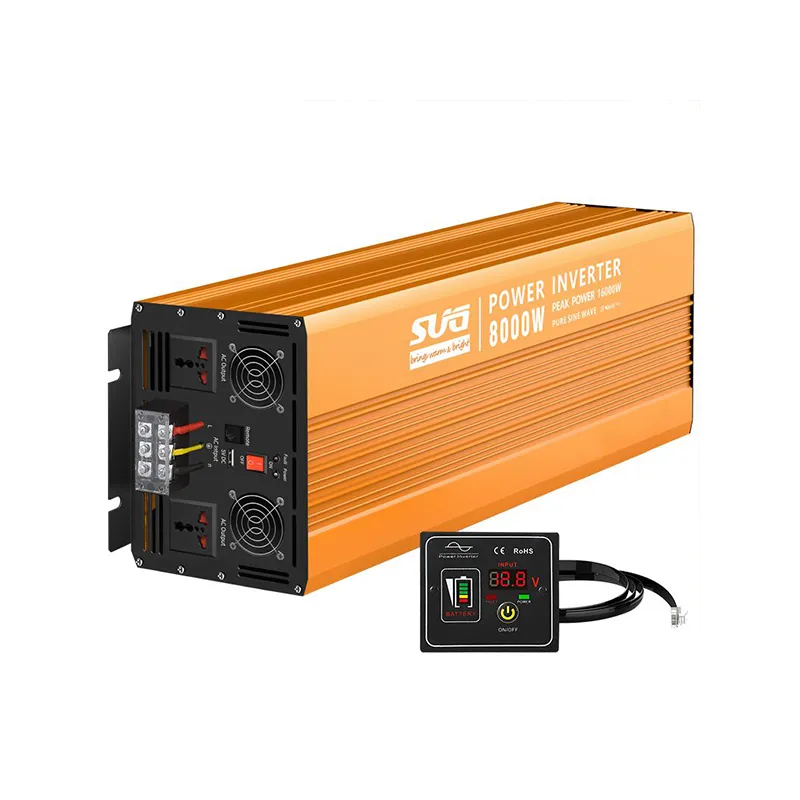
Figure 2: The internal architecture of an advanced inverter offgrid system.
Typical Application Scenarios:
- Remote Telecommunication Stations: Powering critical communication infrastructure where grid access is nonexistent or unreliable.
- Oil & Gas Exploration Sites: Providing power for drilling equipment, monitoring systems, and remote housing in isolated regions.
- Agricultural Pumping and Irrigation: Powering water pumps and other farm equipment efficiently, reducing operational costs.
- Mining Operations: Ensuring power for lighting, ventilation, and critical processing equipment in mines located far from conventional power grids.
- Disaster Relief & Emergency Services: Rapid deployment of temporary power solutions for critical operations during emergencies.
- Eco-Tourism & Remote Lodges: Providing sustainable, silent power for hotels and resorts in environmentally sensitive areas.
The specific advantages, such as enhanced energy saving and superior corrosion resistance due to specialized coatings and robust enclosures, are particularly valuable in the petrochemical sector, for metallurgy plants requiring uninterruptible power, and for water supply & drainage systems where reliability is paramount.
Vendor Comparison and Customized Solutions
Selecting the appropriate off grid solar inverter is a strategic decision that impacts system performance, longevity, and total cost of ownership. While many manufacturers offer solutions, distinctions in quality, features, and support are significant.
Comparative Analysis of Off-Grid Inverters
| Feature/Parameter | SGPE 8000W Series (Benjiu Solar) | Mid-Tier Market Inverter | Economy Class Inverter |
|---|---|---|---|
| Waveform Quality | True Pure Sine Wave (THD <3%) | Pure Sine Wave (THD <5%) | Modified Sine Wave or Poor Pure Sine |
| Peak Efficiency | >93% | 88-92% | <85% |
| Surge Rating (20ms) | 2x Rated Power (e.g., 16000W for 8KW) | 1.5x Rated Power | 1.2x Rated Power or None |
| Integrated Charge Controller | MPPT (High Current, Wide Voltage) | MPPT (Standard) or PWM | PWM or External Required |
| Battery Compatibility | Lead-Acid, LiFePO4 (Advanced BMS integration) | Lead-Acid, Basic LiFePO4 | Lead-Acid only |
| Communication Ports | RS485, USB, Optional Wi-Fi/GPRS | USB, Basic RS232 | None or Basic LED indicators |
| Warranty (Years) | 3-5+ (Standard) | 2-3 | 1 |
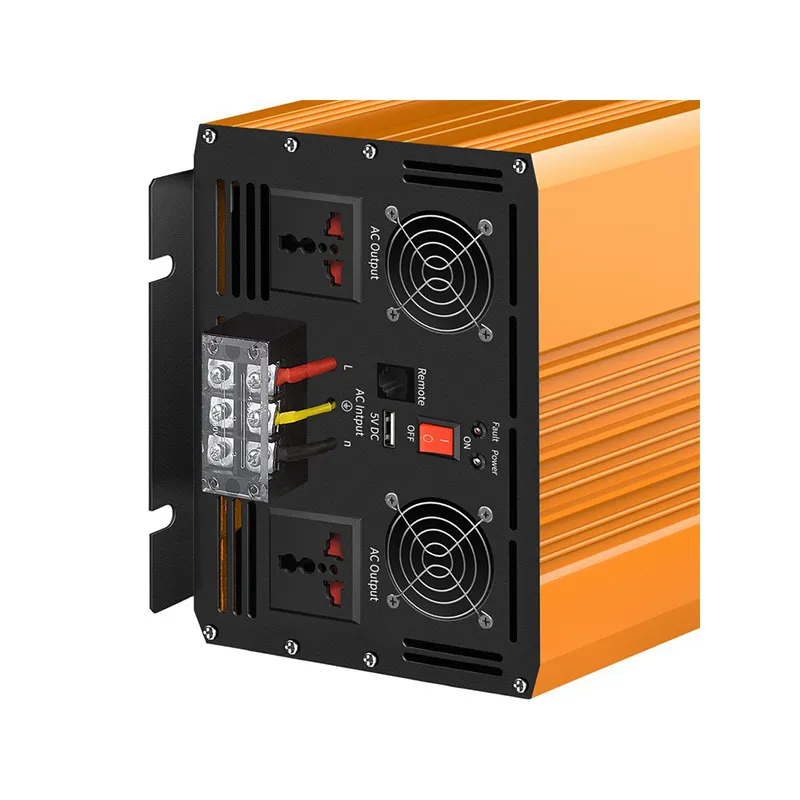
Figure 3: Advanced display interface of an off grid solar inverter providing real-time data.
Customized Solutions: Tailoring Power for Specific Needs
Standard inverters provide a baseline, but complex B2B environments often require tailored solutions. A professional provider offers extensive customization options for their off grid solar inverter systems, including:
- Load Matching: Sizing the inverter precisely to the aggregate and peak load requirements of the application, ensuring optimal performance without oversizing.
- Battery Bank Integration: Designing the optimal battery storage solution (capacity, chemistry, Voltage) to match energy autonomy requirements and inverter specifications. This is crucial for an effective off grid solar inverter with battery system.
- Solar Array Optimization: Configuring the solar panel array for maximum energy harvest based on geographic location, shading analysis, and system voltage.
- Environmental Hardening: Providing specialized enclosures, conformal coatings for PCBs, or active cooling systems for extreme temperatures, high humidity, or corrosive atmospheres.
- Advanced Monitoring & Control Systems: Integrating proprietary software or connecting to existing SCADA systems for enhanced remote management and predictive maintenance.
- Hybrid System Integration: Designing systems that incorporate other power sources like diesel generators for backup or wind turbines, seamlessly managed by the inverter's control logic.
These bespoke solutions ensure that the deployed inverter offgrid system is perfectly aligned with operational demands, yielding superior return on investment and long-term reliability.
Real-World Application Case Studies
The practical impact of advanced off grid solar inverter technology is best demonstrated through successful deployments. Here are examples showcasing diverse applications:
- Case Study 1: Remote Medical Clinic, Sub-Saharan Africa
A primary healthcare clinic operating in a village without grid access faced constant challenges with vaccine refrigeration and medical equipment power. A custom Benjiu Solar off grid solar inverter with battery system, featuring an SGPE series inverter, was installed. This solution provided 24/7 reliable power for critical refrigeration units, lighting, and diagnostic tools, significantly improving healthcare delivery. Customer feedback highlighted reduced operational costs from eliminating diesel generators and improved patient outcomes due to consistent power.
- Case Study 2: Offshore Oil & Gas Platform, Southeast Asia
For a small, uncrewed monitoring platform, maintaining power for telemetry and environmental sensors was crucial but expensive due to fuel logistics for generators. A robust off grid solar inverter system was designed with marine-grade components and advanced remote monitoring capabilities. The system has operated autonomously for over two years, providing uninterrupted power and enabling data transmission, leading to substantial cost savings and enhanced safety by reducing human intervention.
- Case Study 3: Mountain Lodge & Research Station, Andes
A high-altitude lodge and adjacent scientific research station required a silent, environmentally friendly power source. A modular inverter offgrid system was implemented, integrating multiple SGPE inverters in parallel with a substantial battery bank. This allowed for scalable power to support guest accommodations, kitchens, and sensitive laboratory equipment, demonstrating energy self-sufficiency and minimal environmental impact in a pristine ecosystem.
Ensuring Trust and Authority: Our Commitment to Clients
Building long-term partnerships in the B2B sector requires demonstrable authority, transparent operations, and unwavering trustworthiness. Our commitment is underpinned by stringent standards and comprehensive support.
Certifications and Industry Standards
- ISO 9001:2015 Certified: Adherence to international quality management system standards across all manufacturing and operational processes.
- CE & RoHS Compliance: Products meet European safety, health, and environmental protection requirements.
- IEC 62109 Compliance: Specific safety of power converters for use in photovoltaic power systems.
- Years of Service: With over 15 years in the solar industry, our experience reflects a deep understanding of evolving energy needs.
- Strategic Partnerships: Collaborations with leading battery manufacturers and system integrators ensure seamless compatibility and holistic solutions.
Lead Time & Fulfillment
Typical lead times for standard SGPE series off grid solar inverter units range from 2-4 weeks, depending on order volume and customization requirements. Expedited options are available for urgent projects. Our logistics network ensures efficient and secure global delivery.
Warranty Commitments
All SGPE series inverters come with a standard 3-year warranty covering defects in materials and workmanship. Extended warranty options of up to 5 years are available, providing enhanced peace of mind for mission-critical applications. Our warranty terms are transparent and fully supported by our global service network.
Customer Support & After-Sales Service
Our dedicated technical support team is available 24/7, offering multilingual assistance for installation, troubleshooting, and system optimization. We maintain a comprehensive inventory of spare parts to ensure rapid replacement and minimize downtime. Training programs are also offered for client technical teams to enhance their operational capabilities.
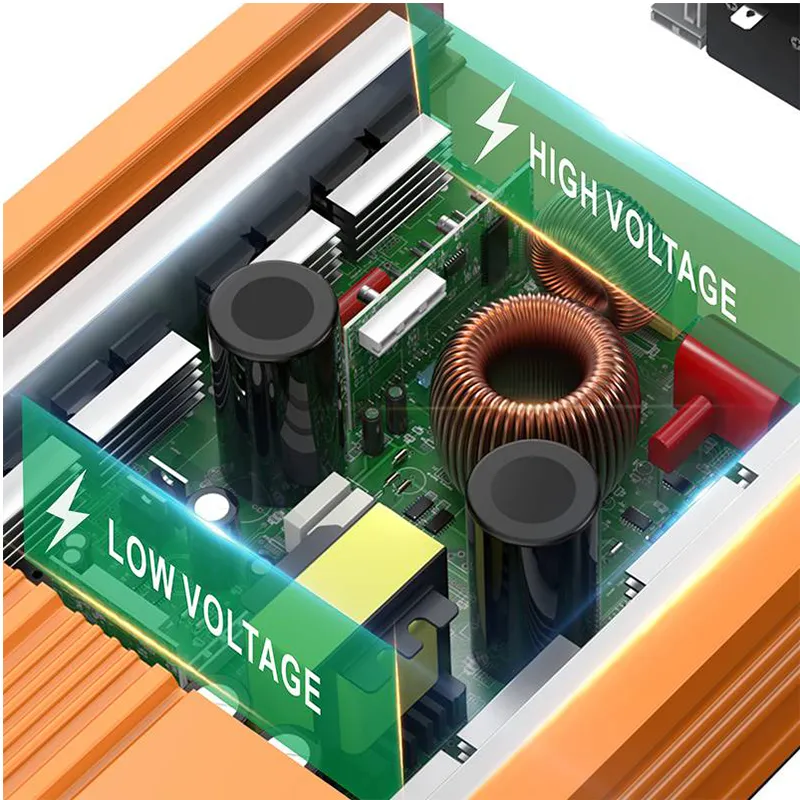
Figure 4: The robust connection terminals for an off grid solar inverter, ensuring secure power flow.
Frequently Asked Questions (FAQ) about Off-Grid Solar Inverters
A: A pure sine wave inverter produces AC power identical to or cleaner than grid electricity, making it safe for all electronic devices, especially sensitive equipment. A modified sine wave inverter produces a stepped waveform that can cause overheating, reduced efficiency, or malfunction in certain appliances.
A: Sizing depends on your total continuous load (sum of all devices running simultaneously) and the maximum surge load (peak power needed to start motor-driven appliances). It's crucial to account for both to prevent overload. Our technical team can assist with precise calculations.
A: Yes, the SGPE series can be configured for hybrid operation, seamlessly integrating with a backup generator. The inverter can automatically start/stop the generator based on battery state of charge or load demand, providing ultimate power security.
A: Minimal. Regular checks include ensuring ventilation is clear, connections are secure, and display readings are normal. Battery maintenance will depend on the battery type used. Remote monitoring capabilities often help in proactive identification of potential issues.
Conclusion: The Future of Autonomous Power
The role of the off grid solar inverter is more critical than ever in shaping a future of energy independence and resilience. As industries continue to decentralize and seek sustainable operational models, advanced inverters like the SGPE 8000W series will remain at the forefront, empowering robust and reliable off-grid power solutions. For B2B decision-makers and engineers, investing in high-quality, expertly designed, and comprehensively supported off-grid inverter technology is not just an operational choice but a strategic imperative for long-term success and environmental stewardship.
References:
- International Electrotechnical Commission (IEC). IEC 62109-1: Safety of power converters for use in photovoltaic power systems – Part 1: General requirements.
- International Organization for Standardization (ISO). ISO 9001:2015: Quality management systems – Requirements.
- National Renewable Energy Laboratory (NREL). Solar Inverter Technologies.
- Renewable Energy Policy Network for the 21st Century (REN21). Renewables 2023 Global Status Report.
-
Designing a Modern Home Roof Made Out of Solar Panels GuideNewsApr.16,2026
-
Guide to the Size of 150 Watt Solar Panel for Your ProjectNewsApr.09,2026
-
Understanding the Dimensions and Applications of a 200W Solar PanelNewsApr.07,2026
-
Understanding the Dimensions and Factors of a 330W Solar Panel SizeNewsApr.04,2026
-
Understanding the Size and Dimensions of a 4kW Solar Panel System for Your HomeNewsMar.31,2026
-
Comprehensive Guide to Sizing Your Solar System for Optimal Energy ProductionNewsMar.28,2026