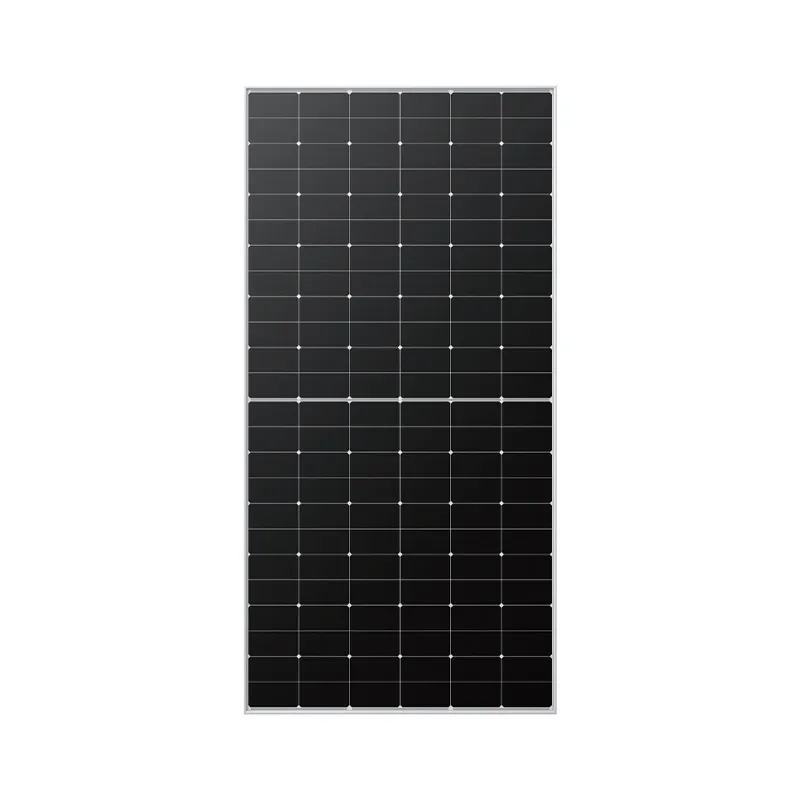
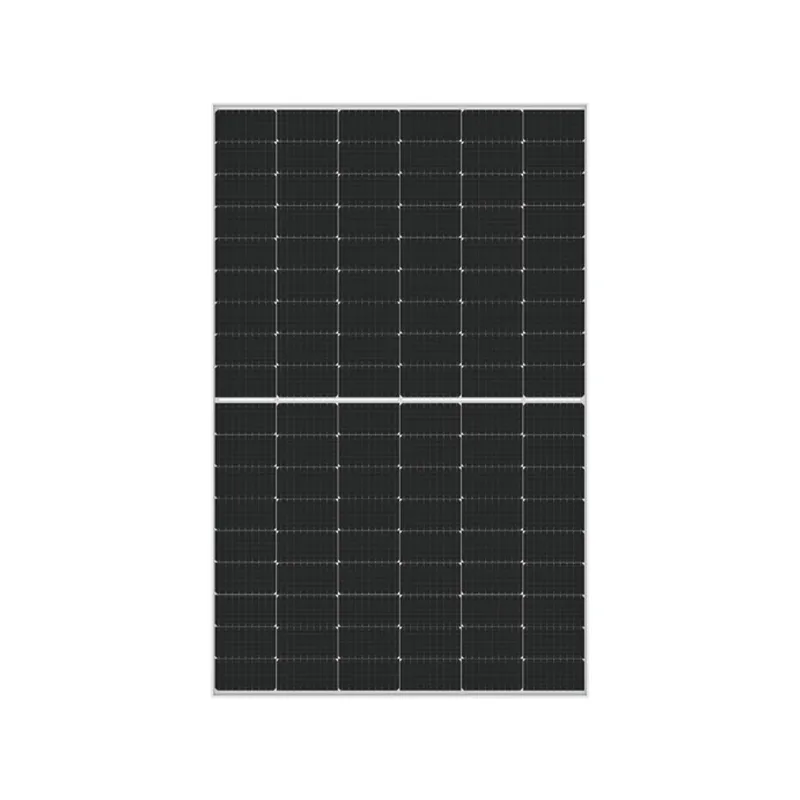
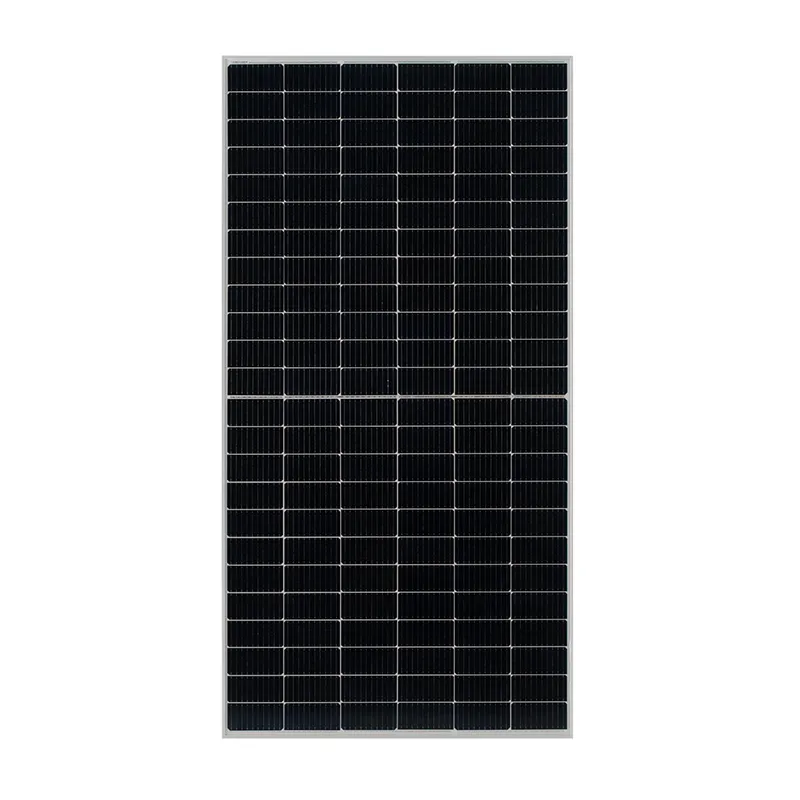
Need JA 585-610W MBB Half-cell Module Solar Panel for Home?
Real-World Look at the JA 585-610W MBB Half-cell Module Solar Panel for Home
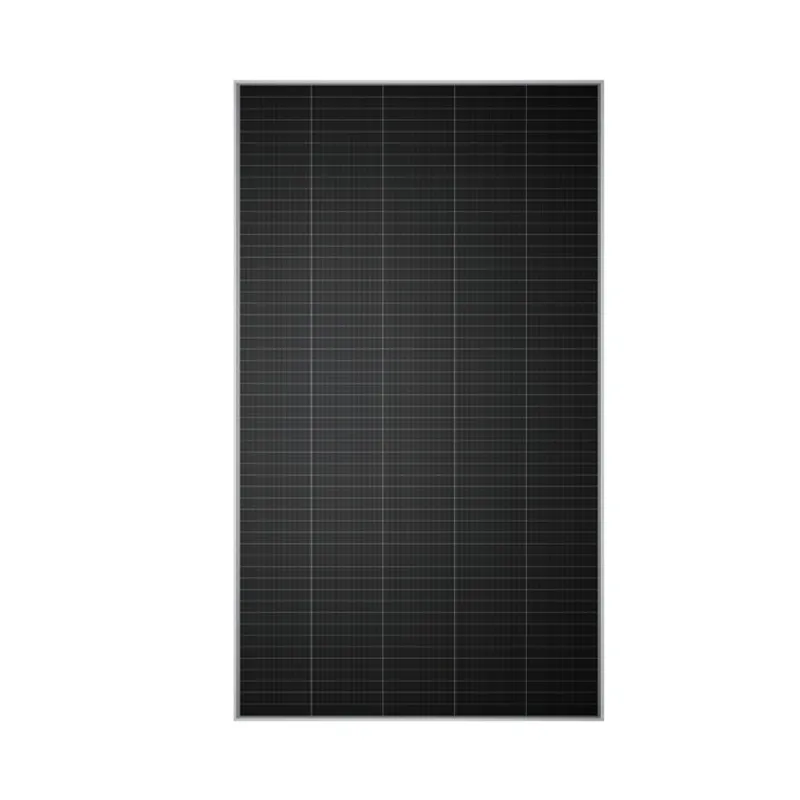
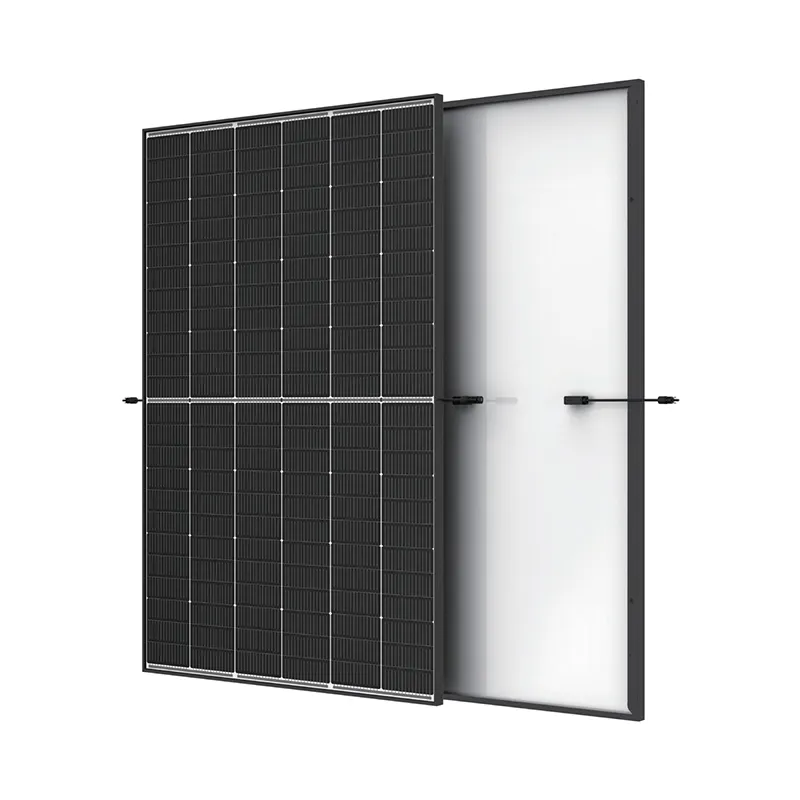
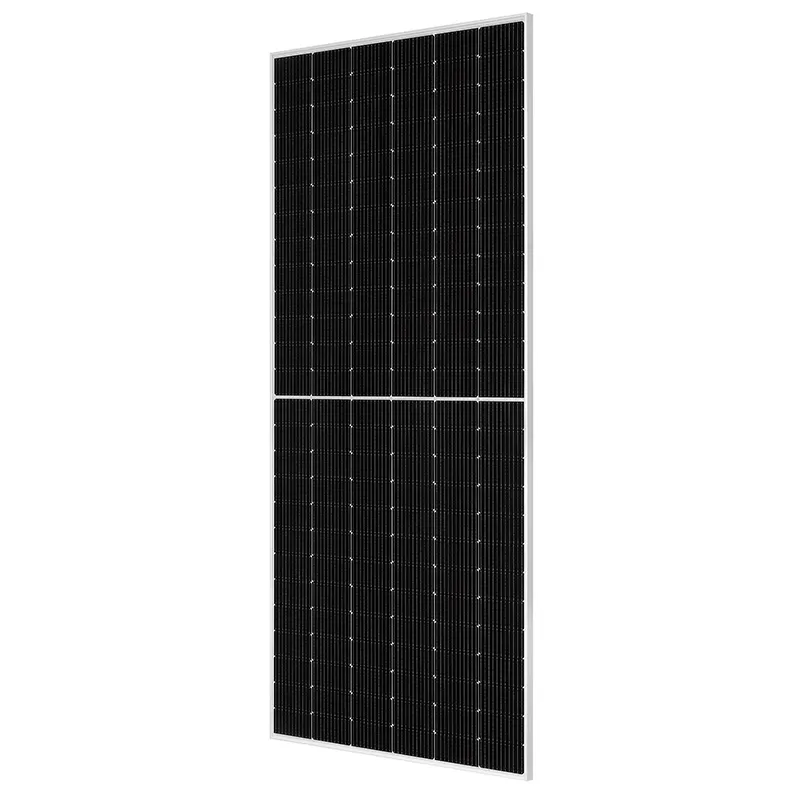
Residential solar has been quietly drifting into “utility-scale” territory. Homeowners are asking for higher-wattage panels to shrink array footprints, cut racking and wiring costs, and—honestly—just to future‑proof. That’s where the JA 585-610W MBB Half-cell Module Solar Panel for Home slots in: a big, efficient module that borrows the latest utility-grade tricks (multi-busbar, half-cells) and makes them rooftop-friendly.
Why this class of panel is trending
- Fewer modules for the same kW, which means fewer rails, clamps, and penetrations—installers love that.
- Microinverters and optimizers are catching up on input current; string inverters are already comfortable here.
- Many customers say higher-watt modules look cleaner on larger roofs. And yes, it’s a conversation piece.
Key specifications (typical for this category)
| Rated Power (Pmax) | ≈ 585–610 W (STC, +0~+5 W binning in many cases) |
| Module Efficiency | around 21%–22.6% (real-world use may vary) |
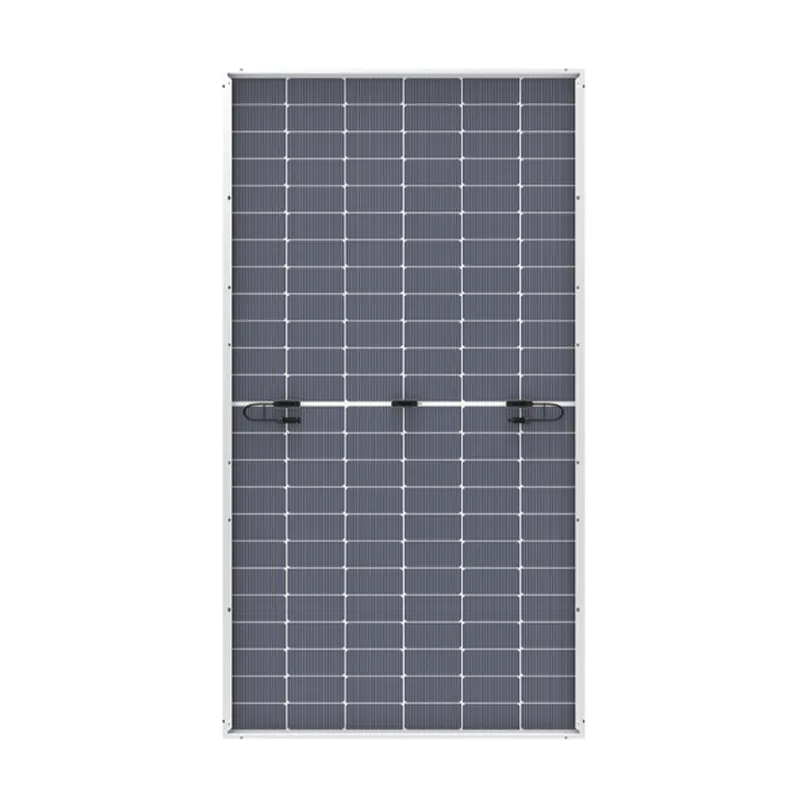
| Cell / Layout | Monocrystalline, MBB half‑cell; 210 mm wafer class; ≈144–156 half-cells |
| Electrical (typ.) | Voc ≈ 52–57 V, Isc ≈ 14–15 A; Vmpp ≈ 43–45 V, Impp ≈ 13–14 A |
| Temp Coef (Pmax) | ≈ −0.30%/°C |
| Size & Weight | ≈ 2170 × 1300 × 35 mm; ≈ 28–32 kg |
| Mechanical Ratings | Wind 2400 Pa / Snow 5400 Pa (typ.) |
| Certifications | IEC 61215, IEC 61730; often salt‑mist (IEC 61701), ammonia (IEC 62716), PID (IEC 62804) |
| Warranty (indicative) | ≈12-year product; 25–30-year linear performance down to ≈84–87% |
Materials, methods, and testing (how it’s built)
- Materials: high-purity mono cells, tempered low‑iron glass, EVA/POE encapsulant, anodized Al frame, IP68 junction box.
- Process: multi‑busbar stringing, half‑cell cutting to lower resistive losses, lamination, and EL imaging to catch micro‑cracks.
- Testing: flash at STC (1000 W/m², 25°C, AM1.5G), insulation/dielectric checks, PID stress, damp‑heat, thermal cycling.
- Service life: designed for 25–30 years with gradual degradation; field studies typically show ≈0.5%/year median, location dependent.
Vendor comparison snapshot
| Model (indicative) | Power | Efficiency | Cell Tech | Warranty (Prod/Perf) | Notes |
|---|---|---|---|---|---|
| JA 585-610W MBB Half-cell Module Solar Panel for Home | 585–610 W | ≈21–22.6% | Mono, MBB, half‑cell | ≈12y / 25–30y | High current; fewer modules per kW |
| LONGi Hi‑MO 7 (≈585 W) | ≈580–590 W | ≈21%+ | n‑type/TOPCon, half‑cell | ≈12y / 25–30y | Good low‑irradiance response |
| Trina Vertex (≈600 W) | ≈595–605 W | ≈21%+ | Mono MBB, half‑cell | ≈12y / 25–30y | Broad inverter compatibility |
Note: Specs vary by exact sub‑model and region; always check the current datasheet.
Where it fits (and what to watch)
- Rooftops with decent area: two rows can hit 7–9 kW quickly. For microinverters/optimizers, confirm input current and voltage headroom. For strings, a 600–1000 Vdc inverter makes life easy.
- Coastal or agricultural sites: look for salt‑mist and ammonia certifications.
- Storage‑ready homes: higher DC per module pairs nicely with NEM 3.0‑style tariff strategies.
Customization and logistics
Options often include black frame/white or black backsheet, cable length tweaks, MC4‑compatible connectors, and palletization by project size. Origin: 2B01, Guomao Building, Zhongshan Road, Qiaoxi District, Shijiazhuang City, Hebei Province, China.
Field notes, testing data, and a quick case
In practice, bins tend to ship positive (e.g., +3 W). On a 7.3 kW Hebei villa (12 modules, string inverter), first‑year yield came in at ≈9.3 MWh—right where we expected, given local irradiance. Homeowners told us the “fewer modules, cleaner lines” pitch wasn’t just marketing; it looked better than a 20‑panel 400 W array.
Compliance and standards to check off
- Product safety/certification: IEC 61215/61730 (global), UL 61730 (North America).
- Design/code: NEC 690 for wiring and OCPD in the U.S.
- Durability: PID (IEC 62804), salt‑mist (IEC 61701), ammonia (IEC 62716). If you’re near the coast, insist on those test reports.
Citations:
[1] IEC 61215: Terrestrial PV Module Design Qualification and Type Approval.
[2] IEC 61730/UL 61730: PV Module Safety Qualification.
[3] IEC 62804: Photovoltaic Module—Potential Induced Degradation Testing.
[4] NREL—PV field degradation benchmarks and best practices.
-
Designing a Modern Home Roof Made Out of Solar Panels GuideNewsApr.16,2026
-
Guide to the Size of 150 Watt Solar Panel for Your ProjectNewsApr.09,2026
-
Understanding the Dimensions and Applications of a 200W Solar PanelNewsApr.07,2026
-
Understanding the Dimensions and Factors of a 330W Solar Panel SizeNewsApr.04,2026
-
Understanding the Size and Dimensions of a 4kW Solar Panel System for Your HomeNewsMar.31,2026
-
Comprehensive Guide to Sizing Your Solar System for Optimal Energy ProductionNewsMar.28,2026