Monocrystalline Solar Panel Manufacturer | High Efficiency
Inside the N‑Type Wave: What to Look for in a monocrystalline solar panel manufacturer
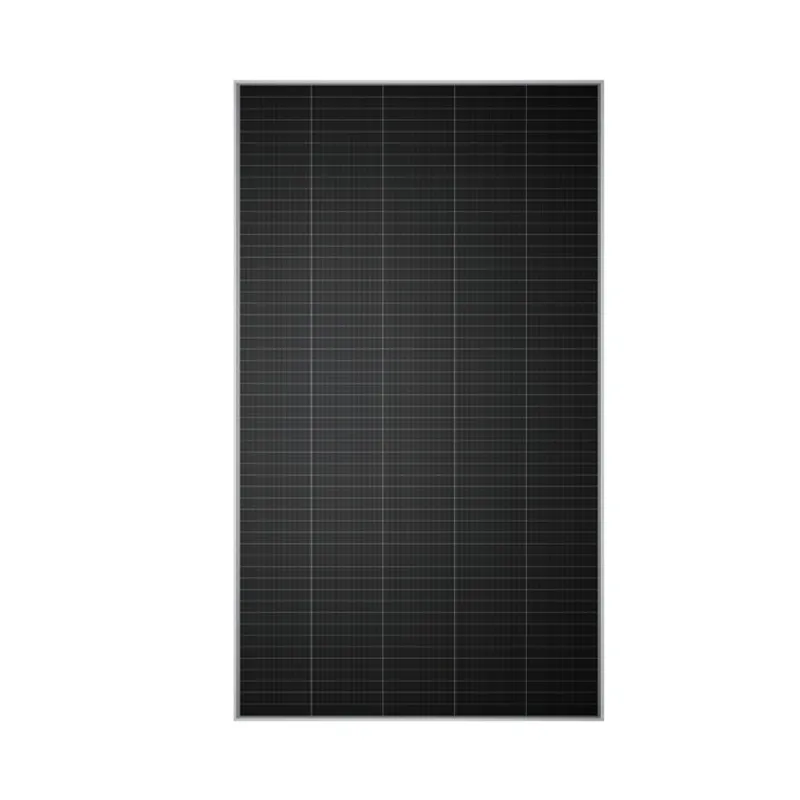
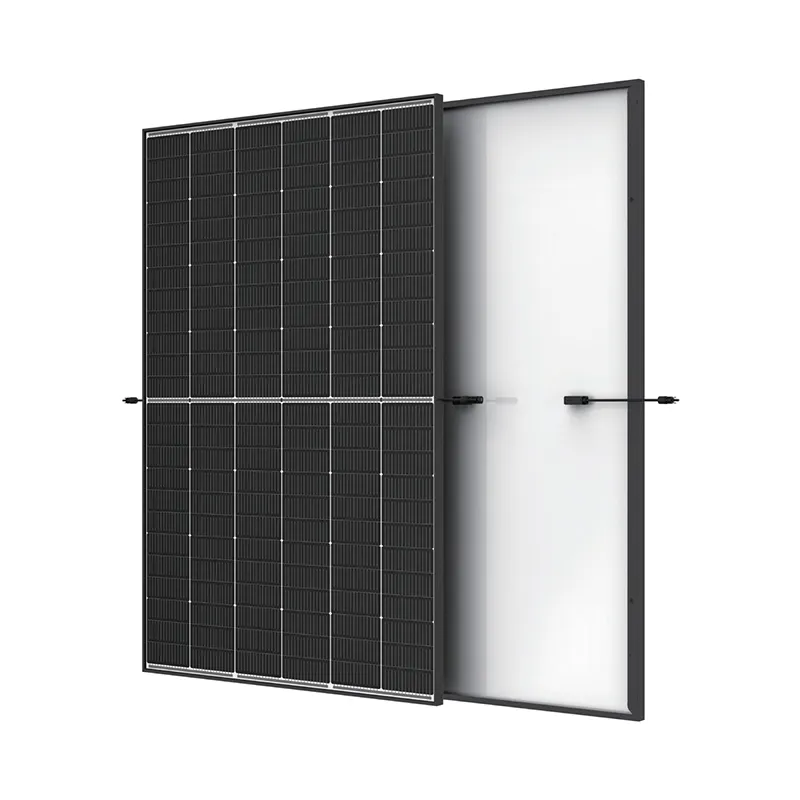
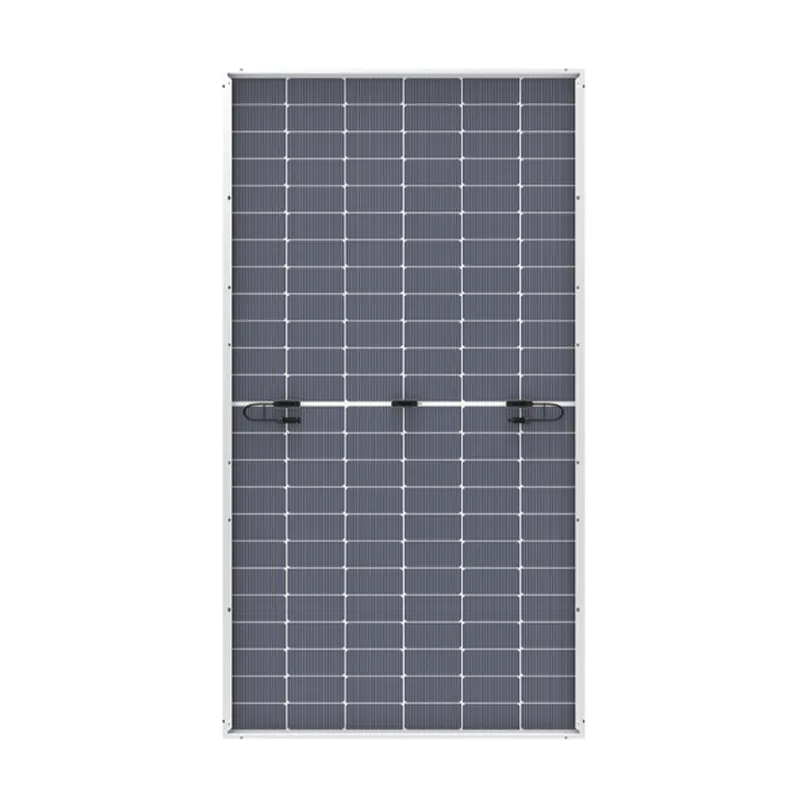
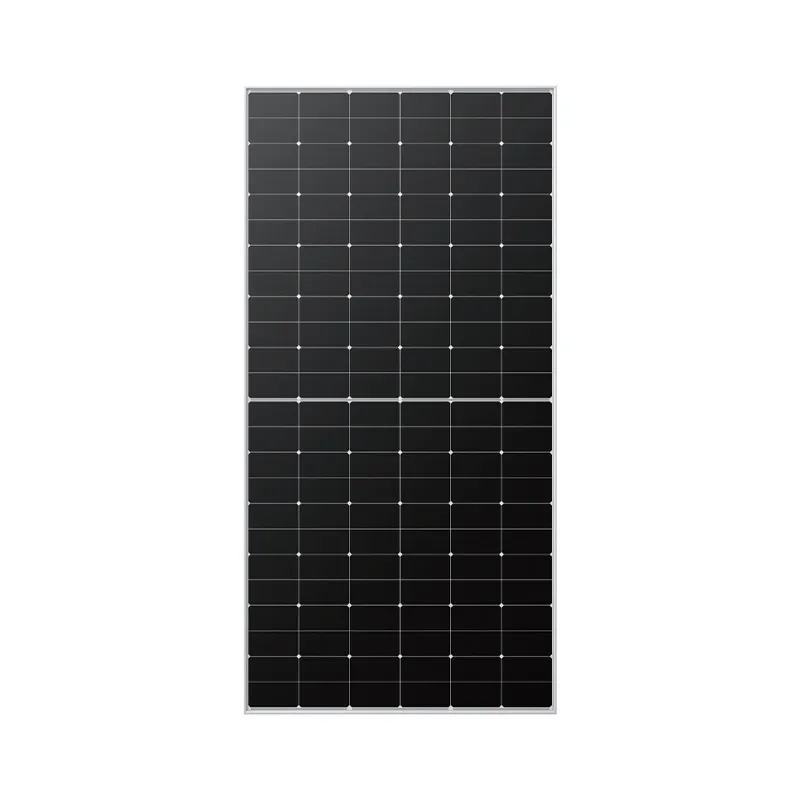
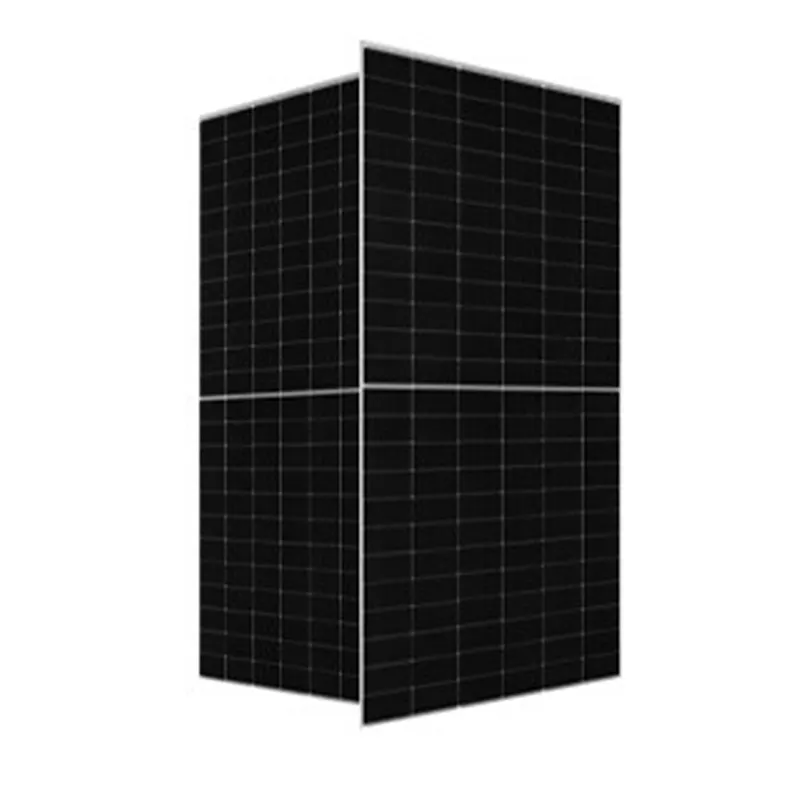
If you’ve been scanning proposals lately, you’ve probably noticed a shift: N‑type bifacial modules are quietly becoming the default on serious utility and C&I builds. To be honest, it’s not hype—N‑type TOPCon keeps showing better light‑induced degradation behavior and stronger low‑light pickup. The JA 610‑635W N‑Type Bifacial Double Glass Mono Module Solar Panel is a good example; I visited a distributor in Hebei earlier this year, and the installer chatter was surprisingly positive about winter performance.
Why N‑type, and why now?
In fact, N‑type cell architectures (often TOPCon) deliver lower temperature coefficients and higher bifaciality factors (≈75–85%), which matters in hot summers and high‑albedo sites alike. Double glass construction—front and rear tempered—is tougher than standard backsheet designs, with longer service life (around 30 years in real‑world use, assuming decent O&M).
Quick spec snapshot (approximate)
| Item | JA 610–635W N‑Type Bifacial Double Glass |
|---|---|
| Rated Power (STC) | ≈610–635 W |
| Module Efficiency | up to ≈22% (real‑world may vary) |
| Cell Type | N‑type TOPCon mono, 182 mm class, multi‑busbar |
| Bifaciality Factor | ≈75–85% |
| Temperature Coefficient (Pmax) | ≈ −0.30%/°C |
| Mechanical Load | 5400 Pa (snow), 2400 Pa (wind) typical |
| Certifications | IEC 61215 / 61730, IEC TS 62804 PID, ISO 9001/14001/45001 |
| Warranty | Up to 12–15 yr product; up to 30 yr linear power (vendor policy) |
Manufacturing process (how it’s typically done)
Materials: N‑type mono ingots → low‑microcrack wafers → TOPCon diffusion & passivation → multi‑busbar cell interconnection → double glass lamination (POE/POE encapsulant) → anodized frame (optional) → MC4‑compatible connectors.
Methods & tests: EL imaging (pre/post‑lamination), IV curve flashing at STC, PID resistance per IEC TS 62804, salt mist (IEC 60068‑2‑52), ammonia (IEC 62716), thermal cycling and damp heat (IEC 61215). Service life: designed ≈30 years with proper mounting and O&M.
Where it’s being used
- Utility‑scale trackers in deserts and high‑albedo snowfields (rear‑side gain).
- Rooftop C&I: data centers, logistics roofs—customers say heat‑season output holds up.
- Agrivoltaics and carports (diffuse light, balanced loads).
- Off‑grid telecom or microgrids—when paired with smart inverters, it’s rock solid.
Vendor comparison (at a glance)
| Manufacturer | Cell Tech | Power Range | Bifaciality | Warranty (typ.) |
|---|---|---|---|---|
| JA Solar | N‑type TOPCon | ≈600–700 W | ≈75–85% | 12–15y / up to 30y |
| LONGi | N‑type TOPCon | ≈555–610 W | ≈75–80% | 12y / 30y |
| Jinko | N‑type TOPCon | ≈565–635 W | ≈75–85% | 12–15y / 30y |
| Trina | N‑type TOPCon | ≈580–700 W | ≈70–80% | 12y / 30y |
Note: Specs and warranties change; always check current datasheets.
Customization & logistics
Options often include frame (black/silver or frameless), junction box IP rating, cable length, and carton/pallet configs. Sourcing from a monocrystalline solar panel manufacturer with local QC and post‑sale support helps. Origin for this line: 2B01, Guomao Building, Zhongshan Road, Qiaoxi District, Shijiazhuang City, Hebei Province, China.
Field notes (customer feedback)
Installers report tighter binning and “clean EL images” out of the box. One EPC told me rear‑side gain on a light gravel yard came in around 7–10%, which, I guess, is exactly what the financial model hoped for.
Mini case studies
- Logistics rooftop, 3.2 MWp: lower clipping in midsummer due to cooler N‑type behavior.
- Desert tracker farm, 150 MWp: bifacial boost ≈9% with bright soil; PID tests clean.
- Cold‑climate microgrid: snow albedo raised winter yield; double glass handled loads.
Citations:
- IEC 61215: Terrestrial PV modules—Design qualification and type approval.
- IEC 61730: PV module safety qualification—Requirements for testing.
- IEC TS 62804: Photovoltaic modules—Potential‑induced degradation (PID) testing.
- IEC 62716 & IEC 60068‑2‑52: Ammonia and salt‑mist resistance standards.
- ISO 9001 / 14001 / 45001: Quality, environmental, and OH&S management systems.
-
Designing a Modern Home Roof Made Out of Solar Panels GuideNewsApr.16,2026
-
Guide to the Size of 150 Watt Solar Panel for Your ProjectNewsApr.09,2026
-
Understanding the Dimensions and Applications of a 200W Solar PanelNewsApr.07,2026
-
Understanding the Dimensions and Factors of a 330W Solar Panel SizeNewsApr.04,2026
-
Understanding the Size and Dimensions of a 4kW Solar Panel System for Your HomeNewsMar.31,2026
-
Comprehensive Guide to Sizing Your Solar System for Optimal Energy ProductionNewsMar.28,2026