Monocrystalline Solar Panel Manufacturer | High Efficiency
Inside the N-Type Era: Notes from a monocrystalline shop floor
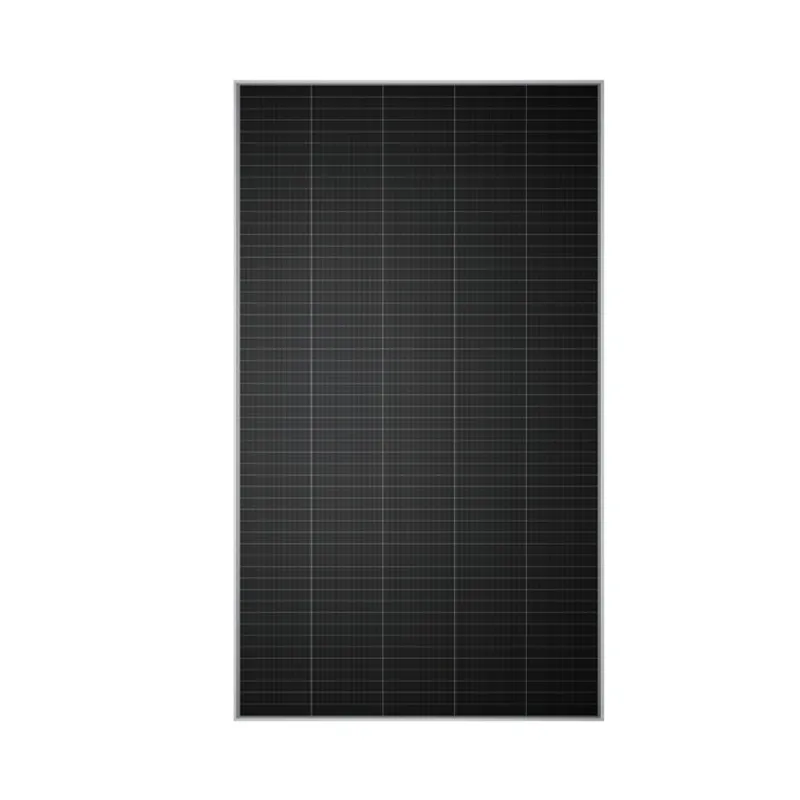
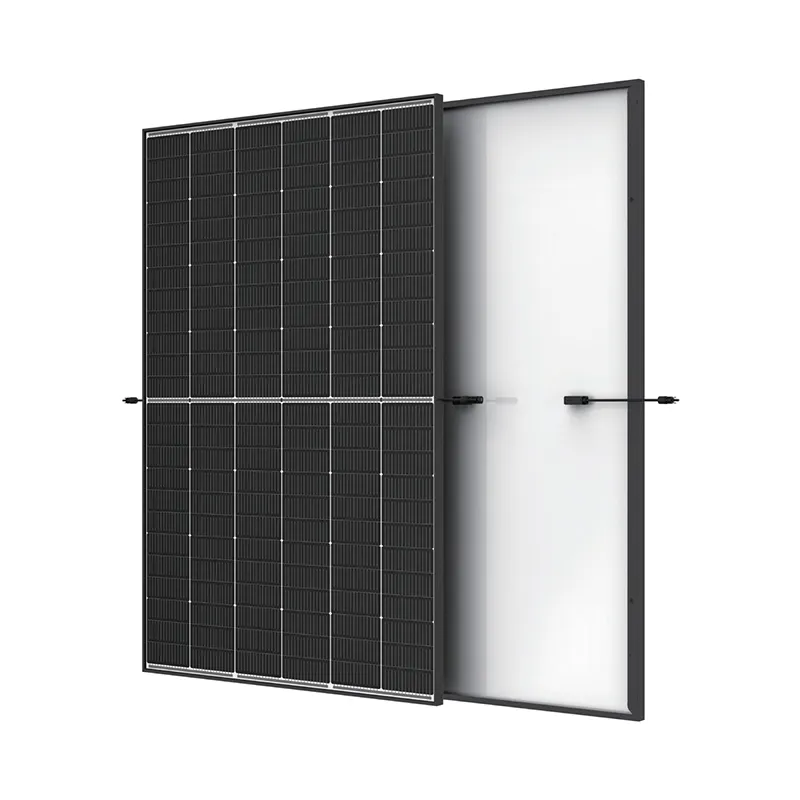
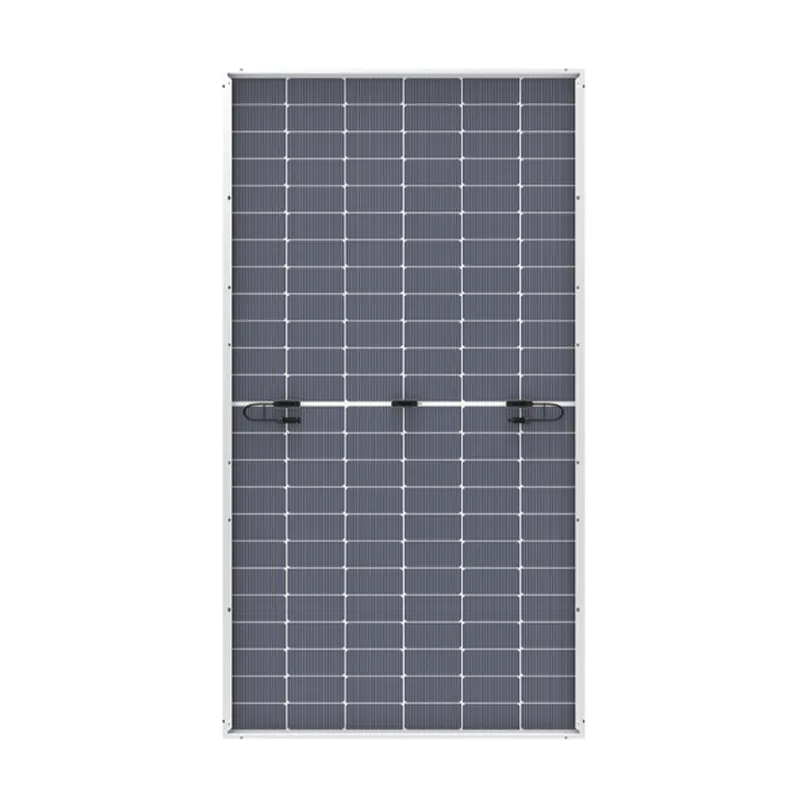
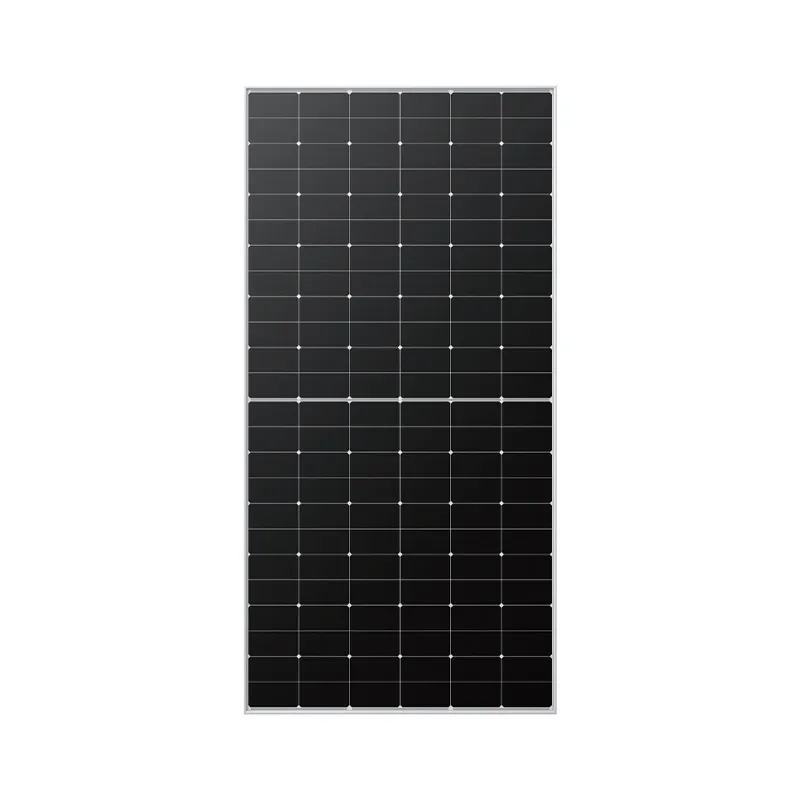
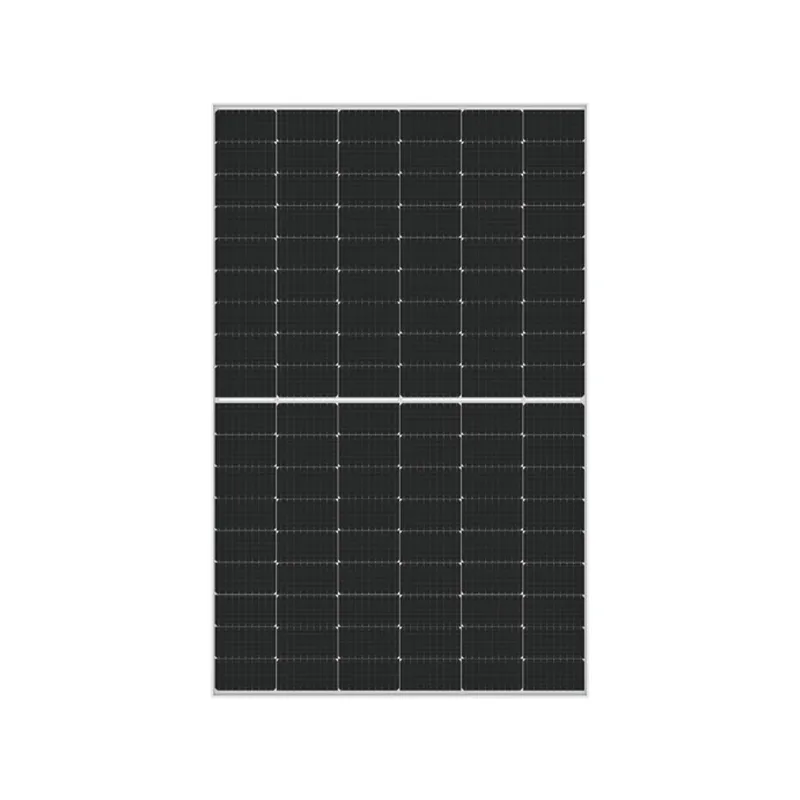
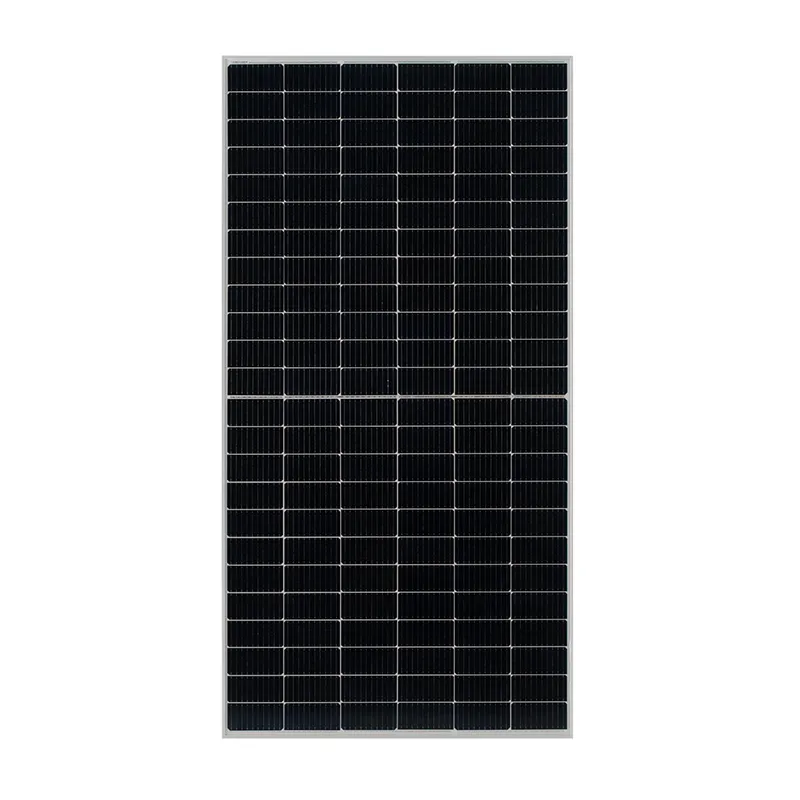
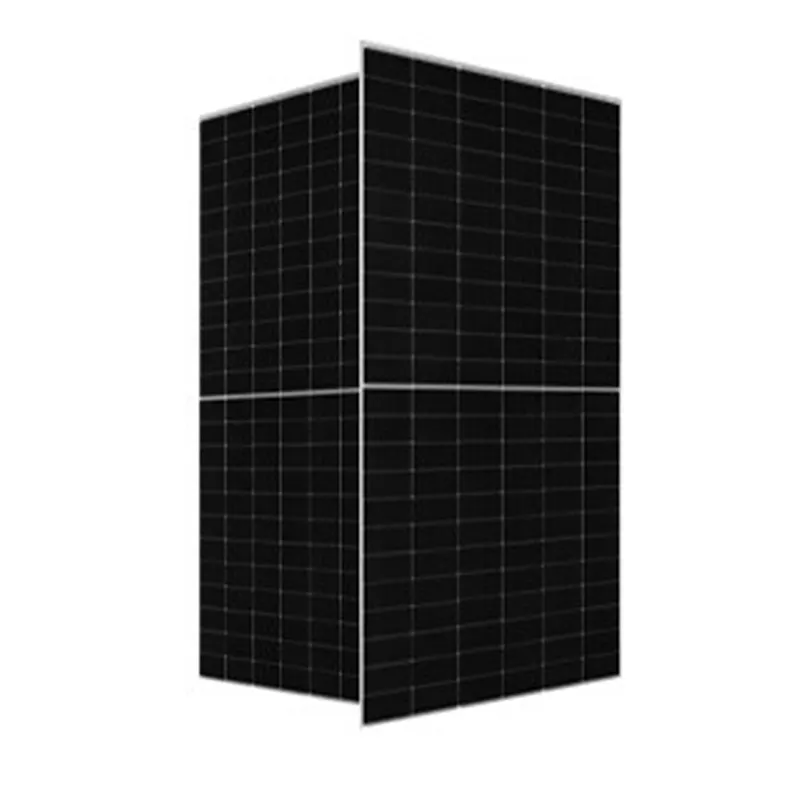
If you’ve been shopping for utility-scale modules lately, you’ve probably heard the same three buzzwords on repeat: N-type, bifacial, glass-glass. As a longtime industry reporter who also hangs around factories more than is probably healthy, I can confirm the hype is—mostly—earned. And if you’re scouting a monocrystalline solar panel manufacturer, the JA 610–635W N-Type Bifacial Double Glass Mono Module is a solid bellwether for where the sector is going.
What’s actually different with N-type bifacial double glass?
The short version: higher efficiency potential, lower LID (light-induced degradation), better high-temperature behavior, and bifacial yield from albedo. Double-glass construction (front and back tempered glass) also tends to extend service life and resist microcracks. Real-world field tests—especially on trackers over bright ground cover—continue to show 5–15% energy uplift vs. monofacial, though your mileage varies with site conditions.
Product snapshot: JA 610–635W N-Type Bifacial Double Glass Mono Module
| Parameter | Spec (≈ / typical) |
|---|---|
| Rated Power | 610–635 W |
| Cell Type | N-type mono, bifacial, TOPCon-class |
| Module Efficiency | ≈ 21.5–22.8% (lab bins vary; real-world use may vary) |
| Construction | Dual-glass (tempered), POE encapsulant |
| Bifaciality Factor | ≈ 70–85% (site-dependent) |
| Degradation | Year 1 ≈ ≤1%; linear ≈ 0.4%/yr thereafter |
| Certifications | IEC 61215, IEC 61730; potential UL 61730 |
Origin: 2B01, Guomao Building, Zhongshan Road, Qiaoxi District, Shijiazhuang City, Hebei Province, China.
Process flow (how the sausage is made)
Materials: high-purity mono silicon ingots → wafers → N-type diffusion → passivated contacts → multi-busbar ribbons → dual POE → dual tempered glass. Methods: inline texturing, PECVD passivation, laser edge isolation, automated tabbing/stringing, vacuum lamination. Testing: EL imaging pre/post-lam, IV flash at STC, thermal cycling (IEC 61215), damp heat 1000 h, PID per IEC 62804, salt-mist for coastal builds (IEC 61701) when required. Service life: typically 30+ years with glass-glass; warranties often 12–15 yrs product / 30 yrs linear power (check your contract).
Where they shine
- Utility trackers on light or reflective ground (deserts, agrivoltaics, white gravel)
- Commercial rooftops with rear-side clearance and bright membranes
- Carports and canopies (rear gain adds up)
- Coastal or high-humidity zones where glass-glass durability helps
Many customers say the thermal behavior is “surprisingly forgiving” in hot hours, which lines up with N-type’s lower temperature coefficient.
Vendor landscape (quick take)
| Vendor | Cell Tech | Warranty | Bifaciality | Lead Time | Notes |
|---|---|---|---|---|---|
| Benjiu (JA 610–635W) | N-type bifacial, glass-glass | ≈ 12–15y product / 30y power | ≈ 70–85% | Project-based | Competitive on LCOE; strong QC cadence |
| Tier-1 A | N-type TOPCon | Similar | ≈ 70–80% | Firm, but seasonal | Broad bankability history |
| Tier-1 B | N/P-type mix | 10–12y product | ≈ 65–75% | Variable | Aggressive pricing; check QA rigor |
Customization, QA, and feedback
Options usually include frame color, junction box rating, cable length, and tracker-friendly dimensions. Bank engineers keep asking for EL images per lot and BOM traceability—reasonable demands. Field feedback points to low LID (N-type) and stable output after the first summer. To be honest, I always ask for PVEL-style reliability evidence or TÜV Rheinland reports; it’s a quick sniff test for a monocrystalline solar panel manufacturer that takes quality seriously.
Mini case notes
- Tracker farm, dry climate: ≈ 9–12% rear-side gain with light gravel; minimal PID observed post 600 h test sequences.
- Logistics rooftop, white TPO: ≈ 4–6% rear yield; lower hotspot risk vs. older P-type glass-backsheet.
If you’re benchmarking, keep a shortlist of two or three suppliers. Price spreads have narrowed, so finer points—EL yield, PID resistance, warranty bankability—decide the winner. And yes, a responsive monocrystalline solar panel manufacturer that ships clean QC data is worth a small premium.
Authoritative references
- IEC 61215: Terrestrial PV modules – Design qualification and type approval.
- IEC 61730: PV module safety qualification.
- IEC 62804: PV modules – Test for potential-induced degradation (PID).
- IEC 61701: Salt mist corrosion testing of PV modules.
- UL 61730: PV module safety – North American version.
- NREL, Best Research-Cell Efficiency Chart, nrel.gov.
- PVEL PV Module Reliability Scorecard, pvtech/pvel.com.
- TÜV Rheinland PV Testing Services, tuv.com.
-
Designing a Modern Home Roof Made Out of Solar Panels GuideNewsApr.16,2026
-
Guide to the Size of 150 Watt Solar Panel for Your ProjectNewsApr.09,2026
-
Understanding the Dimensions and Applications of a 200W Solar PanelNewsApr.07,2026
-
Understanding the Dimensions and Factors of a 330W Solar Panel SizeNewsApr.04,2026
-
Understanding the Size and Dimensions of a 4kW Solar Panel System for Your HomeNewsMar.31,2026
-
Comprehensive Guide to Sizing Your Solar System for Optimal Energy ProductionNewsMar.28,2026