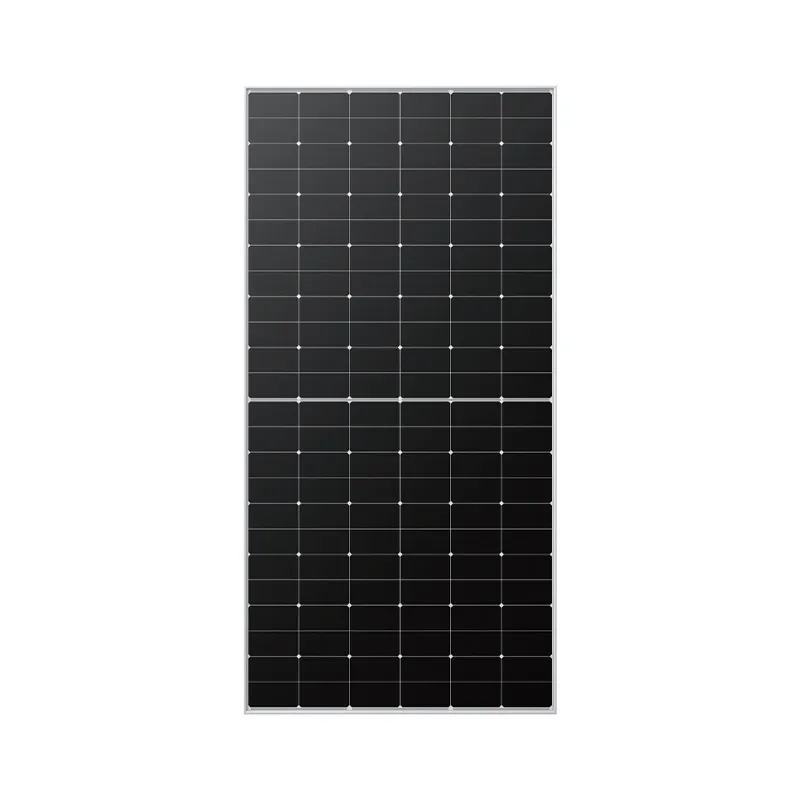
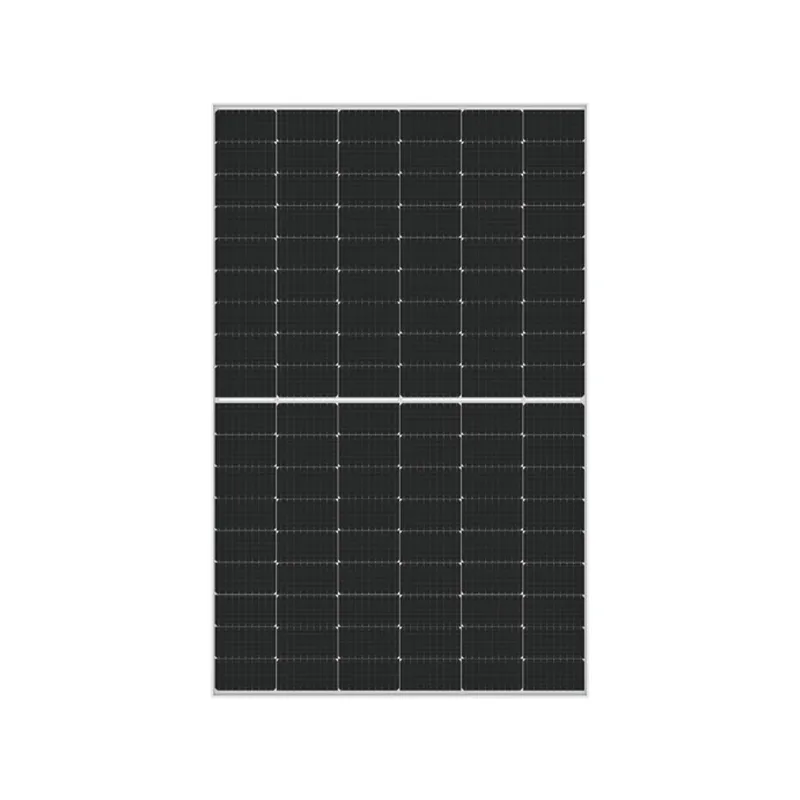
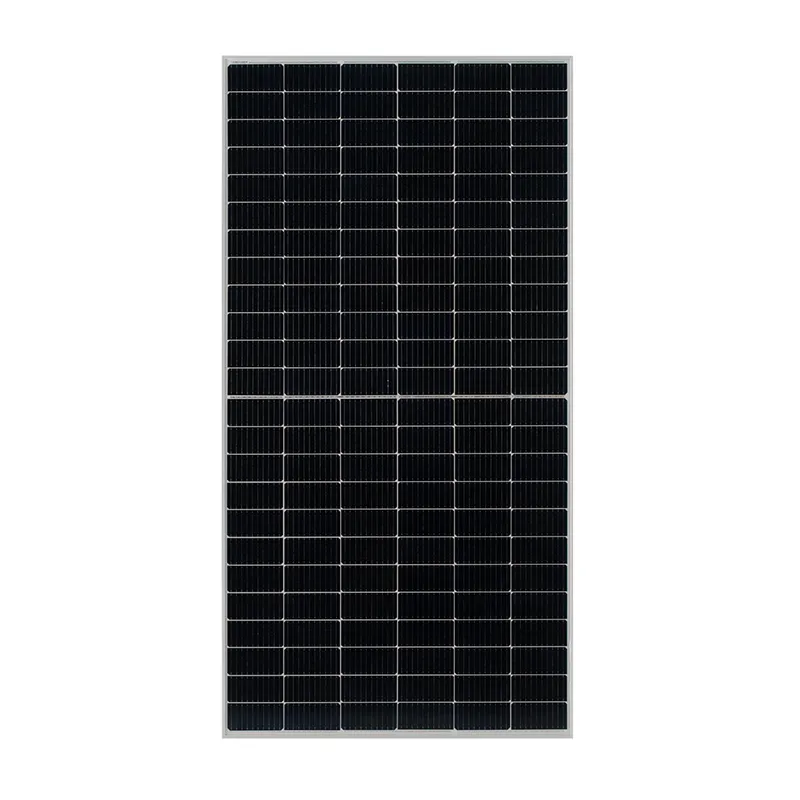
Maximizing Solar Panel Watts Per Square Foot: Efficiency Insights for Smart Energy Solutions
Understanding Solar Panel Watts Per Square Foot: Why It’s Crucial in Today’s Energy Landscape
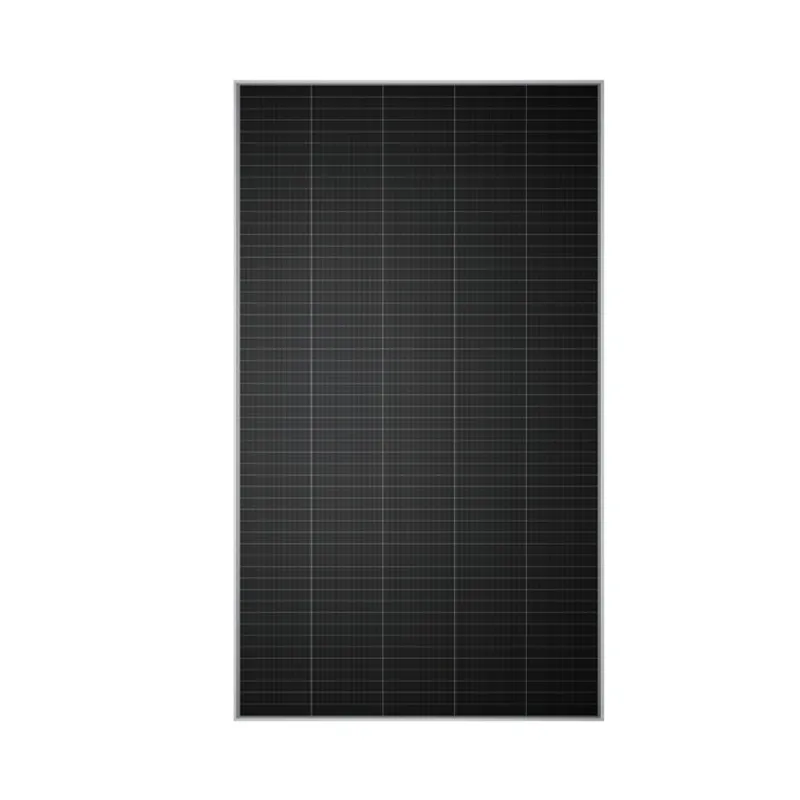
At first glance, solar panel watts per square foot might sound a bit too technical or niche. But put simply, it's a key measure of how much electrical power a solar panel can generate relative to the area it occupies. As the global shift to renewable energy accelerates, knowing this number is becoming vital for designers, contractors, governments, and even curious homeowners alike. It tells us how efficiently solar panels are using space—a resource that is often as precious as the energy itself.
Why does this matter beyond the usual “go green” mantra? Because maximizing watts per square foot directly influences costs, installation feasibility, and overall environmental impact. Better efficiency at the panel level means more scalable solutions, especially in urban environments or humanitarian scenarios where space is limited. Understanding solar panel watts per square foot offers a practical lens through which to evaluate and plan solar projects that not only produce power but do so smartly.
A Global Lens on Solar Panel Efficiency
Solar energy keeps climbing the charts for global electricity generation, having reached over 10% of total installed capacity worldwide in 2023, according to the International Renewable Energy Agency (IRENA). But to fully harness this growth, we should zoom into solar panel watts per square foot—the true workhorse of solar tech productivity. Why? Because sunlight availability varies across regions, and space constraints are often the limiting factor rather than just the amount of sunlight.
Developing countries, cities with dense housing, and harsh environments all create unique challenges where the efficiency metric of watts per square foot can make or break a project. The UN’s Sustainable Energy for All initiative highlights that improving panel output while reducing footprint is crucial to bringing decentralized solar power to homes off the grid—particularly in sub-Saharan Africa and parts of Asia. However, many solar installations still suffer from under-optimized layouts or outdated panel tech, which means lost potential in energy harvesting and economic return.
What Exactly Does Solar Panel Watts Per Square Foot Mean?
In everyday terms, the wattage per square foot of a solar panel shows how much power you get for each unit of surface area. Think of it as miles per gallon for solar – it tells you about efficiency in relation to space. A panel rated at 20 watts per square foot produces twice the power as one supplying 10 watts in the same footprint.
This figure is hugely important for industries where space is at a premium – commercial rooftops, solar farms squeezed into arid zones, or even mobile power stations like those used in humanitarian aid after natural disasters. For example, NGOs often prioritize higher watts per square foot panels so they can deliver energy reliably without needing vast deployment areas. It also speaks to modern manufacturing advances, since cell material, wiring, and panel design all influence this metric.
Core Factors Influencing Solar Panel Watts Per Square Foot
1. Panel Efficiency
This is the golden ticket. Efficiency refers to how well a panel converts sunlight into electricity. Technologies like monocrystalline silicon cells tend to push this number higher (18-22%) than their polycrystalline or thin-film cousins, directly impacting watts per square foot.
2. Cell Size and Layout
The physical size of solar cells and how densely they’re packed affects total output per square foot. Tight cell arrangement and reduced spacing mean more light capture, improving power density—a favorite design tweak among engineers.
3. Durability and Temperature Coefficient
Panels lose efficiency if they overheat or degrade quickly. Durable panels with better materials maintain rated output longer, which means watts per square foot stays stable through years of sun, wind, and rain.
4. Installation Angle and Location
The tilt and orientation to sun rays affect real-world performance. Even a panel with high rated watts per square foot can underperform if installed poorly or in shaded settings.
5. Innovation in Materials
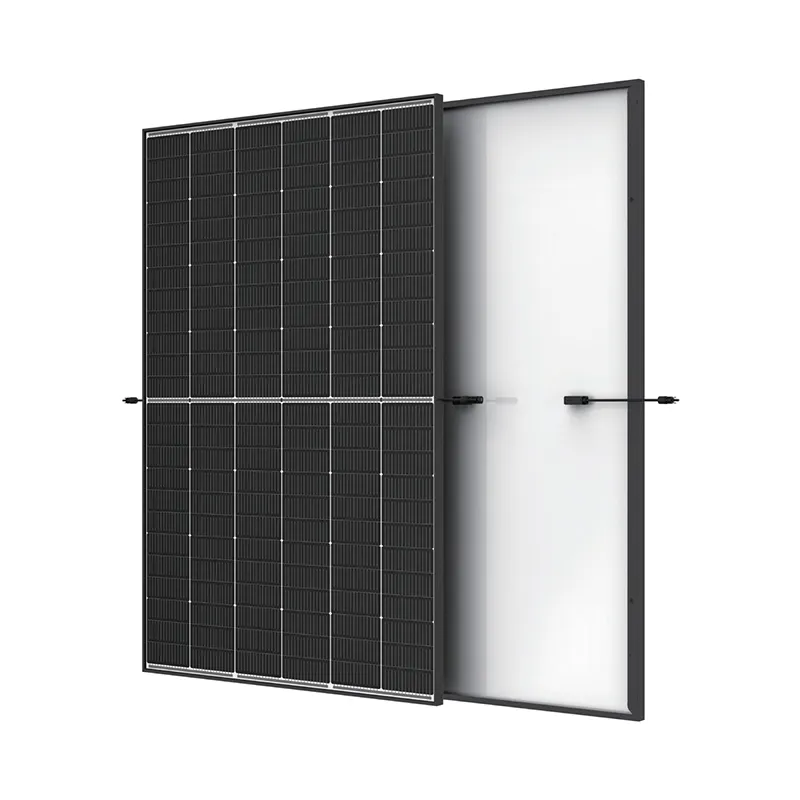
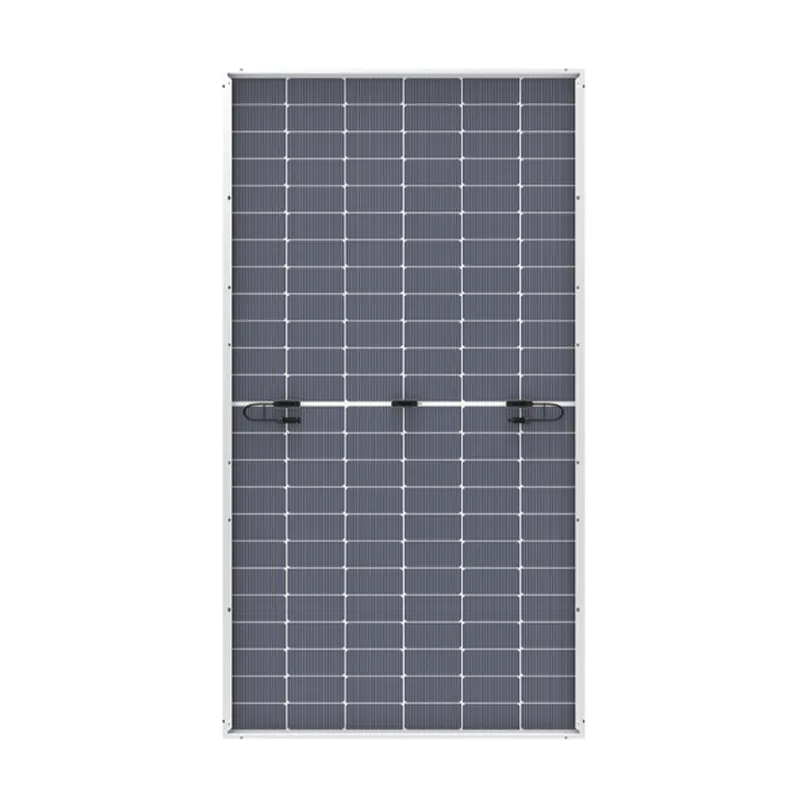
Emerging materials like perovskites or bifacial panels allow capturing sunlight on both sides, boosting effective output per area and pushing the boundaries of traditional power density.
Mini takeaway: Improving watts per square foot isn't about one factor—but the synergy of advanced cells, clever design, and smart installation.
Real-World Applications of Solar Panel Watts Per Square Foot
Understanding and optimizing solar panel watts per square foot isn’t just an academic curiosity. Here’s where it gets tangible:
- Urban rooftops: Space on buildings is limited, so panels with higher power density maximize energy generation without requiring extra land.
- Remote industrial sites: Mining operations and telecom towers in harsh environments rely on compact, efficient solar arrays to reduce fuel-based generators.
- Disaster relief and humanitarian camps: Organizations deploying temporary power solutions leverage panels with high watts per square foot for rapid, space-efficient setups.
- Solar farms: While acreage might be abundant, farms benefit economically from efficient panels to reduce land use and maintenance costs.
For instance, a recent project in southern Spain reduced solar farm land requirements by 30% by switching to panels with 25% greater watts per square foot, saving costs and preserving surrounding ecosystems.
Solar Panel Specification Table
| Specification | Standard Panel | High-Efficiency Panel |
|---|---|---|
| Power Output (Watts) | 330 W | 400 W |
| Area (Square Feet) | 17.5 ft² | 17.5 ft² |
| Watts Per Square Foot | ~18.9 W/ft² | ~22.9 W/ft² |
| Efficiency | 18% | 22% |
| Temperature Coefficient | -0.4%/°C | -0.35%/°C |
Long-Term Advantages of Optimizing Watts Per Square Foot
What you gain by harnessing higher solar panel watts per square foot isn’t just numbers on a spec sheet. There’s the palpable benefit of reduced installation footprints, meaning less land cleared, less material used, and often lower upfront costs. That packs a one-two punch on sustainability and economics.
From a social angle, compact solar solutions enable electrification in places previously impossible—think remote villages or refugee settlements—granting dignity alongside light and warmth. It’s kind of magical when you consider the ripple effect unilateral clean energy access can create: education, communication, health care.
Plus, in practical terms, panels that maintain or improve watts per square foot over time reduce uncertainty for investors and users, making solar a truly reliable long-term energy source.
Innovations Shaping the Future of Solar Panel Watts Per Square Foot
The solar industry never truly rests. Emerging tech like bifacial solar panels that absorb sunlight on both sides pushes power densities beyond traditional limits. Additionally, flexible and thin-film solar cells integrated into building materials—sometimes called “solar skins”—are reimagining the idea of what a panel can be or where it can fit.
Digital transformation also plays a role: smart panels paired with monitoring systems optimize output, diagnosing shading or dirt buildup in real time. And with governments tightening carbon goals, standards from organizations like the International Organization for Standardization (ISO) urge continuous efficiency improvements.
Addressing Challenges in Real Deployments
But it’s not all straightforward. One common gripe is that higher watts per square foot panels can be pricier upfront, sometimes putting off smaller projects. Then there’s the fact that real-world conditions—dust, shading, humidity—chip away from ideal specs, creating a gap between lab ratings and backyard performance.
Innovative solutions include anti-soiling coatings, better predictive maintenance from IoT tools, and modular designs that optimize for both power and adaptability. Many engineers say combining panel efficiency with systemic design leads to the best outcomes, not just chasing raw power density.
Vendor Comparison Table: Popular Solar Panel Options (watts per square foot focus)
| Manufacturer | Panel Type | Watts per sq ft (approx.) | Price per Watt | Warranty (years) |
|---|---|---|---|---|
| SunPower | Monocrystalline | ~23 W/ft² | $1.25 | 25 |
| LG Solar | Monocrystalline | ~21.5 W/ft² | $1.20 | 25 |
| Canadian Solar | Polycrystalline | ~19 W/ft² | $0.95 | 20 |
Frequently Asked Questions About Solar Panel Watts Per Square Foot
- Q: How do I calculate the watts per square foot for my solar setup?
- A: Measure the total area your solar panels cover in square feet, then divide the total wattage output by this area. For example, a 400 W panel covering 18 square feet delivers about 22.2 watts per square foot.
- Q: Why does watts per square foot vary so much between different panels?
- A: Variations come from cell technology, panel design, and manufacturing quality. Monocrystalline panels typically have higher power density compared to polycrystalline or thin-film due to better efficiency and layout.
- Q: Can I improve my existing solar panels’ watts per square foot?
- A: While you can't physically change installed panel specs, optimizing panel placement, cleaning regularly, and upgrading to newer, more efficient panels can effectively improve output relative to space.
- Q: Is higher watts per square foot always worth the extra investment?
- A: Not necessarily. The upfront cost might be higher, but long-term energy gains, space savings, and reduced maintenance can make it worthwhile. Evaluate your project needs and budget carefully.
Wrapping It Up: Why Solar Panel Watts Per Square Foot Matters More Than Ever
In the grand scheme, solar panel watts per square foot is a surprisingly powerful metric. It’s the bridge between raw solar potential and practical deployment. Maximizing this figure helps stretch limited spaces, reduce environmental impact, and broaden access to clean energy in diverse settings—from bustling city rooftops to emergency relief zones. So whether you’re an installer, policymaker, or just a green-minded homeowner, paying attention to watts per square foot can unlock better solar choices.
Sounds technical? Maybe. But in a world clamoring for smarter energy solutions, it’s that little number that makes a big difference. Curious to see how you can boost your solar output without expanding your footprint? Visit https://www.benjiusolar.com for insights, products, and practical advice.
References:
-
Designing a Modern Home Roof Made Out of Solar Panels GuideNewsApr.16,2026
-
Guide to the Size of 150 Watt Solar Panel for Your ProjectNewsApr.09,2026
-
Understanding the Dimensions and Applications of a 200W Solar PanelNewsApr.07,2026
-
Understanding the Dimensions and Factors of a 330W Solar Panel SizeNewsApr.04,2026
-
Understanding the Size and Dimensions of a 4kW Solar Panel System for Your HomeNewsMar.31,2026
-
Comprehensive Guide to Sizing Your Solar System for Optimal Energy ProductionNewsMar.28,2026