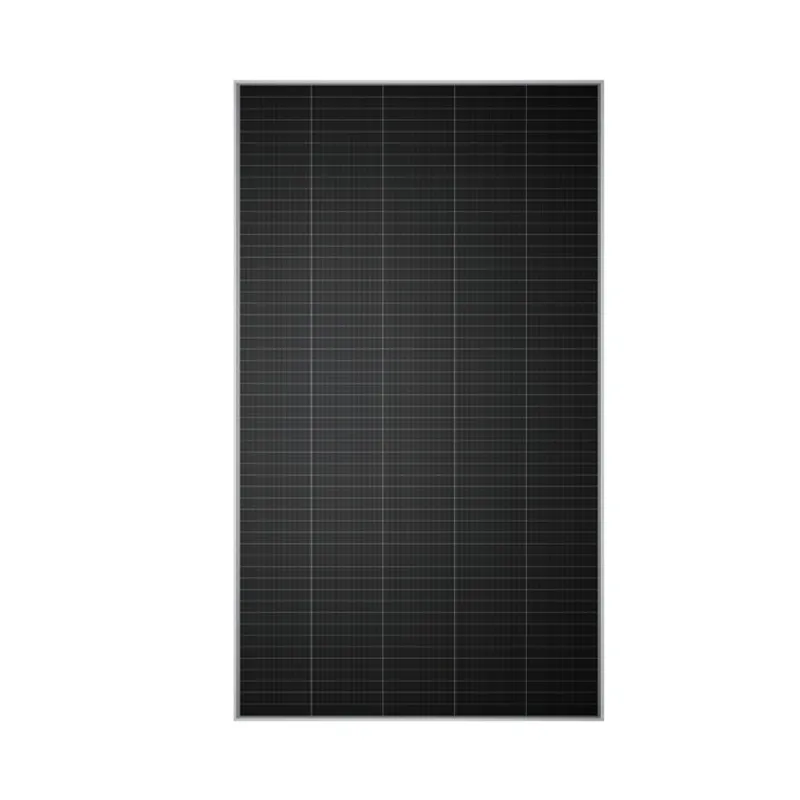
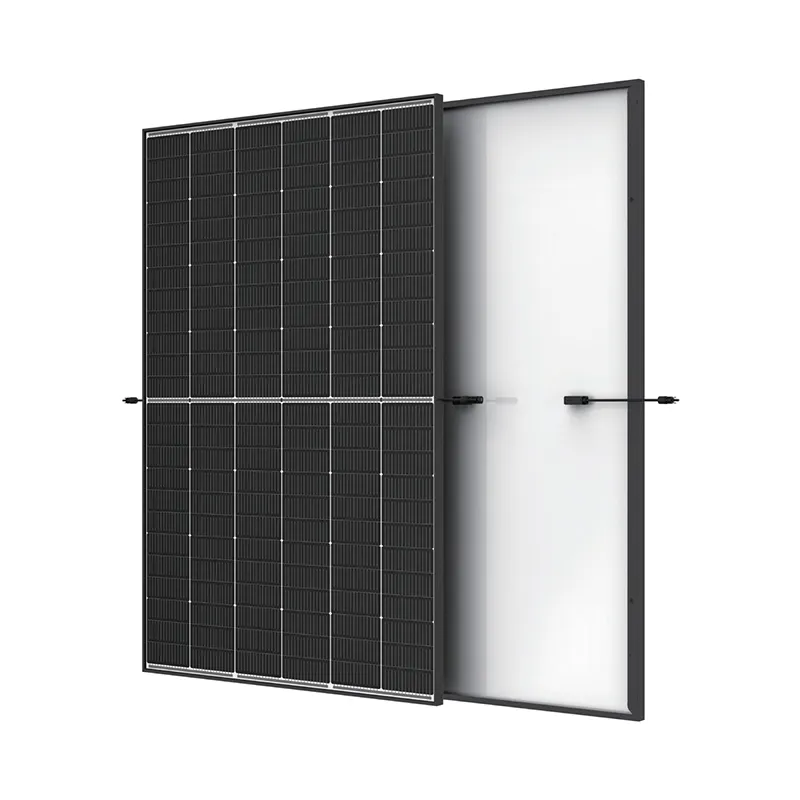
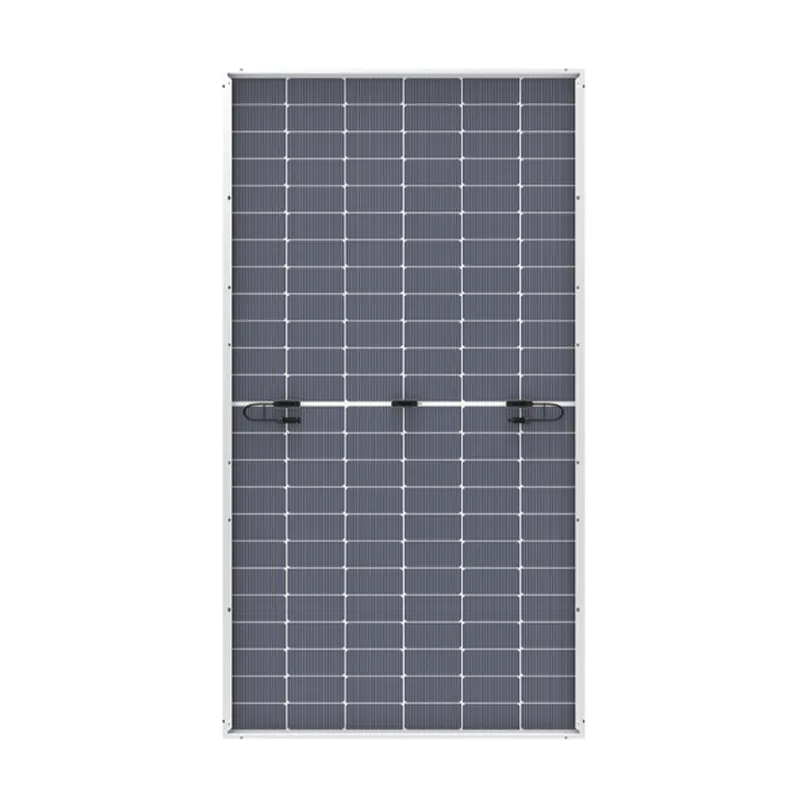
Maximizing Energy Output with High Performance 20 Efficiency Solar Panels
Understanding 20% Efficiency Solar Panels
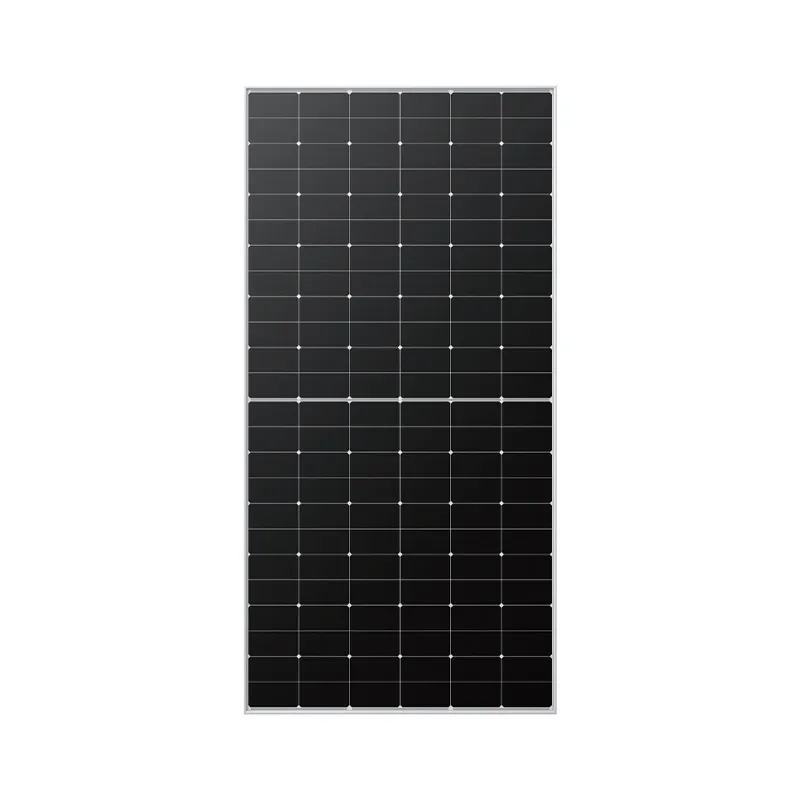
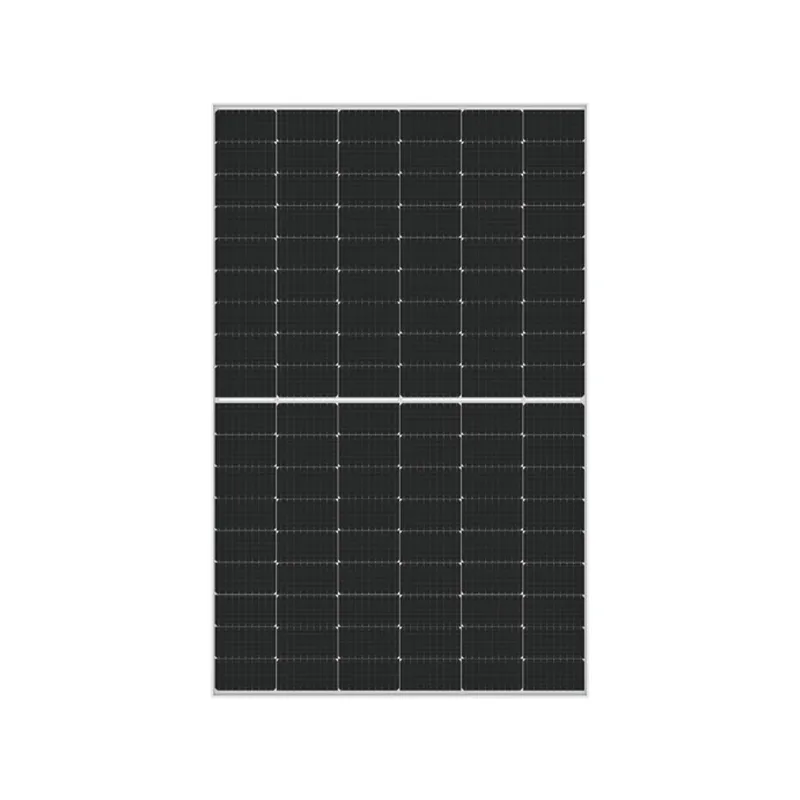
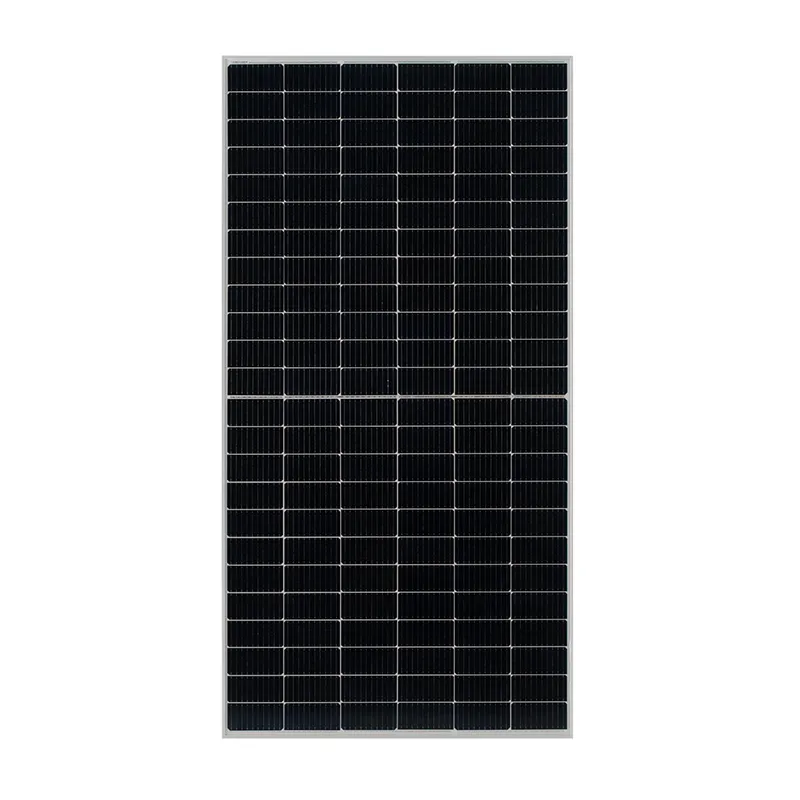
As the demand for renewable energy continues to grow, the efficiency of solar panels becomes paramount. A 20% efficiency solar panel represents a significant advancement in solar technology, offering more power from a smaller surface area. This article will explore what 20% efficiency means, the benefits of these panels, the technology behind them, factors influencing efficiency, and how Benjiu Solar delivers high-performance solutions. Understanding these aspects is crucial for anyone considering investing in solar energy.
What Does 20% Efficiency Mean?
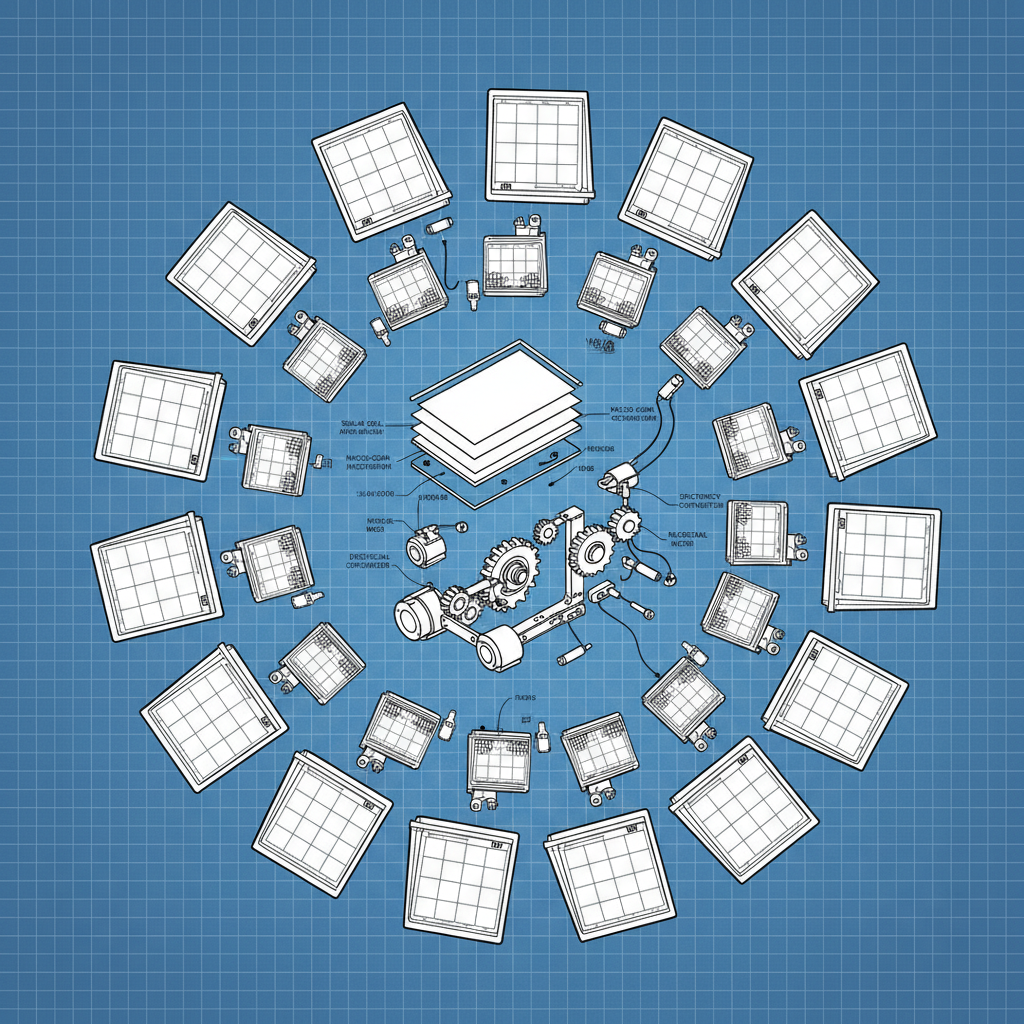
Solar panel efficiency refers to the percentage of sunlight that a panel converts into usable electricity. A 20% efficient panel means that 20% of the sunlight hitting the panel's surface is transformed into electricity, while the remaining 80% is lost through heat or reflection. This is a critical metric, as higher efficiency translates to more power output for a given panel size. For example, a 300W panel with 20% efficiency requires less roof space compared to a lower efficiency panel to generate the same amount of power. This makes 20% efficiency panels a compelling choice for homeowners and businesses with limited roof area.
Key Takeaway: Higher efficiency panels maximize energy production within a limited space, reducing the overall system cost and maximizing your return on investment.
The Technology Behind High-Efficiency Panels
Achieving 20% efficiency requires advanced solar cell technology. Most high-efficiency panels utilize monocrystalline silicon cells. These cells are created from a single silicon crystal, resulting in higher purity and improved electron flow. Other technologies contributing to higher efficiency include:
- Passivated Emitter and Rear Cell (PERC): This technology adds a layer to the back of the solar cell, reducing electron recombination and increasing efficiency.
- Half-Cut Cells: Dividing cells in half reduces electrical resistance, leading to increased power output and improved performance in shaded conditions.
- Multi-Busbar (MBB): Increasing the number of busbars (the thin wires on the cell surface) reduces resistance and improves current collection.
- Temperature: Solar panel efficiency decreases as temperature increases.
- Shading: Even partial shading can significantly reduce power output.
- Panel Angle and Orientation: Optimal angle and orientation are crucial for maximizing sunlight capture.
- Panel Degradation: Solar panels degrade slightly over time, resulting in a gradual reduction in efficiency.
Benjiu Solar consistently incorporates these advanced technologies to deliver top-tier efficiency and performance.
Benefits of Choosing 20% Efficiency Solar Panels
Investing in 20% efficiency solar panels offers several compelling advantages. The primary benefit is increased power output for a given area. This is particularly valuable for properties with limited roof space. Furthermore, higher efficiency panels often have a lower balance-of-system (BOS) cost, as fewer panels are required to meet your energy needs. This translates to lower overall system costs and a faster return on investment. Additionally, high-efficiency panels tend to perform better in hot weather conditions, experiencing less power degradation.
Key Advantages:
• Maximized power output in limited space.
• Reduced balance-of-system (BOS) costs.
• Improved performance in high temperatures.
• Faster return on investment.
Factors Influencing Solar Panel Efficiency
While 20% efficiency is a significant achievement, several factors can influence the actual performance of solar panels in real-world conditions. These include:
Benjiu Solar’s products are engineered to minimize the impact of these factors through robust design and advanced materials.
Benjiu Solar: Delivering High-Performance Solutions
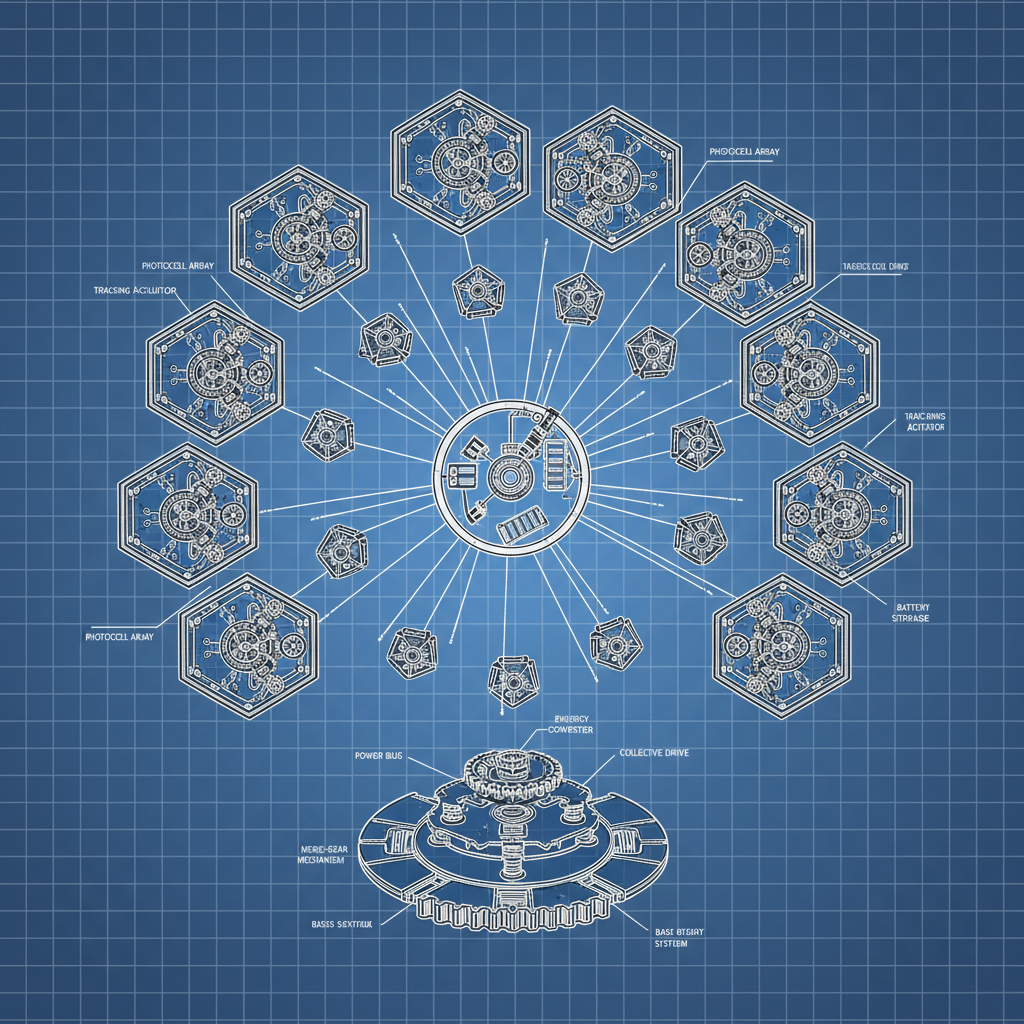
At Benjiu Solar, we specialize in providing high-quality, high-efficiency solar panels. We offer a comprehensive range of products, including 20% efficiency monocrystalline panels, tailored to meet diverse energy needs. Our panels undergo rigorous testing and quality control to ensure long-lasting performance and reliability. Here's a sample of our product specifications:
Conclusion: Powering Your Future with Efficient Solar Solutions
Choosing a 20% efficiency solar panel from Benjiu Solar is a smart investment in your energy future. Our commitment to innovation, quality, and customer satisfaction ensures you receive a reliable and high-performing solar energy system. Contact us today to learn more about how we can help you harness the power of the sun.
Frequently Asked Questions (FAQs)
What is the typical lifespan of a 20% efficiency solar panel?
Most high-quality 20% efficiency solar panels are designed to last for 25-30 years. However, their power output will gradually decrease over time – a process known as degradation. Typically, panels degrade by about 0.5% per year. This means that after 25 years, a panel might still be producing around 85% of its original power output. Benjiu Solar offers industry-leading warranties to protect your investment and guarantee long-term performance. Regular maintenance and monitoring can also help extend the lifespan of your panels.
How does shading affect the performance of 20% efficiency panels?
Shading is a significant factor that can negatively impact the performance of any solar panel, including those with 20% efficiency. Even partial shading on a single cell can reduce the overall output of the entire panel. Benjiu Solar’s panels often incorporate technologies like half-cut cells and bypass diodes to mitigate the effects of shading, minimizing power loss when some cells are shaded.
What are the benefits of monocrystalline panels for 20% efficiency?
Monocrystalline silicon cells are the preferred choice for achieving 20% efficiency due to their higher purity and crystal structure. This allows for greater electron flow, resulting in more efficient energy conversion. While they typically have a higher upfront cost than polycrystalline panels, their higher efficiency and long-term performance make them a more cost-effective option in the long run, especially for installations with limited space.
Are 20% efficiency panels suitable for all climates?
Yes, 20% efficiency panels are suitable for a wide range of climates. However, performance can be affected by extreme temperatures. While high-efficiency panels generally perform better in hot weather compared to lower efficiency models, maintaining proper ventilation and considering the panel's temperature coefficient are essential for optimal performance. Benjiu Solar offers panels specifically designed to withstand harsh environmental conditions.
-
Designing a Modern Home Roof Made Out of Solar Panels GuideNewsApr.16,2026
-
Guide to the Size of 150 Watt Solar Panel for Your ProjectNewsApr.09,2026
-
Understanding the Dimensions and Applications of a 200W Solar PanelNewsApr.07,2026
-
Understanding the Dimensions and Factors of a 330W Solar Panel SizeNewsApr.04,2026
-
Understanding the Size and Dimensions of a 4kW Solar Panel System for Your HomeNewsMar.31,2026
-
Comprehensive Guide to Sizing Your Solar System for Optimal Energy ProductionNewsMar.28,2026