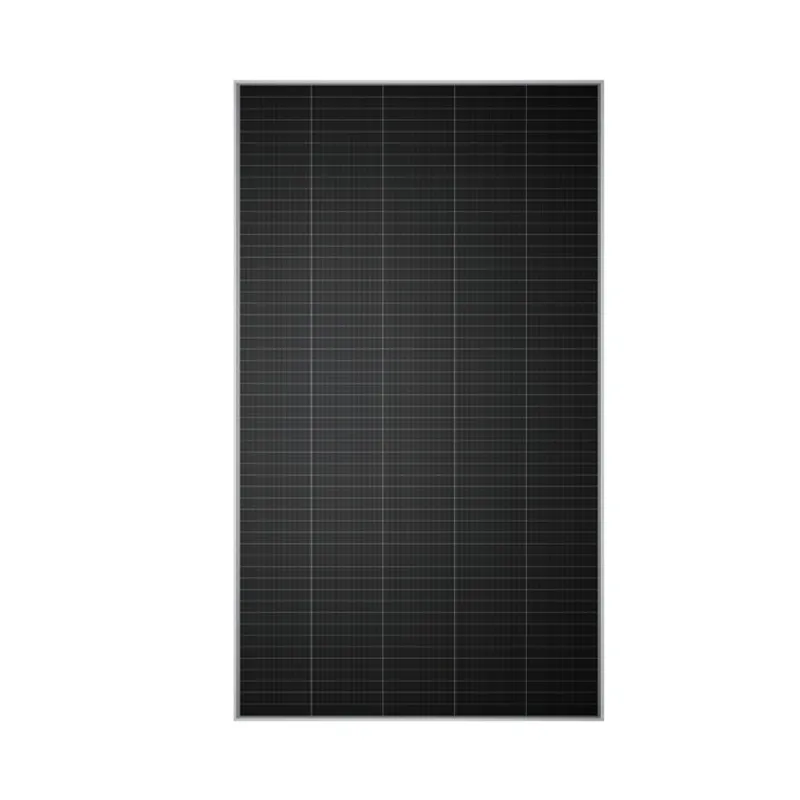
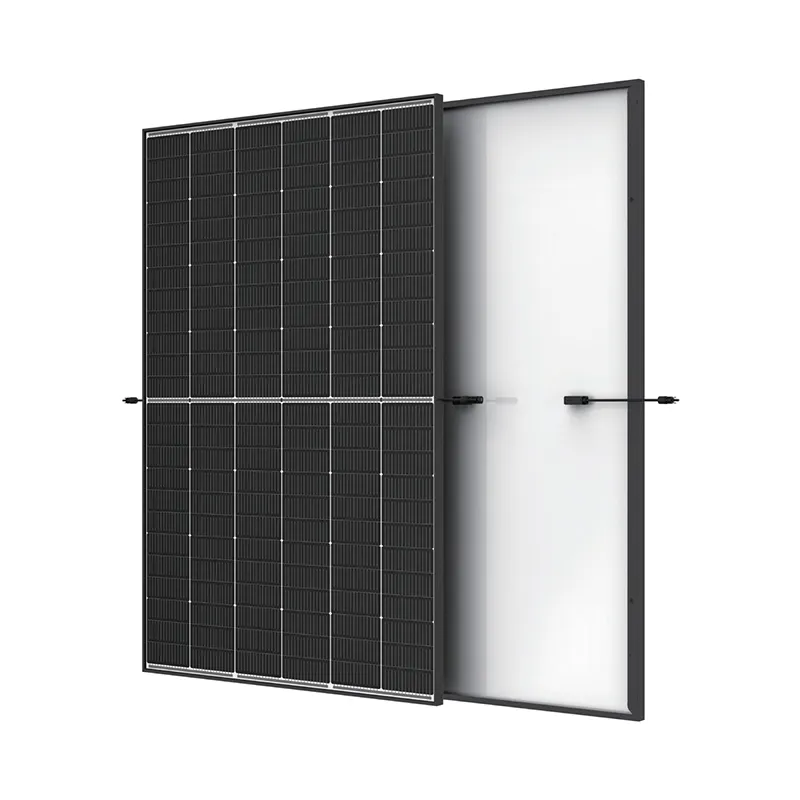
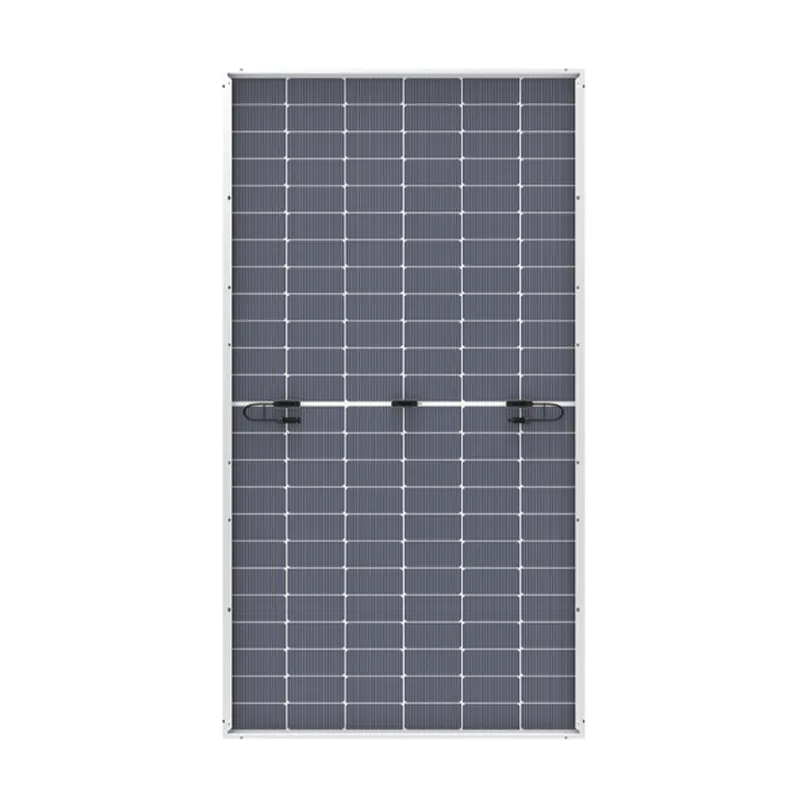
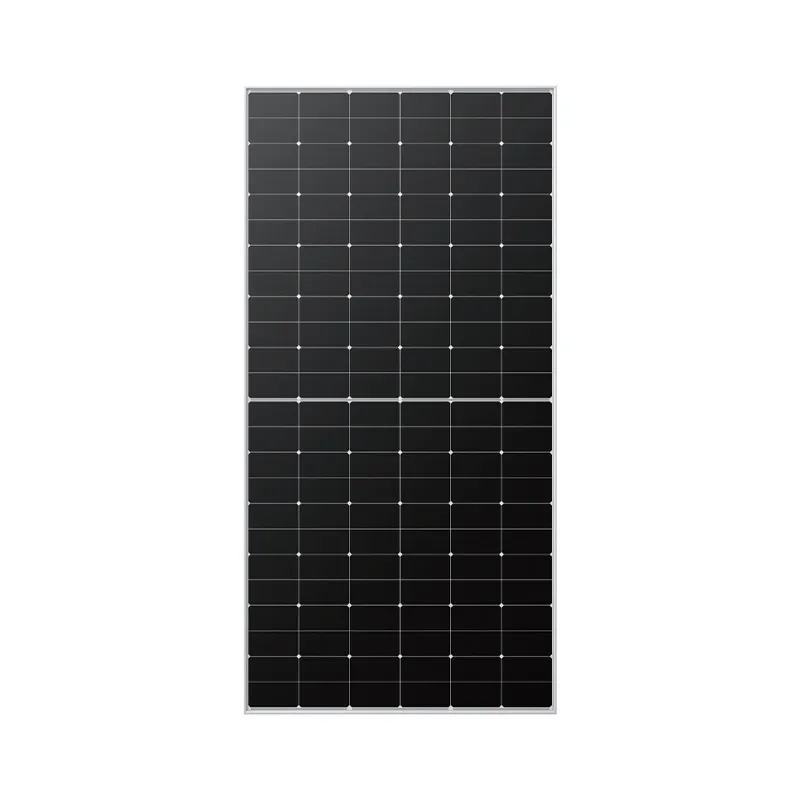
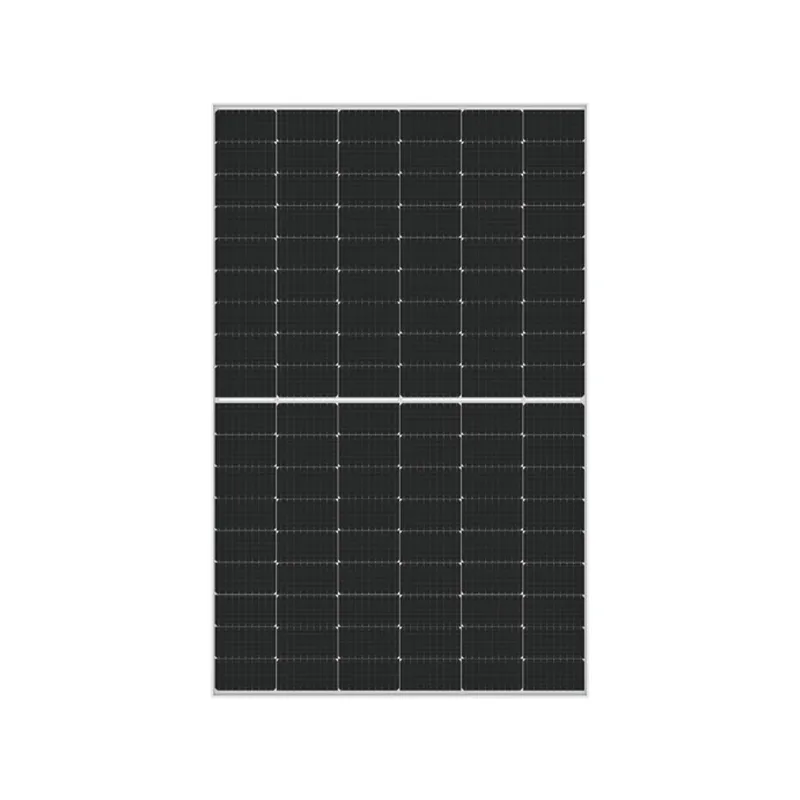
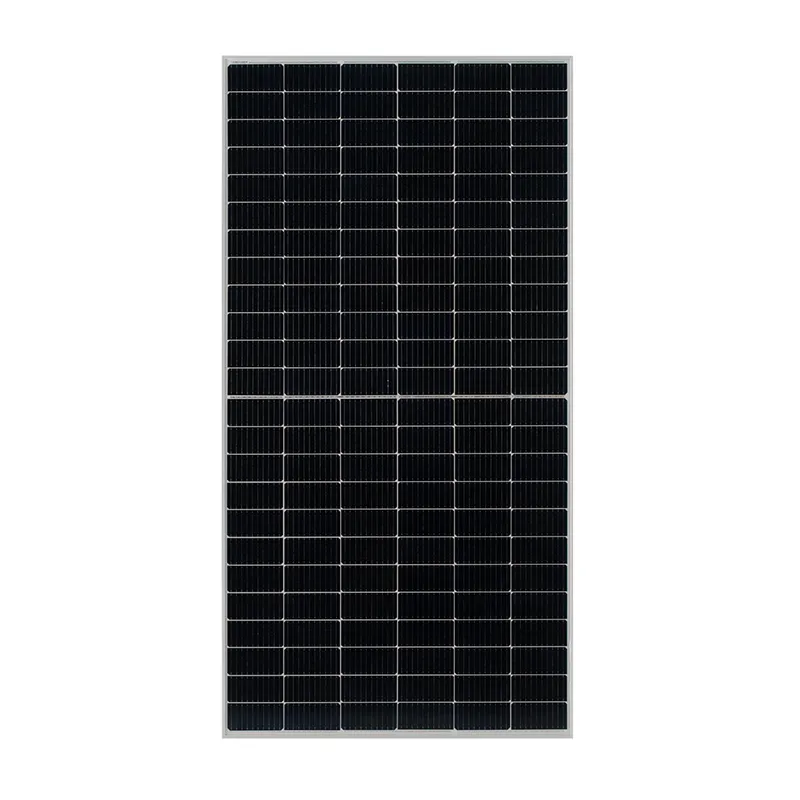
LONGi Hi-MO7 585–620W Bifacial Half-Cell Home Solar Panel?
LONGi 585-620W Hi-MO7 Bifacial Half cell Solar Panel for Home
Residential solar has quietly leveled up. Homeowners are asking for higher wattage, n-type efficiency, better warranties—and yes, something that still fits on a roof without a crane. That’s where the LONGi 585-620W Hi-MO7 Bifacial Half cell Solar Panel for Home slots in. It marries utility-scale tech with homeowner pragmatism. In fact, compared with last year’s mainstream 450–500W class, we’re seeing 10–25% fewer modules for the same system size, less racking, fewer optimizers, and simpler wiring. To be honest, that’s real money saved on BOS.
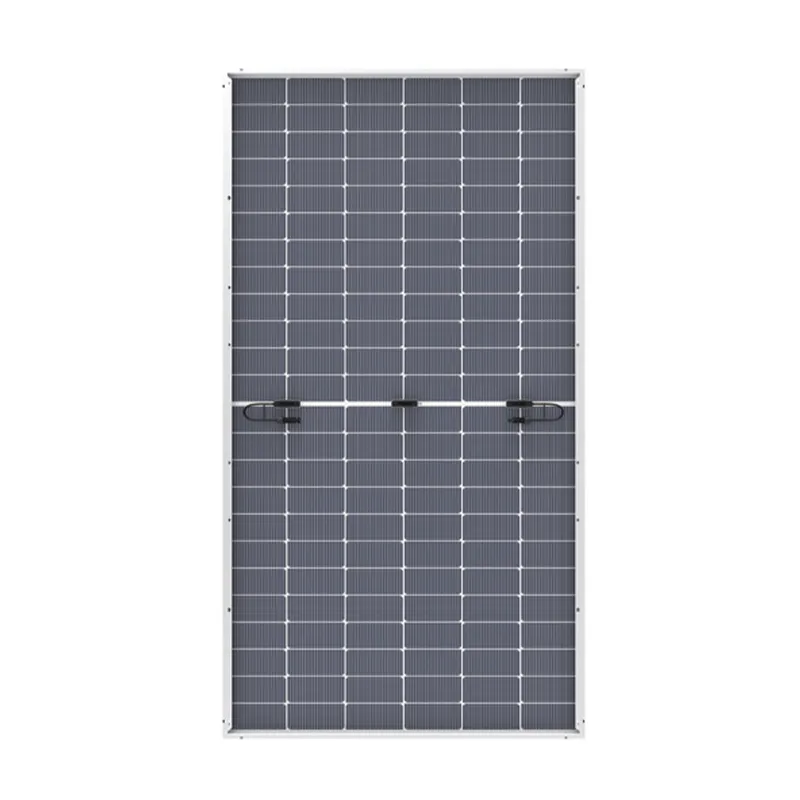
What’s special (in plain English)
Hi-MO7 uses LONGi’s latest n-type cell platform (HPDC-class), half-cut and multi-busbar. Real-world speak: higher efficiency, better low-light, and steadier output as the day heats up. It’s bifacial glass–glass, so a light roof, patio, or snow can bounce photons into the rear side for a modest (sometimes surprisingly not-so-modest) production bump.
Typical home scenarios
Rooftops with limited space, pergolas and carports, ground mounts with light-colored gravel. Many customers say they see earlier morning and later evening production, especially with high-reflectance surfaces.
Key specifications (indicative)
| Rated power (STC) | ≈585–620 W (model-dependent) |
| Module efficiency | ≈21.6–22.8% (real-world use may vary) |
| Bifaciality factor | ≈75–85%; rear-side gain ≈5–25% based on albedo |
| Temperature coefficient (Pmax) | ≈−0.28 to −0.30%/°C |
| Voc / Isc (STC) | ≈51–54 V / ≈13.8–14.8 A |
| Dimensions / weight | Varies by SKU; typical large-format, ≈30–34 kg |
| Mechanical load | 5400 Pa snow / 2400 Pa wind |
| Certifications | IEC 61215, IEC 61730, UL 61730; ISO 9001/14001/45001 |
| Warranty | Up to 12-year product; up to 30-year performance (≈88% end-of-term) |
Note: Specs vary by exact model and region; check final datasheet before purchase.
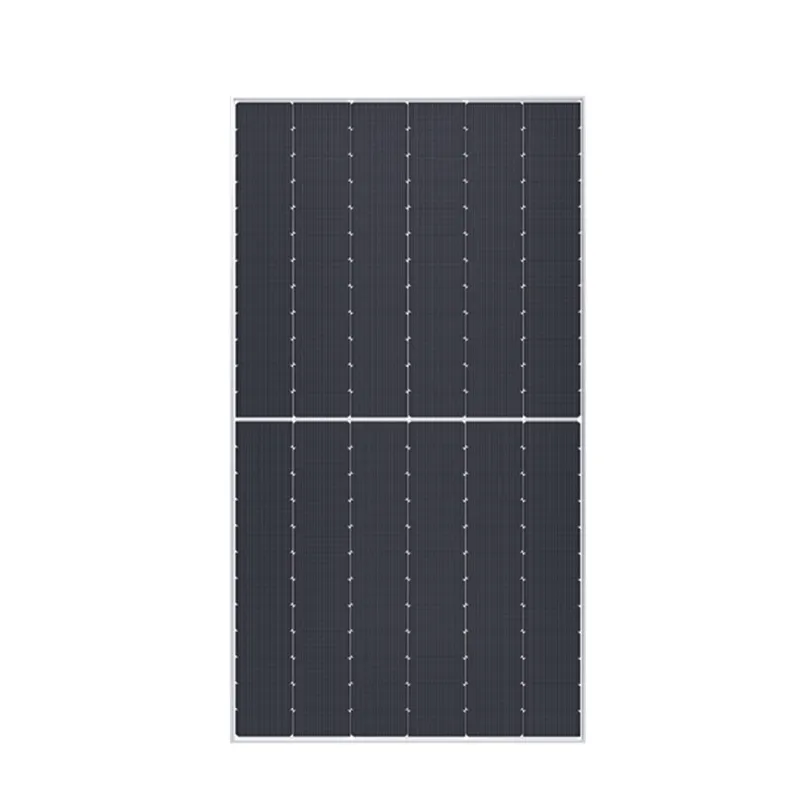
Manufacturing and testing (how it’s built)
Materials: n-type silicon wafers; bifacial glass–glass laminate; UV-stable encapsulant; anodized aluminum frame; IP68 junction boxes; MC4-compatible connectors. Methods: laser half-cutting, multi-busbar soldering, electroluminescence (EL) screening, PID mitigation, cross-link lamination. Tests: IEC 61215 reliability, IEC 61730 safety, salt-mist (IEC 61701), ammonia (IEC 62716), mechanical load, hot-spot, fire class per region. Service life is targeted 25–30 years, with slow degradation—one reason pros like LONGi 585-620W Hi-MO7 Bifacial Half cell Solar Panel for Home for coastal and high-snow zones.
Vendor comparison (quick glance)
| Model | Power | Cell tech | Eff. ≈ | Temp. coeff | Warranty |
|---|---|---|---|---|---|
| LONGi Hi-MO7 (this) | 585–620W | n-type, half-cut, bifacial | 21.6–22.8% | ≈−0.29%/°C | 12y/30y (typ.) |
| Jinko Tiger Neo 610W | 590–620W | n-type, bifacial | ≈22%± | ≈−0.29%/°C | 12y/30y |
| JA DeepBlue 4.0 X 605W | 580–605W | n-type, bifacial | ≈22%± | ≈−0.30%/°C | 12y/30y |
Public, indicative values; check current datasheets.
Customization and delivery
Options can include frame color, cable length, connector type, logo/labeling, palletization, and project-matched warranties (region-specific). Origin: 2B01, Guomao Building, Zhongshan Road, Qiaoxi District, Shijiazhuang City, Hebei Province, China.
Field notes and mini case studies
Hangzhou villa, 12.4 kW on light ceramic tiles: homeowner reported ≈12–18% rear-gain days in winter sun; Year‑1 yield came in ≈14.1 MWh vs. 12.6 MWh modeled (albedo helped). Hebei carport: installers liked fewer strings and lower optimizer count, shaving labor by a day. Feedback trend: quieter in wind than expected for a big format—likely the frame stiffness. It seems that the LONGi 585-620W Hi-MO7 Bifacial Half cell Solar Panel for Home punches above its spec when the site reflectance is decent.
Why it’s timely
Industry trendlines are clear: n-type dominance, bifacial modules even for homes, and longer performance warranties validated by independent reliability labs. If you’re after fewer modules and higher kWh per square meter, LONGi 585-620W Hi-MO7 Bifacial Half cell Solar Panel for Home is very much on‑trend.
Standards, testing, and references
-
Designing a Modern Home Roof Made Out of Solar Panels GuideNewsApr.16,2026
-
Guide to the Size of 150 Watt Solar Panel for Your ProjectNewsApr.09,2026
-
Understanding the Dimensions and Applications of a 200W Solar PanelNewsApr.07,2026
-
Understanding the Dimensions and Factors of a 330W Solar Panel SizeNewsApr.04,2026
-
Understanding the Size and Dimensions of a 4kW Solar Panel System for Your HomeNewsMar.31,2026
-
Comprehensive Guide to Sizing Your Solar System for Optimal Energy ProductionNewsMar.28,2026