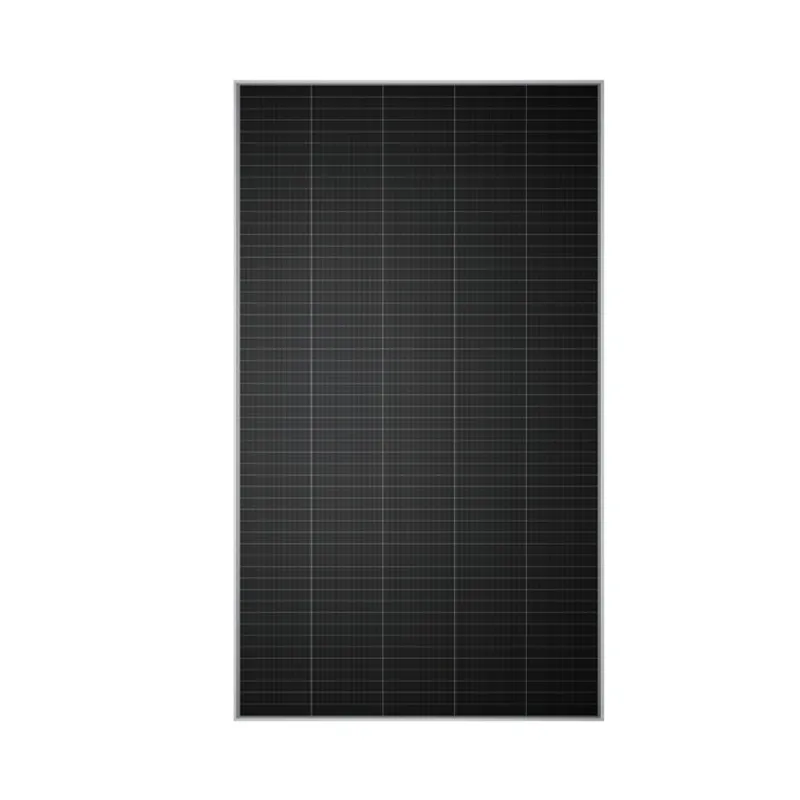
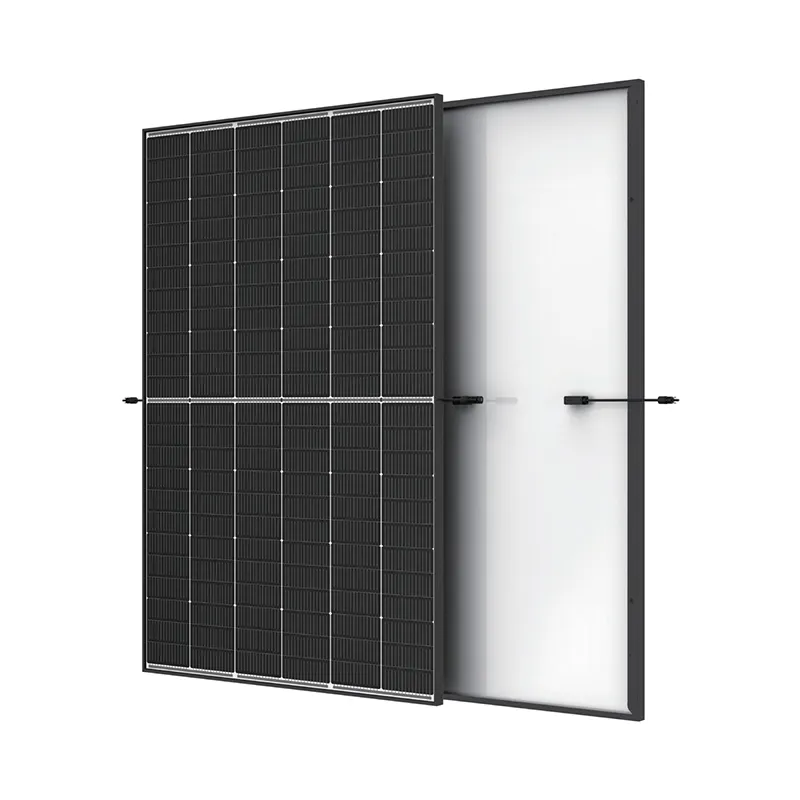
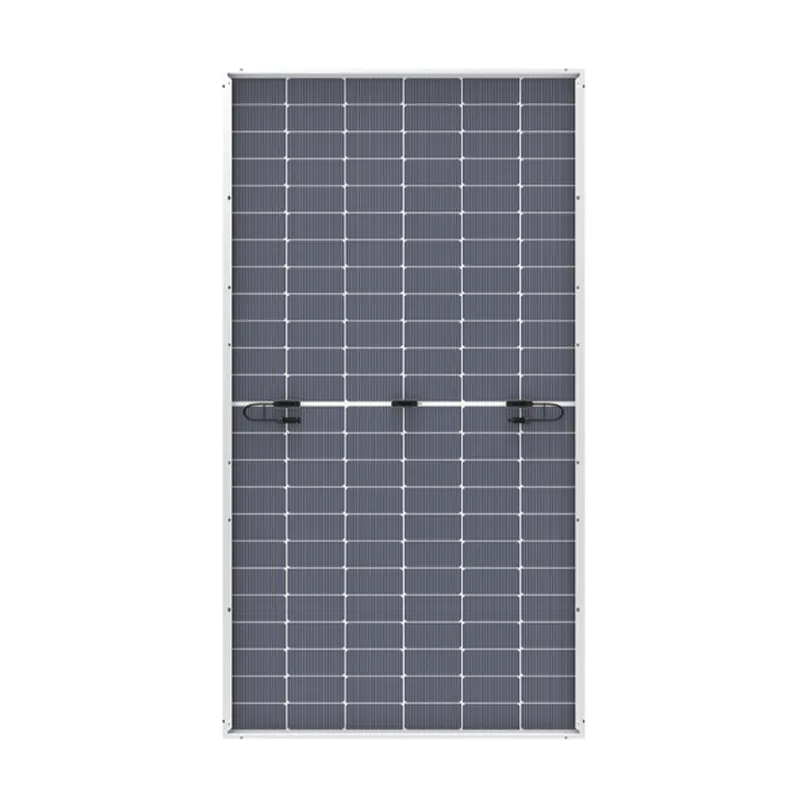
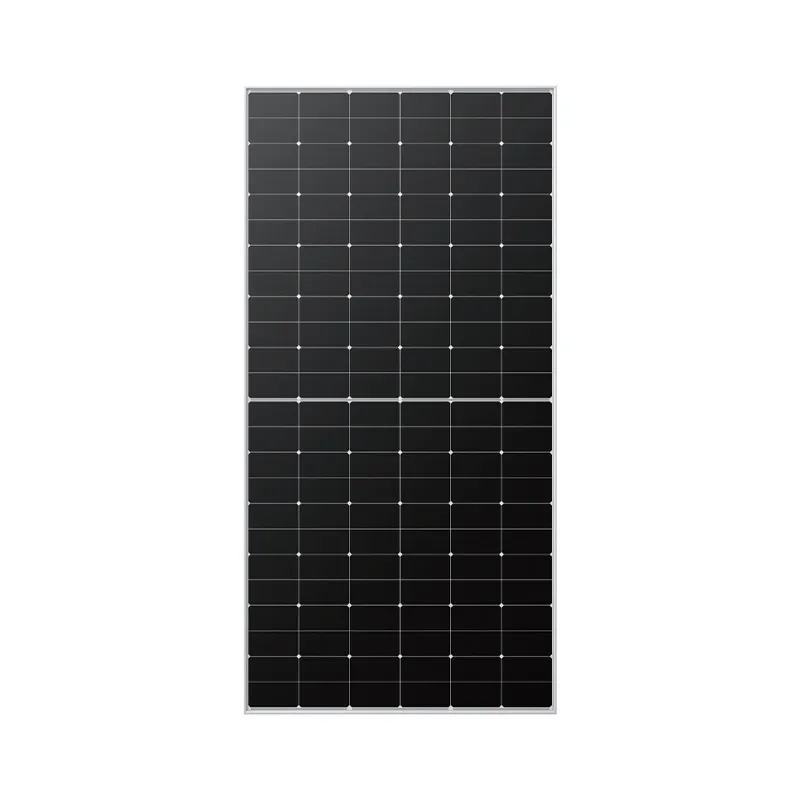
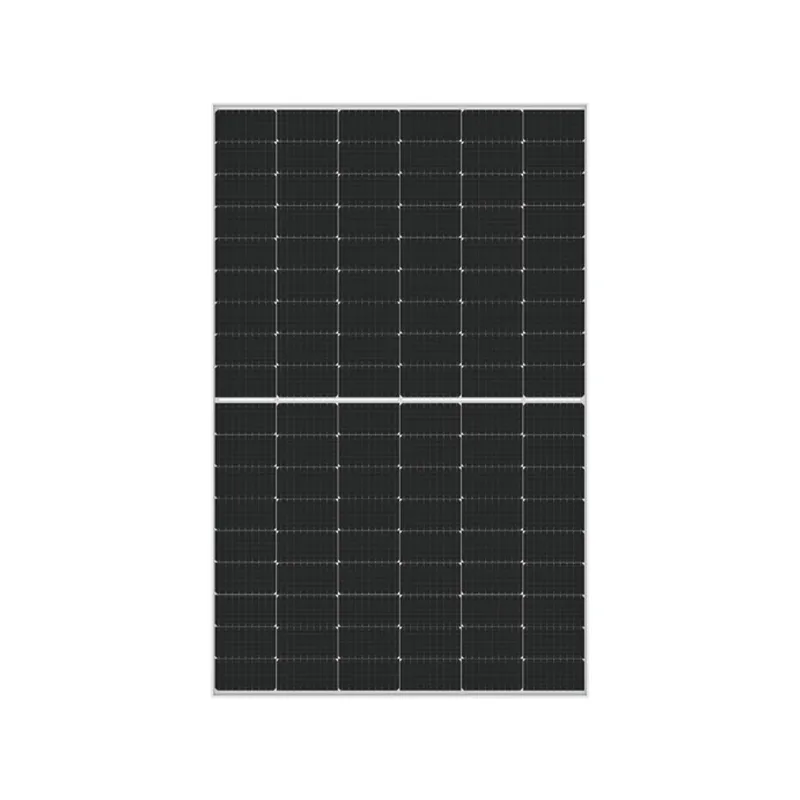
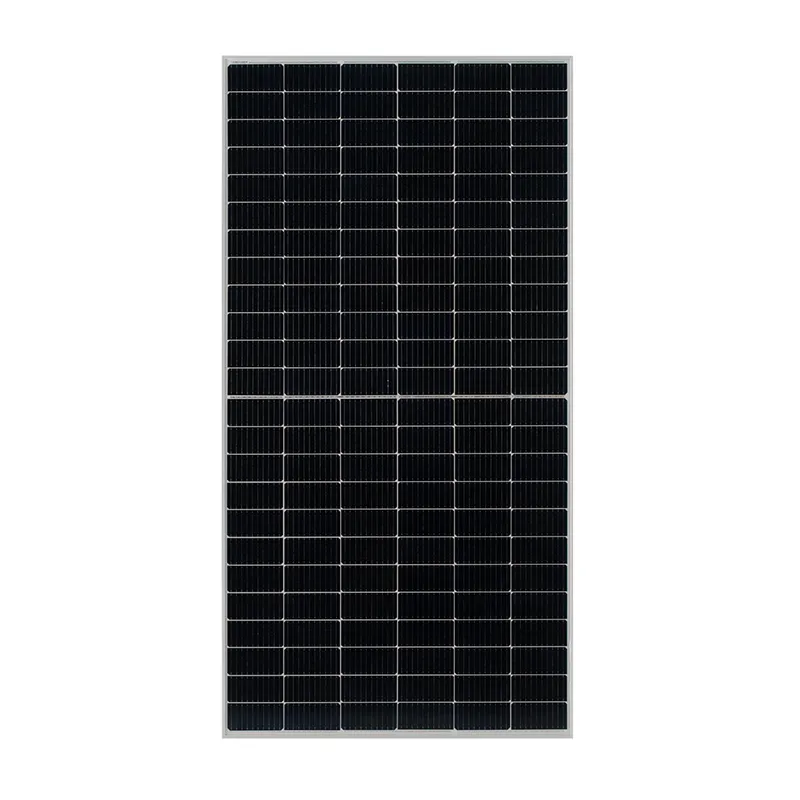
LONGi 590-600W Hi-MO X6 High-Efficiency Home Solar Panel?
Hands-on take: the LONGi 590–600W Hi-MO X6 for home rooftops
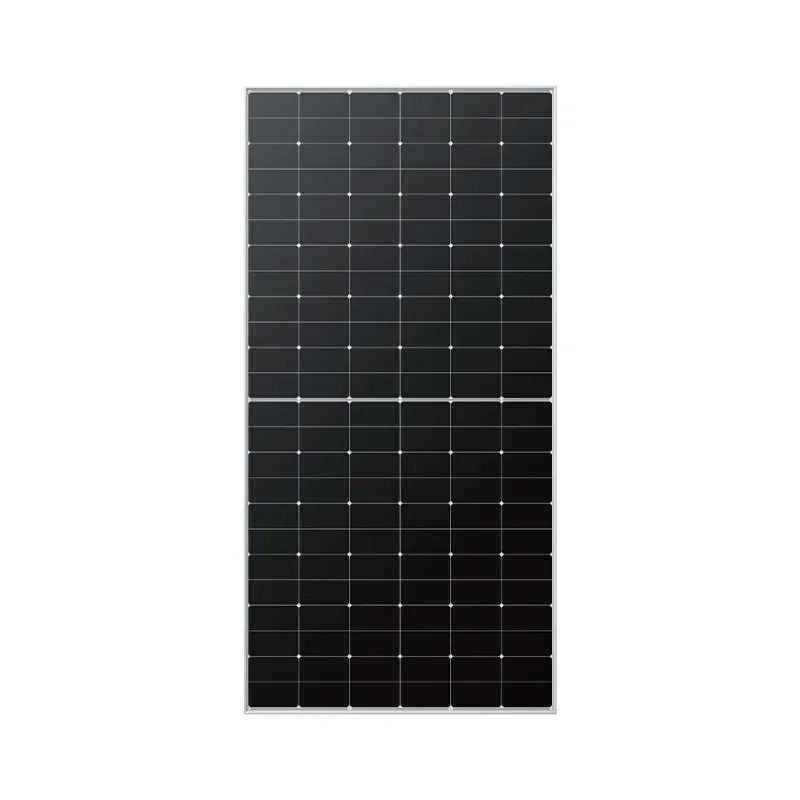
If you’re shopping in the high-power lane, the LONGi 590-600W Hi-MO X6 High efficiency Solar Panel for Home is exactly the kind of module that’s been popping up on real projects I’ve visited lately. Residential arrays are quietly getting bigger and bolder, and—surprisingly—installers are pairing 600W-class modules with modern string inverters and even multi-input microinverters just fine.
What’s trending (and why this module matters)
The industry is mid-shift to high-efficiency, n-type cell tech and denser interconnects. LONGi’s X-series sits in that sweet spot: high power in a standard-ish footprint, with low LID/LeTID and a degradation curve that actually looks kind over the long haul. For homeowners, the pitch is simple—fewer panels, less racking, same (or more) production. It’s not just cleaner; it’s tidier work on the roof, too.
At-a-glance specs
| Rated power (STC) | 590–600 W (0~+5 W tolerance) |
| Module efficiency | ≈ 22%–23% (real-world use may vary) |
| Cell / tech | Monocrystalline, high-efficiency architecture (n-type class; low LID/LeTID) |
| Dimensions / weight | ≈ 2,250–2,300 × 1,130–1,140 × 30–35 mm / ≈ 28–33 kg |
| Wind / snow load | Up to 2400 Pa / 5400 Pa (per mounting) |
| Operating temp | -40°C to +85°C |
| Warranties | Product ≈ 12–15 yrs; Performance ≈ 25–30 yrs (≤0.4–0.55%/yr) |
| Certifications | IEC 61215 / IEC 61730; UL 61730 (region dependent) |
How it’s built (quick process flow)
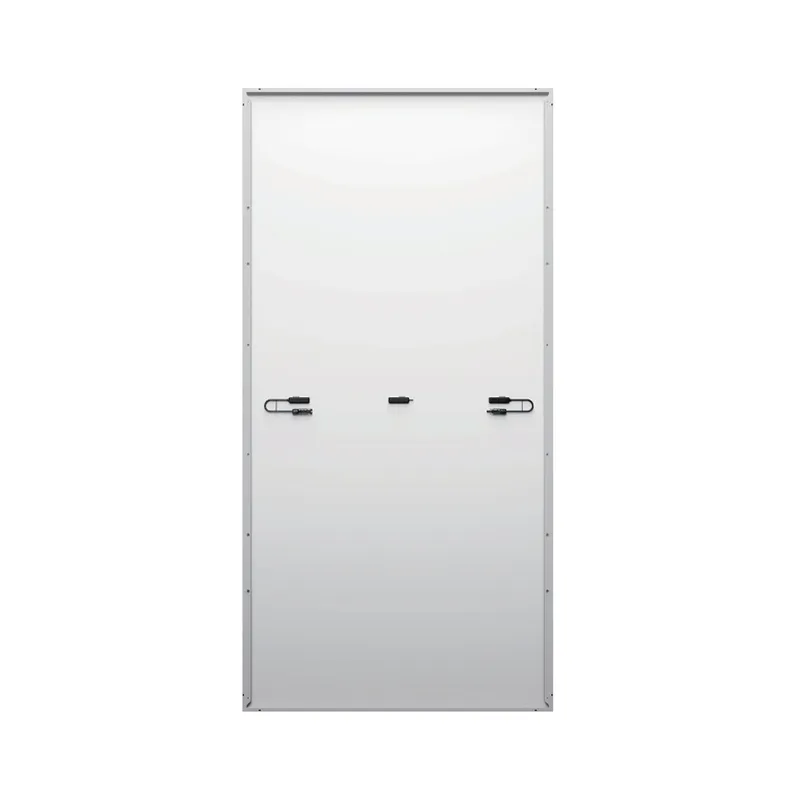
Materials: high-purity mono wafers → advanced passivated cells → multi-busbar, half-cut strings → tempered low-iron glass → UV-stable encapsulant (EVA/POE) → anodized aluminum frame → IP68 junction box.
Methods & tests: automated tabbing/stringing, lamination, 100% EL imaging (pre/post-lam), flash testing at STC, AQL sampling, mechanical load tests, PID resistance, salt mist/ammonia options as project needs. Standards anchor: IEC 61215/61730, UL 61730.
Service life: engineered for 25–30 years with a slow degradation slope; many customers say output after the first year settles predictably.
Where it shines
- Space-limited rooftops needing big kWh in fewer modules.
- Hybrid inverters and battery-ready homes (lower string count, tidy BOS).
- Coastal or high-snow regions that value robust frames and glass.
- Small C&I rooftops craving utility-class density (I’ve seen carports with these look fantastic).
Vendor snapshot: how it stacks
| Vendor / Model class | Wattage | Efficiency | Perf. warranty | Notes |
|---|---|---|---|---|
| LONGi 590–600W Hi-MO X6 | 590–600 W | ≈22–23% | 25–30 yrs | Low LID/LeTID, dense interconnects |
| Jinko n-type (comparable) | 575–620 W | ≈21.5–23% | 25–30 yrs | Strong reliability track record |
| JA Solar (n-type/TOPCon) | 560–610 W | ≈21–22.8% | 25–30 yrs | Good availability |
| Trina Vertex series | 580–625 W | ≈21.5–23% | 25–30 yrs | Broad inverter pairing |
Customization & logistics
Options often include black frame, MC4/MC4-EVO2 connectors, cable lengths, carton/pallet configs, and OEM labeling on request. Origin for this supply line: 2B01, Guomao Building, Zhongshan Road, Qiaoxi District, Shijiazhuang City, Hebei Province, China.
Mini case: compact roof, big output
A 12 kW suburban retrofit used 20 × LONGi 590-600W Hi-MO X6 High efficiency Solar Panel for Home, split across two roof faces with a hybrid inverter. The homeowner reported “fewer roof penetrations and cleaner look.” Modeled via NREL PVWatts, annual yield penciled at ≈ 13,500–15,000 kWh (mid-latitude, 20° tilt, typical losses). To be honest, the tidy cable runs were my favorite part.
Why pick it
- High density per square meter, fewer modules and rails.
- Proven certification stack and reliability testing.
- Installer-friendly: half-cut, multi-busbar, robust frame.
Note: Always check inverter string current/voltage limits and mounting wind zone calcs. Real-world performance varies by climate, shading, and BOS.
References
-
Designing a Modern Home Roof Made Out of Solar Panels GuideNewsApr.16,2026
-
Guide to the Size of 150 Watt Solar Panel for Your ProjectNewsApr.09,2026
-
Understanding the Dimensions and Applications of a 200W Solar PanelNewsApr.07,2026
-
Understanding the Dimensions and Factors of a 330W Solar Panel SizeNewsApr.04,2026
-
Understanding the Size and Dimensions of a 4kW Solar Panel System for Your HomeNewsMar.31,2026
-
Comprehensive Guide to Sizing Your Solar System for Optimal Energy ProductionNewsMar.28,2026