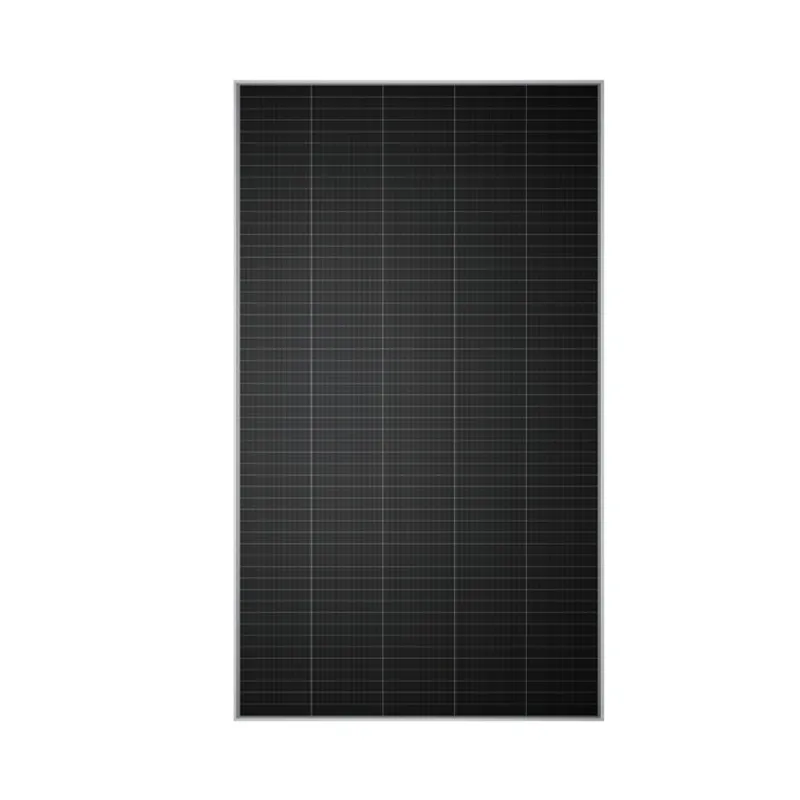
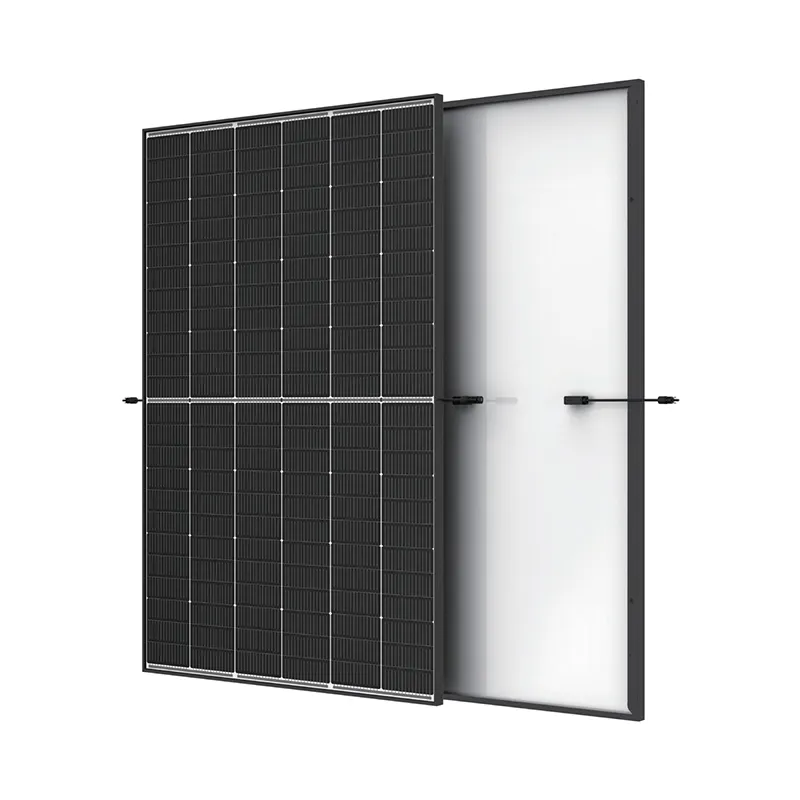
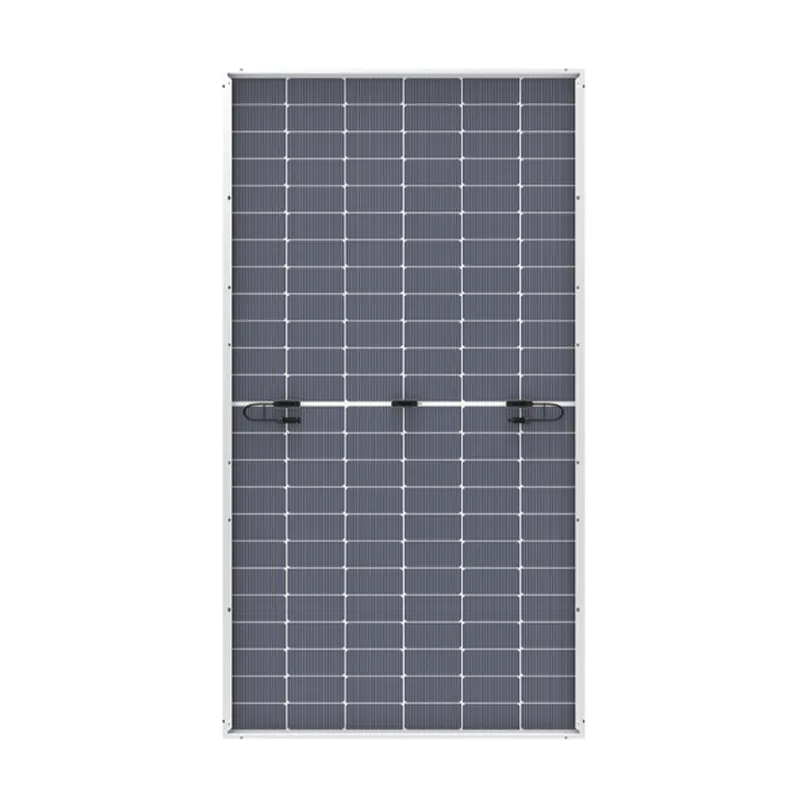
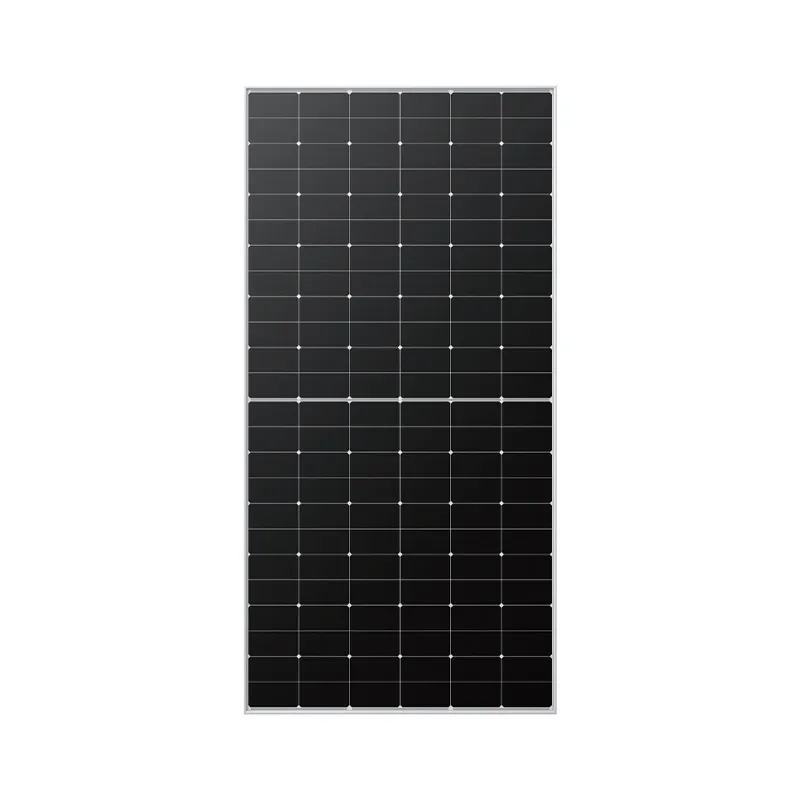
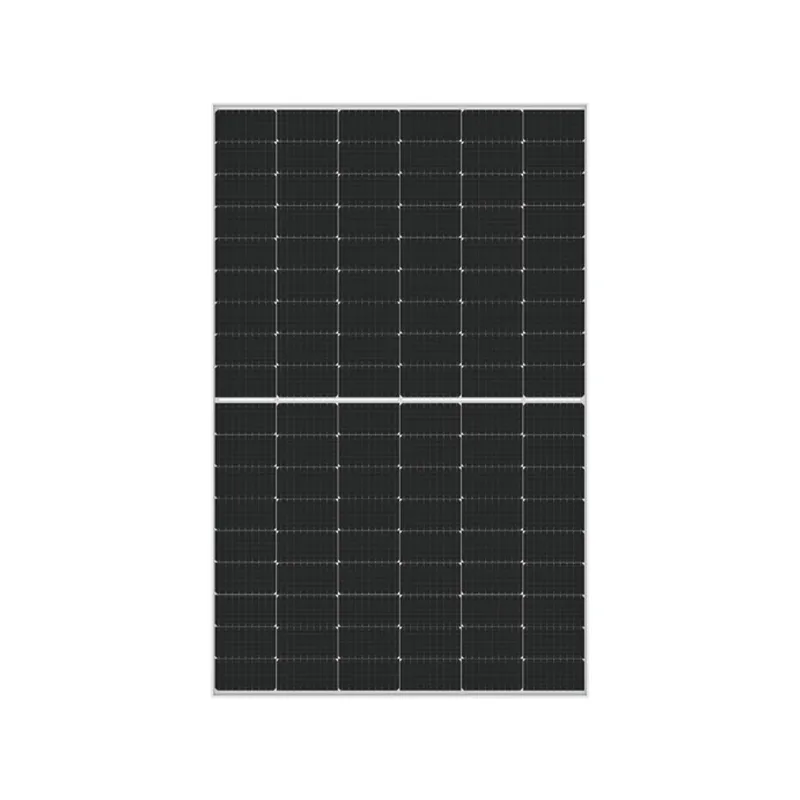
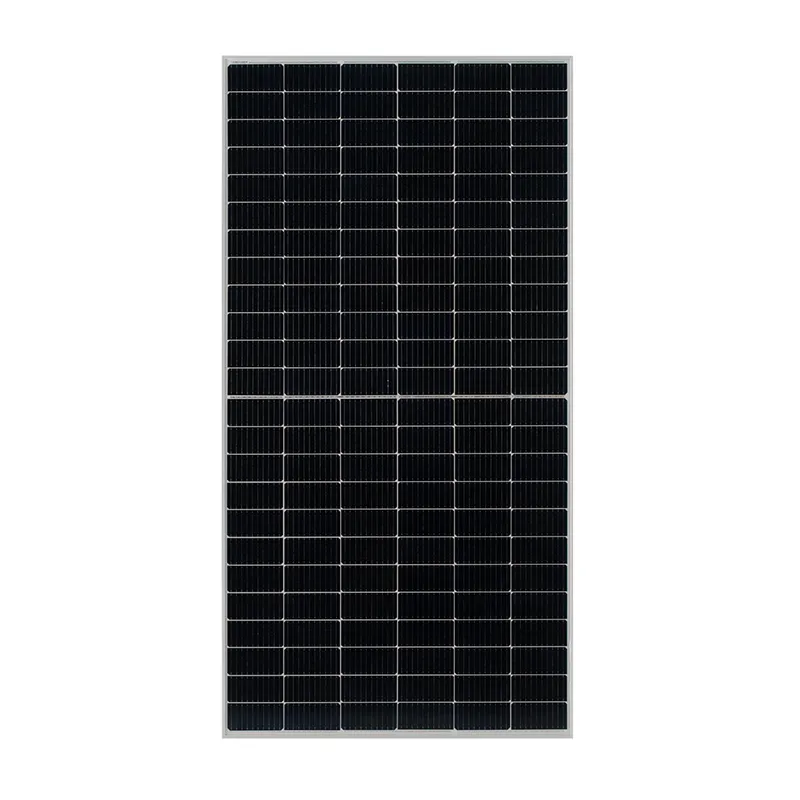
LONGi 585-620W HiMO7 Bifacial Half-Cell Solar Panel for Home
Is a 600W-Class Bifacial Panel Overkill for Home? I Tried It—Here’s What I Learned
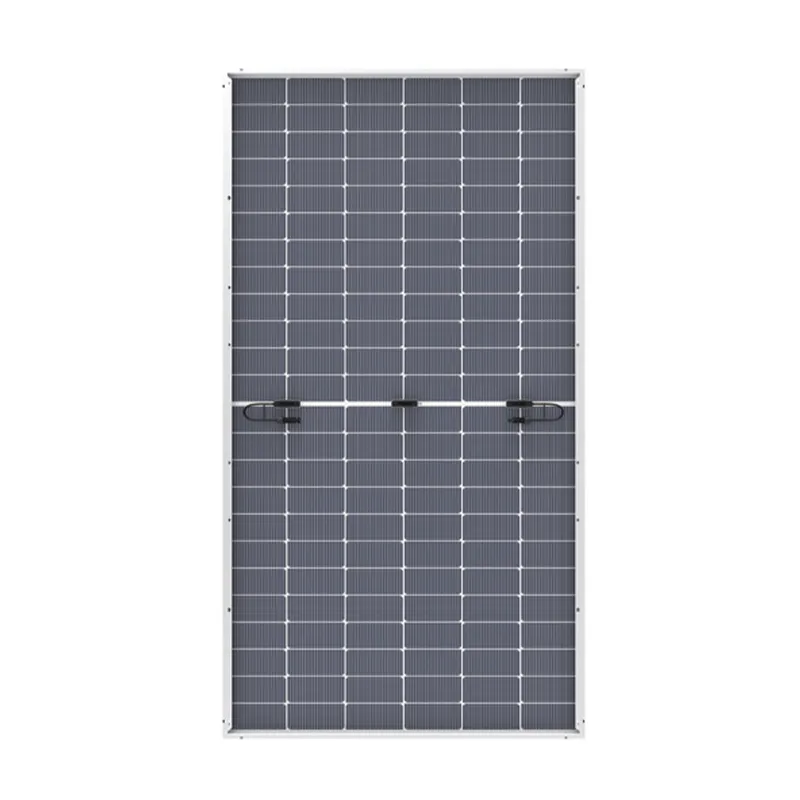
If you’re shopping beyond the usual 400–500W modules, the LONGi 585-620W Hi-MO7 Bifacial Half cell Solar Panel for Home is the big-league option that keeps popping up. On paper it looks “utility-scale.” In practice, I’ve seen it work surprisingly well on large home roofs and carports—especially where you can squeeze a few more kWh via albedo (light bouncing off light concrete, gravel, or pale membranes).
Why this module is trending
Market trend, short version: bigger wafers, fewer modules, lower BOS costs. Installers keep telling me 600W-class bifacials reduce rail, wiring, and labor lines—nice in a tight labor market. And bifacial gains (often ≈5–12% depending on site) help offset winter dips. To be honest, it’s not for every roof. But on spacious homes and C&I-lite sites, it’s compelling.
Key specs (real-world may vary)
| Parameter | Typical Value |
|---|---|
| Rated Power (STC) | 585–620 W |
| Module Efficiency | up to ≈22.5% |
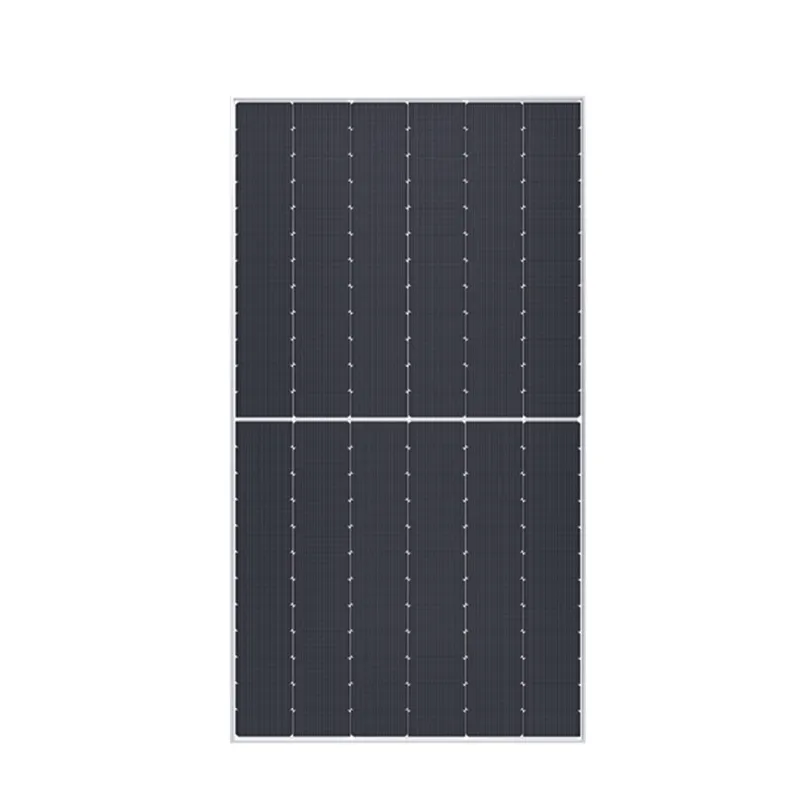
| Cell/Tech | Mono, half-cut, multi-busbar, bifacial architecture |
| Bifacial Factor | ≈70–80% |
| Max System Voltage | 1500 V DC |
| Mechanical Load | 5400 Pa snow / 2400 Pa wind |
| Glass/Encapsulation | Dual-glass, EVA/POE stack |
| Junction Box | IP68, 3 bypass diodes |
| Warranty | ≈12-year product, up to 30-year linear power |
| Certifications | IEC 61215, IEC 61730; salt-mist (IEC 61701), ammonia (IEC 62716) |
How it’s built and tested
Materials: 210 mm-class mono wafers, dual-glass stack, anodized aluminum frame, tinned copper ribbons. Methods: laser cell cutting, multi-busbar soldering, EL imaging pre/post-lamination, IV flash, and hi-pot tests. Reliability: PID/LID/LeTID mitigation, thermal cycling and damp heat per IEC 61215, hail impact, plus mechanical load testing. Service life? Around 30 years is the target, with slow degradation curves. Industries using similar builds include residential, small commercial, agri-PV, and hospitality rooftops.
Where it shines (no pun intended)
- Large residential roofs or carports with pale surfaces (bifacial gain).
- Ground-mounts with light gravel or reflective fabric underlay.
- Snowy regions (winter albedo bump), or high-irradiance zones with good rear clearance.
Real voices: many customers say the LONGi 585-620W Hi-MO7 Bifacial Half cell Solar Panel for Home helped cut racking parts and sped installs. One installer in Colorado reported ≈9% rear-side gain on a white TPO roof; a farmer in NSW logged a weekend-average 7% bump over mono-facials on the same string length. Not a lab—just practical data points.
Vendor comparison (high-level)
| Model | Power | Efficiency | Bifacial Factor | Warranty |
|---|---|---|---|---|
| LONGi 585-620W Hi-MO7 Bifacial Half cell Solar Panel for Home | 585–620 W | ≈22%+ | ≈70–80% | 12Y product / up to 30Y power |
| JA Solar DeepBlue-class bifacial | 575–620 W | ≈21–22% | ≈70–75% | 12Y / 30Y |
| Jinko Tiger Neo bifacial | 590–620 W | ≈21.5–22.5% | ≈70–80% | 12Y / 30Y |
Differences are often about availability, pricing, and installer familiarity. In my notes, LONGi’s QC consistency and glass-glass builds test well across multiple labs.
Customization, sourcing, and support
Distribution commonly ships from China; one listed origin: 2B01, Guomao Building, Zhongshan Road, Qiaoxi District, Shijiazhuang City, Hebei Province, China. Customization options (ask your vendor): frame color, cable length, connector type, and palletization for small-lift sites. Important: check inverter string current limits and roof wind zoning before committing to 600W-class modules.
Bottom line
If you’ve got space and reflective surfaces, the LONGi 585-620W Hi-MO7 Bifacial Half cell Solar Panel for Home is a smart way to squeeze more output with fewer modules. Not hype—just a larger-format bifacial that, in the right setup, pays off.
Citations
- IEC 61215: Terrestrial PV Modules – Design Qualification and Type Approval: https://webstore.iec.ch/publication/61000
- IEC 61730: PV Module Safety Qualification: https://webstore.iec.ch/publication/33622
- NREL Bifacial PV Overview: https://www.nrel.gov/pv/bifacial.html
- PVEL PV Module Reliability Scorecard (latest): https://www.pvel.com/scorecard/
-
Designing a Modern Home Roof Made Out of Solar Panels GuideNewsApr.16,2026
-
Guide to the Size of 150 Watt Solar Panel for Your ProjectNewsApr.09,2026
-
Understanding the Dimensions and Applications of a 200W Solar PanelNewsApr.07,2026
-
Understanding the Dimensions and Factors of a 330W Solar Panel SizeNewsApr.04,2026
-
Understanding the Size and Dimensions of a 4kW Solar Panel System for Your HomeNewsMar.31,2026
-
Comprehensive Guide to Sizing Your Solar System for Optimal Energy ProductionNewsMar.28,2026