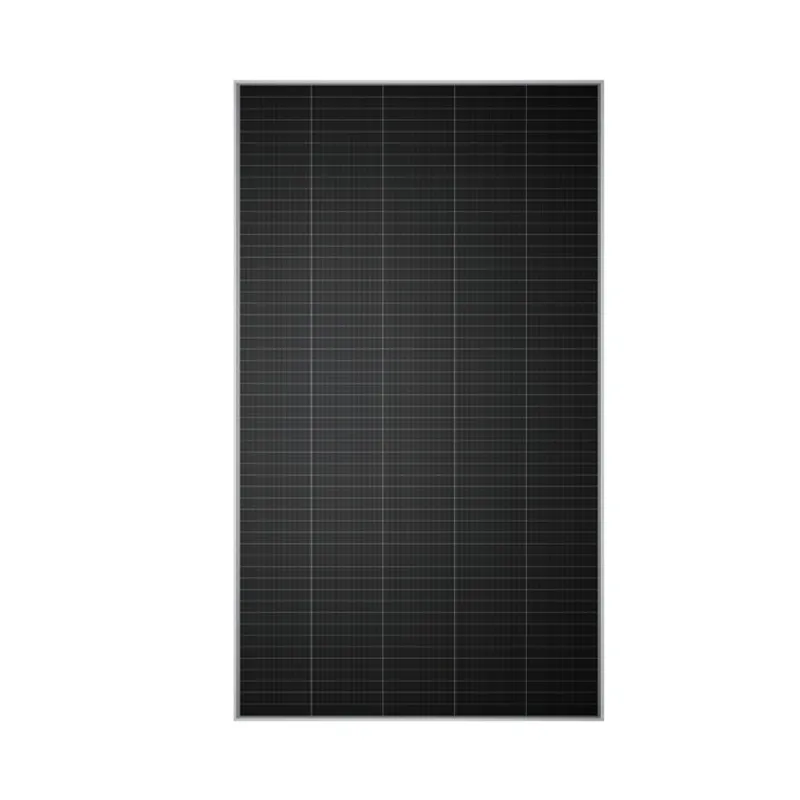
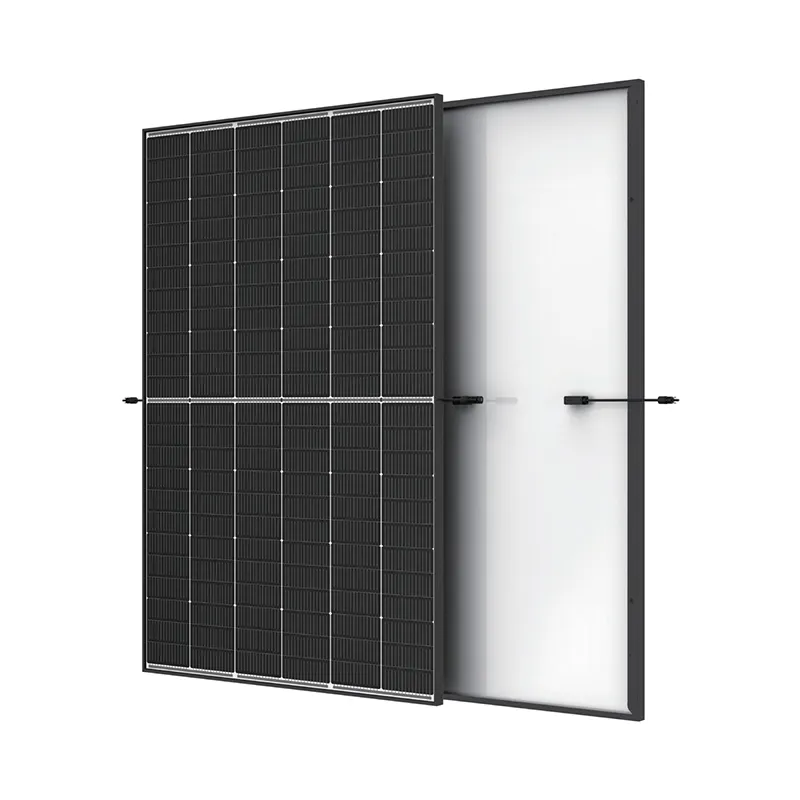
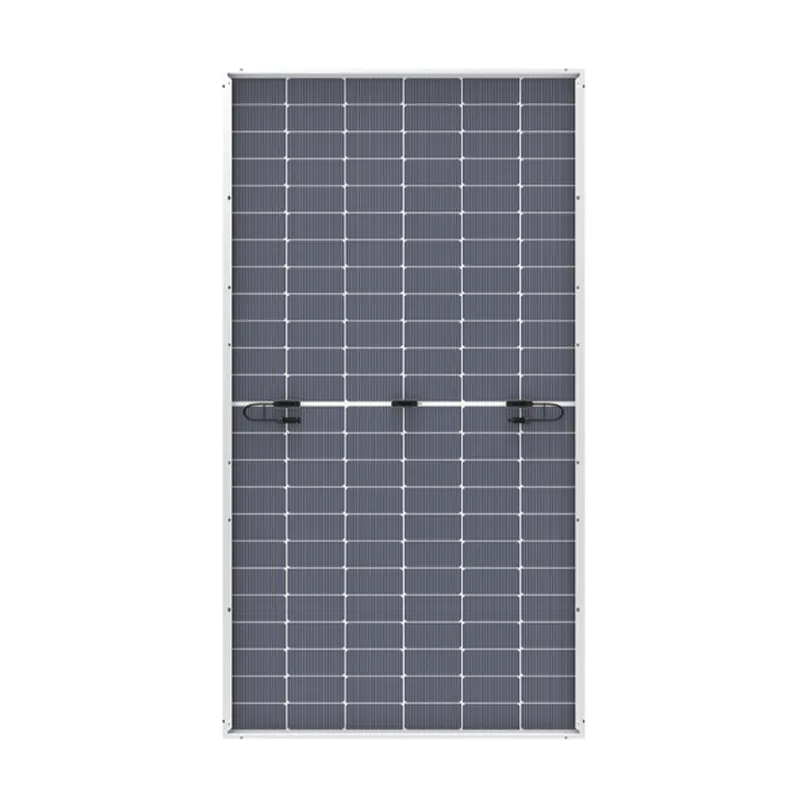
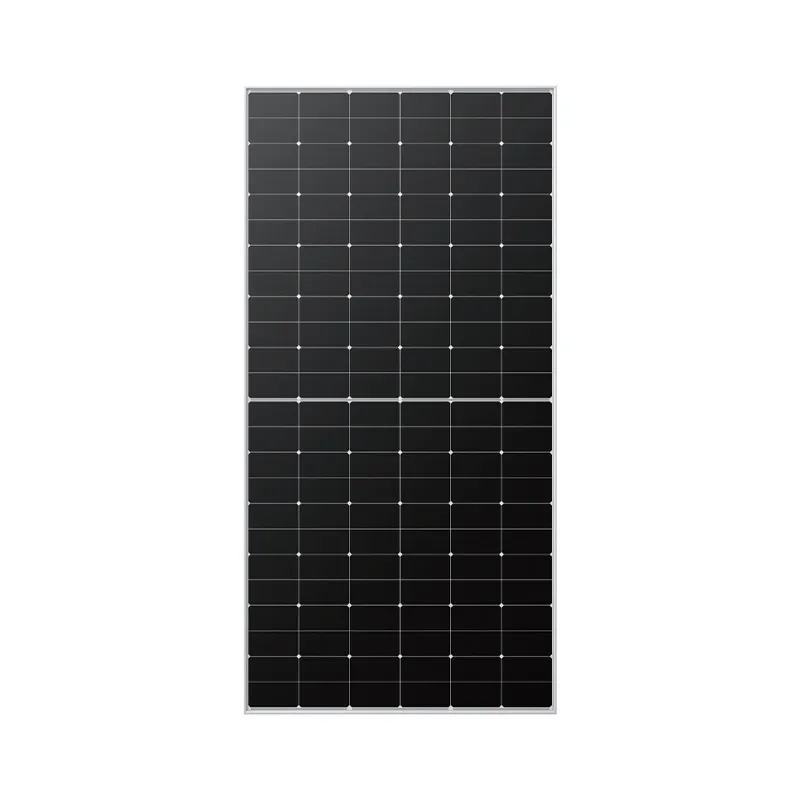
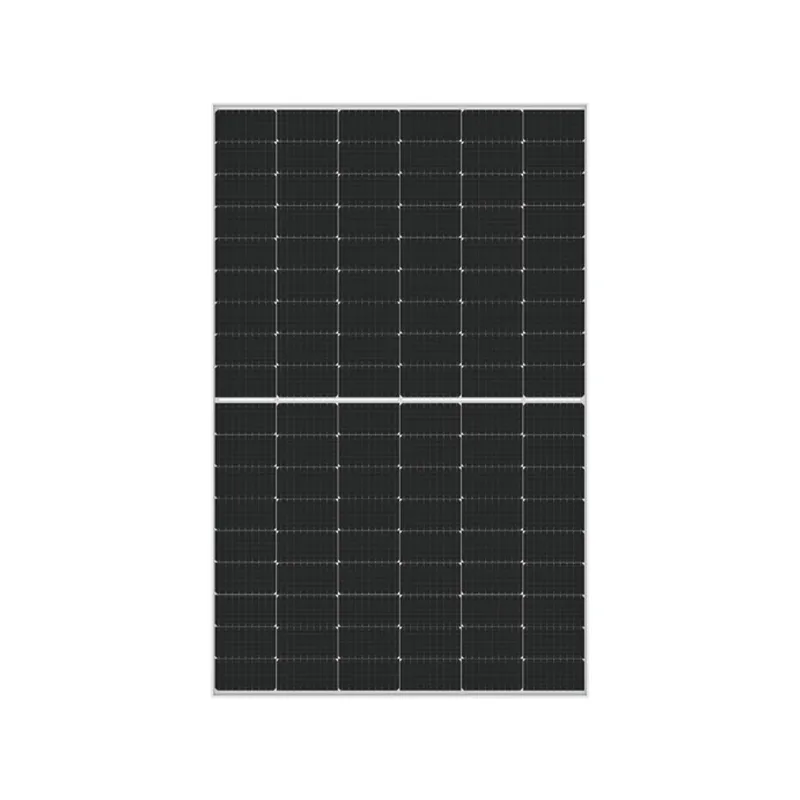
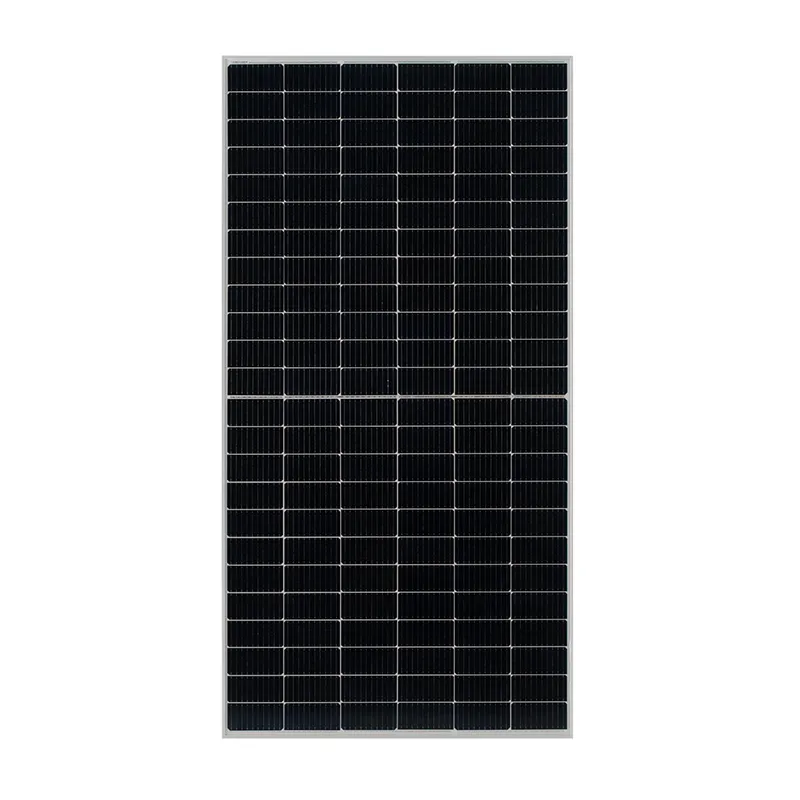
JinKO 450-470W N-Type Mono-facial MBB HC Solar Panel Low LID
Field Notes on the JinKO 450–470W N-Type Mono-facial Module: Where Efficiency Meets Real-World Toughness
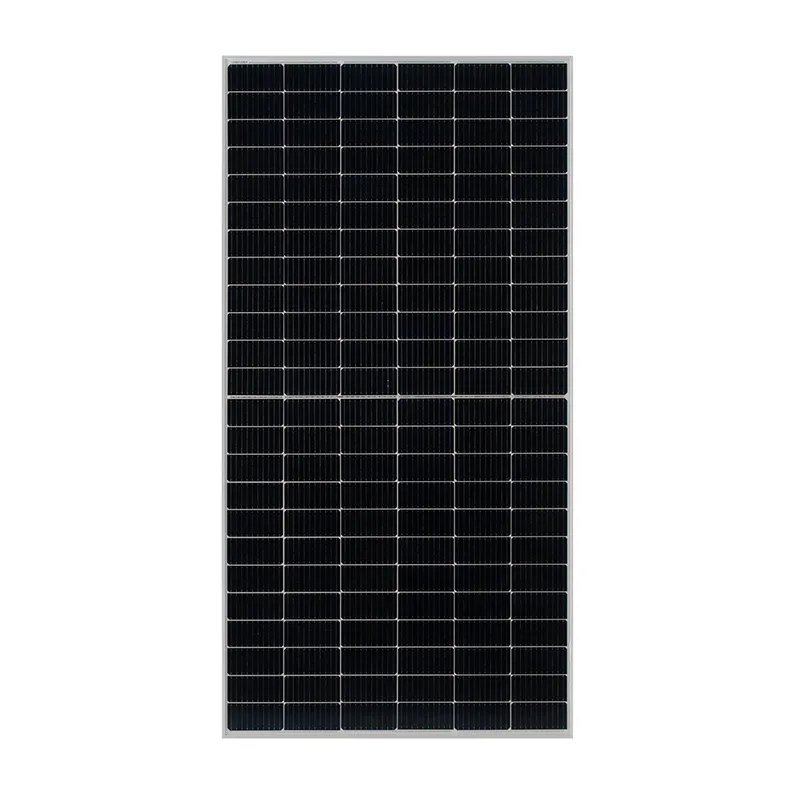
If you follow solar as closely as I do, you’ve noticed the shift: N-type, half-cut, MBB, TOPCon… it’s not just alphabet soup. It’s what pushes rooftops and C&I arrays past old efficiency ceilings. That’s why the JinKO 450-470W N-Type Mono-facial Module MBB HC Technology Solar Panel has become a quiet favorite among EPCs I talk to—especially those who build for harsh climates and demanding O&M budgets.
What’s happening in the market (quickly, and honestly)
N-type cells with multi-busbar (MBB) and half-cut (HC) layouts are becoming the default in mid–high power classes. Why? Lower LID/LeTID, better low-light response, and a kinder temperature coefficient make yield more predictable. In fact, many customers say they see steadier morning/evening output versus older P-type modules, which matches what I’ve seen on live dashboards.
Key specifications (the bits that matter on site)
| Parameter | Typical Value (≈ / may vary) |
|---|---|
| Rated Power | 450–470 W |
| Module Efficiency | ≈ 21.0–22.3% |
| Cell Type | N-type mono, MBB, half-cut |
| Temp Coefficient (Pmax) | ≈ −0.30%/°C |
| NOCT | ≈ 45 ± 2°C |
| Mechanical | Anodized Al frame; tempered glass; IP68 junction box |
| Certifications | IEC 61215/61730; UL 61730; salt-mist IEC 61701; ammonia IEC 62716 |
| Warranty | Product ≈ 12 yrs; Linear power ≈ 25–30 yrs |
| Origin | 2B01, Guomao Building, Zhongshan Road, Qiaoxi District, Shijiazhuang, Hebei, China |
Where it fits best
- Commercial rooftops chasing every kWh/m² without overloading structure.
- Ground-mounts in hot zones (Texas, Middle East) where temp coefficient matters.
- Coastal and agricultural sites—thanks to tested resistance to salt mist and ammonia.
Process flow and quality checkpoints (the quick tour)
Materials: N-type mono wafers, low-Fe glass, EVA/POE encapsulant, anodized aluminum, tinned copper ribbons (MBB). Methods: precision cell sorting, automatic stringing, half-cut interconnect, laminating under controlled vacuum, and 100% EL imaging pre/post-lamination. Testing: IEC 61215 reliability, IEC 61730 safety, PID per IEC 62804, salt mist IEC 61701, ammonia IEC 62716, sand abrasion IEC 60068-2-68. Service life: designed for ≥25 years with linear power warranty; real-world results depend on O&M.
How it stacks up vs common alternatives
| Vendor/Model | Power Class | Cell Tech | Temp Coef (≈) | Notes |
|---|---|---|---|---|
| JinKO 450–470W N-type | 450–470 W | N-type, MBB, HC | −0.30%/°C | Strong low-light; robust anti-PID |
| Trina (comparable class) | 445–475 W | N/P-type, MBB | ≈ −0.30 to −0.34%/°C | Broad availability; similar yield |
| JA Solar (comparable class) | 450–475 W | N/P-type, MBB | ≈ −0.30 to −0.35%/°C | Good cost/performance |
Customization and integration
You can usually specify connector types, cable lengths, and palletization. For EPCs, I recommend requesting factory flash data and EL images per batch. On racking, the clamping zone and load ratings are standard—but check the latest mechanical datasheet before edge-clamping in high-snow areas.
Field feedback and mini case studies
- Retail rooftop, Mediterranean coast: installers reported stable mornings and less clipping under mild cloud—attributed to N-type low-light behavior.
- Light industrial site, inland Australia: year-one PR slightly above model, despite summer heat; O&M liked the MBB tolerance to microcracks.
To be honest, that aligns with what data nerds have told me: N-type’s lower degradation and kinder thermal slope just make life easier across 25 years.
Bottom line
If you need a durable, mid–high power mono-facial option with modern cell tech, JinKO 450-470W N-Type Mono-facial Module MBB HC Technology Solar Panel is a solid bet—especially where temperature and long-term yield are non-negotiable.
References
- IEC 61215: Terrestrial photovoltaic (PV) modules – Design qualification and type approval.
- IEC 61730: Photovoltaic (PV) module safety qualification.
- UL 61730: Photovoltaic module safety standard (North America).
- IEC 62804: PV modules – Test methods for potential-induced degradation.
- IEC 61701 and IEC 62716: Salt mist and ammonia corrosion resistance tests for PV modules.
-
Designing a Modern Home Roof Made Out of Solar Panels GuideNewsApr.16,2026
-
Guide to the Size of 150 Watt Solar Panel for Your ProjectNewsApr.09,2026
-
Understanding the Dimensions and Applications of a 200W Solar PanelNewsApr.07,2026
-
Understanding the Dimensions and Factors of a 330W Solar Panel SizeNewsApr.04,2026
-
Understanding the Size and Dimensions of a 4kW Solar Panel System for Your HomeNewsMar.31,2026
-
Comprehensive Guide to Sizing Your Solar System for Optimal Energy ProductionNewsMar.28,2026