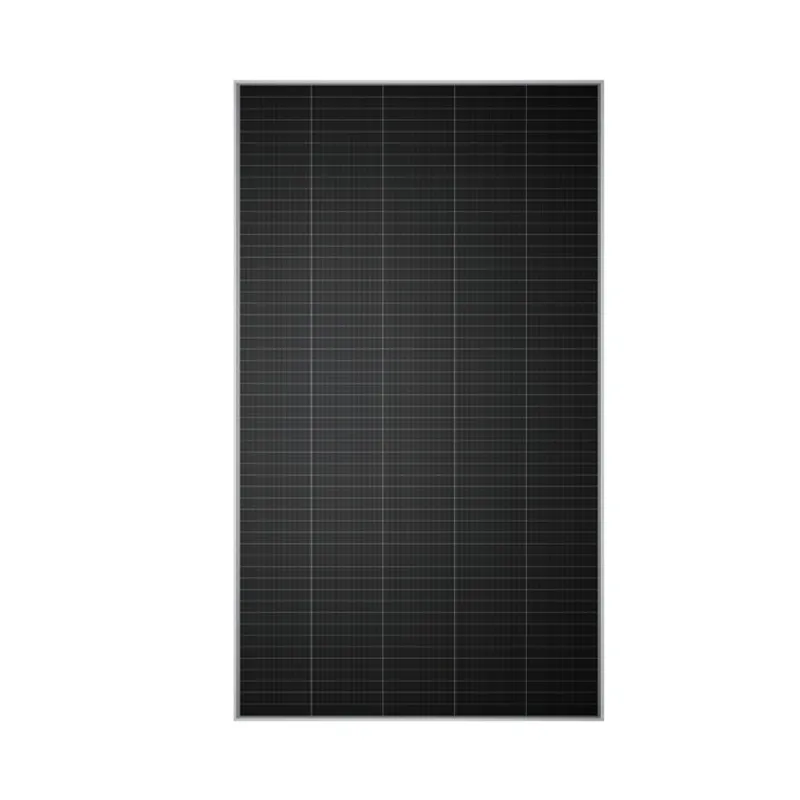
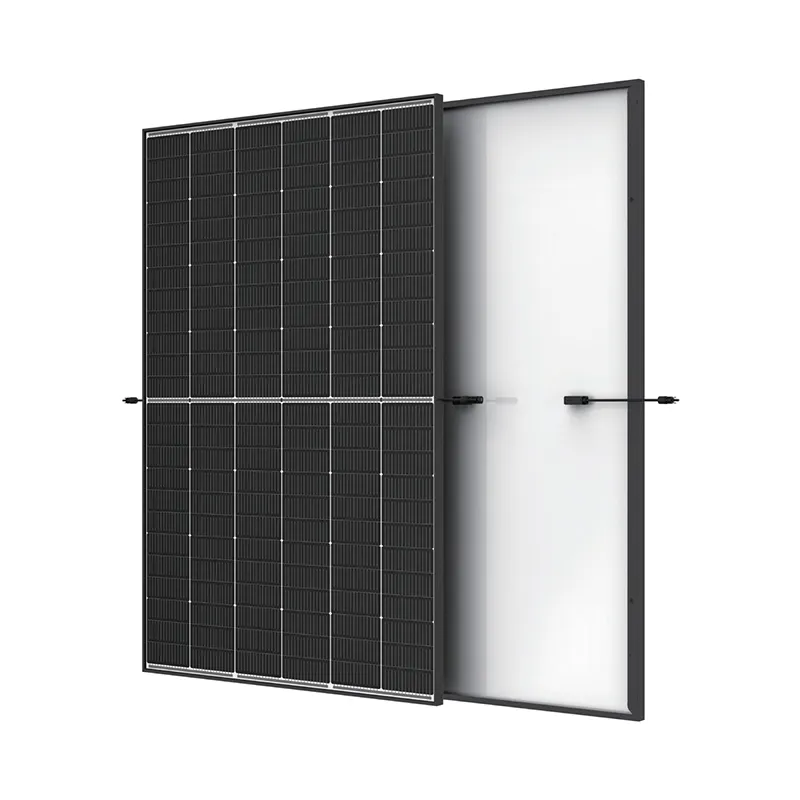
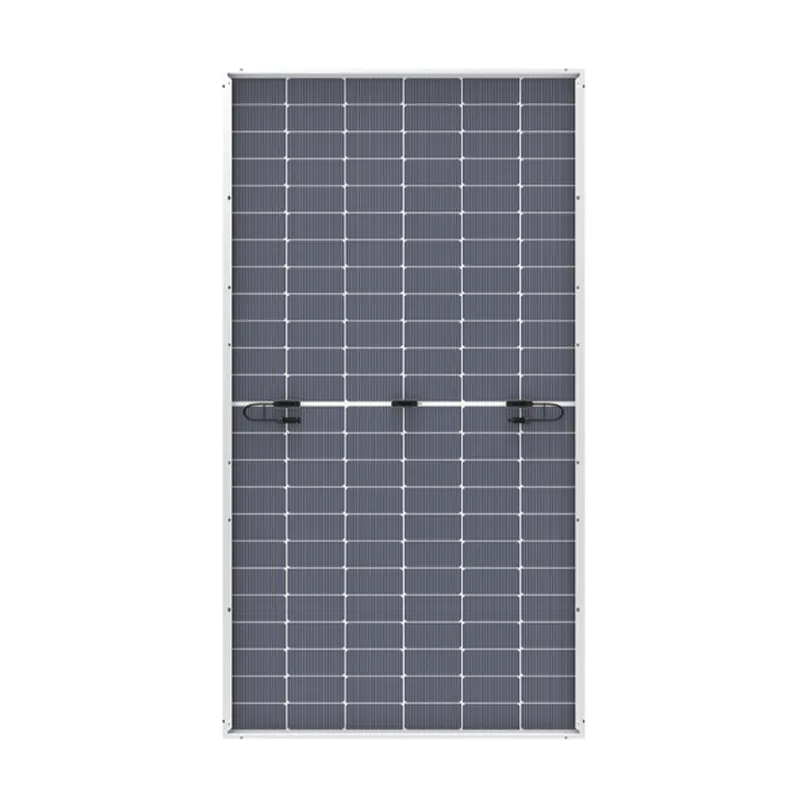
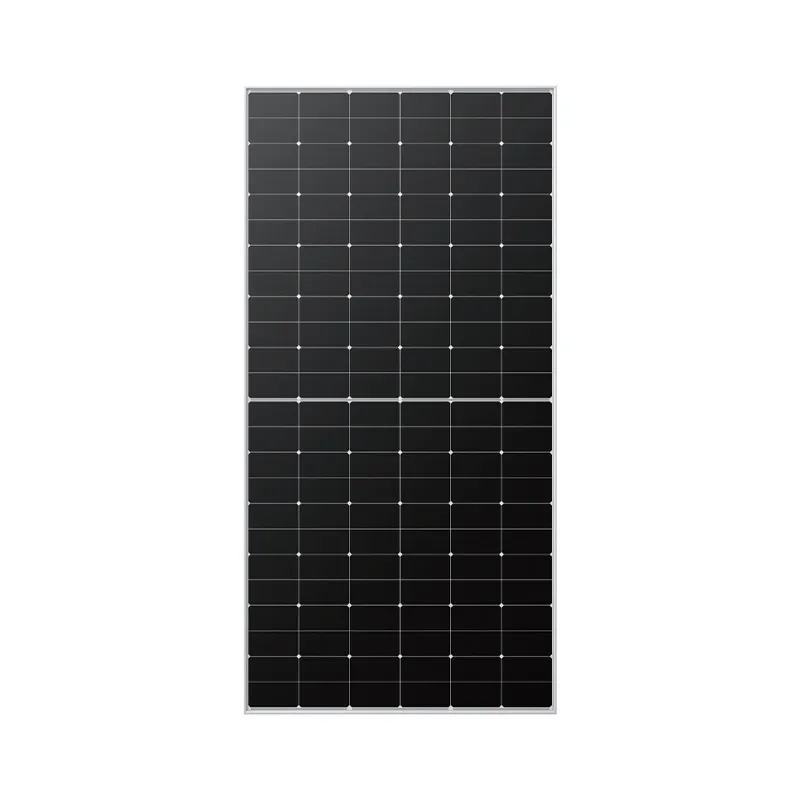
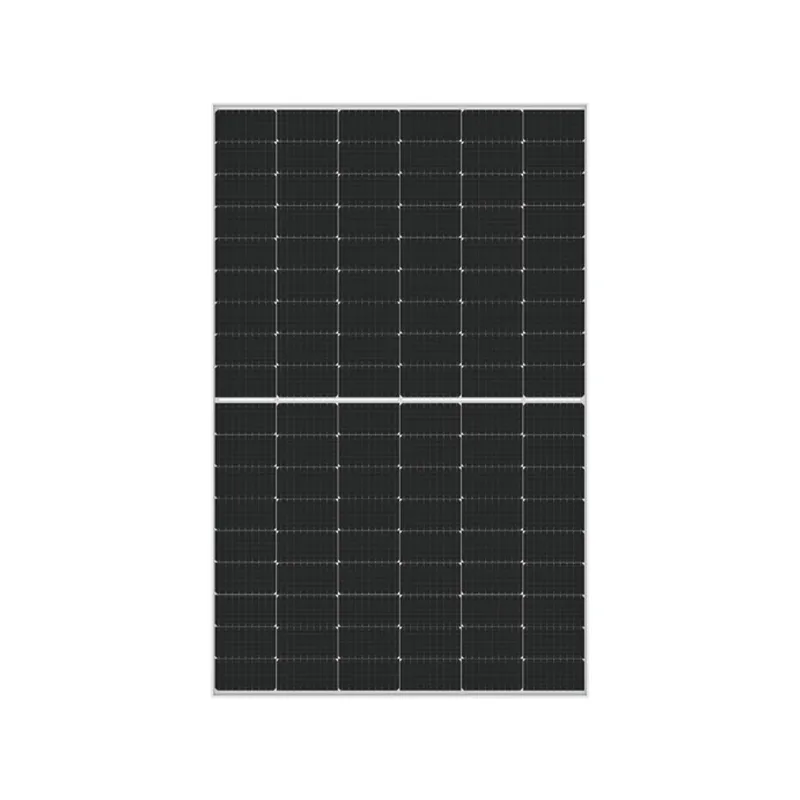
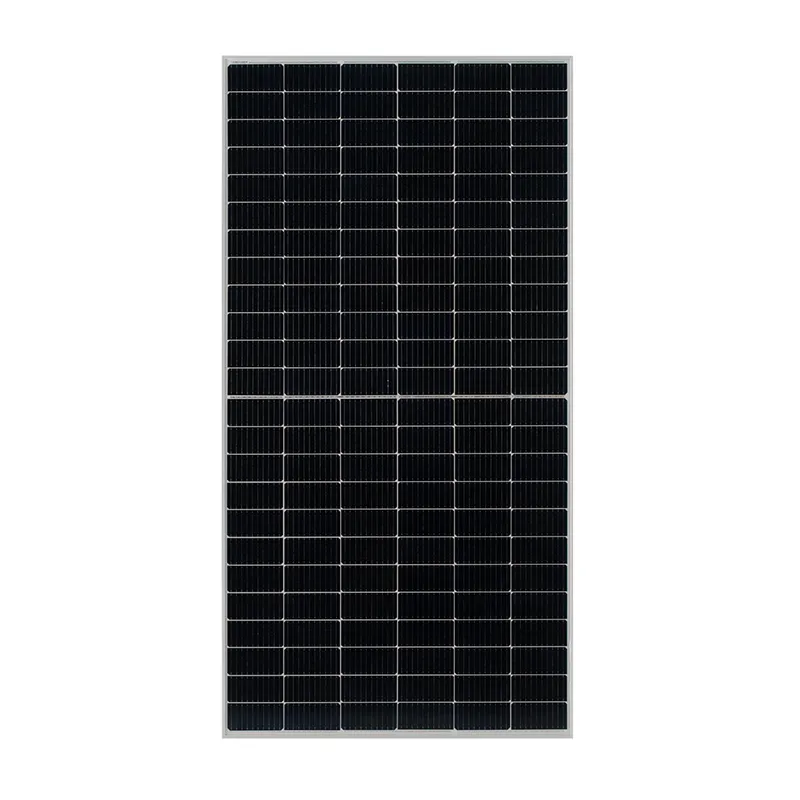
JinKO 450-470W N-Type Mono-facial MBB HC Solar Panel Low LID
JinKO 450-470W N-Type Mono-facial Module MBB HC Technology Solar Panel
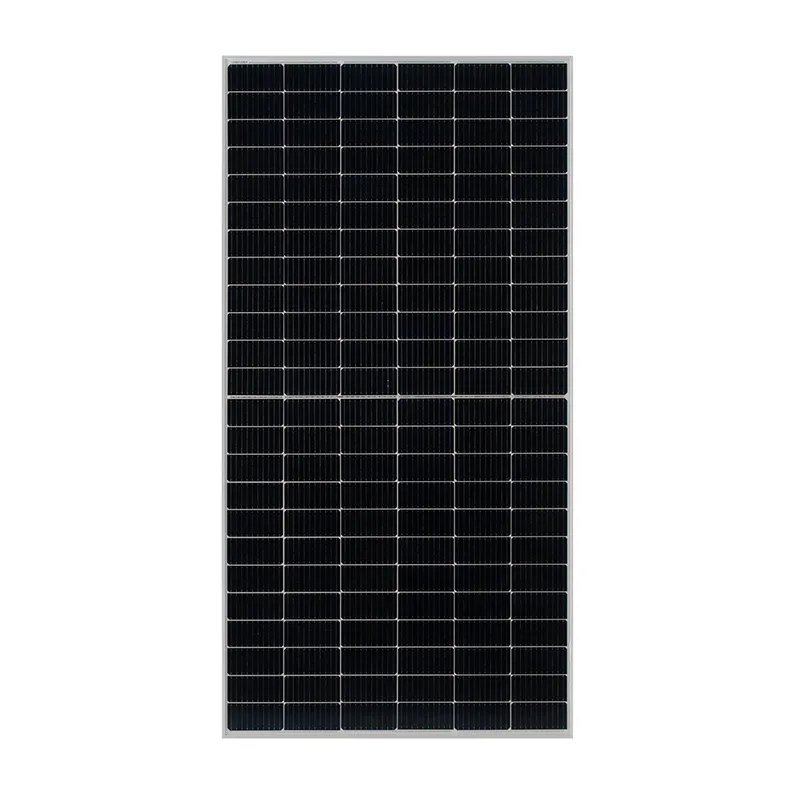
Solar buyers keep asking for one thing: more energy per square meter without headaches. That’s why the jump to N-type TOPCon with multi-busbar (MBB) half-cut cells keeps showing up on my notes from factory visits. And yes, the JinKO 450-470W N-Type Mono-facial Module MBB HC Technology Solar Panel sits right in the sweet spot for rooftops and small C&I fields where reliability and quick ROI matter more than chasing record-breaking wattage.
Industry trend check, quickly: N-type is edging out P-type due to lower LID/LeTID, better temperature behavior, and strong bifacial options (even though this one’s mono-facial). Many installers tell me the consistency in field output is what clinches it. To be honest, the quieter story is quality control—lamination, EVA cross-linking, and junction box sealing are where long-term winners are made.
Key Specifications (typical values, real-world use may vary)
| Rated Power (Pmax) | ≈ 450–470 W |
| Module Efficiency | ≈ 21.0–22.3% |
| Cell Tech | N-type TOPCon, MBB, Half-cell (HC) |
| Temperature Coefficient (Pmax) | ≈ -0.29 to -0.30%/°C |
| NMOT | ≈ 43 ± 2°C |
| Front Glass / Frame | 3.2 mm tempered, AR-coated / Anodized Al |
| Junction Box / Connectors | IP68 / MC4-compatible |
| Warranties | ≈ 12-year product; up to 30-year linear power |
| Certifications | IEC 61215, IEC 61730; IEC 61701 (Salt Mist), IEC 62716 (Ammonia) |
Where it fits (and why installers like it)
- Commercial rooftops chasing ≤ 25-year LCOE wins, tight racking layouts.
- Ground-mount C&I where logistics favor standard-size mono-facials.
- Hot climates—N-type’s temp behavior helps mid-day output.
Feedback has been consistent: fewer hot spots thanks to half-cut layout, tidy cable routing, and stable IV curves in mixed light. Not flashy—but bankable.
Manufacturing & Reliability Process (what actually matters)
Materials: N-type TOPCon cells (high-purity wafers), low-PID EVA, 3.2 mm glass, UV-stable backsheet, anodized frame. Methods: MBB soldering, laser-cut half-cells, EL/PL screening each stage, PID/LeTID stress testing. Testing standards: IEC 61215/61730 sequence, salt-mist (61701), ammonia (62716), and thermal cycling/humidity freeze. Service life: designed for 25–30 years with annual degradation typically ≈ 0.4–0.6% after year one.
Vendor landscape (quick comparison)
| Vendor/Model | Cell Tech | Eff. ≈ | Temp Coef | Warranty (prod/power) |
|---|---|---|---|---|
| JinKO 450-470W N-Type Mono-facial Module MBB HC Technology Solar Panel | N-type TOPCon, MBB | 21–22.3% | ≈ -0.29%/°C | ≈ 12y / up to 30y |
| Trina Vertex S+ 440–470 | N-type TOPCon | 21–22% | ≈ -0.30%/°C | ≈ 25y / 30y |
| LONGi Hi-MO 6 450–475 | HPBC/PERC variants | 21–23% | ≈ -0.28 to -0.30%/°C | ≈ 15y / 25–30y |
| Canadian Solar TOPHiKu6 450–470 | N-type TOPCon | 20.8–21.8% | ≈ -0.30%/°C | ≈ 12y / 25–30y |
Customization & logistics
Options often include custom string lengths, black frame aesthetics, and pre-terminated cable lengths for rooftop speed. Origin/fulfillment: 2B01, Guomao Building, Zhongshan Road, Qiaoxi District, Shijiazhuang City, Hebei Province, China. Pallet configs and UL/CE labels available per region.
Quick case notes
A 1.2 MW retail rooftop (humid coastal site) swapped in N-type mono-facials like the JinKO 450-470W N-Type Mono-facial Module MBB HC Technology Solar Panel. After 12 months, O&M reported stable IV scans, negligible PID signatures, and better mid-summer midday yield than legacy P-type—nothing dramatic, just steady gains that compound.
Why it’s a safe bet
- Lower LID/LeTID typical of N-type; more consistent first-year kWh.
- Half-cut layout cuts resistive loss; MBB improves current collection.
- Bankable certifications (IEC 61215/61730) and corrosion tests (61701/62716).
If you’re sizing for dependable 25–30 year service with sensible CAPEX, this checks most boxes.
References
- IEC 61215: Terrestrial photovoltaic modules – Design qualification and type approval.
- IEC 61730: Photovoltaic module safety qualification.
- IEC 61701 / IEC 62716: Salt mist and ammonia corrosion tests for PV modules.
- JinkoSolar product portfolio and N-type TOPCon resources: https://www.jinkosolar.com/
- TÜV certification databases for PV modules: https://www.tuv.com/
-
Designing a Modern Home Roof Made Out of Solar Panels GuideNewsApr.16,2026
-
Guide to the Size of 150 Watt Solar Panel for Your ProjectNewsApr.09,2026
-
Understanding the Dimensions and Applications of a 200W Solar PanelNewsApr.07,2026
-
Understanding the Dimensions and Factors of a 330W Solar Panel SizeNewsApr.04,2026
-
Understanding the Size and Dimensions of a 4kW Solar Panel System for Your HomeNewsMar.31,2026
-
Comprehensive Guide to Sizing Your Solar System for Optimal Energy ProductionNewsMar.28,2026