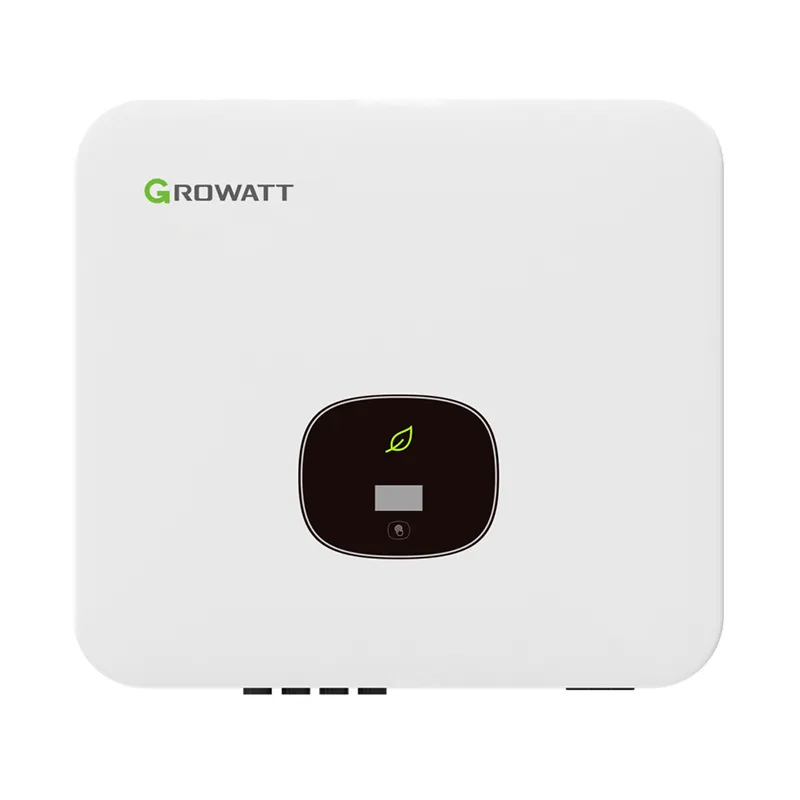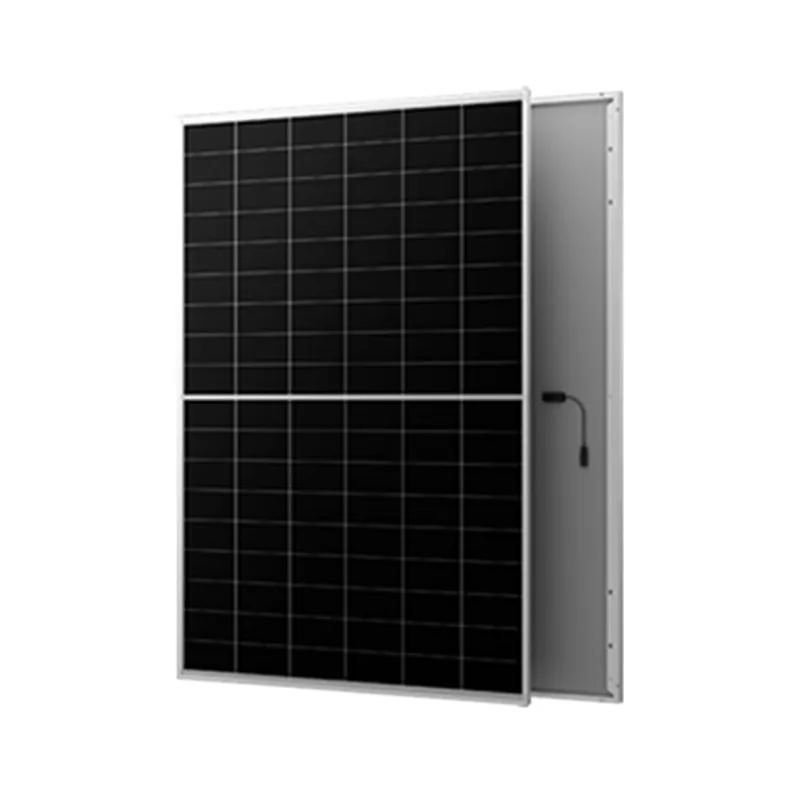
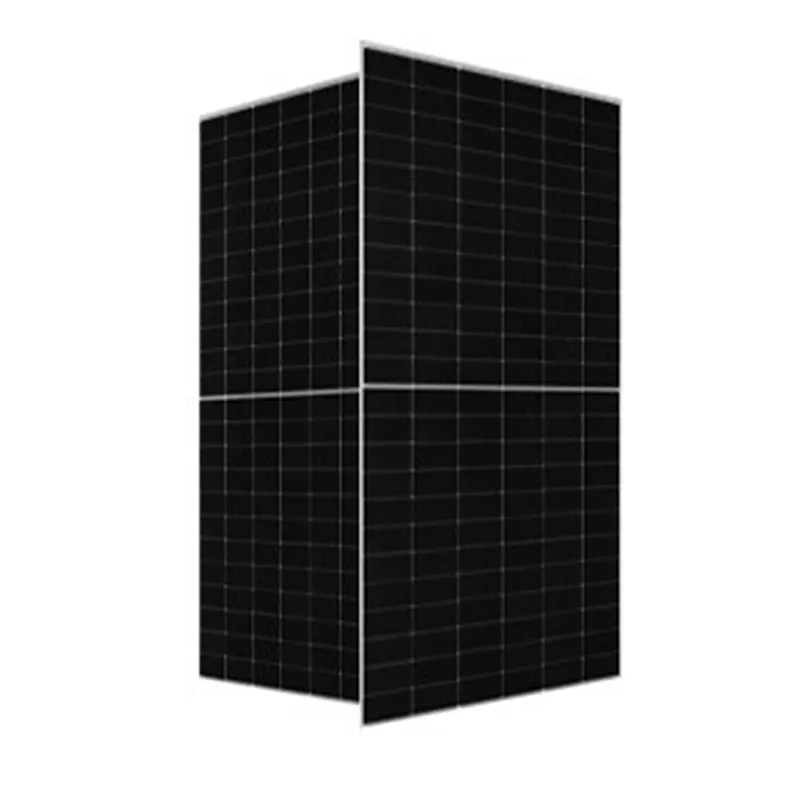
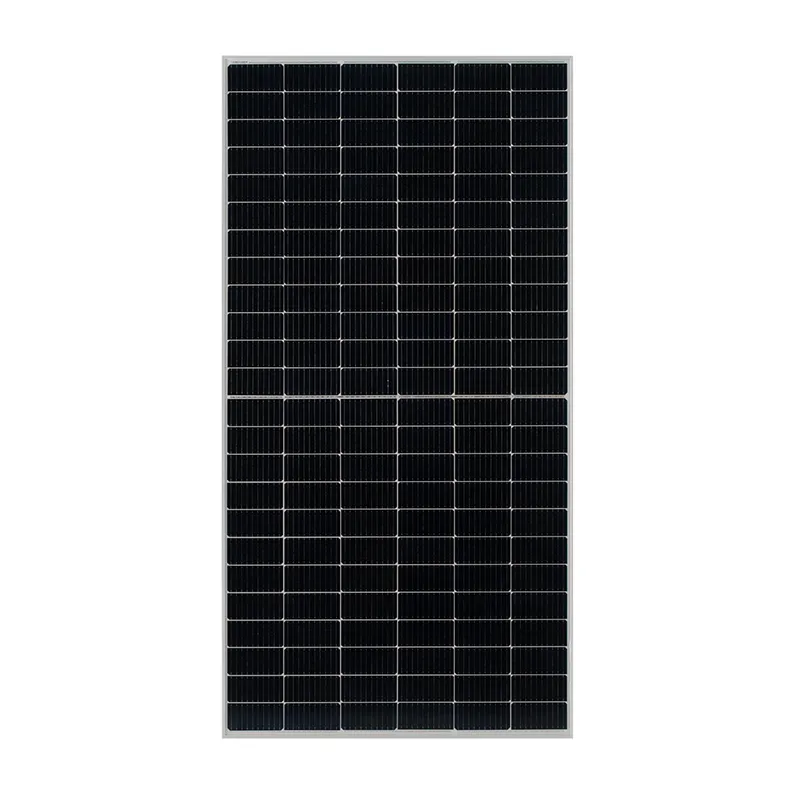
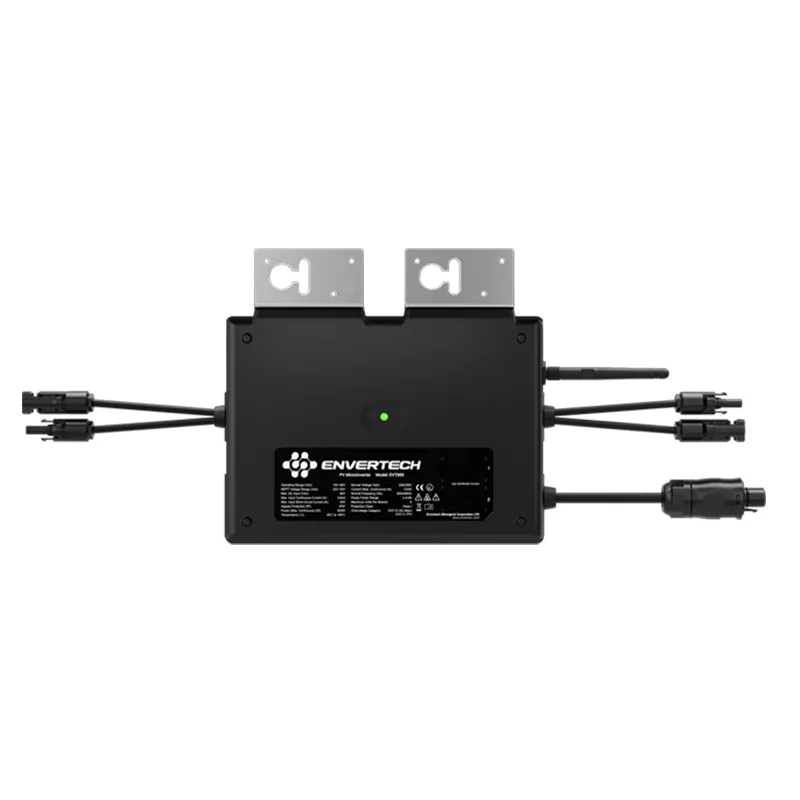
Sustainable Home Solar Energy Solutions for Vietnam Households

Empowering Vietnamese homes with high-efficiency solar panels and off-grid systems to reduce electricity costs and embrace green energy.

The State of Residential Solar Energy in Vietnam

Analyzing the shift toward decentralized power and the growing demand for home energy autonomy.

Vietnam has emerged as a regional leader in solar adoption, driven by high solar irradiance and a growing need to stabilize the national grid. The shift toward solar energy is no longer just an environmental choice but a strategic financial decision for households facing fluctuating utility costs.

Despite the momentum, many users face challenges with system stability and the quality of imported components. There is a critical need for certified equipment that can withstand tropical humidity and high temperatures while maintaining peak efficiency throughout the year.

Modern Vietnamese homeowners are increasingly seeking a complete home solar system that integrates energy storage. This allows them to maximize self-consumption during the day and maintain power during peak evening hours or unplanned outages.
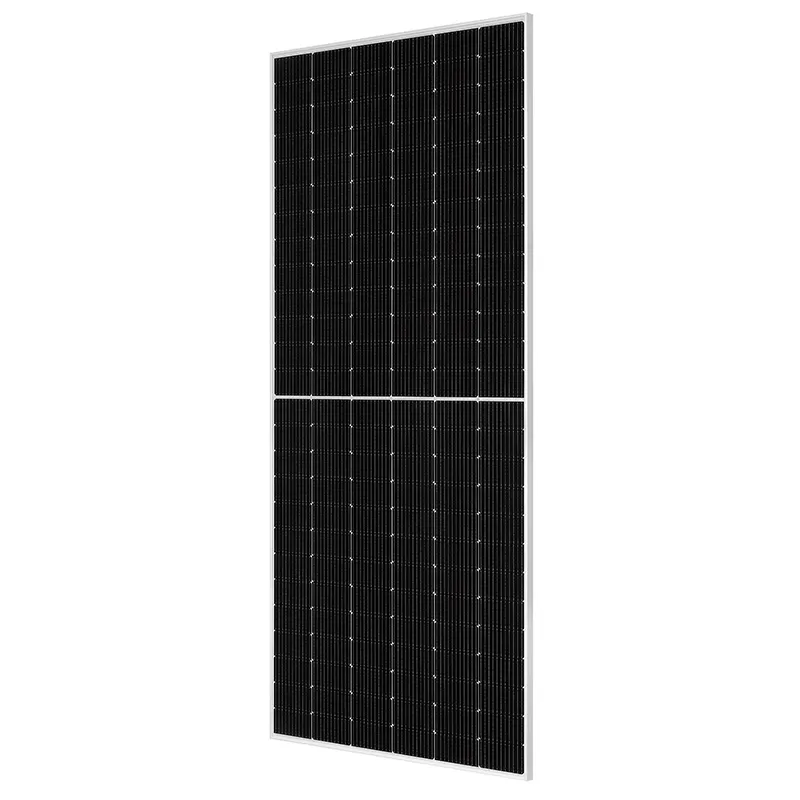
Evolution of Photovoltaic Adoption

Tracking the transition from early pilot projects to mainstream residential energy independence.

Developmental Milestones

Initial Adoption Phase
Early usage was primarily focused on rural lighting and small-scale water pumping, where grid access was limited and basic photovoltaic modules provided essential power.

Market Expansion Phase
The introduction of more affordable inverters and the rise of residential awareness led to a surge in rooftop installations across urban centers like Ho Chi Minh City and Hanoi.

Current Intelligent Phase
The focus has shifted toward "Smart Energy," combining high-efficiency modules with advanced energy storage batteries and AI-driven management systems for total autonomy.

Future Strategic Trends

1. Integration of High-Density Storage

A transition toward larger capacity lithium batteries to ensure 24/7 power availability, reducing reliance on the traditional grid entirely.

2. Hybrid Inverter Dominance

Increased adoption of hybrid systems that can seamlessly switch between grid-tied and off-grid modes depending on real-time energy needs.

3. Building-Integrated Photovoltaics (BIPV)

Moving beyond traditional panels to integrated materials where the solar cells are part of the building's structural facade or roofing.

Global Innovation in Home Solar Technology

How international standards and technical breakthroughs are reshaping the Vietnamese market.

⚡
Efficiency Gains
N-type and TOPCon technologies increasing the energy yield per square meter of roof space.
🤖
Smart Management
IoT-enabled monitoring allowing homeowners to track production and consumption via mobile apps.
💳
ROI Optimization
Lowering the LCOE (Levelized Cost of Energy) through longer product lifespans and better warranties.
🌱
Eco-Certifications
Strict adherence to ISO and IEC standards to ensure safety and environmental sustainability.

Market Outlook

The residential sector is moving toward a "Prosumer" model where households not only consume but potentially manage their own micro-grids. Technical maturity in energy storage is the primary catalyst for this change.

For users in Vietnam, focusing on equipment with TUV, CE, and UL certifications will be critical to avoid early system degradation caused by the local climate.

Real-World Solar Applications in Vietnam

Diverse implementation strategies tailored to different geographical and structural needs.

01

Urban Rooftop Optimization

Homeowners in dense cities using solar panels for home to power air conditioning and appliances, utilizing limited roof space for maximum yield.

02

Remote Off-Grid Living

Deployment of a full off grid solar system in mountainous or coastal regions where the national grid is unreliable or unavailable.

03

Agricultural Home Integration

Combining residential power with small-scale irrigation systems, using excess solar energy to automate farming tasks in rural provinces.

04

Energy Storage for Peak Shaving

Installing high-capacity batteries to store energy during the day and use it during peak tariff hours, significantly lowering monthly utility bills.

05

Eco-Villa Luxury Power

Implementing a seamless solar roof that blends with architectural design while providing 100% renewable energy for high-consumption estates.

Hebei BenJiu New Energy: A Legacy of Quality

Dedicated to delivering efficient, safe, and environmentally friendly energy solutions globally.

Strategic Foundation

Established in Xingtai City, Hebei Province, within the Bohai Rim Economic Zone, focusing on the specialized export of photovoltaic and energy storage products.

Quality Standardization

Achieved a comprehensive suite of global certifications including ISO 9001, ISO 14001, IEC 61215, and CE to ensure product stability and safety.

Global Market Expansion

Successfully expanded export operations to Europe, North America, the Middle East, and Southeast Asia, earning recognition for high-performance energy systems.

Comprehensive Solution Integration

Evolved from a product supplier to a total energy solution provider, offering customized photovoltaic and wind power generation systems.

Sustainable Future Commitment

Ongoing dedication to the global green energy cause, fostering a sustainable and environmentally conscious future for users worldwide.

Residential Solar FAQ

Clear answers to the most common questions regarding home energy transitions in Vietnam.

What are the benefits of installing solar panels for home in Vietnam?

The primary benefits include a drastic reduction in monthly electricity bills, protection against rising utility tariffs, and a significant reduction in the household's carbon footprint by utilizing Vietnam's abundant sunlight.

How does an off grid solar system differ from a grid-tied system?

A grid-tied system remains connected to the utility company, whereas an off grid solar system uses batteries to store energy, making the home entirely independent of the national grid—ideal for remote areas.

Which certifications should I look for when buying a home solar system?

For safety and efficiency, look for international certifications such as ISO 9001, CE, TUV SUD, IEC 61215, and UL, which ensure the equipment meets global quality and safety standards.

Can a solar roof handle the heavy rainfall and humidity of Vietnam?

Yes, provided the panels are rated for high humidity and the installation uses professional waterproofing and mounting hardware designed for tropical climates.

What is the typical ROI for residential solar energy in Vietnam?

While ROI depends on energy consumption and system size, most residential installations see a return on investment within a few years through electricity savings and increased property value.

How do I start my transition to a home solar system?

The first step is a professional energy audit of your home. You can then consult with a provider to design a customized system based on your specific load requirements and roof orientation.

Start Your Energy Independence Journey in Vietnam

Discuss your specific residential needs with our experts to design a high-performance solar solution tailored for the Vietnamese climate.

Request a Solution Quote

If you are interested in our products, you can choose to leave your information here, and we will be in touch with you shortly.